 Akshay Dinesh
Hearing your own recorded voice can feel oddly personal. The words are yours, the rhythm is yours, and yet the sound may seem thinner, higher, or less familiar than the voice you expected. That reaction is not just embarrassment or a bad microphone. It comes from a real difference between the voice you hear while speaking and the voice a microphone records from the air.
When you talk, you are both the speaker and the listener. Other people hear sound waves that leave your mouth, travel through the air, and enter their ears. You hear that air-borne sound too, but you also hear vibrations moving through your own head. A recording removes that second pathway, so playback gives you a version of your voice that is closer to what everyone else usually hears.
The voice you hear is not only traveling through air
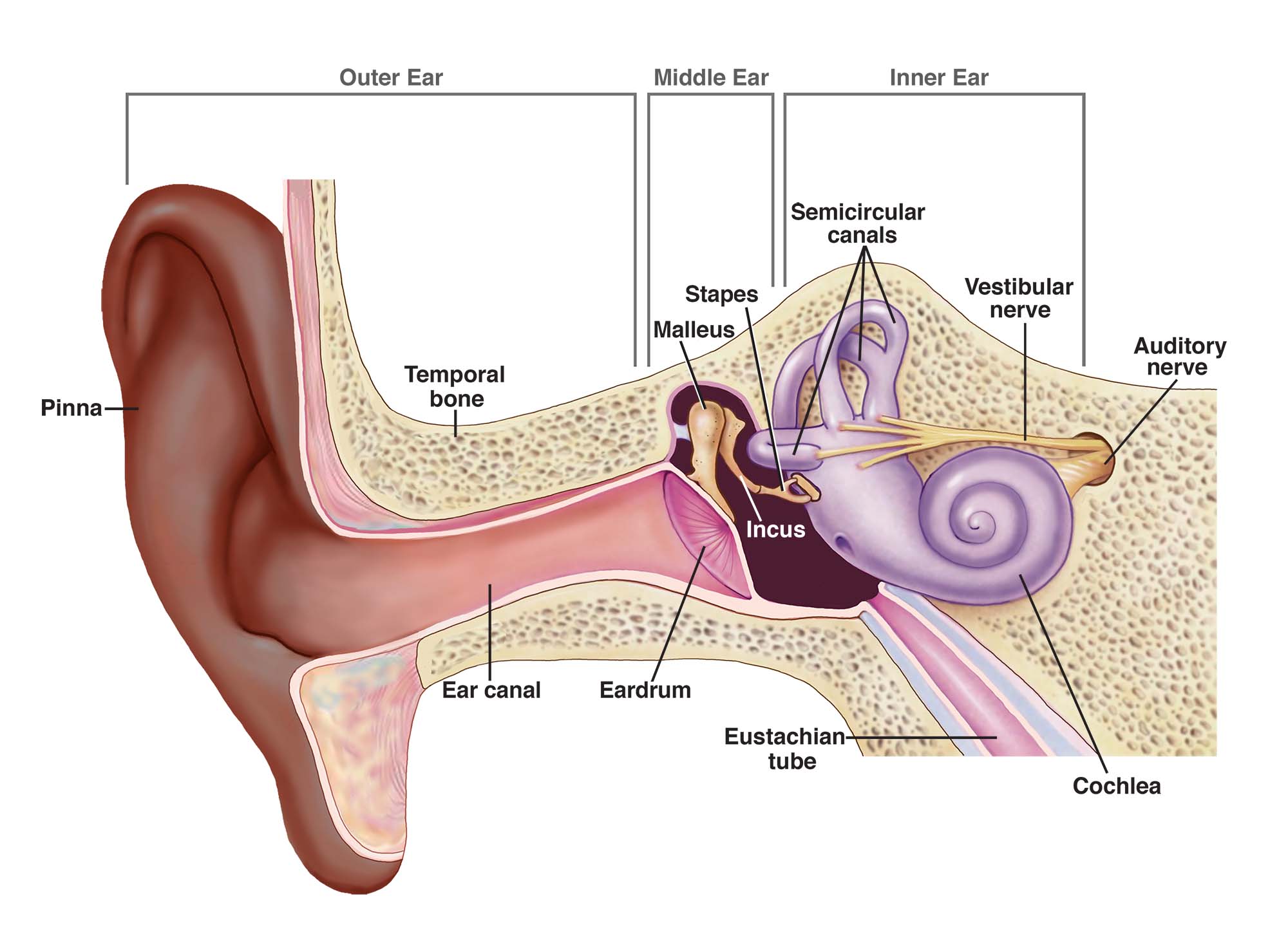
The National Institute on Deafness and Other Communication Disorders explains hearing as a chain of physical changes. Sound waves enter the ear canal, vibrate the eardrum, move the tiny bones of the middle ear, and send vibrations into the cochlea. Hair cells inside the cochlea help convert that motion into electrical signals, which the auditory nerve carries to the brain.
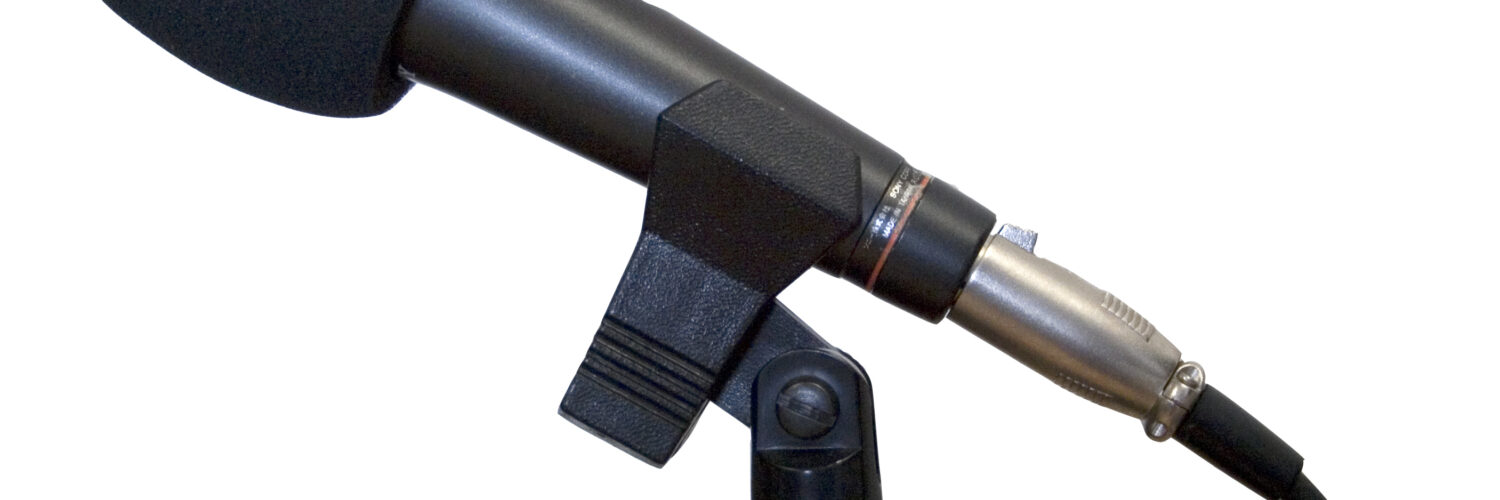
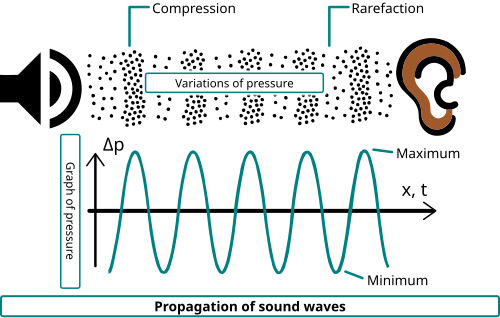
That process is called air conduction because the sound begins as pressure changes moving through air. It is the main way people hear most outside sounds: a door closing, music from a speaker, a friend talking across a room. A microphone also depends on air conduction. It responds to pressure changes in the surrounding air and turns them into an electrical signal that can be stored, amplified, or played back.
Your own voice is different because the sound source is inside your body. Your vocal folds vibrate in the larynx, and your throat, mouth, nose, and lips shape that vibration into speech. Some of that sound exits through your mouth into the room. Some of it also travels through tissues and bones in your head before reaching the inner ear.
Bone conduction adds a version no microphone hears
Bone conduction is the pathway that makes your speaking voice feel fuller inside your own head. The vibrations created while you speak can move through the bones of the skull and nearby tissues toward the cochlea. They do not need to leave the mouth, cross the room, and re-enter the ear canal first.
This does not mean you hear your own voice only through bone. You hear a blend: air-conducted sound from your mouth plus bone-conducted vibration from inside your head. That blend is private. A person standing next to you hears the air-conducted part, but not the internal vibration in the same way.
Researchers who study own-voice perception often describe air conduction and bone conduction as two different routes into the hearing system. Their balance can vary depending on the person, the speech sound being made, and whether the ears are covered or open. Still, the everyday effect is easy to notice: the voice inside your head often seems richer or more resonant than the voice on playback.
Lower-frequency vibration is a major reason. The internal pathway can emphasize some of the deeper qualities of your voice, while a microphone across the room captures the sound after it has already left your mouth and spread through air. When the recording plays back, the extra internal depth is missing. The result may sound lighter, sharper, or less warm than the voice you are used to hearing.
A microphone captures the room version of your voice
A recording is not a perfect copy of what other people hear, but it is much closer to their version than to yours. A microphone captures air pressure changes at one location. If it is close to your mouth, it may pick up more breath, lip sounds, and low-frequency closeness. If it is farther away, the room adds echoes, background noise, and a different balance of frequencies.
The device matters too. A phone microphone, laptop microphone, studio microphone, and headset microphone do not hear in exactly the same way. Many devices automatically reduce noise, compress volume, or shape speech frequencies so voices stay clear. Those changes can make a recording sound cleaner, flatter, brighter, or more processed than a voice heard face to face.
Even so, the biggest surprise usually comes before technology does any special work. The recording lacks the bone-conducted part of your own voice. That is why the same sentence can feel normal while you say it and strange when it comes back through a speaker a few seconds later.
The brain is also comparing sound to memory
The strangeness of a recorded voice is not only physical. It is also psychological. You have heard yourself from the inside thousands of times, so your brain builds a strong expectation for what your voice is supposed to sound like. A recording challenges that expectation.
That mismatch can feel sharper because voices carry identity. People recognize age, emotion, confidence, accent, mood, and personality through speech. When your recorded voice does not match the familiar internal version, it can feel as if the recording is wrong, even when it is doing a reasonable job capturing the air sound.
There is another small shock: speaking and listening usually happen at the same time. When you talk, you are controlling the words and hearing the result as part of one action. A recording separates those roles. You become an outside listener to your own speech, noticing pauses, pitch changes, breath sounds, and habits that normally pass by unnoticed.
That does not mean your recorded voice is bad. It means it is unfamiliar. People who record themselves often, such as singers, actors, podcasters, language learners, and teachers, usually become less startled over time. The recording has not necessarily changed; the listener has gained a second mental reference for the same voice.
How to judge a recording more fairly
A useful recording should be judged by purpose, not by whether it matches the voice inside your head. If the goal is clear speech, listen for whether the words are understandable, whether the volume stays steady, and whether background noise distracts from the message. A voice can sound unfamiliar to its speaker and still sound completely natural to everyone else.
Simple recording choices can make a big difference. Speaking a short distance from the microphone usually sounds better than speaking from across the room. A soft surface, such as curtains, carpet, or a bookshelf, can reduce harsh reflections. A quiet room helps the microphone focus on the voice instead of fans, traffic, or keyboard noise.
Headphones can also help you evaluate playback. Speakers send sound into the room, where it mixes with echoes and the room’s acoustics. Headphones give a more direct signal, though they can still make a voice feel unusually intimate. Listening on both can reveal whether the recording itself is clear or whether one playback setup is shaping your impression.
For practice, record the same sentence a few times at different distances from the microphone. Close recordings often sound fuller but may exaggerate breath and mouth sounds. Farther recordings may sound more natural but can pick up more room tone. The experiment shows that a recorded voice is not a single fixed truth; it is a measurement made from a particular place, with a particular device, in a particular room.
The familiar voice and the recorded voice are both real
The voice in your head is not fake, and the recorded voice is not fake either. They are different listening situations. One combines air conduction, bone conduction, and years of familiarity. The other captures air pressure changes outside your body and plays them back through a device.
That difference explains why recordings can feel so surprising at first. While speaking, you hear a fuller internal blend that no microphone can capture from across the room. During playback, you hear the external version, shaped by the microphone, the room, and the speaker or headphones. Once that physical difference is clear, the surprise becomes easier to understand. The recording is not stealing your real voice; it is showing the part of it that normally belongs to everyone else’s ears.