
 Akshay Dinesh
A forgotten bag of vegetables, a carton of icy ice cream, or a piece of meat with pale dry patches can look as if something went badly wrong in the freezer. The name makes it sound like the food has been burned by cold, but freezer burn is really a story about water, air, and time. Frozen food can still change even when it is kept below freezing, because the water inside it does not simply stop moving forever.
The most useful way to understand freezer burn is to separate two questions that often get mixed together. One question is about quality: taste, texture, color, and moisture. The other is about safety: whether the food has been kept cold enough to prevent harmful microbial growth. Freezer burn is mostly a quality problem. The United States Department of Agriculture’s Food Safety and Inspection Service explains that food kept continuously frozen at 0 degrees F can remain safe, although quality can decline over time. That distinction matters because a freezer-burned food may be unpleasant, dry, or tough without automatically being unsafe.
Freezer Burn Starts With Escaping Water
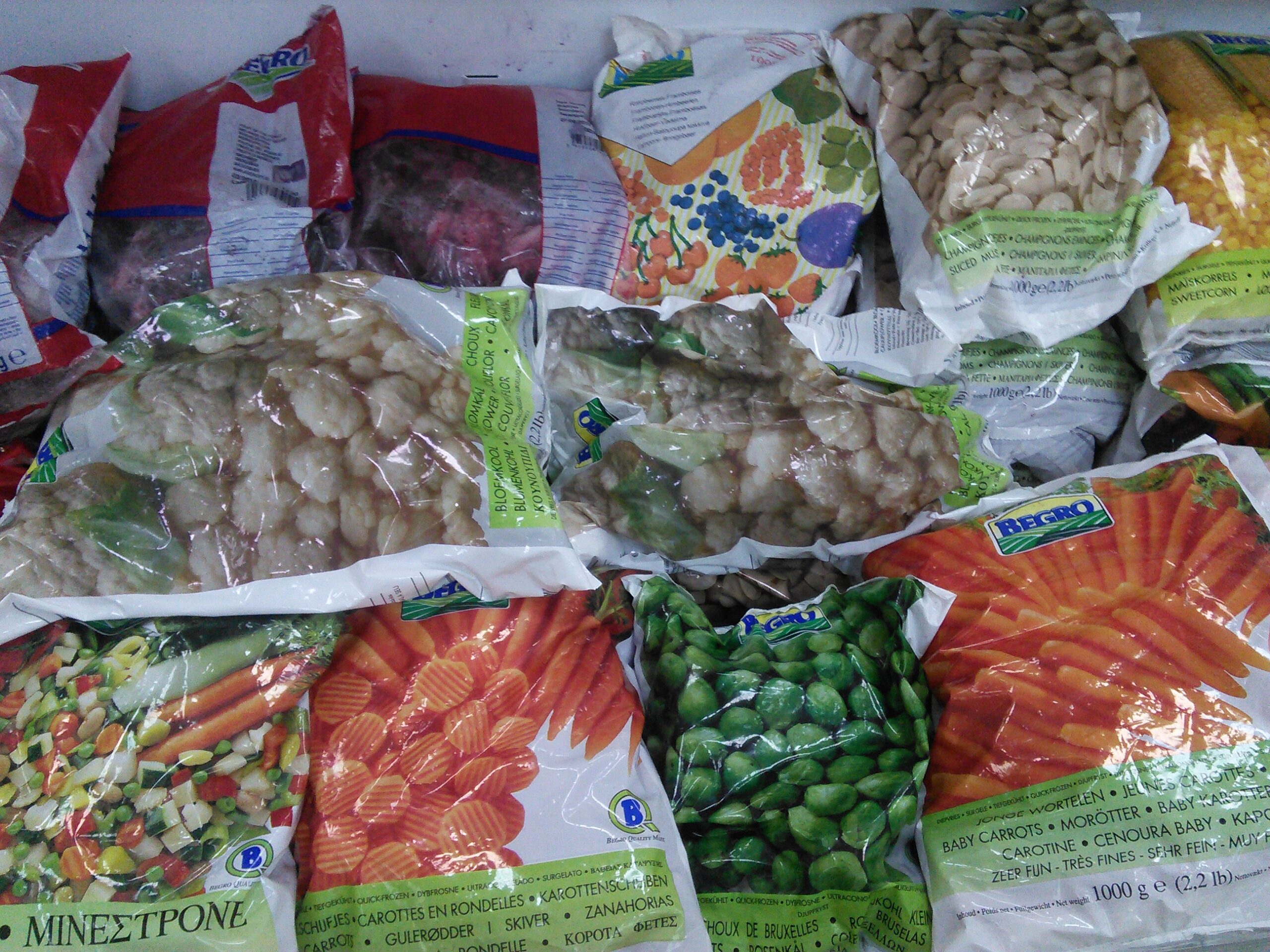
Most foods contain a great deal of water. When food freezes, that water forms ice crystals inside and around the food’s cells. The crystals help preserve the food by slowing many chemical and biological changes, but they do not lock every molecule perfectly in place. If the food is poorly wrapped, loosely sealed, or stored for a long time, water molecules can leave the food’s surface and move into the colder, drier air of the freezer.
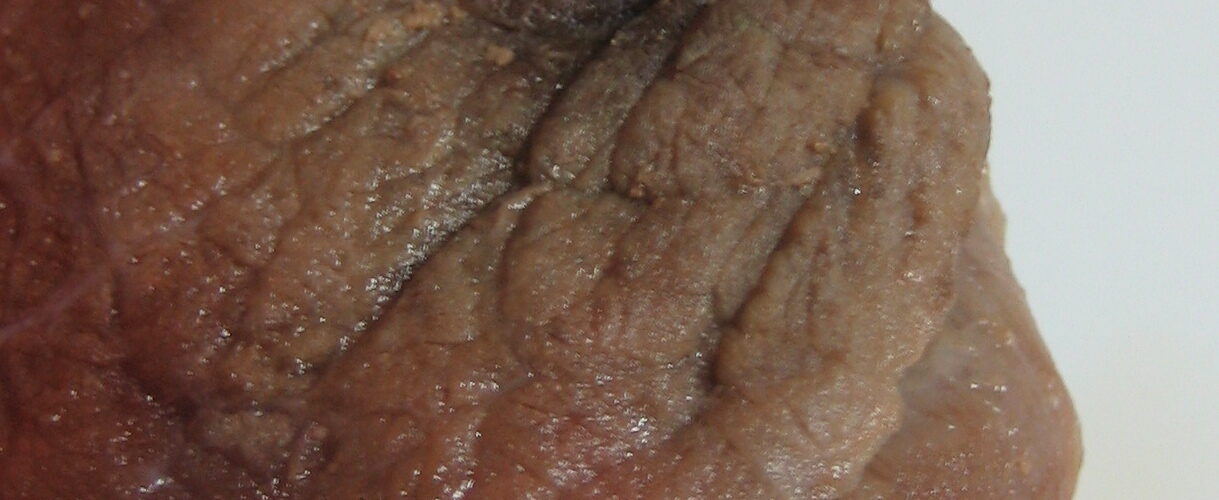
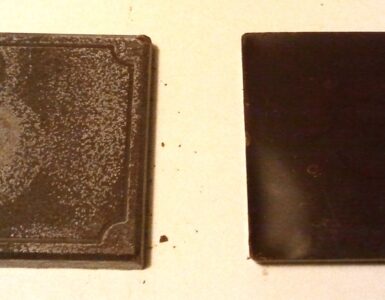
The Library of Congress describes freezer burn as the result of frozen food losing moisture, often because of poor wrapping. Once moisture leaves the food, the surface becomes dehydrated. Meat may develop grayish or brownish dry spots. Vegetables may look shriveled or frosty. Ice cream may lose its smooth texture and become gritty. The food has not literally burned; it has dried out in a frozen environment.
Oxygen adds another part of the damage. When air reaches exposed food, oxygen can dull color and change flavor. That is why freezer burn often looks like both dehydration and aging at once: dry patches, pale or dark areas, ice crystals, and a stale taste. The freezer slows these changes, but it does not erase them.
Why Ice Can Move Without Melting First
The science behind freezer burn depends on a phase change called sublimation. Sublimation happens when a solid changes directly into a gas instead of becoming a liquid first. A familiar example is dry ice turning into carbon dioxide gas. In a freezer, ordinary water ice can also slowly lose molecules from its surface into the air, especially when the air is dry and the food is exposed.
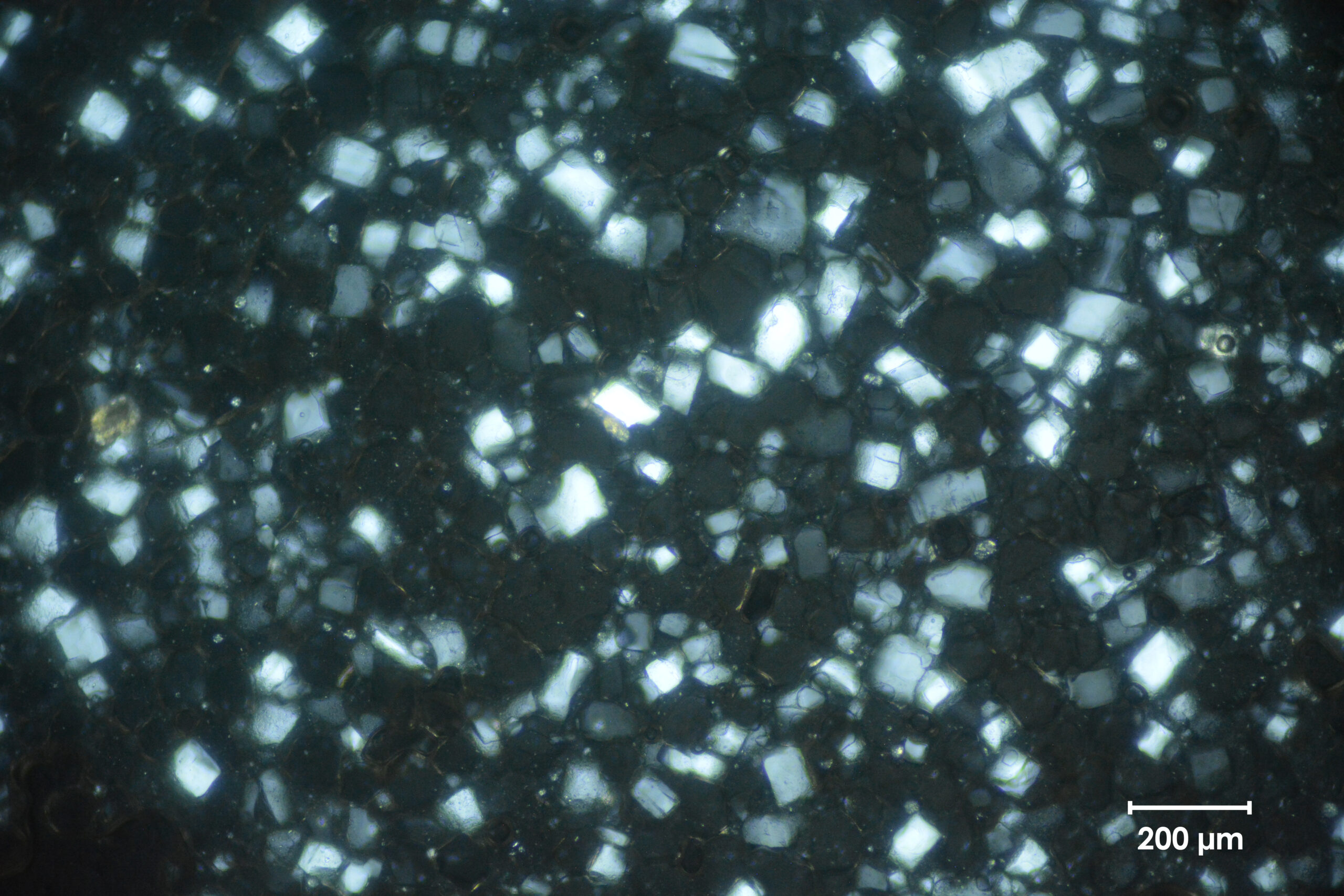
That process helps explain a confusing observation: frozen food can dry out even though it never seems to melt. Water molecules can leave the ice crystals in the food and travel into the freezer air. Later, they may collect somewhere colder, such as the inside wall of the freezer or the inside of the package, where they form frost. So the ice crystals you see on the outside of a bag are often a sign that water moved from one place to another, not proof that new water appeared.
Temperature changes make the problem worse. Each time a freezer door opens, warm moist air can enter. If food near the door warms slightly and then refreezes, crystals can grow larger. A freezer that rises above 0 degrees F for repeated stretches may still keep food frozen, but the quality loss can speed up. The Texas A&M AgriLife Extension notes that keeping a freezer at 0 degrees F or lower helps food freeze faster and encourages smaller ice crystals, which are less likely to damage texture.
Texture Changes Because Food Has Structure
Freezer burn is easier to understand if food is treated as structure, not just flavor. Meat is made of muscle fibers that hold water. Fruits and vegetables are made of cells with delicate walls. Bread and cooked grains have networks of starches and proteins that hold moisture in a different way. When water leaves or large ice crystals form, those structures change.
In meat, dehydration can make the surface tough and leathery. The damaged area may cook up dry even if the rest of the meat is still usable. In fruits and vegetables, ice crystals can rupture cell walls, so thawed pieces may become soft or watery. In bread, cake, rice, and pasta, freezer burn can create a rough, dry texture because the starch structure loses moisture. The same basic chemistry appears in different forms depending on what the food is made of.
Ice cream shows the problem in a particularly obvious way. Good ice cream feels smooth because its ice crystals are small enough that the tongue does not notice them much. If the carton partly warms, refreezes, or sits with air space under the lid, crystals can grow. The result is a sandy or crunchy texture, even though the ingredients have not changed much. The difference is physical: crystal size, water movement, and trapped air.
Freezer Burn Is Not the Same as Spoilage
A dry patch on frozen food is not the same thing as bacterial spoilage. Bacteria and molds need conditions that allow them to grow, and freezing greatly slows or stops that growth while the food remains frozen. That is why food-safety agencies distinguish freezer burn from unsafe handling. The USDA’s guidance is clear that frozen food kept at 0 degrees F remains safe, but it may lose quality.
That does not mean every questionable frozen food should be eaten. Freezer burn is only one clue. If food thawed for too long, sat at room temperature, leaked, smells off after thawing, or shows signs of spoilage unrelated to dryness and frost, the safety question changes. A freezer-burned corner on a still-frozen roast is different from a package that was warm for hours during a power outage. The first is mainly a quality problem; the second may be a food-safety problem.
For ordinary freezer burn, the decision is often practical. A small dry patch can be trimmed from meat before cooking. Frosty vegetables may still work in soups, stews, or sauces where perfect texture matters less. Freezer-burned fruit can sometimes be blended into smoothies or cooked into compotes. Ice cream is less forgiving because texture is the point; once it becomes icy, there is no simple way to make it creamy again.
Good Packaging Slows the Chemistry Down
Freezer burn is not completely avoidable forever, but it can be slowed. The main goal is to reduce contact between food and dry freezer air. Tight wrapping, freezer-safe bags, rigid containers, and vacuum sealing all work by limiting empty space and air exchange. A thin plastic grocery bag or a loose twist tie usually does not protect food well enough for long storage.
Package shape matters too. Leftovers stored in a container with a large pocket of air above them have more room for moisture to escape. Pressing air out of freezer bags, using smaller containers, and covering the surface of foods such as ice cream before replacing the lid can reduce exposure. For meat or fish, extra layers such as freezer paper, plastic wrap, foil, and a freezer bag can help protect the surface from air.
Temperature stability is the other half of prevention. A freezer set at 0 degrees F or lower gives food a better chance of freezing quickly and staying stable. Crowding the freezer too much can slow freezing, but an almost-empty freezer can also warm quickly when the door opens. Labeling packages with dates helps because time is one of the quiet drivers of freezer burn. Even well-wrapped food slowly loses quality if it waits long enough.
The Bigger Lesson Hidden in the Frost
Freezer burn is a small everyday example of chemistry happening in plain sight. It shows that freezing is not a magic pause button. Water can migrate, ice crystals can grow, oxygen can affect flavor, and food structure can change while everything still looks solid. Those changes are usually slow, which is why a freezer is so useful, but slow is not the same as stopped.
The lesson is practical as well as scientific. If frozen food looks dry, frosty, or discolored, ask two separate questions: Was it kept safely frozen, and is the quality still worth using? The first question is about temperature history and handling. The second is about texture, flavor, and how the food will be cooked. Keeping those questions separate makes freezer burn less mysterious and helps prevent good food from being thrown away for the wrong reason.




Add comment