
 Akshay Dinesh
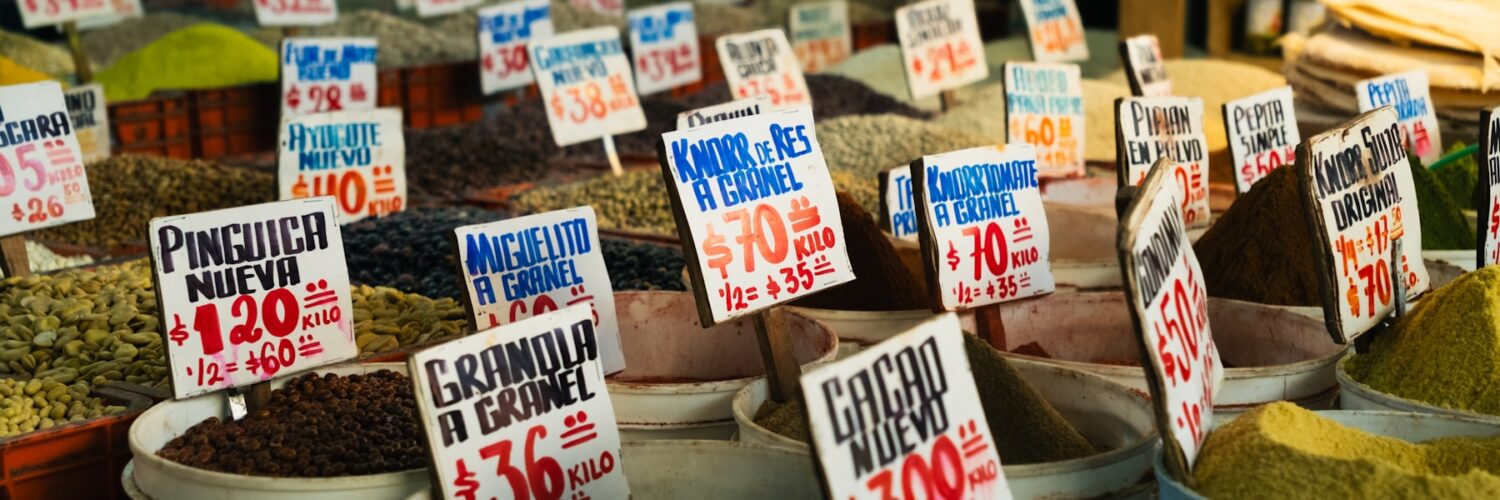
A price is more than a number printed on a tag. It is a message about how much people want something, how hard it is to provide, and what tradeoffs buyers and sellers are willing to accept. When strawberries are cheap in peak season, the price is telling shoppers that supply is plentiful. When bottled water disappears before a storm, the empty shelf is telling a different story: demand jumped faster than stores could restock. Supply and demand turn those pressures into prices, often without anyone giving direct orders.
That does not mean markets are magic or always fair. Prices can move for reasons that feel frustrating, and some goods are too important to leave entirely to ordinary buying and selling. Still, supply and demand are one of the clearest ways to understand everyday economic changes. They explain why concert tickets can become expensive, why last year’s phone model gets discounted, why a shortage can persist, and why a store may change prices even when the product itself has not changed.
Demand Starts With Willingness and Ability to Buy
Demand is not just wanting something. Many people may want a new laptop, a larger apartment, or front-row seats at a game. In economics, demand means buyers are willing and able to purchase a good or service at different possible prices. The price matters because most people have limited money, time, and attention. As the price falls, more buyers usually enter the market or existing buyers buy more. As the price rises, some buyers cut back, wait, switch to another option, or leave the market completely.
This is why demand is usually shown as a downward-sloping curve. At a high price, only the buyers with the strongest desire or greatest ability to pay will buy. At a lower price, the same item becomes attractive to more people. A restaurant might sell fewer lunches when the price rises from ten dollars to sixteen dollars, not because the food became worse, but because some customers now choose leftovers, fast food, or a cheaper meal nearby.
Demand can also shift for reasons beyond price. Hot weather can raise demand for cold drinks. A new school policy can raise demand for graphing calculators. A viral song can raise demand for concert tickets. A change in income, taste, population, expectations, or the price of related goods can move the whole demand curve. When that happens, the old price may no longer fit the new situation.
Supply Depends on Cost, Capacity, and Incentives
Supply describes how much sellers are willing and able to offer at different prices. A higher price usually gives sellers a stronger reason to produce more, stock more, or bring more goods to market. If peaches sell for a high price, growers, distributors, and stores have more incentive to pick, ship, and display them. If the price is too low, some sellers may decide the work is not worth the cost.
Supply is shaped by production costs. Labor, raw materials, rent, fuel, equipment, taxes, weather, and technology all affect how expensive it is to bring a product to customers. A bakery facing higher butter and flour costs may supply fewer pastries at the old price or raise prices to keep producing the same amount. A factory that installs better equipment may supply more because each unit is cheaper or faster to make.
Supply can shift suddenly. A drought can reduce the supply of crops. A shipping delay can limit the supply of imported goods. A new competitor can increase supply in a local market. These changes are not the same as moving along the supply curve because of price. They change the amount sellers are willing or able to offer at many possible prices.

Equilibrium Is the Price Where Plans Meet
Market equilibrium is the point where the quantity buyers want to buy matches the quantity sellers want to sell. At that price, there is no strong pressure for the market price to move up or down. Buyers can find the product, and sellers can find customers. The market is not frozen forever, but for the moment, plans line up.
Imagine a school fundraiser selling slices of pizza after a game. If the slices are priced too high, many students walk past the table, and pizza is left over. That surplus pressures the sellers to lower the price, offer a deal, or bring less pizza next time. If the slices are priced too low, the table sells out immediately, and students who still want pizza cannot get any. That shortage pressures the sellers to raise the price, bring more pizza, or ration slices.
The equilibrium price is not automatically the price everyone likes. Buyers often wish prices were lower, and sellers often wish they could earn more. Equilibrium simply means the market has found a price where the amount offered and the amount demanded match closely enough for the market to clear. When conditions change, the equilibrium changes too.
Shortages and Surpluses Are Signals That a Price Does Not Fit
A shortage happens when buyers want more than sellers provide at the current price. Shortages often show up as empty shelves, long lines, waitlists, or strict purchase limits. They can happen after a storm warning, during a popular product launch, or when a price is kept below the level that would balance supply and demand. The low price attracts many buyers, but sellers do not provide enough to satisfy them all.
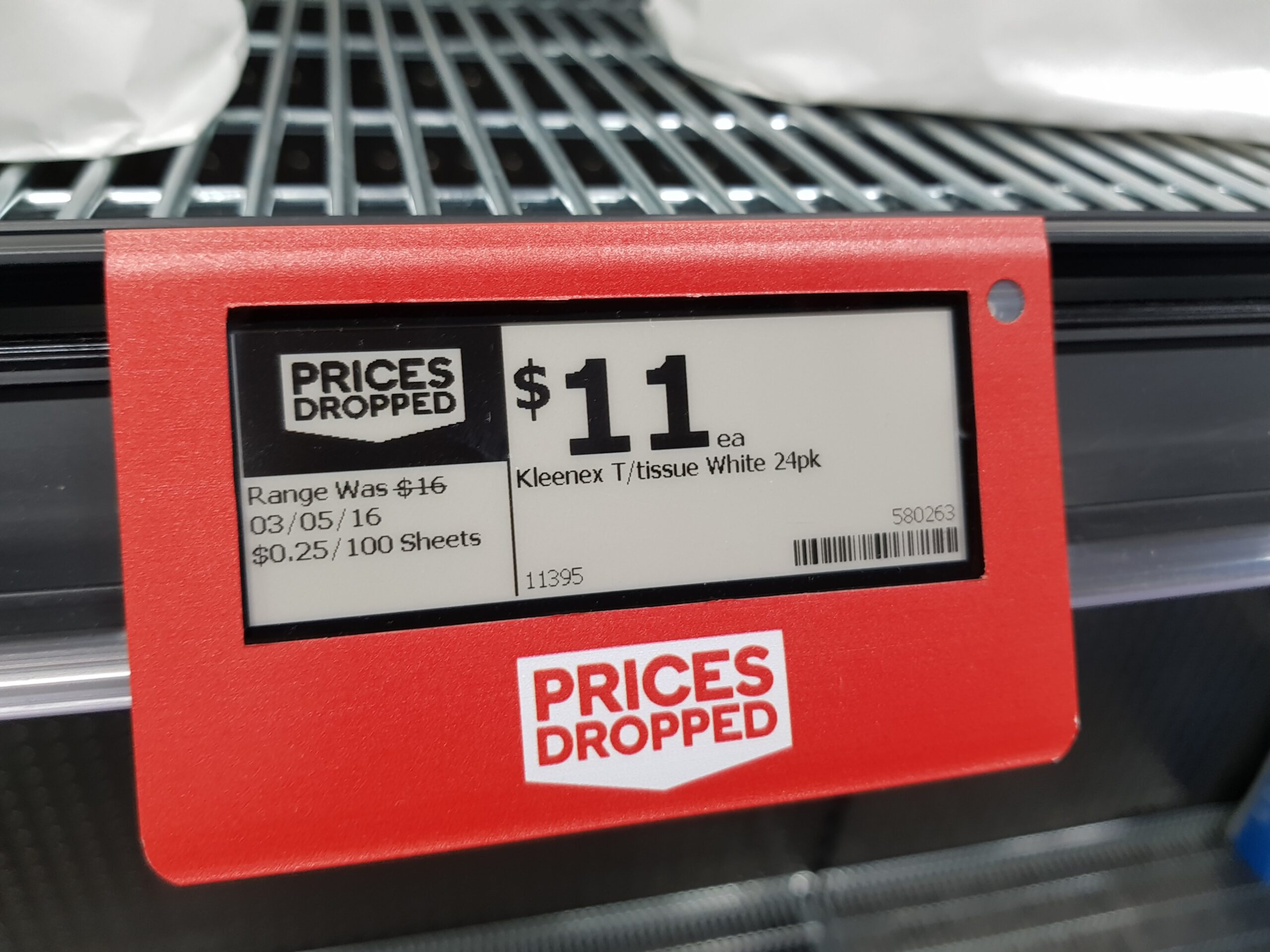
A surplus is the opposite. Sellers offer more than buyers want at the current price. Stores respond with markdowns, clearance racks, coupons, or smaller future orders. A clothing store that overestimated demand for winter coats may cut prices in February because holding the inventory is costly. A farmer with more produce than buyers want at today’s price may lower the price before the crop spoils.
These signals are not always pleasant, but they contain information. A shortage says, “At this price, buyers want more than sellers are offering.” A surplus says, “At this price, sellers are offering more than buyers want.” Price changes are one way markets respond to those messages. Higher prices can encourage more supply and reduce quantity demanded. Lower prices can attract buyers and discourage excess production.
Price Signals Help Coordinate People Who Never Meet
One of the most powerful ideas in economics is that prices help coordinate strangers. A coffee drinker does not need to know whether a frost damaged coffee plants, whether fuel costs rose, or whether more people started drinking cold brew. The price gathers some of that information into a single signal. If the price rises, the buyer may buy less, switch brands, or keep buying because the coffee is worth it. Sellers, meanwhile, see a reason to source more beans, adjust production, or protect limited inventory.
Price signals work because they affect incentives. A higher price can reward sellers for bringing more of a scarce item to market. A lower price can warn sellers not to overproduce. Buyers also respond. They compare options, delay purchases, split costs, substitute one product for another, or decide that the item is worth the money. Millions of small decisions can move a market without a central planner directing each one.
Substitutes and complements make these signals richer. If beef becomes expensive, some shoppers buy chicken, beans, or pasta instead. Those substitutes can then see demand rise. If printers become cheap, demand for ink may rise because the two goods are used together. A change in one price can ripple through connected markets, which is why an economic story rarely stops with one product.
Why Real Markets Are Messier Than the Simple Model
The supply-and-demand model is useful because it simplifies a complicated world. Real markets include imperfect information, advertising, habit, brand loyalty, unequal bargaining power, regulations, taxes, subsidies, and emergencies. Some buyers cannot simply walk away from a high price if the good is medicine, housing, electricity, or food. Some sellers have more control when there are few competitors. These realities do not make supply and demand useless. They explain why the model is a starting point, not the whole story.
Price controls show the tradeoff clearly. A price ceiling keeps a price from rising above a legal limit. That can help buyers who successfully get the good at the lower price, but it can also create shortages if the legal price sits below the market-clearing level. A price floor keeps a price from falling below a legal limit. That can help some sellers or workers, but if the floor is above equilibrium, it can create a surplus. The result depends on the market, the policy design, and how buyers and sellers respond.
Students should be especially careful with moral shortcuts. A rising price is not always greed, and a low price is not always good. A higher price can reflect scarcity, higher costs, stronger demand, or market power. A low price can reflect efficiency, weak demand, hidden subsidies, poor quality, or costs pushed onto someone else. Good economic thinking asks what changed, who responds, who benefits, who is left out, and what tradeoffs follow.
Supply and demand do not explain every human choice, but they make many price changes less mysterious. They show why scarcity forces tradeoffs, why buyers and sellers respond to incentives, and why a price can carry information from one side of a market to the other. Once that pattern becomes visible, everyday prices start to look less random. A shelf tag, a sold-out sign, a discount bin, and a waiting list all become clues about how people are trying to match limited resources with unlimited wants.





Add comment