

 Akshay Dinesh
On a dangerously hot afternoon, the power grid faces a problem that is easy to feel but harder to see. Millions of air conditioners turn on at nearly the same time, office buildings keep cooling through the hottest part of the day, and factories, stores, hospitals, schools, and data centers keep drawing electricity. At the very moment people need reliable power for cooling, the equipment that produces and moves electricity may be working under its own heat stress.
That is why heat waves can raise the risk of brownouts, blackouts, and emergency conservation alerts. The issue is not simply that people use more electricity in summer. Heat can push demand higher, reduce the efficiency of some power plants, make transmission equipment operate closer to its limits, and narrow the safety margin grid operators rely on when something unexpected happens.
Electricity demand rises when cooling becomes essential
The grid has to balance supply and demand constantly. Electricity is produced, moved, and consumed in real time, so grid operators cannot let demand drift far above available supply. During mild weather, that balance is easier to manage because heating and cooling loads are lower. During a heat wave, cooling becomes one of the largest forces shaping the system.
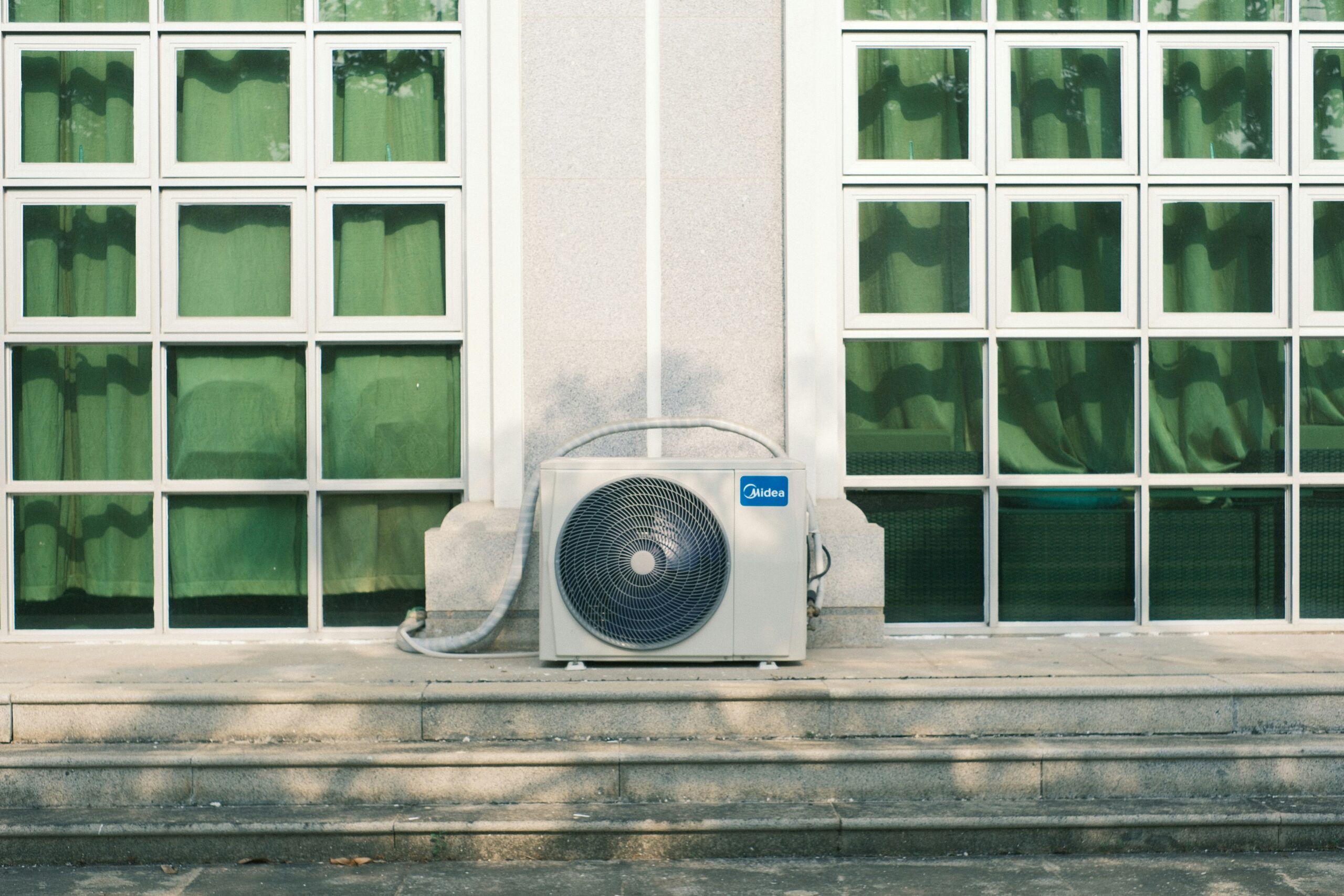
Air conditioning is not a luxury load during extreme heat. For older adults, infants, people with certain medical conditions, and anyone in poorly insulated housing, indoor cooling can be a basic safety need. That means demand can stay high for many hours, especially when nights remain warm and buildings do not cool down naturally. A city that might normally see peak demand late in the afternoon can keep pulling heavy loads into the evening as people return home, cook dinner, charge devices, and keep cooling systems running.
NERC, the North American Electric Reliability Corporation, flagged this pressure in its 2026 Summer Reliability Assessment. The report said all assessed areas had enough anticipated resources for normal summer peak conditions, but some regions still faced elevated risk during more extreme conditions or under local constraints. It also noted that aggregated peak demand across assessment areas had increased by more than 11 gigawatts compared with the previous summer projection. That number matters because reliability depends not only on how much generation exists, but on when and where the demand arrives.
Heat can make the grid less efficient
A heat wave does more than increase the need for cooling. It can also make parts of the electric system less efficient. Pacific Northwest National Laboratory has described this double strain clearly: hot weather raises demand while making power generation and power delivery work less smoothly. The same afternoon that pushes thermostats lower can also make equipment less comfortable doing its job.
Power plants can lose some efficiency in high heat. Natural gas turbines, for example, generally perform better when the air entering the turbine is cooler and denser. When the air is hot, turbines can produce less power from the same basic process. Power plants that depend on water for cooling can also face limits when water temperatures rise or when drought reduces available water. In regions that depend heavily on hydropower, low snowpack or early snowmelt can reduce how much water is available at the most useful times.
Transmission lines also respond to temperature. As metal conductors heat up, electrical resistance increases, so more energy is lost as heat while electricity moves through the line. Hot lines can sag as they expand, which matters because operators must keep safe clearance from trees, buildings, roads, and other objects. To protect equipment and prevent dangerous conditions, grid operators may have to limit how much power certain lines can carry.
Solar power adds a useful but sometimes misunderstood detail. Solar panels need sunlight, but very high temperatures can reduce how efficiently photovoltaic cells convert sunlight into electricity. That does not make solar useless during heat waves; summer solar output can still be extremely valuable, especially during sunny daytime peaks. It simply means heat affects nearly every part of the system, even resources that are strongly associated with summer sun.
Reliability depends on reserves, timing, and local bottlenecks
A blackout usually does not happen because one cause appears in isolation. More often, risk builds when several pressures line up. Demand rises above forecast. A generator goes offline unexpectedly. Wind output drops during the evening. Smoke, storms, or wildfire risk threatens transmission. A local line becomes congested. Each problem might be manageable alone, but together they can shrink the operating cushion.
That cushion is often described through reserves. Grid operators plan to have more available supply than expected demand, because real life never follows a perfect forecast. If a region expects a peak load of a certain size, it needs extra capacity ready in case demand is higher or supply is lower than planned. When the reserve margin becomes too thin, operators may call for voluntary conservation, import power from neighboring regions, start backup resources, or use demand-response programs that pay large customers to reduce consumption.
The 2026 NERC assessment shows why the details vary by region. New England had a small margin above its reference level and expected possible use of operating procedures for shortage mitigation. The Northwest faced hydropower concerns tied to drought and snowpack conditions. Texas was assessed at normal risk overall, partly because of new resources and a lower demand forecast, but NERC still pointed to possible constraints in Far West Texas when high demand combines with low wind output and no solar generation after sunset.
Those examples are useful because they show that “the grid” is not one single machine with one single weakness. It is a network of local systems tied together by generation, transmission, weather, fuel, water, market rules, and human decisions. A region can have enough total power on paper and still struggle if the power is not available in the right place at the right hour.
Why evenings can be especially tricky
Heat-wave risk often intensifies late in the day. Buildings have absorbed hours of heat, pavement and rooftops release warmth back into the air, and many people arrive home and turn up cooling demand. At the same time, solar production begins to fall as the sun gets lower. If wind output is low, imports are limited, or a power plant trips offline, the evening ramp can become stressful quickly.
This is why batteries are becoming more important in summer reliability planning. NERC noted that more than 16 gigawatts of nameplate battery storage had been added since the previous summer, with strong growth in Texas and the Western Interconnection. Batteries can store electricity when supply is plentiful and release it quickly when the grid needs help. They are especially useful for short periods when demand jumps or generation drops suddenly.
Demand response can help too. Instead of treating electricity use as fixed, utilities and grid operators can reduce strain by shifting some consumption away from the most difficult hours. A large commercial building might precool earlier in the day and ease its load later. A factory might delay a nonurgent process. A smart thermostat program might make small temperature adjustments across many homes, reducing total demand without asking one customer to carry the whole burden.
None of these tools removes the need for strong generation, transmission, maintenance, and emergency planning. They work best as layers. A reliable summer grid needs enough resources, enough wires, accurate forecasts, flexible demand, stored energy, and crews ready to respond when equipment fails. Heat waves test all of those layers at once.

What a grid emergency means for ordinary households
When utilities ask customers to conserve during a heat wave, the request is usually about timing. Turning off unused lights helps a little, but the bigger loads are cooling, large appliances, water heating, and sometimes electric vehicle charging. Running a dishwasher or clothes dryer later in the evening, raising a thermostat a few degrees if it is safe, closing blinds during the day, and avoiding unnecessary oven use can reduce the peak without requiring people to go without cooling.
Households also need to think about outage readiness, especially when heat is dangerous. A charged phone, backup batteries, flashlights, water, a small supply of shelf-stable food, and a plan for where to go if indoor temperatures become unsafe can matter more than people expect. Anyone who depends on powered medical equipment should have a more specific backup plan through family, neighbors, local emergency services, or a medical provider.
The larger lesson is that heat-wave grid stress is not just an engineering issue. It is a public health issue, a housing issue, and a planning issue. Well-insulated buildings need less cooling. Shade trees and reflective surfaces can reduce neighborhood heat. Stronger transmission can move electricity from where it is available to where it is needed. Accurate forecasts help operators prepare before demand reaches its highest point.
Extreme heat turns electricity into a lifeline while making the electric system harder to run. That tension explains why grid reliability becomes such a serious summer topic. A strong grid is not only one that can meet an average afternoon. It is one that can keep working when the weather, the equipment, and the clock all make the same hour difficult.




Add comment