 Akshay Dinesh
The United States did not move straight from independence to the Constitution. For several years, the country lived under a first national framework called the Articles of Confederation. It helped the states cooperate during and after the Revolution, gave Congress a formal structure, and confirmed that the new nation was more than a loose wartime alliance. But it also left the national government too weak to handle money, trade, law enforcement, and disputes among the states.
That weakness was not an accident. Many Americans had just fought a war against a powerful central authority, so they were deeply suspicious of anything that looked like distant rule. The Articles protected state independence first and national power second. At first, that seemed sensible. Over time, the same design that guarded liberty made it hard for the country to govern itself.
A first government built around state power
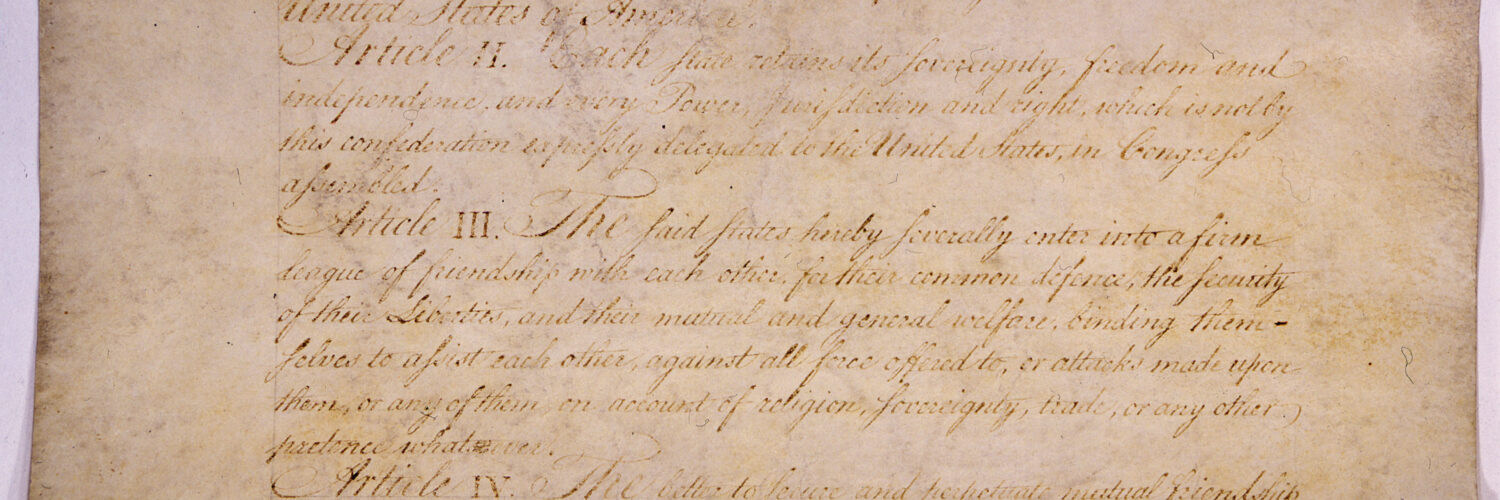
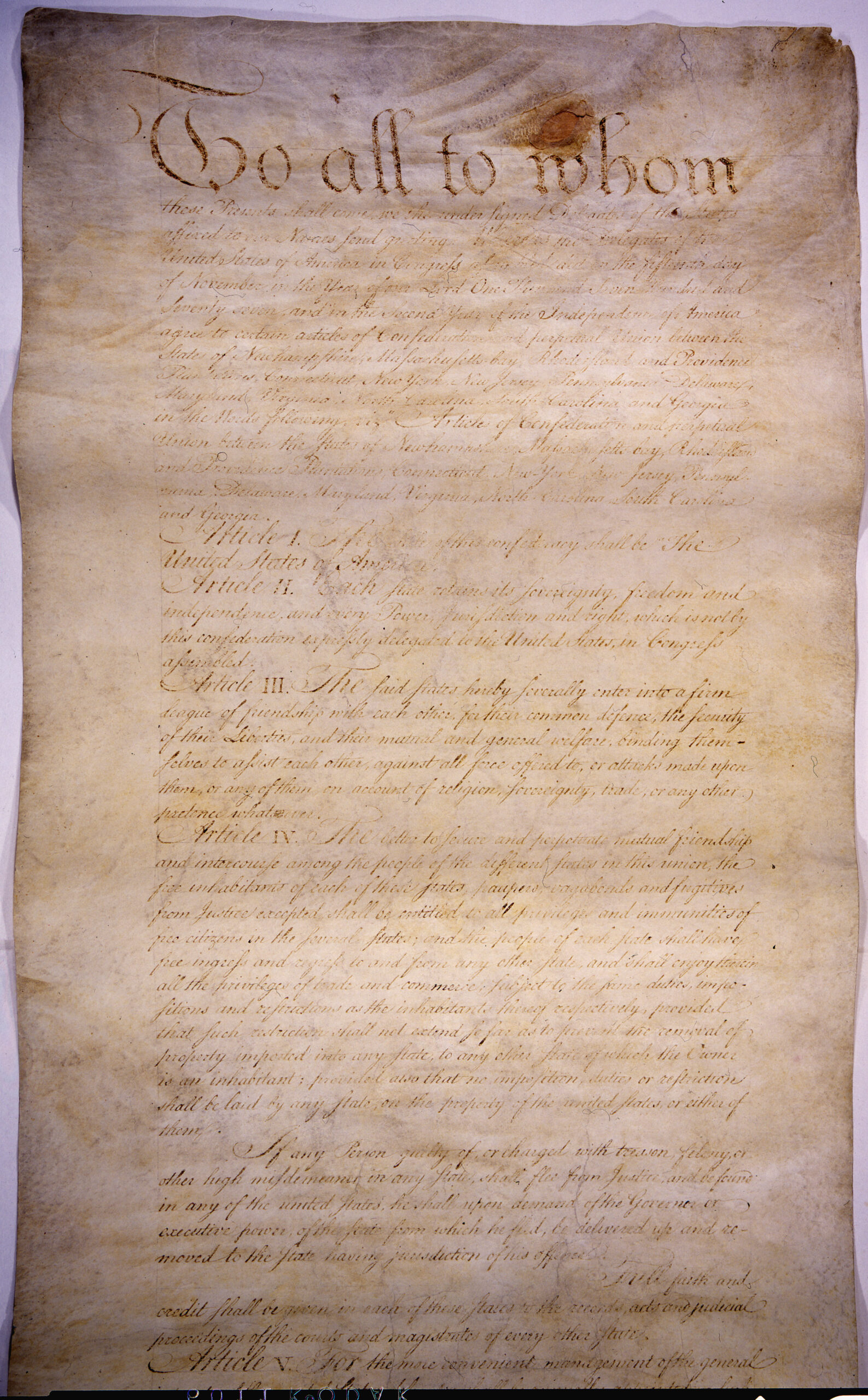
The Articles of Confederation were adopted by the Continental Congress in 1777 and went into effect in 1781, after all thirteen states ratified them. The National Archives describes the document as the first constitution of the United States, in force until the present Constitution took effect in 1789. Its language imagined the states entering a firm league of friendship, not forming one strong national government over the people.
That phrase matters. Under the Articles, each state kept its sovereignty, freedom, and independence except for powers specifically delegated to the United States in Congress. Congress could make war and peace, send and receive ambassadors, borrow money, handle some disputes between states, and manage certain western and military questions. But it did not have the kind of direct authority most people now associate with a national government.
There was no separate president to carry out national laws. There was no full federal court system to settle constitutional or national disputes. Congress had only one chamber, and each state had one vote no matter how large or small its population was. Virginia and Delaware stood equal in congressional voting, which protected small states but made representation feel detached from the number of people affected by a decision.
The money problem reached almost everything
The most serious weakness was money. Congress could ask states for funds, but it could not levy taxes directly. Constitution Annotated, a resource from Congress.gov and the Library of Congress, notes that Congress lacked authority to tax and had to request contributions from the states. Those requests often went unpaid or only partly paid, leaving the national treasury weak.
This created problems that were bigger than bookkeeping. The United States had debts from the Revolutionary War. Soldiers, suppliers, and lenders expected payment. Foreign governments watched to see whether the new republic could keep its promises. If Congress could borrow but could not reliably raise revenue, national credit suffered. A government that could not pay its bills could not easily defend itself, negotiate confidently, or build trust at home.
The problem also revealed a flaw in the amendment process. Congress tried to gain limited taxing power through amendments, but changes to the Articles required unanimous approval from all thirteen states. If one state refused, the change failed. That meant even widely recognized problems could remain unsolved. The system made agreement so difficult that repair often became impossible.
Trade disputes made the union feel fragile
Trade exposed another weakness. Congress did not have broad power to regulate interstate or foreign commerce. The Library of Congress notes that under the Articles, Congress could not standardize trade between foreign nations and the states. Individual states could pursue their own trade rules, taxes, and restrictions. Instead of acting like one economic nation, the states often behaved like separate competitors.
That mattered because the Revolution had left the economy unsettled. Farmers, merchants, debtors, creditors, and state governments all faced pressure. A state might tax imports, favor its own ports, or make rules that hurt neighbors. Other states could respond with their own measures. Disputes over rivers, bays, customs duties, and commercial policy could turn cooperation into resentment.
Foreign trade was even harder. Congress could negotiate treaties, but it lacked a strong way to make states obey every promise. Foreign governments had reason to doubt whether a treaty with Congress would be honored consistently across the states. A young country trying to gain respect abroad could not easily do so if its national government could speak but not enforce.
Shays’ Rebellion exposed fears that paper rules were not enough
By the mid-1780s, unrest in Massachusetts made the weakness of the Confederation feel less theoretical. Farmers in western Massachusetts faced heavy debts, taxes, and court actions. Many had served in the Revolution and returned to economic hardship. In 1786 and 1787, armed protesters associated with Daniel Shays resisted court proceedings and challenged state authority.
Shays’ Rebellion did not cause the Constitution by itself, but it sharpened fears that the Confederation government could not respond effectively to internal crisis. If economic distress could turn into armed resistance, and if Congress had little reliable money or military capacity, what would happen during a larger emergency? To leaders such as George Washington and James Madison, the danger was not only rebellion. It was the possibility that the union might slowly lose the power to protect order, property, rights, and public confidence.
The episode also raised a difficult question: how could a republic keep liberty without becoming too weak to function? Americans did not want to replace one distant power with another. But many came to believe that liberty needed a government capable of acting, not merely requesting. A union that could not collect revenue, regulate trade, or enforce national commitments might preserve state independence while letting national problems grow.
The Constitution answered with a different design
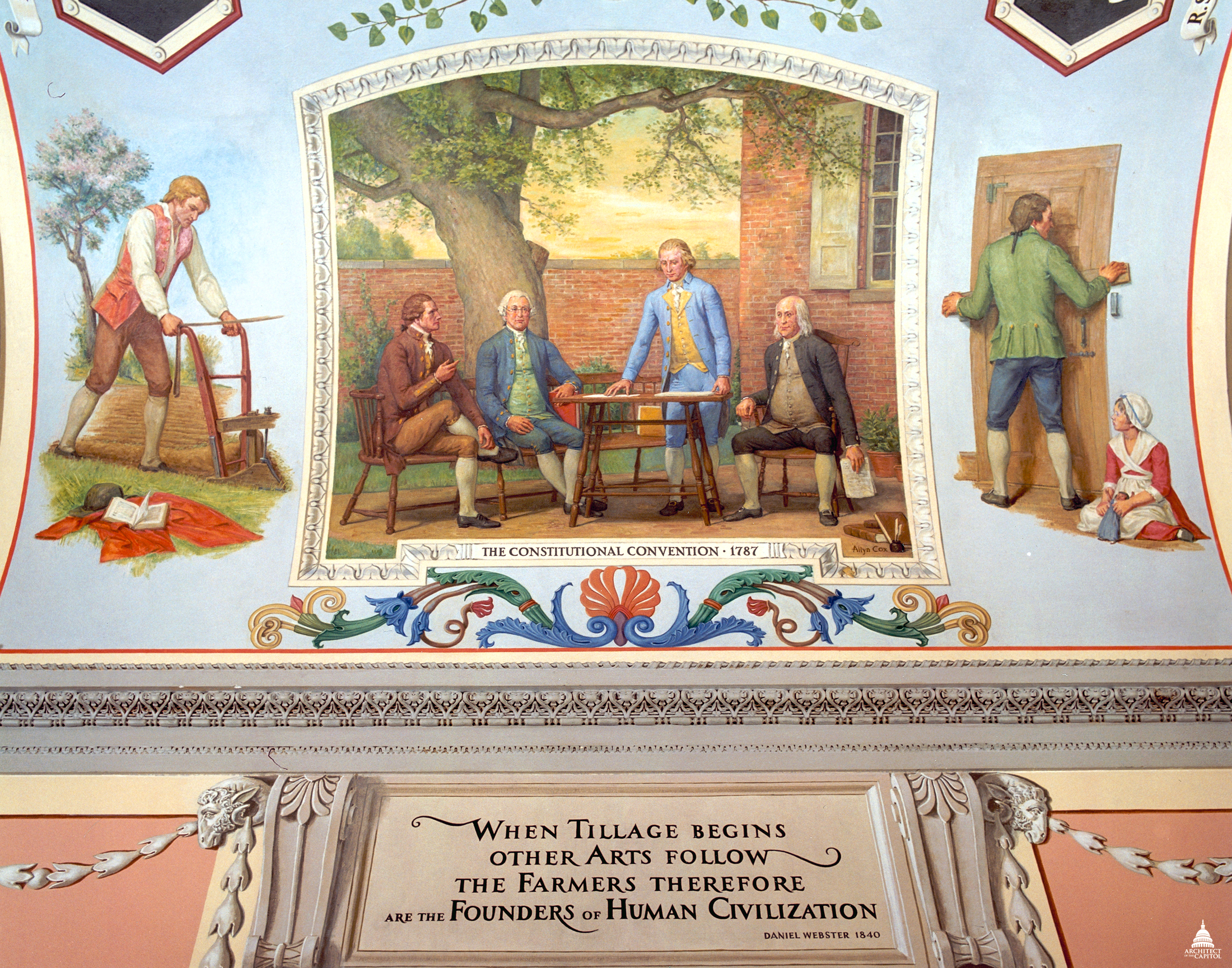
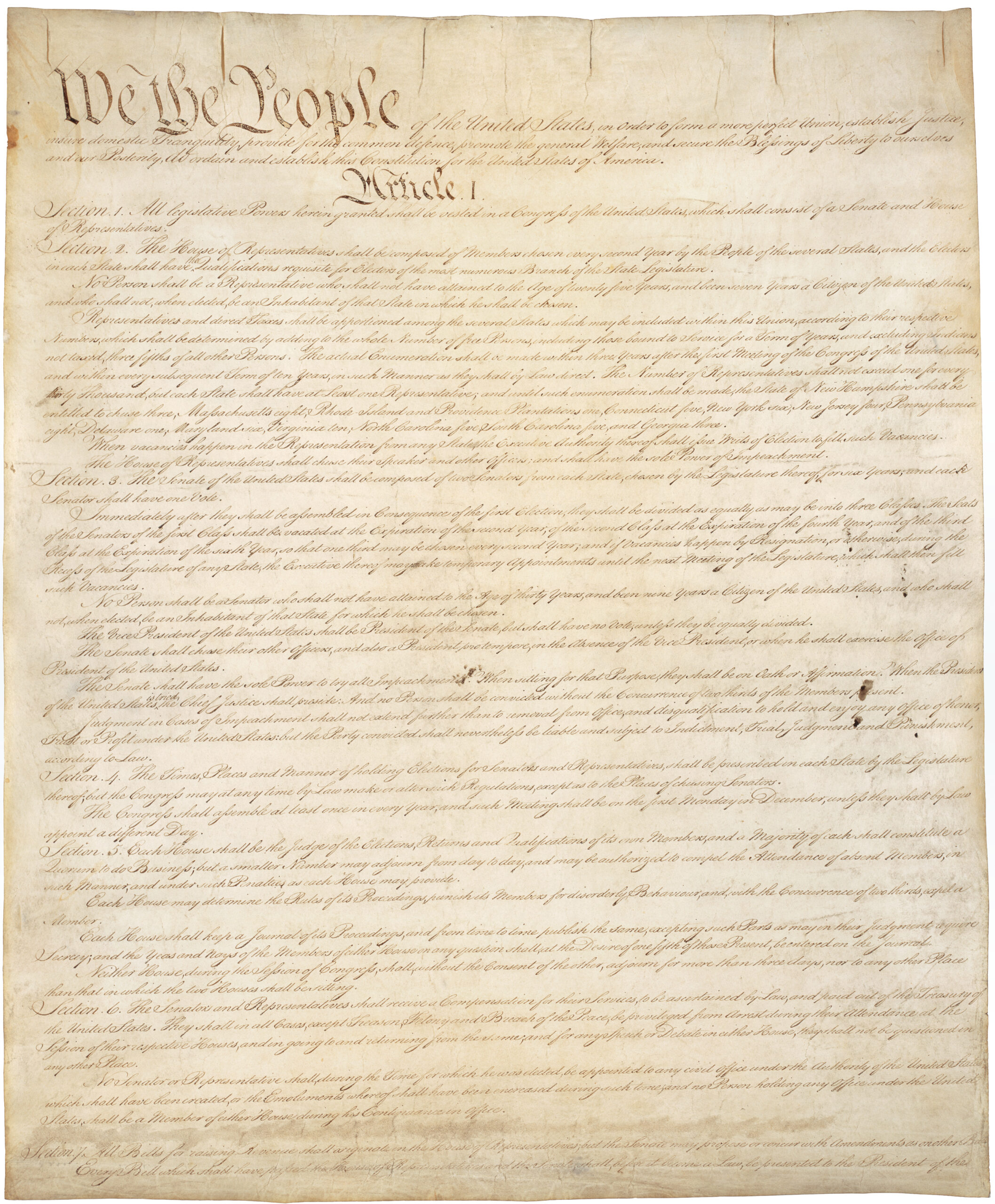
When delegates met in Philadelphia in May 1787, they were officially called to revise the Articles. By mid-June, they had moved toward a more ambitious redesign. The Constitution they produced did not simply make Congress stronger. It changed the structure of national government.
The new plan created three branches: a legislature, an executive, and a judiciary. Congress gained power to tax, regulate interstate and foreign commerce, raise and support armies, and pass laws needed to carry out its responsibilities. The president would execute national law. Federal courts would help settle disputes under the Constitution, federal laws, and treaties. The government would act more directly on people, not only through state governments.
Representation also changed. The House of Representatives would reflect population, while the Senate would give each state equal representation. This compromise did not erase state power. It balanced state equality with popular representation in a way the Articles had not. The Constitution also created a more workable amendment process: difficult enough to protect stability, but not dependent on every single state agreeing.
Why the Articles still matter
It is easy to treat the Articles of Confederation as a failed rough draft, but that misses their historical value. They held the states together at a fragile moment. They helped guide the country through the end of the Revolutionary War and the first years of independence. They also showed, through experience, which powers a national government would need if the union was going to last.
The Articles teach a larger civic lesson: designing a government is not only about choosing ideals. It is also about matching powers to responsibilities. A government asked to defend a nation, pay debts, regulate shared commerce, and negotiate with foreign powers needs tools equal to those tasks. If it lacks them, ordinary disagreements can turn into structural crises.
The Constitution did not end debate over federal power. In many ways, it began a new and lasting argument over how much authority should belong to the national government and how much should remain with the states. That argument is part of American federalism. The Articles of Confederation matter because they show why the question became so urgent in the first place.
Seen this way, the move from the Articles to the Constitution was not just a switch from weak government to strong government. It was a hard lesson in balance. The Revolutionary generation wanted freedom from tyranny, but it also discovered that independence required more than shared victory. It required a union capable of making decisions, keeping promises, resolving conflicts, and surviving pressure. The Articles made that need visible, and the Constitution was the answer Americans debated into being.