 Akshay Dinesh
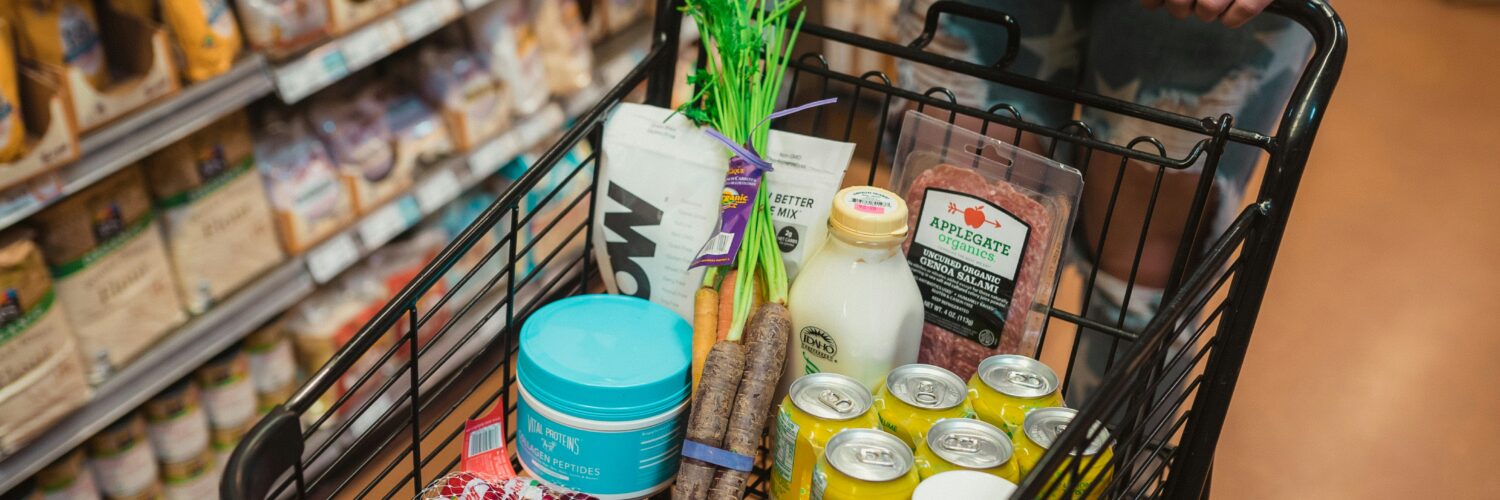
A monthly inflation report can sound precise: prices rose by a certain percent, core inflation moved by another amount, and one category pushed the number higher or lower. Then a person walks into a grocery store, fills a cart with the same staples as last month, and feels as if the official number is describing a different economy. That gap is not simply imagination. It comes from the difference between a national price measure and the specific mix of bills, habits, places, and timing that shapes one household’s budget.
The Consumer Price Index, often called the CPI, is one of the main ways the United States tracks inflation. The Bureau of Labor Statistics collects prices for a large basket of goods and services, from food and rent to medical care, transportation, clothing, and energy. The result is a broad measure of how prices change over time for urban consumers. It is useful, but it is not the same thing as a personal receipt, a family budget, or the feeling of watching several familiar prices rise at once.
Inflation Measures the Rate of Change, Not the Whole Price Tag
The first confusion is the simplest one: inflation is about how fast prices are rising, not whether prices are already high. If a cereal box rises from $4.00 to $4.40 in one year, the price has increased by 10 percent. If it rises from $4.40 to $4.49 the next year, inflation has slowed sharply, but the cereal is still more expensive than it used to be. A lower inflation rate usually means prices are rising more slowly. It does not usually mean prices are falling.
That difference matters because people remember price levels, not just rates. A family may adjust to a higher grocery bill only after months of rearranging the budget. When inflation cools, the monthly increase may become less dramatic, but the earlier price increases remain built into the shelf price. For prices to move back down broadly, the economy would need deflation, which is a general decline in prices. Deflation can sound appealing at first, but economists watch it carefully because it can also signal weak demand, falling wages, and delayed spending.
The Federal Reserve’s public inflation explanations make the same basic distinction: inflation is a general increase in prices over time, not a jump in one product. That is why a single expensive grocery run does not prove inflation is rising, and a calmer inflation report does not prove every household feels relief. The official number and the personal experience are measuring related but different things.
The CPI Basket Is Broad, While Household Budgets Are Personal
The CPI works by tracking a basket of goods and services meant to represent spending across many consumers. That basket is weighted, which means categories that take up more of typical household spending count more in the index. Housing has a large weight. Food, transportation, medical care, energy, education, apparel, and recreation all play roles too. The index is built for a national picture, not for one person’s exact life.
A teenager living at home may notice restaurant prices, school supplies, gasoline, and streaming subscriptions. A parent may notice groceries, insurance, rent or mortgage payments, child care, and electricity. A retired person may notice prescriptions, medical visits, property taxes, and heating costs. All three can live through the same inflation report and feel it differently because their personal baskets are not the same as the CPI basket.
Location also changes the experience. Rent, transportation, utilities, and grocery prices can vary widely from one region to another. The Bureau of Labor Statistics publishes regional and metropolitan CPI data for some areas, but even those are averages. A family that drives long distances will feel fuel changes more than a family that uses public transit. A household with a fixed mortgage may feel shelter costs differently from a renter signing a new lease. The national number is a map of the terrain, not the ground under every person’s feet.
Visible Prices Can Shape Perception More Than Hidden Ones
Some prices are emotionally louder than others because people see them often. Groceries, gasoline, coffee, fast food, and household basics are repeated purchases. A small increase appears again and again, sometimes several times a week. That repetition makes the increase memorable. A change in the cost of a rarely purchased appliance may matter in the CPI, but it may not shape daily perception unless a household happens to buy one.
There is also a difference between prices people can postpone and prices they cannot easily avoid. When the price of a vacation rises, a family may delay the trip. When rent, food, electricity, bus fare, or school lunch costs rise, the household must absorb the change quickly. Necessary expenses make inflation feel tighter because they leave less room for adjustment. The same percentage increase can feel mild in a flexible category and painful in a required one.
Food is a good example. In the May 2026 CPI release, the Bureau of Labor Statistics reported that the all-items index rose 4.2 percent over the previous 12 months, while the food index rose 3.1 percent and the energy index rose 23.5 percent. Those figures describe broad categories. A person may not buy the exact same mix of food and energy reflected in the index. If the items they buy most often rose faster, their daily experience can feel worse than the headline number. If their common purchases rose less, the report may sound more alarming than their own budget feels.
Core Inflation Leaves Out Food and Energy for a Reason
Inflation reports often separate headline inflation from core inflation. Headline inflation includes all items. Core inflation usually leaves out food and energy because those categories can swing quickly due to weather, fuel markets, harvests, wars, refinery problems, or supply disruptions. Economists use core inflation to look for the slower-moving trend underneath the noisy parts of the data.
That does not mean food and energy are unimportant. They are among the most important prices in everyday life. The point is different: a sudden jump in gasoline may make one month’s headline inflation look worse, while core inflation may show that most other categories are changing more slowly. The reverse can also happen. Headline inflation can look calmer if fuel prices fall, even while rent, services, or insurance continue to rise.
This is why two true statements can sit side by side. A policy analyst may say core inflation is useful for seeing the underlying trend. A household may say food and gas are exactly what make the budget feel strained. Neither statement cancels the other. They answer different questions. Core inflation asks what the longer trend may be. A grocery bill asks what a person has to pay today.
Why Wages, Memories, and Substitution Matter
Inflation feels different depending on whether income keeps up. If prices rise 4 percent and a worker’s pay rises 5 percent, purchasing power may improve, even though prices are higher. If prices rise 4 percent and income rises 1 percent, the household loses ground. That is why inflation is not only about prices. It is also about wages, savings, benefits, debt payments, and how much flexibility a budget had before prices changed.
Memory plays a role too. People often compare today’s prices with a familiar earlier period, such as before a move, before a pandemic, or before a major family change. Economists usually compare prices with a specific month or year. A shopper may compare a gallon of milk with what it cost several years ago. Both comparisons can be meaningful, but they can produce different emotional reactions. A price that rose quickly in the past and then stabilized may still feel expensive because the older reference point is still in memory.
Households also substitute. If beef becomes expensive, a family may buy chicken more often. If a favorite snack rises sharply, a shopper may switch brands. The CPI tries to account for changing consumer behavior, but a personal budget can change faster and more unevenly. Substitution can reduce the damage from rising prices, yet it can also feel like a loss. Paying less by giving up a preferred item is not the same as feeling unaffected.

How to Read Inflation News Without Getting Misled
A useful way to read inflation news is to ask which question the number answers. The monthly change shows what happened from one month to the next. The 12-month change compares prices with a year earlier. Core inflation tries to reveal the underlying trend. Category data shows which parts of the basket moved most. None of these numbers is a complete household budget, but together they explain more than the headline alone.
It also helps to separate three ideas: individual prices, the overall price level, and the inflation rate. An individual price is the cost of one item, such as eggs or gasoline. The price level is the broader cost of many goods and services together. The inflation rate is how quickly that broader level is changing. A person can be right that prices feel high, even during a period when the inflation rate has slowed.
The strongest use of inflation data is not to argue people out of their lived experience. It is to give that experience a wider frame. A grocery bill shows where pressure is landing in one household. The CPI shows whether that pressure is part of a broader national pattern. When both are read carefully, the numbers become less mysterious: inflation reports describe the economy from above, while everyday bills show how the same economy reaches the kitchen table.