
 Rishay Dinesh
Earth’s Hidden Heat Beneath the Surface
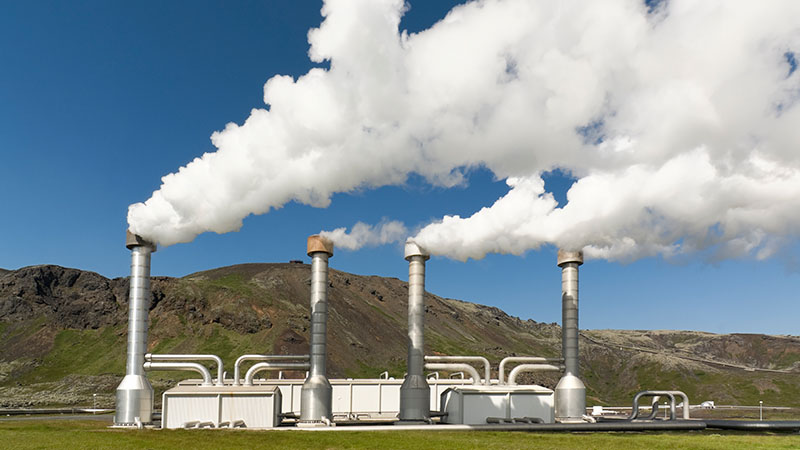
Geothermal energy begins with heat stored beneath Earth’s crust, and that heat forms one of the most stable energy sources available today. Magma deep underground releases enormous warmth that spreads through rock layers, soil, and trapped water. Many people never realize how much heat travels through the crust at all times. Energy researchers spend years studying these thermal flows because the patterns help identify places where geothermal development makes sense. Countries located on tectonic boundaries experience faster heat movement because magma rests near the surface in those regions. Iceland uses this advantage and generates huge portions of its energy from geothermal wells. This steady supply allows communities to avoid dependence on imported fuels. The natural reliability of underground heat makes geothermal power extremely appealing for future energy grids. Engineers view this heat as an endless resource because Earth continuously produces it through geological processes that never stop.
Why Earth Produces Continuous Internal Heat
Earth generates heat in several ways, and each mechanism contributes to a massive thermal reservoir stored within the mantle. Radioactive minerals buried deep inside the planet release energy as they decay. Pressure also builds between dense rock layers, and that pressure produces additional heat. Convection currents inside the mantle move hot material upward and push cooler material downward. These cycles have occurred for billions of years without interruption. Geologists track these processes using seismic maps and heat-flow measurements across continents. Areas with volcanic or tectonic activity usually contain shallow hot rock formations, and that heat transfers to pockets of groundwater. Drillers target those reservoirs to capture either steam or extremely hot water. Engineers select drilling depth based on rock temperature and desired power output. Some wells reach depths where temperatures exceed 300°C, and that heat creates powerful steam pressure. These geothermal reservoirs remain active for centuries if managed correctly, which gives energy planners long-term confidence in the resource.
How Geothermal Plants Convert Heat Into Power
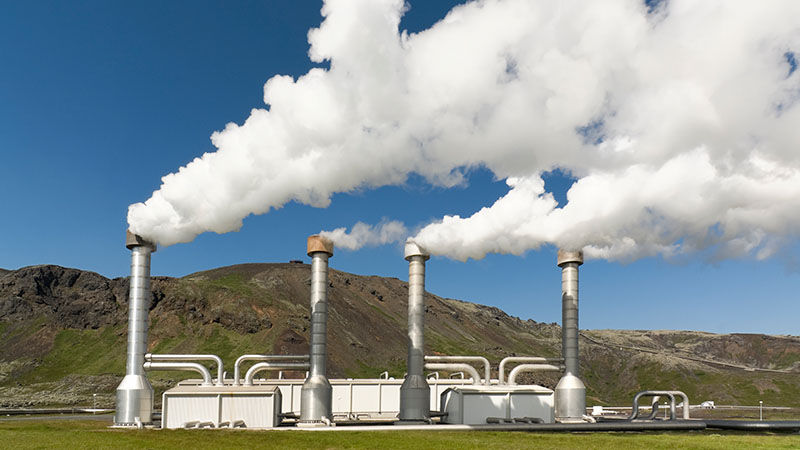
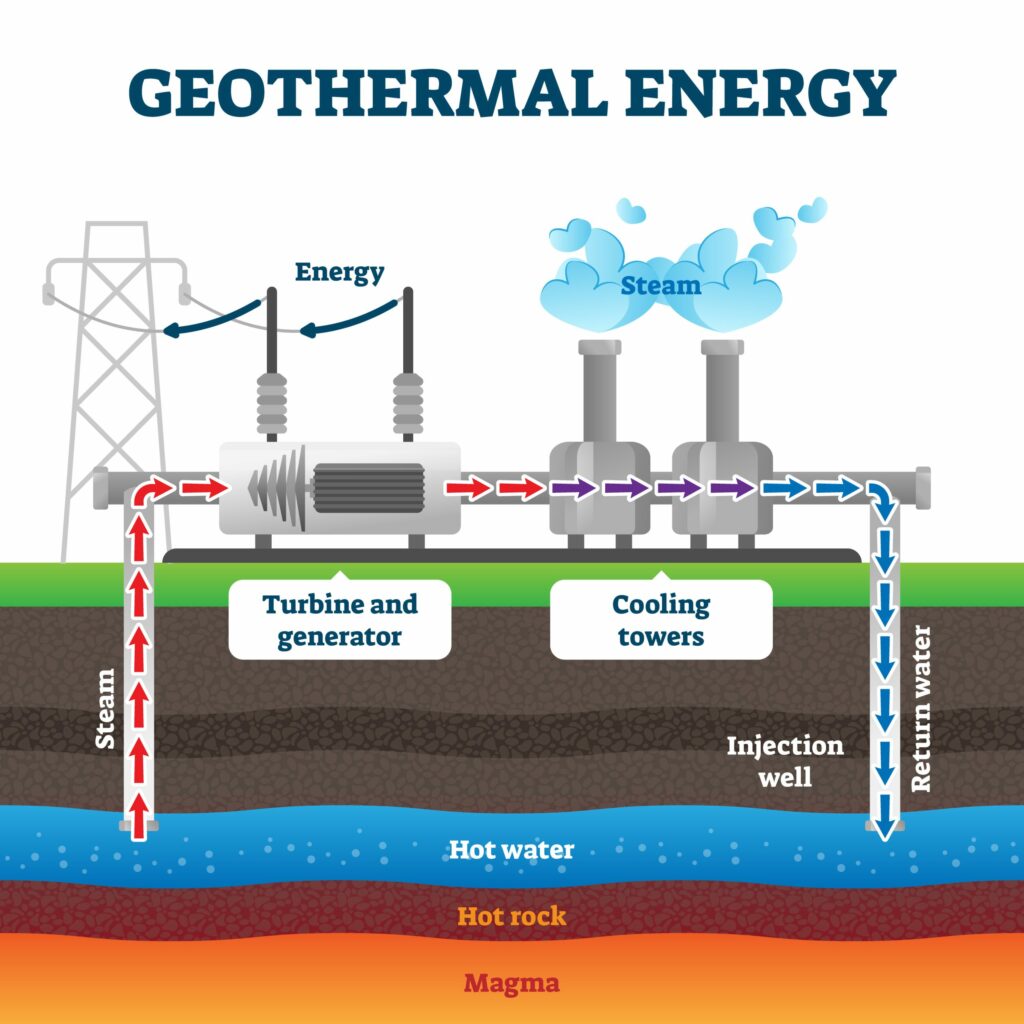
Geothermal plants transform Earth’s heat into electricity through systems that rely on steam-driven turbines. Dry steam plants represent the simplest version because steam flows directly from underground reservoirs into the turbine. Flash steam plants handle water heated under extreme pressure, and that water instantly flashes into steam when released to surface conditions. Binary cycle plants take a different approach by transferring geothermal heat to a separate working fluid that boils at a lower temperature. That vapor spins the turbine and allows geothermal production in areas with moderate temperatures. Engineers choose plant design based on resource type and geological conditions. Power plants include separators that remove moisture to protect the turbines from erosion. Reinjection wells return cooled water back underground to maintain reservoir pressure. This reinjection step preserves the system for decades and protects long-term sustainability. Operators monitor flow rates continuously to ensure the reservoir stays balanced.
Direct Heating Systems and Real-World Uses
Geothermal energy supports far more than electricity generation because hot water offers tremendous heating value. Many communities heat entire districts using geothermal pipes that deliver warm water into buildings. This system removes the need to burn fossil fuels for heat. Greenhouse operators take advantage of geothermal systems to grow vegetables in harsh climates. Warm water keeps soil and air temperatures consistent during winter, which extends growing seasons. Fish farms rely on geothermal heat to maintain ideal water temperatures for species that cannot tolerate cold environments. Food processors use geothermal heat for drying fruit, pasteurizing milk, or curing meats. These direct-use applications offer high efficiency because they avoid the energy conversions required in electricity production. Engineers design pipelines with insulation that minimizes heat loss, and that design ensures consistent performance even during freezing conditions. Communities that adopt geothermal district heating reduce emissions dramatically and benefit from stable winter energy costs.
Enhanced Geothermal Systems Create New Opportunities
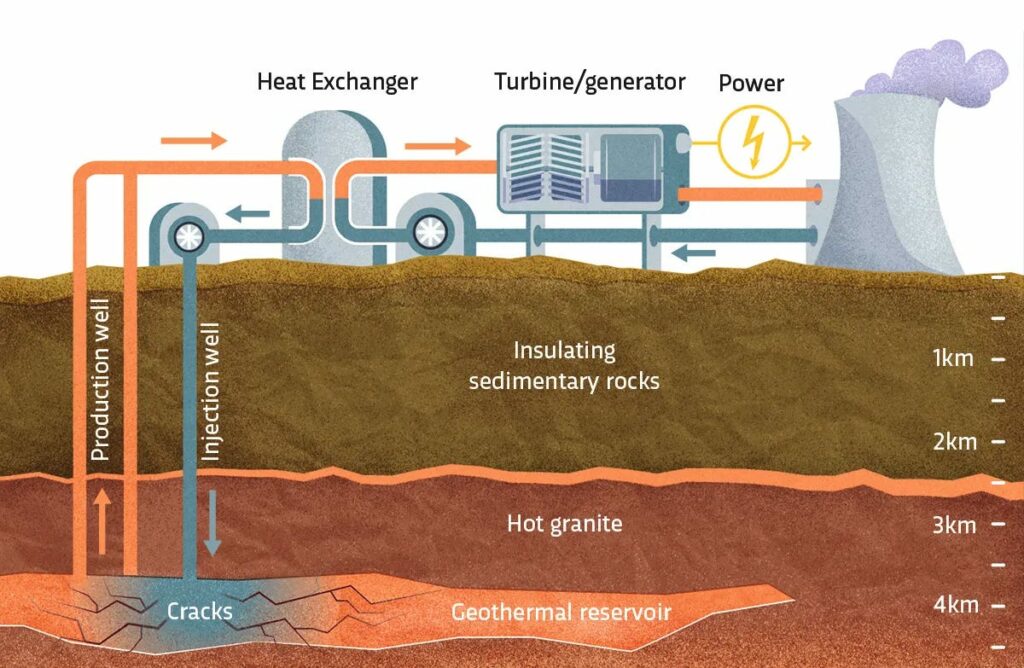
Enhanced geothermal systems, or EGS, aim to unlock geothermal potential in areas without naturally permeable rock. Engineers drill deep wells into hot rock layers and inject high-pressure fluid to create small pathways. These fractures allow water to circulate through the heated rock before rising through a production well. EGS technology borrows methods from the oil and gas industry but uses them to capture heat instead of fossil fuels. Sensors map the fractures in real time, allowing engineers to manage flow and pressure with remarkable precision. Regions once thought unsuitable for geothermal development become viable with EGS. Many countries fund EGS research because successful deployment would expand geothermal access across the globe. Test sites demonstrate strong potential, and each successful project brings geothermal energy closer to mainstream adoption. Engineers still face challenges associated with controlling fractures, managing reservoir pressure, and optimizing water circulation. However, advancements continue pushing the technology toward commercial readiness.
Environmental Benefits That Stand Out
Geothermal energy offers major environmental advantages when compared to fossil fuels. Most geothermal plants release extremely low greenhouse gases because they rely on Earth’s heat rather than combustion. Any gases that emerge with steam often get captured and re-injected into the reservoir. The physical footprint of geothermal plants remains small compared to solar fields or wind farms. Many facilities sit in isolated volcanic regions where infrastructure already exists. The quiet nature of geothermal plants also appeals to nearby communities because turbines operate inside insulated buildings. Geothermal systems do not require mining, transportation, or storage of fuel. Direct-use systems reduce pollution in densely populated cities by replacing coal or gas boilers. Some geothermal operations practice cascaded use by cycling water through multiple applications before reinjecting it underground. A system might produce electricity first, warm greenhouses second, and support fish tanks last. This approach maximizes the thermal value of each drop of water. Environmental monitoring teams evaluate seismic activity, water chemistry, and pressure changes to ensure responsible use. Long-term studies show geothermal energy creates far fewer environmental disturbances than fossil fuel extraction.
Why Geothermal Development Remains Limited
Geothermal energy offers huge potential, yet development remains slower than many experts expect. High drilling costs represent one of the biggest challenges because deep wells require expensive rigs and skilled labor. Investors hesitate when geological conditions appear uncertain. Test wells add extra financial risk and delay project timelines. Many countries lack strong geothermal policies or incentives, which slows adoption. Developers face long permitting processes involving environmental reviews, land-use agreements, and geological surveys. Communities sometimes misunderstand geothermal technology and express concerns about drilling activity. Better communication and public education usually solve these issues. Regions without volcanoes often assume geothermal does not work there, even though EGS can unlock heat almost anywhere. Countries that created clear policies for geothermal development show rapid progress, which demonstrates that supportive frameworks significantly impact growth.
How Geothermal Strengthens Energy Security
Energy planners search for reliable renewable sources that stabilize power grids, and geothermal fits this role well. Solar panels generate electricity during daylight, and wind turbines depend on unpredictable wind patterns. Hydropower relies on rainfall and reservoir levels. Geothermal plants operate continuously because Earth’s heat does not fluctuate daily. Grid operators value this consistent output because it reduces the need for backup fossil-fuel plants during low-wind or low-sun periods. Industrial facilities benefit from geothermal heat since many processes require stable temperatures. Data centers, factories, and food processors use geothermal heating to maintain efficient operations. District heating systems powered by geothermal wells protect communities from volatile natural gas prices. Countries with limited energy resources explore geothermal to strengthen energy independence. Technological improvements continue lowering drilling costs, and successful EGS development could allow geothermal power in regions once considered impossible. Many researchers believe geothermal energy could anchor future clean-energy grids.
Innovations Transforming Geothermal Technology
Geothermal research evolves quickly as engineers introduce tools that improve drilling accuracy, increase efficiency, and expand access. Fiber-optic sensors measure temperature and pressure along wellbores with exceptional precision. New drill bits withstand extreme heat and cut through hard rock with reduced wear. High-resolution seismic imaging provides detailed maps of underground fractures. Artificial intelligence systems analyze well performance and automatically optimize flow patterns. Material scientists develop corrosion-resistant alloys that extend the lifespan of geothermal pipelines and power plant components. Universities collaborate with national labs to test deep super-hot geothermal wells where temperatures exceed conventional limits. These extreme environments could produce electricity far more efficiently if equipment withstands the heat. International research networks share data to speed up technological progress. Each new development pushes geothermal energy closer to becoming a mainstream global resource.
The Future of Geothermal in a Warming World
Geothermal energy grows more important each year as nations search for dependable renewable energy options. Climate change increases demand for technologies that operate continuously without relying on weather. Geothermal plants deliver round-the-clock power and offer unmatched stability. Direct-use systems replace fossil fuel heating in cities and help reduce carbon emissions. EGS expansion unlocks geothermal potential in regions far beyond volcanic zones. Super-hot geothermal studies explore conditions that could redefine energy efficiency. Many experts believe geothermal could serve as a major backbone for future clean-energy grids. The world stands at a moment where steady, ancient heat beneath our feet can reshape global energy strategies. Continued investment and public support will determine how geothermal energy


 Akshay Dinesh



Add comment