
 Rishay Dinesh
Introduction
Climate change is one of the most important challenges of our time. Scientists have studied it for decades, and the evidence is clear. Temperatures are rising, ice sheets are melting, and extreme weather events are becoming more common. These changes affect not only the environment but also economies, health, and even global security. Understanding the science behind climate change helps us see why action is urgent and how we can prepare for the future.
What Is Climate Change?
Climate change refers to long-term shifts in temperature, weather patterns, and atmospheric conditions. It does not mean that every day will be hotter than the one before. Instead, it means the planet’s climate system is warming on average, with ripple effects across the globe. Scientists track this through global temperatures, ocean heat levels, and carbon dioxide concentrations.
The Earth’s climate has changed in the past, but today’s pace is much faster. In the last century, human activities have driven most of the change. Burning fossil fuels like coal, oil, and gas adds greenhouse gases into the atmosphere. These gases trap heat that would normally escape into space. The result is a warming planet.
The Greenhouse Effect Explained
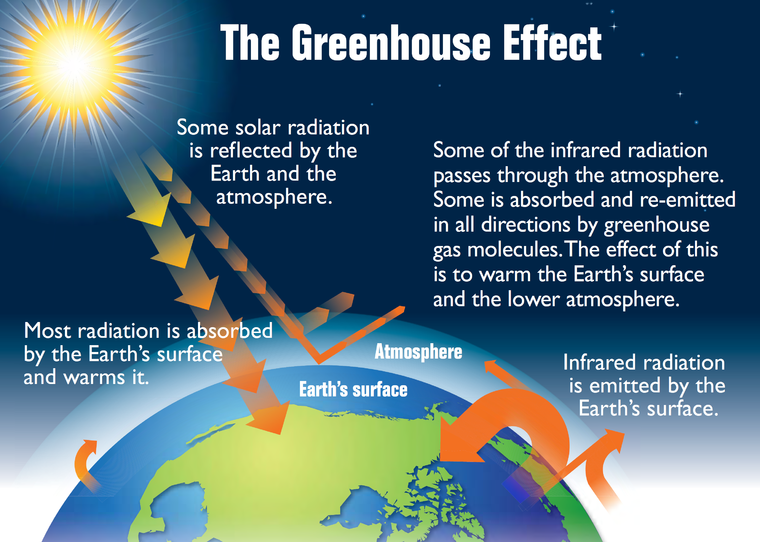
The greenhouse effect is the central process behind climate change. Sunlight reaches Earth and warms the surface. Some of that heat radiates back toward space. Greenhouse gases, such as carbon dioxide, methane, and nitrous oxide, absorb part of this heat and send it back down. Without these gases, Earth would be too cold to support life. With too much of them, the balance breaks.
Since the Industrial Revolution, carbon dioxide levels have soared from about 280 parts per million to over 420 today. That increase may sound small, but it has tipped the energy balance of the planet. More heat stays trapped, and the system responds with warming, melting ice, rising seas, and shifting weather patterns.
Evidence of Climate Change Today
You can see signs of climate change almost everywhere. Average global temperatures have increased by more than 1°C since the late 1800s. That may sound minor, but even small shifts disrupt ecosystems and weather. Heat waves now last longer and hit harder. Wildfires burn larger areas, and droughts dry out regions once known for fertile farmland.
In the Arctic, sea ice has shrunk at a dramatic rate. Glaciers retreat each year, and Greenland’s ice sheet loses billions of tons of ice annually. Oceans also absorb extra heat, which leads to stronger storms and bleaches coral reefs. Rising seas threaten coastal cities, putting millions of people at risk.
The Human Role
Human activity drives the current changes. Factories, power plants, and cars release massive amounts of greenhouse gases. Agriculture adds methane from livestock and nitrous oxide from fertilizers. Deforestation worsens the problem because trees that absorb carbon dioxide are cut down. Together, these actions load the atmosphere with heat-trapping gases.
Some people argue that climate has always changed, which is true. However, the rate today far outpaces natural cycles. Ice core data, tree rings, and sediment records confirm that current warming is unique. Natural causes like volcanic eruptions or changes in the sun’s output cannot explain the sharp rise since the 20th century. The scientific consensus is overwhelming: humans are the main driver.
Effects on Ecosystems
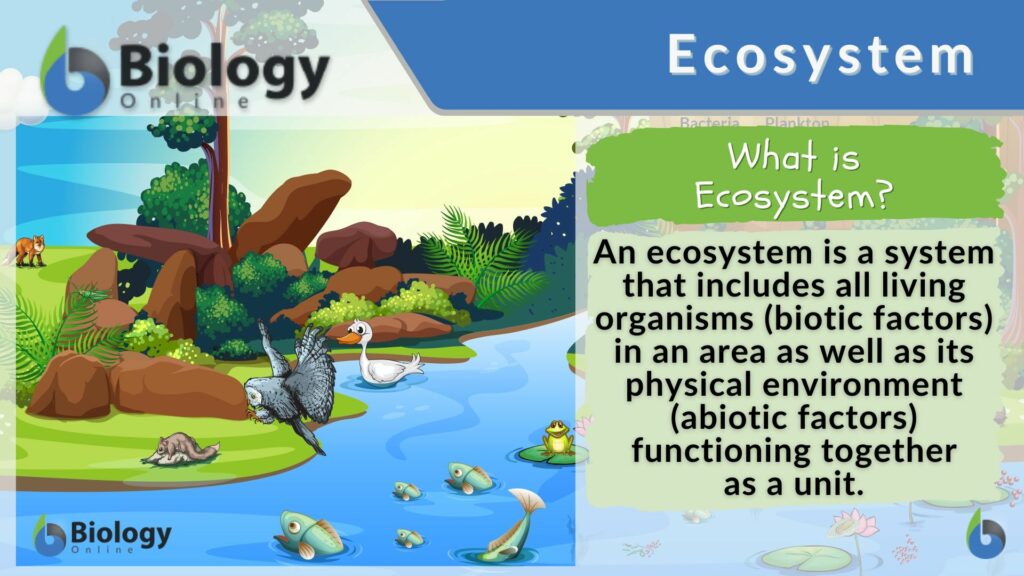
Climate change disrupts ecosystems across the planet. Animals migrate to new areas as their habitats shift. Polar bears struggle to find sea ice for hunting. Birds alter migration patterns, and insects expand into regions where they were once absent. These changes ripple through food chains, stressing entire ecosystems.
Plants also respond to climate stress. Crops may fail under extreme drought or heat. Forests face pests and fires that grow more destructive each year. Loss of biodiversity weakens the natural systems that support human life, from clean water to pollination.
Effects on People
Climate change is not just an environmental issue. It affects health, safety, and daily life. Heat waves can kill vulnerable populations. Storms destroy homes and infrastructure. Floods wash away farmland, and droughts reduce food supplies.
Economic damage also grows each year. Repairing infrastructure after disasters costs billions. Farmers lose crops, and energy systems face strain from extreme heat. Insurance companies raise rates as risks rise. Developing countries suffer the most, even though they contribute the least to the problem.
Climate Change and Global Security
Rising temperatures also create security risks. Scarce water and food can fuel conflict. Populations may be forced to migrate, leading to tension between regions. Military planners already consider climate change a “threat multiplier.” It worsens existing problems and makes crises harder to manage.
Possible Solutions
The problem is serious, but solutions exist. Reducing greenhouse gas emissions is the most urgent step. Switching from coal and oil to renewable energy like solar and wind cuts pollution. Electric vehicles can replace gasoline cars. Energy efficiency in buildings lowers demand.
Forests also play a key role. Protecting and restoring forests helps absorb carbon dioxide. Sustainable farming methods reduce emissions from agriculture. On the individual level, people can conserve energy, waste less food, and support clean energy policies.
Technology offers hope as well. Carbon capture methods aim to pull carbon dioxide directly from the air. Advances in battery storage make renewable power more reliable. Even small changes, when scaled across nations, can create major impacts.
The Role of Education
Education is critical for addressing climate change. Students who learn the science behind the problem grow into informed citizens and leaders. Schools can integrate lessons on energy, ecosystems, and sustainability into everyday classes. Public awareness campaigns also encourage responsible choices.
The Future Outlook
The future depends on the choices we make today. If emissions continue at the current rate, global temperatures may rise by 2 to 3°C by the end of the century. That path would bring devastating consequences: mass extinctions, flooded cities, and food crises.
If societies act quickly, the outcome could look very different. Limiting warming to under 1.5°C would still involve challenges, but it would prevent the worst effects. Scientists stress that every fraction of a degree matters. Reducing emissions sooner rather than later buys time and saves lives.
Conclusion
Climate change is a scientific reality backed by decades of research. The evidence appears in rising temperatures, melting ice, and stronger storms. Human activity drives most of the change, but human action can also slow it. Solutions include clean energy, reforestation, sustainable farming, and smarter technology.
The future is not fixed. Each choice shapes what comes next. By understanding the science and acting with urgency, we can protect ecosystems, secure economies, and leave a healthier planet for the next generation.


 Akshay Dinesh


Add comment