
 Rishay Dinesh
Introduction
Energy powers almost everything we do, from turning on lights to driving cars to running factories. People rely on different sources of energy, and understanding the differences between renewable and nonrenewable energy is crucial. Renewable energy comes from natural sources that replenish quickly, while nonrenewable energy comes from finite resources that can run out. Choosing the right type of energy affects the environment, the economy, and the future of our planet. High school students benefit from learning about these energy types because it helps them understand climate change, sustainability, and how humans interact with the Earth.

What Is Renewable Energy?
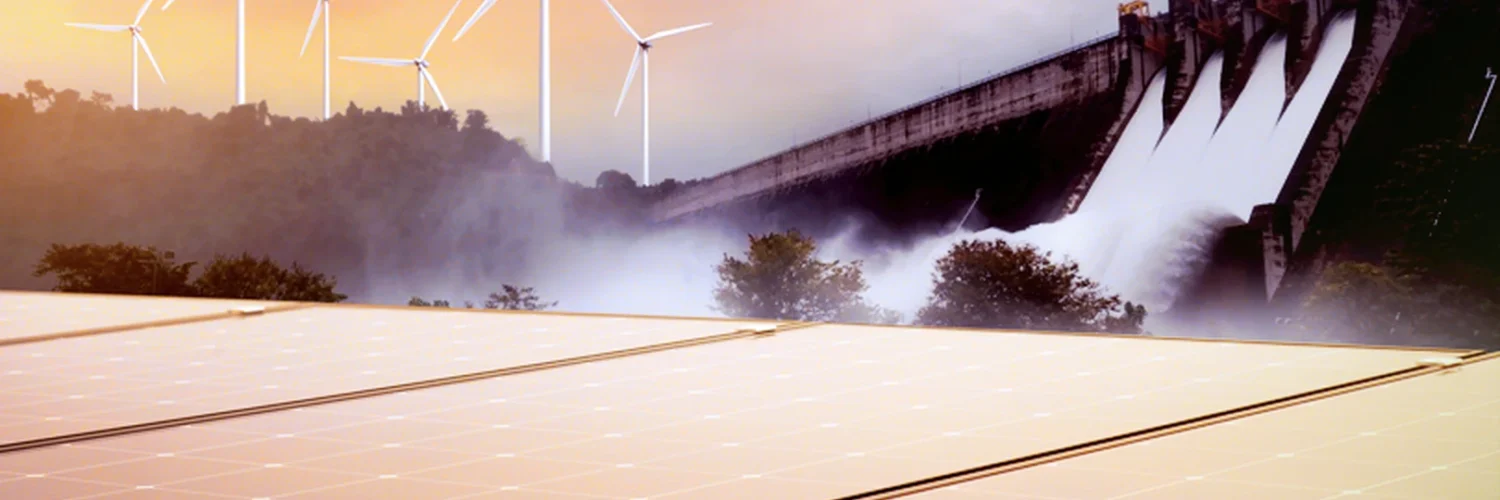
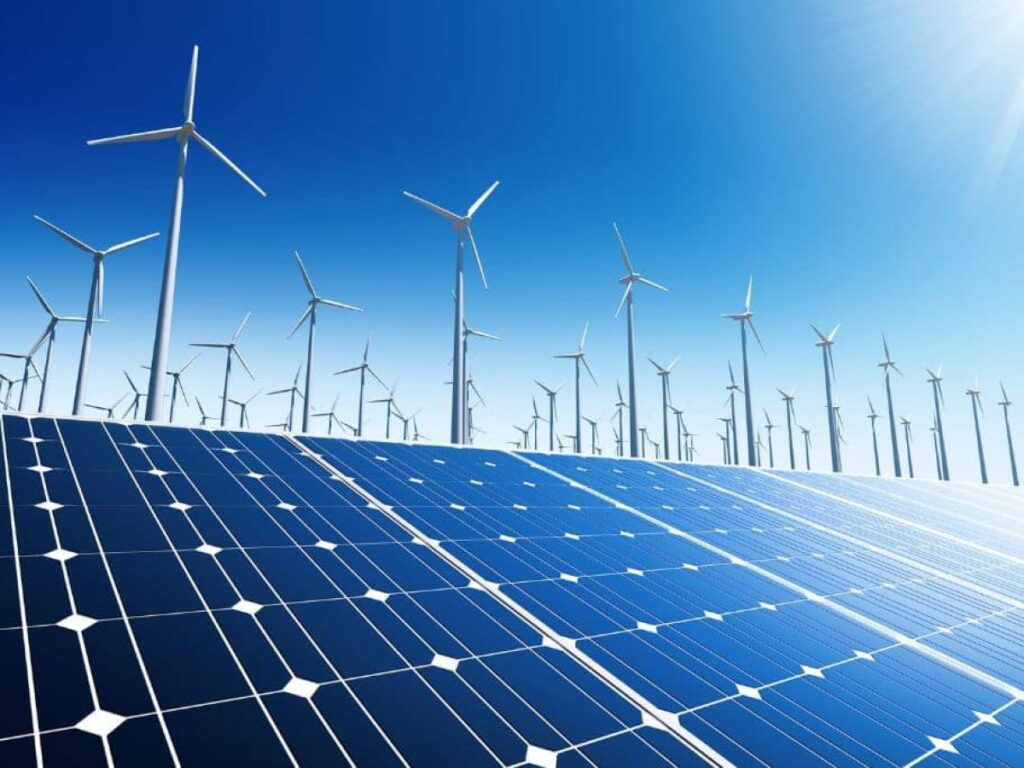
Renewable energy comes from sources that naturally renew themselves over a short period of time. Sunlight, wind, water, and even heat from inside the Earth provide energy continuously. Solar panels capture sunlight and convert it into electricity. Wind turbines spin when wind blows, producing power. Rivers and dams can generate hydroelectric energy. Geothermal energy taps heat stored beneath the Earth’s surface. The main advantage of renewable energy is that it does not run out on a human timescale. Using these sources also reduces pollution, which makes the air cleaner and slows down climate change.
Types of Renewable Energy
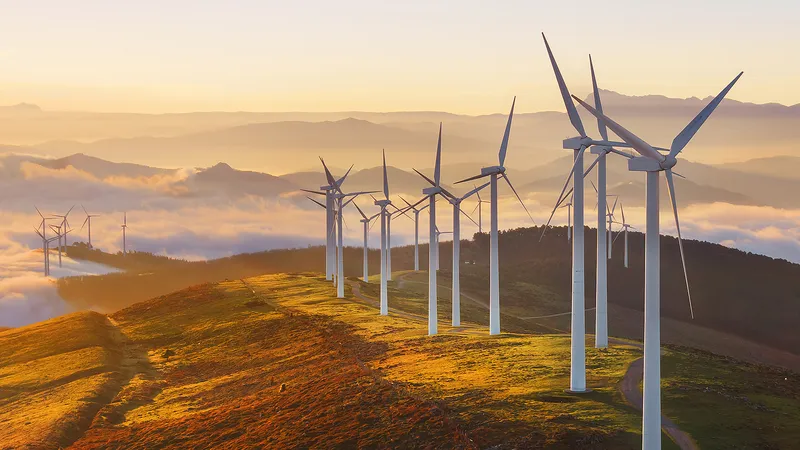
There are several common types of renewable energy, each with unique benefits. Solar energy is widely used because the sun provides enormous power every day. People can install solar panels on rooftops or in large solar farms. Wind energy uses turbines to turn moving air into electricity, and it works well in open plains and coastal areas. Hydroelectric energy comes from flowing water and has powered civilizations for centuries. Biomass energy comes from burning plant material, such as wood or crop waste. Geothermal energy uses heat from the Earth’s interior to generate electricity and heat buildings. All of these sources share one key trait: they can be replaced naturally, so they last indefinitely if managed properly.
What Is Nonrenewable Energy?
Nonrenewable energy comes from resources that take millions of years to form and cannot be replaced within a human lifetime. Fossil fuels like coal, oil, and natural gas are the most common examples. People extract these resources from underground, burn them to produce heat, and then convert that heat into electricity. Nuclear energy, which uses uranium, is also considered nonrenewable because uranium supplies are limited. The problem with nonrenewable energy is that it can run out. As humans consume more energy, reserves shrink, and extraction becomes harder and more expensive.
Types of Nonrenewable Energy
Coal has powered industries for centuries and is still used in many parts of the world. It burns to create heat, which produces steam to spin turbines. Oil, also called petroleum, fuels cars, planes, and ships, and its byproducts make plastics and chemicals. Natural gas burns cleaner than coal or oil but still emits carbon dioxide. Nuclear energy produces electricity through splitting atoms in a process called fission. Nuclear plants generate huge amounts of power without burning fossil fuels, but the fuel supply is limited and radioactive waste is dangerous. All nonrenewable sources have environmental and economic challenges.
Environmental Impacts of Energy Choices
Renewable and nonrenewable energy differ greatly in their environmental impact. Burning fossil fuels releases carbon dioxide and other greenhouse gases that contribute to global warming. Coal mining and oil drilling can damage ecosystems, pollute water, and harm wildlife. Nuclear power does not produce greenhouse gases, but storing radioactive waste is risky for thousands of years. Renewable energy sources produce much less pollution. Solar and wind farms do take space and can affect animals, but their overall environmental cost is far lower. Choosing cleaner energy helps protect the planet and reduce climate-related disasters.
Economic Factors
The cost of energy affects decisions worldwide. Nonrenewable energy has been historically cheap because technology and infrastructure have existed for decades. However, as reserves decline, prices rise. Renewable energy technology costs have dropped significantly in recent years. Solar panels and wind turbines are now more affordable, and maintenance costs are low. Countries that invest in renewable energy can reduce dependence on imports, create jobs, and support local economies. In the long term, renewable energy can save money by avoiding environmental damage and limiting climate change impacts.
Energy and Climate Change
Climate change is directly linked to the use of nonrenewable energy. Carbon dioxide and methane from burning fossil fuels trap heat in the atmosphere, warming the planet. Rising temperatures cause stronger storms, flooding, droughts, and wildfires. Switching to renewable energy helps reduce greenhouse gas emissions. For example, using solar or wind power does not produce carbon dioxide. Governments, companies, and individuals all play a role in this shift. High school students can take part by learning about energy, conserving electricity, and supporting clean energy policies.
The Future of Energy
The future of energy depends on balance and innovation. Renewable energy technology continues to improve. Batteries and energy storage systems allow solar and wind power to be used even when the sun does not shine or the wind does not blow. Scientists are exploring advanced nuclear reactors, hydrogen fuel, and wave energy as alternatives. Governments are encouraging renewable energy through incentives and regulations. The goal is to meet growing energy needs without harming the environment. Everyone benefits from cleaner, safer, and more sustainable energy.
Energy in Everyday Life
Students encounter energy every day. The electricity that powers phones, computers, and lights comes from both renewable and nonrenewable sources. Cars run on gasoline or electricity from the grid. Heating systems may rely on natural gas, oil, or solar panels. Even small actions, like turning off lights, taking shorter showers, and walking instead of driving, reduce energy use and pollution. Understanding energy sources empowers students to make choices that help the planet while also saving money.
Challenges and Solutions
Transitioning to renewable energy has challenges. Solar and wind power depend on weather, so energy storage is necessary. Some renewable technologies require rare materials or large amounts of land. Fossil fuel industries provide jobs, so shifting away may disrupt communities. Solutions include investing in research, creating new jobs in clean energy, and improving storage technology. Education also plays a role. Teaching students and citizens about energy helps society adopt smarter energy practices and ensures a stable future.
Conclusion
Energy is essential for modern life, and understanding the difference between renewable and nonrenewable sources is crucial. Renewable energy comes from sources that replenish naturally, such as sunlight, wind, water, and geothermal heat. Nonrenewable energy comes from finite resources like coal, oil, natural gas, and uranium. Renewable energy helps reduce pollution, slow climate change, and protect the environment. Nonrenewable energy is widely used but contributes to environmental harm and will eventually run out. By learning about energy and making informed choices, students can contribute to a cleaner, safer, and more sustainable future for everyone.

 Akshay Dinesh



Add comment