
 Rishay Dinesh
Introduction
Learning is one of the most important skills people use every day. From the moment a child begins to speak to the time an adult masters a job skill, the brain works constantly to take in, store, and use new information. The psychology of learning explores how this process happens and why some techniques help people remember better than others. High school students can benefit from understanding these ideas because learning effectively saves time, lowers stress, and improves grades. By looking at how the brain stores memories, how practice strengthens learning, and how habits affect results, anyone can improve the way they study and remember.
What Learning Means
Learning means gaining knowledge or skills through experience, practice, or study. It is more than just memorizing facts. True learning allows a person to apply information in new situations. For example, solving a math problem shows more learning than just remembering a formula. Psychology explains learning as a change in behavior or thought caused by experience. Every time someone learns a new word, rides a bike, or understands a science concept, the brain changes slightly. These small changes build up over time to create memory and skill.
How Memory Works
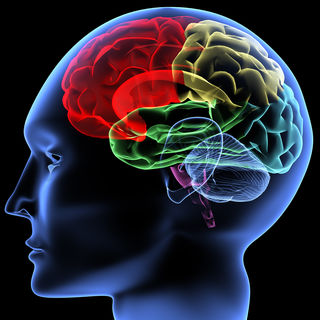
Memory plays the central role in learning. The brain handles memory in three main stages: encoding, storage, and retrieval. Encoding happens when information first enters the brain. For instance, when a student reads a history chapter, the words are encoded as electrical and chemical signals in the brain. Storage keeps that information safe in networks of brain cells. Retrieval happens when the brain brings the information back later, such as during a test. Strong learning depends on all three stages working together. If encoding is weak, storage will also be weak, and retrieval will fail. This is why paying attention during class matters so much—it sets the stage for stronger memory.
Short-Term and Long-Term Memory
Not all memories last the same amount of time. Short-term memory holds information for only a few seconds or minutes. For example, when a person looks up a phone number and remembers it just long enough to dial, short-term memory is working. Long-term memory, on the other hand, stores knowledge for days, months, or even a lifetime. Learning a language, remembering multiplication tables, or recalling important life events all involve long-term memory. Moving information from short-term memory to long-term memory requires practice, repetition, and sometimes strong emotional connections.
Practice Strengthens Memory
Practice is one of the most powerful tools for learning. Repeating information tells the brain that it is important and should be stored. Students often find that reviewing notes several times before a test works better than reading them once. This happens because each review strengthens the connections between brain cells. Psychologists call this process consolidation. When students sleep after studying, the brain continues to consolidate the new information, making it easier to recall later. Skipping practice or trying to cram everything at the last minute does not give the brain enough time to build strong connections.
The Role of Emotions in Learning
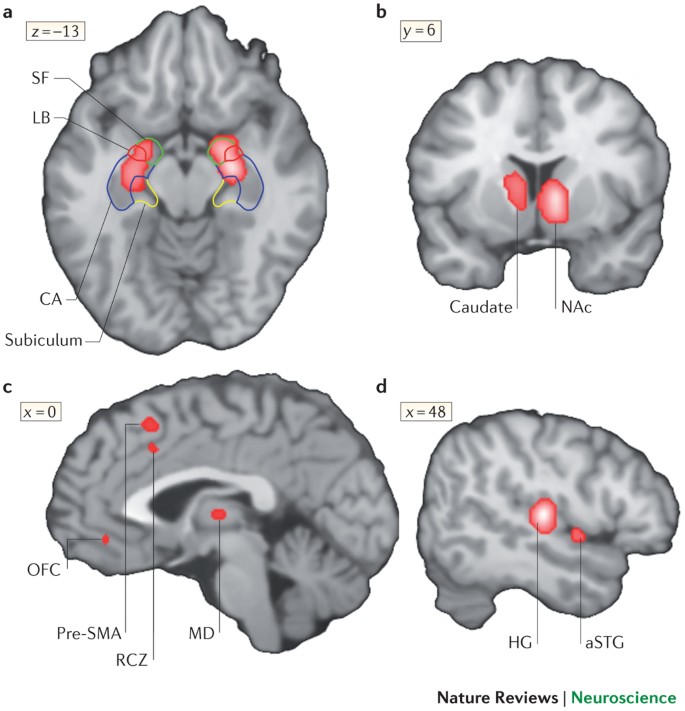
Emotions play a big role in how well people learn and remember. Events that carry strong feelings, such as excitement or fear, often stay in memory for years. For example, many people clearly remember where they were during important events in history because emotions made the memories stronger. In school, positive emotions like curiosity or pride can help students stay motivated and remember lessons. Negative emotions such as stress or anxiety can block learning because the brain focuses more on survival than on absorbing new facts. This shows why creating a supportive classroom environment is important for success.
Learning Styles and Preferences
Different students often prefer different ways of learning. Some enjoy visual methods, like charts and diagrams, while others learn better through listening or hands-on activities. Psychologists debate whether learning styles are fixed or flexible, but most agree that variety helps. Using multiple methods—such as reading, drawing, and practicing aloud—gives the brain more chances to store information. Teachers who present material in several formats can reach more students effectively. Students can also benefit from experimenting with study methods until they find what works best for them.
The Importance of Attention
Attention is the gateway to learning. If the brain does not focus on information, it cannot encode it properly. In today’s world, distractions like phones and social media compete for attention constantly. Multitasking makes learning weaker because the brain can only fully focus on one thing at a time. Students who study in quiet spaces and remove distractions usually learn faster and remember longer. Simple strategies like turning off notifications, setting study timers, and taking short breaks improve attention and boost learning.
Spaced Repetition and Study Habits
One of the best study strategies is spaced repetition. This method involves reviewing material several times with breaks in between, instead of cramming everything in one session. Research shows that spreading out practice strengthens long-term memory. For example, reviewing vocabulary words for ten minutes each day over a week leads to better recall than studying for an hour the night before a quiz. Good study habits also include active recall, where students quiz themselves instead of just rereading notes. These habits make learning stick because they force the brain to work harder during retrieval, which strengthens memory even more.
The Role of Motivation
Motivation drives learning. Students who believe they can succeed usually put in more effort and achieve better results. Psychologists call this belief self-efficacy. Motivation can come from within, such as curiosity or a desire to achieve personal goals, or from outside, such as grades and praise. Both types help, but internal motivation often leads to deeper learning. Teachers and parents can encourage motivation by setting clear goals, giving feedback, and celebrating progress. Students can motivate themselves by tracking their improvement and reminding themselves why learning matters.
How the Brain Changes with Learning
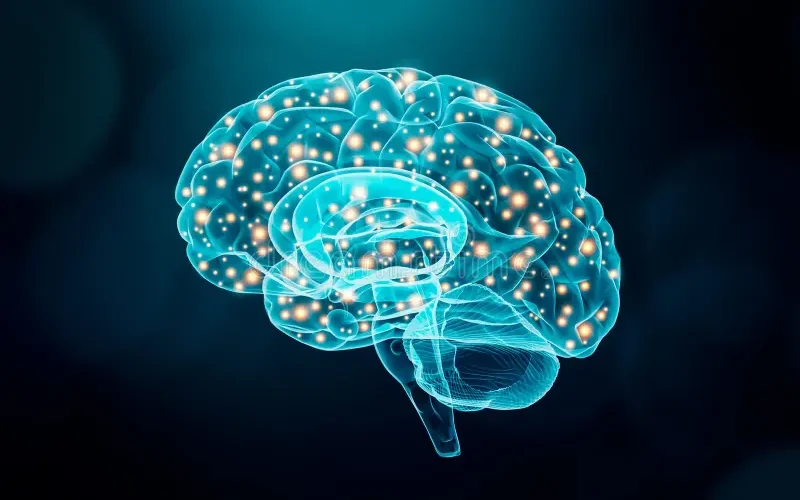
Learning physically changes the brain. Brain cells, called neurons, connect with each other through tiny links known as synapses. Every new piece of knowledge creates or strengthens these connections. Over time, repeated practice builds strong networks, making skills automatic. This process is called neuroplasticity. For example, when someone practices playing the piano daily, the brain grows new connections that make finger movements smoother. High school students benefit from knowing that their brains are not fixed. With effort and practice, they can actually rewire their brains to become better learners.
Challenges to Learning
Not all learning happens easily. Stress, poor sleep, and unhealthy habits can make learning harder. Lack of sleep hurts memory because the brain does much of its consolidation during rest. Poor nutrition also affects brain function, since the brain needs fuel to work properly. Mental health issues like anxiety and depression can block attention and motivation. Recognizing these challenges is important because it shows that learning depends on both the mind and the body. Taking care of health supports better learning outcomes.
Applications in Everyday Life
The psychology of learning is not just for school—it applies to everyday situations. Athletes use practice routines to strengthen muscle memory. Musicians rely on repetition and emotion to improve performance. Workers use memory techniques to master new skills. Even hobbies like playing video games or cooking involve learning and memory. By understanding how the brain remembers, people can approach new challenges more effectively.
Conclusion
The psychology of learning explains how people gain knowledge, store it, and recall it when needed. It shows that memory depends on attention, practice, and emotion. It reveals how study habits like spaced repetition and active recall help students succeed. It also proves that the brain changes with effort, giving everyone the power to improve. For high school students, these lessons are valuable tools. By paying attention, staying motivated, practicing regularly, and caring for their health, they can unlock the full potential of their brains. Learning is not just about school—it is a lifelong process that shapes every part of life.




 Akshay Dinesh

Add comment