 Akshay Dinesh
A piece of music can stay in one key and still borrow a note from somewhere else for a beat, a measure, or a memorable turn of melody. That small change is often handled by an accidental: a sharp, flat, or natural sign placed beside a note. Accidentals are easy to miss when reading quickly, yet they can completely change the sound of a phrase. One symbol can make a melody lean upward, darken a chord, cancel a key signature, or create a bit of tension before the music settles again.
The word accidental can sound as if the symbol happened by mistake, but the opposite is true. In music notation, accidentals are deliberate instructions. They tell the performer that the pitch written on the staff is not the ordinary version expected at that moment. Once a player understands how long an accidental lasts and what it does to the note name, a page of music becomes much less mysterious.
The three signs that do most of the work
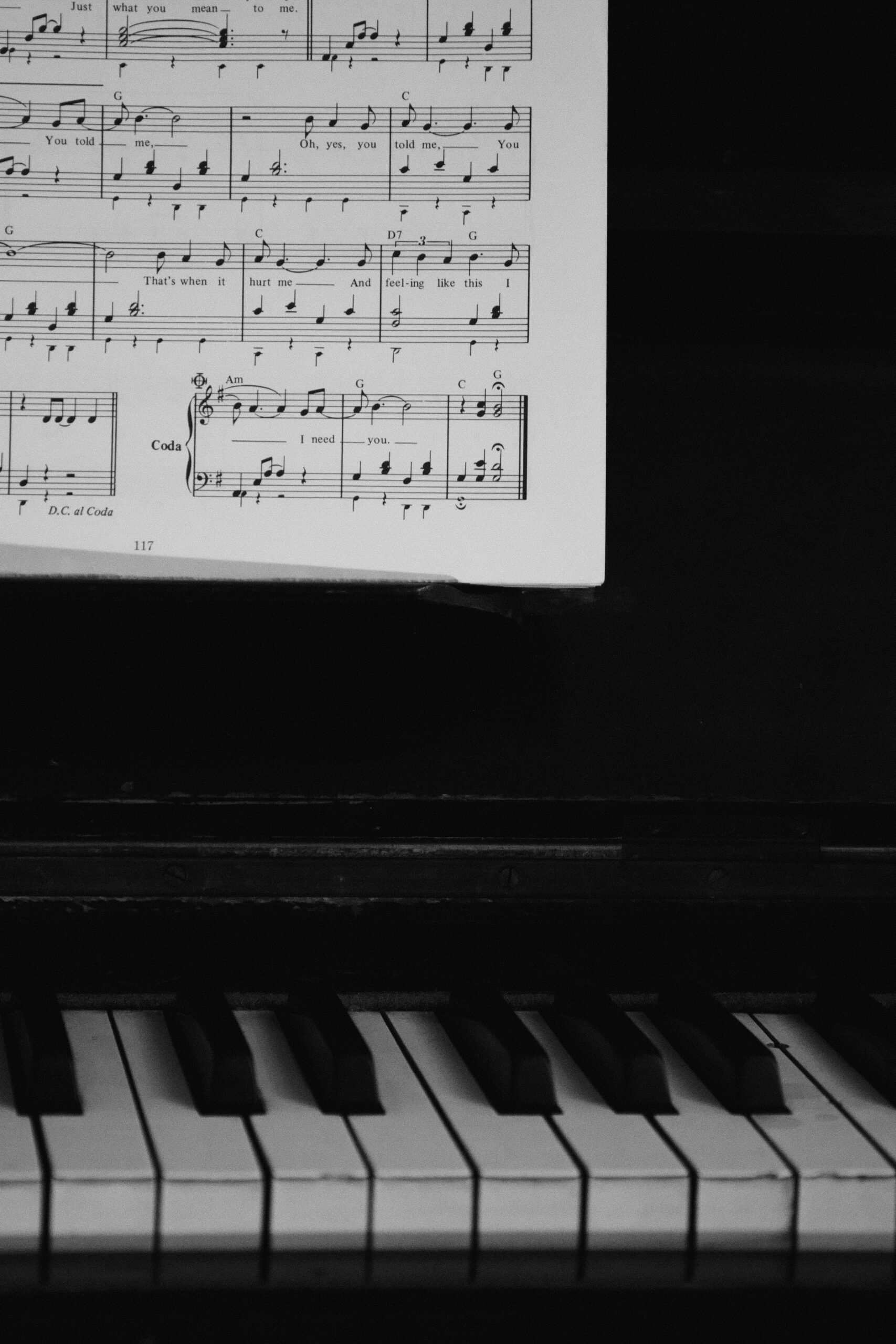
The most common accidentals are the sharp, the flat, and the natural. A sharp sign raises a note by one half step. On a piano, that usually means moving to the very next key to the right, whether that key is black or white. If a written F has a sharp sign, the performer plays F sharp instead of F natural.
A flat sign lowers a note by one half step. If a written B has a flat sign, the performer plays B flat instead of B natural. The natural sign cancels a sharp or flat that would otherwise apply. If the key signature says every B should be B flat, a natural sign before B tells the performer to play B natural for that moment.
These three signs work because Western staff notation divides pitch into named notes and half steps. The distance from E to F is a half step, and the distance from B to C is also a half step, even though there is no black key between them on a piano. That is why E sharp sounds like F on many instruments, and C flat sounds like B. The spelling still matters, because notation does not only show sound; it also shows how the note functions in the musical line.
Accidentals are not the same as the key signature
A key signature is printed at the beginning of each staff line and sets the normal sharps or flats for the piece. If a key signature has one sharp, every F is normally played as F sharp unless the music says otherwise. This saves space and keeps the page readable. Without key signatures, many pieces would need the same sharp or flat signs repeated again and again.
An accidental, by contrast, is a local instruction. It appears right before a note and changes that note in its immediate surroundings. A song in G major can still include a C sharp for a bright passing tone, an F natural for a bluesy or folk-like color, or an E flat for a dramatic turn. None of those momentary changes mean the whole piece has switched keys.
This distinction helps performers avoid a common mistake. Beginners sometimes see a sharp or flat in the middle of a measure and assume the key has changed. Usually it has not. The key signature gives the main pitch environment; accidentals let the composer bend that environment when the phrase needs something more specific.

How long an accidental lasts
In standard notation, an accidental usually lasts until the end of the measure for that same note on the same staff line or space. If a measure contains F sharp, later F notes in that same measure are usually F sharp too, even if the sharp sign is not printed again. Once the barline arrives, the accidental resets unless the music shows it again or the key signature already requires it.
The phrase same note is important. If a sharp appears on the F in the top space of the treble staff, it does not automatically change every other pitch name or every octave in all contexts. Traditional engraving rules can vary by edition, instrument, and style, but the safest habit for a learner is to read the accidental as attached to that written pitch in that measure. If the composer wants the change somewhere else, the notation should make that clear.
Some printed music includes courtesy accidentals, sometimes called reminder accidentals. These signs are not always required by strict rule, but they help the performer after a barline, a leap, or a confusing passage. A natural sign in parentheses, for example, may remind the player that a previous sharp no longer applies. Good notation is not only correct; it is considerate to the person trying to perform it in real time.
Why composers use accidentals
Accidentals give music movement and character. A melody that uses only the notes of its key can still be beautiful, but temporary pitch changes create extra possibilities. A raised note can pull strongly toward the next note, almost like an arrow. A lowered note can soften a phrase, add shadow, or make a familiar pattern sound unexpected.
One common use is the leading tone in minor keys. In natural minor, the seventh scale degree sits a whole step below the tonic, which can make the return home feel gentle. Composers often raise that seventh note by using an accidental, creating a stronger pull back to the tonic. That one sharp can make the ending of a phrase feel more decisive.
Accidentals also help with chromatic passing tones. Imagine a melody moving from C to D. A composer might place C sharp between them, creating C, C sharp, D. The extra note fills the space smoothly and adds a sense of motion. In harmony, accidentals can make chords richer, point toward a temporary destination, or color a passage with sounds borrowed from a related key.
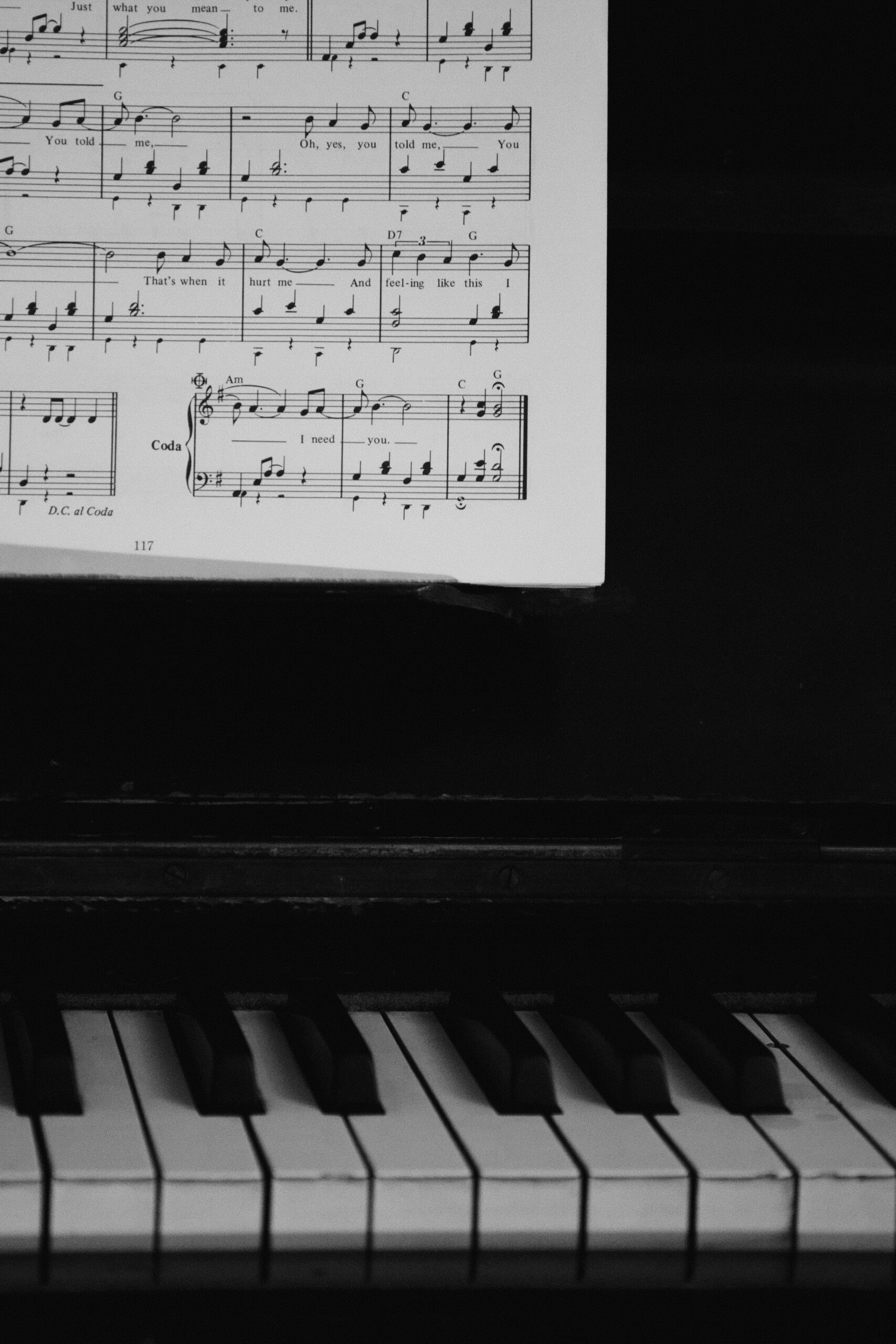
Enharmonic notes can sound the same but mean different things
Some accidentals create notes that sound the same on a piano but are spelled differently. F sharp and G flat are the classic example. They use the same piano key in ordinary tuning, yet they do not mean exactly the same thing on the page. F sharp suggests an altered F; G flat suggests an altered G. The spelling tells the performer how the note fits into the scale, chord, or melodic direction.
This is called enharmonic spelling. It matters most when music becomes more advanced, but even beginners benefit from noticing it. If a melody is climbing from F to G, F sharp may make more sense because it shows the note rising toward G. If a line is descending from G to F, G flat may be easier to read because it shows the note lowering away from G.
Composers and arrangers choose spellings that make musical relationships visible. The sound reaches the ear, but the spelling guides the eye and the hand. For singers, string players, and wind players, spelling can even influence how the pitch is tuned or imagined, because their instruments are not limited to the fixed keys of a piano.
How to read accidentals without losing the line
The best way to read accidentals is to connect the symbol with both the note and the measure. First, check the key signature so you know the normal notes of the piece. Then, when a sharp, flat, or natural appears, treat it as a temporary change. Keep it in mind until the barline, and then return to the key signature unless the notation tells you otherwise.
It also helps to name the note out loud or silently while practicing slowly. Instead of thinking, that note has a sign, say F sharp, B natural, or E flat. This builds a direct link between the symbol and the pitch. Over time, the eye starts to recognize accidentals as part of the musical sentence rather than as interruptions.
When a passage feels confusing, look for patterns. Are the accidentals creating a smooth chromatic line? Are they raising a leading tone near a cadence? Are they changing one chord for a stronger pull into the next chord? These questions turn the symbol from a reading hazard into a clue about what the music is doing.
Accidentals are small marks with a large effect. They let written music stay organized around a key while still making room for surprise, direction, and expressive detail. Once sharps, flats, and naturals feel less like exceptions and more like purposeful choices, a score starts to show not just which notes to play, but why those notes move the way they do.