 Akshay Dinesh
A voter can do everything responsibly and still run into a problem at the polling place. A name may be missing from the check-in list. A recent address change may not appear in the local records. A mail ballot may have been requested earlier, and election workers may need to make sure the same person is not voting twice. In those moments, the choice should not be simply “regular ballot or no ballot.” Provisional ballots exist for the gray area between confidence and uncertainty.
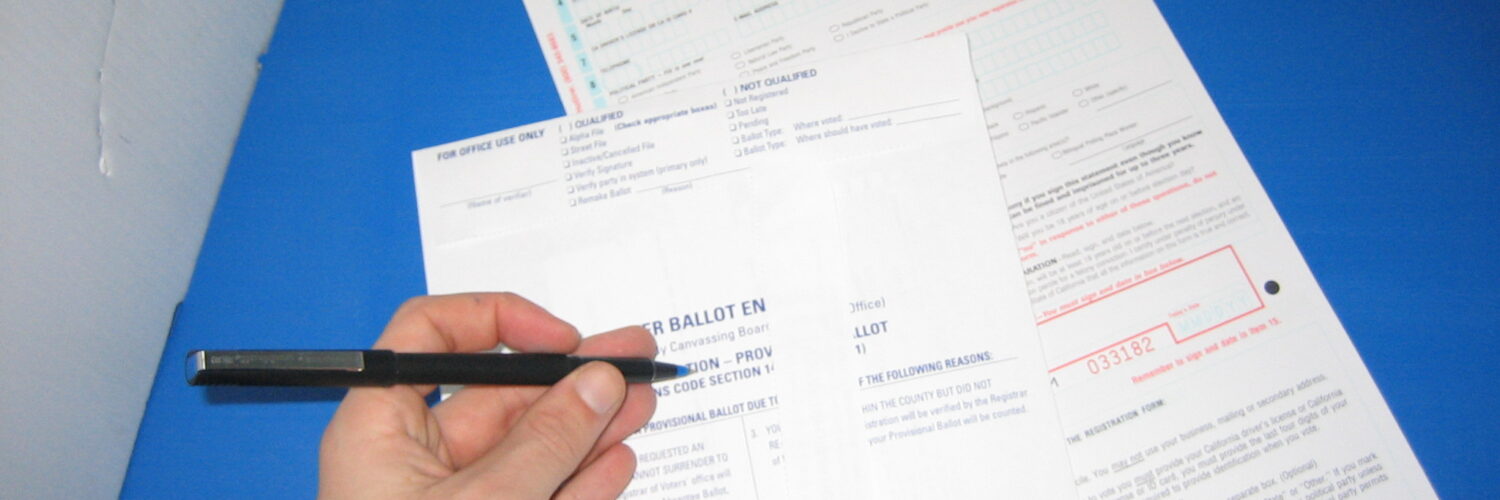
A provisional ballot is a real ballot set aside for later review. It lets a voter record choices while election officials check whether the voter is eligible and whether the ballot can legally be counted. The idea sounds technical, but the purpose is simple: protect eligible voters from being turned away because a record, address, signature, identification check, or precinct assignment needs more time to verify.
The problem provisional ballots were designed to solve
Modern elections depend on lists: registration databases, precinct rosters, mail-ballot records, address files, signature records, and identification rules. Those lists are necessary, but they are not perfect in the moment when a voter walks up to a check-in table. People move. Names change. Records are updated on different schedules. Poll workers may have limited information at a busy polling place, and state rules may require extra checks before a regular ballot can be issued.
Provisional voting became a national requirement for most federal elections after the Help America Vote Act of 2002. That law followed the election-administration failures exposed in 2000, when registration-list problems and other voting-system weaknesses drew national attention. The U.S. Election Assistance Commission describes provisional voting as a safety net: it preserves the voter’s choices until officials can determine whether the person had the right to cast that ballot.
The safety-net design matters because election workers should not have to make every eligibility decision instantly at the check-in table. Some questions are too important to settle with incomplete information. A provisional ballot buys time. It also creates a record that can be reviewed, counted when valid, or rejected with a documented reason when it does not meet the rules.
When a voter might receive one
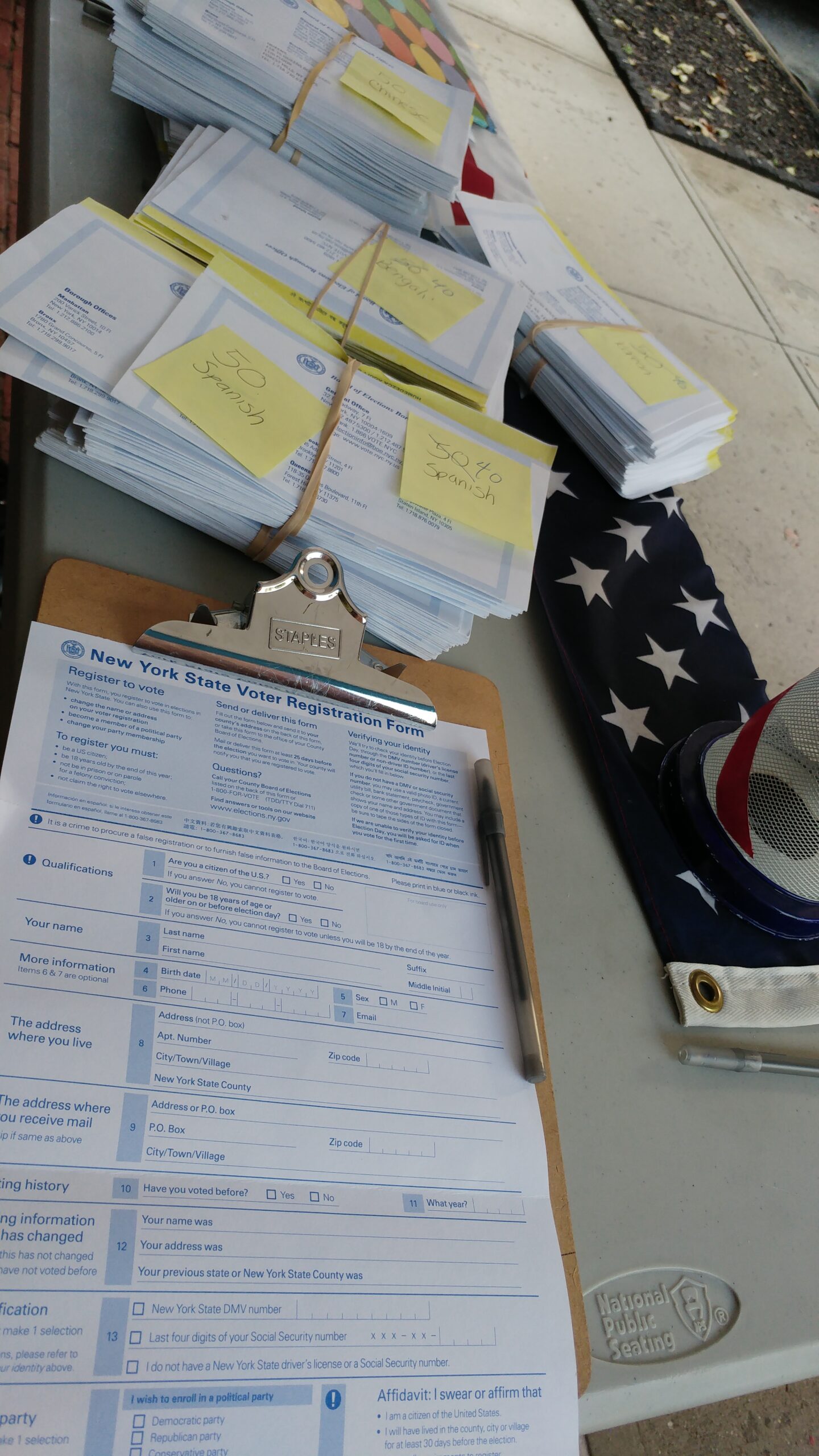
The most familiar situation is a voter whose name does not appear on the registration list at the polling place. That does not automatically mean the person is ineligible. The voter may be at the wrong precinct, may have moved recently, may have registered close to a deadline, or may be affected by a clerical error. A provisional ballot gives officials a way to investigate after Election Day rather than ending the voter’s chance to participate at the door.
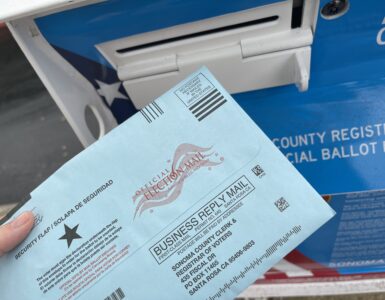
Provisional ballots are also used when a voter’s eligibility is challenged, when required identification is missing or cannot be verified under state law, or when records suggest the voter may already have received or returned a mail ballot. In states with heavy vote-by-mail use, a voter who appears in person after being issued a mail ballot may have to vote provisionally so officials can confirm that only one ballot is counted.
State rules vary sharply. Some states count a provisional ballot cast in the wrong precinct for the contests the voter was eligible to vote on. Others reject out-of-precinct provisional ballots entirely or count only certain races. Some states use provisional ballots often; others use them rarely because same-day registration, centralized voter lists, or different voting procedures reduce the need. The National Conference of State Legislatures tracks these differences because provisional-ballot rules are not one national script.
What happens after the ballot is cast
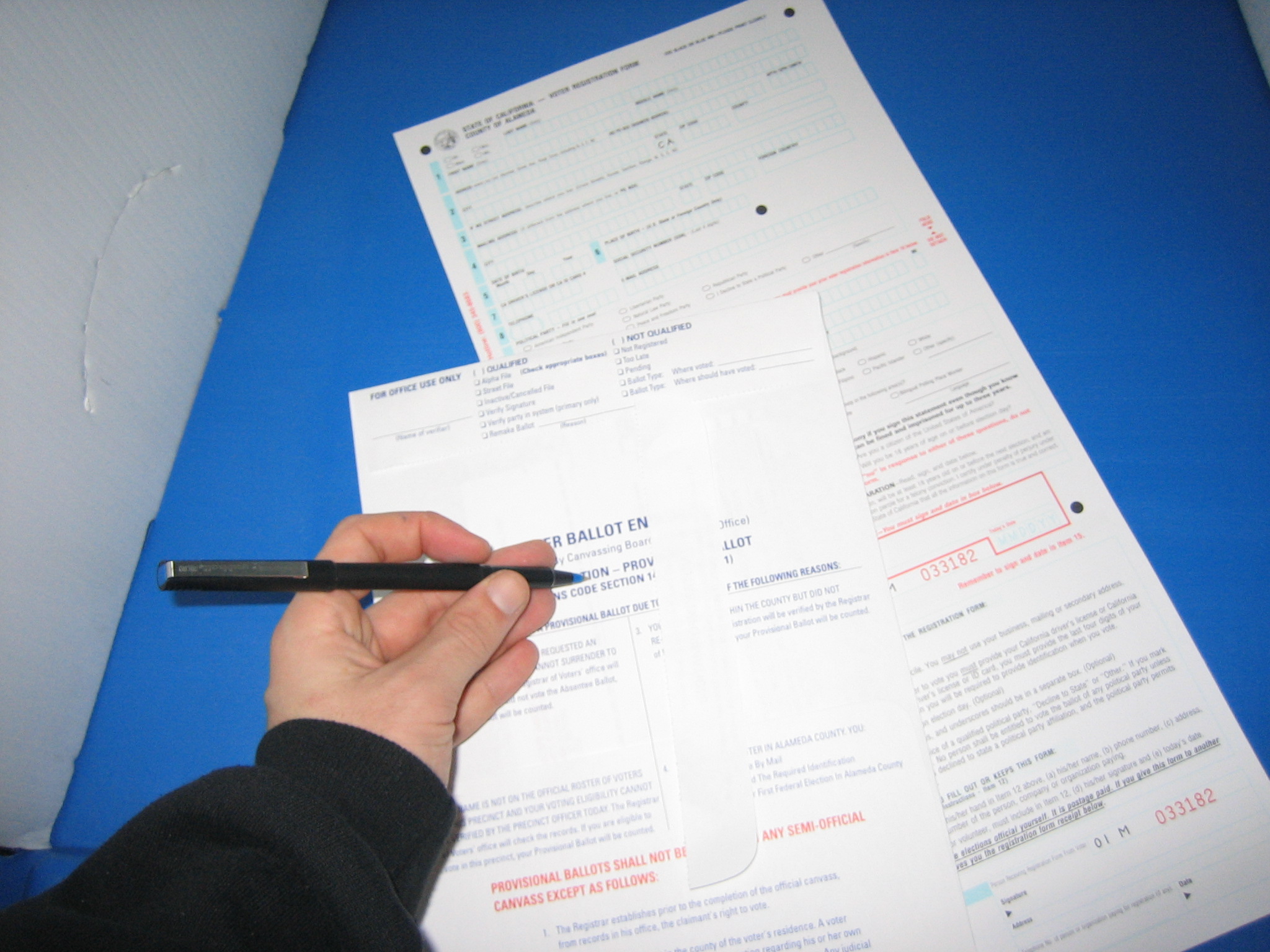
A provisional ballot is usually placed in a separate envelope or container, along with information election officials need to research the voter’s eligibility. That separation is important. The ballot is not mixed immediately with regular ballots because officials first have to decide whether it should count. At the same time, the voter’s choices are preserved privately while the review takes place.
After the polls close, election officials compare the provisional-ballot envelope and voter information with registration records, address records, ballot-history records, and state-specific requirements. If the voter was eligible and met the necessary conditions, the ballot is counted. If the voter was not registered, voted in the wrong place under rules that do not allow counting, lacked required follow-up documentation, or had already cast another ballot, the provisional ballot may be rejected.
That review can take days because it is part of the canvass, the official process of checking and finalizing election results. Early election-night totals are usually unofficial, even when every precinct has reported. Provisional ballots are one reason final results can change slightly after Election Day. The change is not mysterious; it reflects the normal work of verifying ballots that could not be resolved instantly.
Why many provisional ballots count, and why some do not
The MIT Election Data and Science Lab’s updated explainer, drawing on Election Assistance Commission data, reported that about 1.74 million provisional ballots were issued in the 2024 federal election. About 1.28 million were counted at least in part, while about 436,000 were rejected. Those numbers show both halves of the story: provisional ballots save many valid votes, but they are not a guarantee that every ballot will count.
The most common rejection reason is basic but consequential: officials cannot confirm that the voter was registered in the state or jurisdiction where the ballot was cast. Other rejections can involve voting in the wrong jurisdiction, missing or incorrect information, unresolved identification requirements, a signature mismatch, or evidence that the voter already cast another ballot. In close elections, these decisions can attract attention because provisional ballots are reviewed after Election Day and may be included in recount disputes.
That does not make provisional ballots suspicious. It makes them administrative. They sit exactly where voting rights, accurate records, and fraud prevention meet. A healthy system has to protect eligible voters without counting ineligible ballots. Provisional voting is one tool for doing both, but it depends on clear rules, trained poll workers, accurate databases, and a review process voters can understand.
What voters can do to improve the odds
The best way to avoid a provisional ballot is to check registration status before voting, especially after moving, changing names, missing several elections, or registering close to a deadline. State election offices and Vote.gov point voters to official state tools for checking registration and polling-place information. Even a quick check can reveal an old address, an inactive status, or a different assigned polling place before Election Day pressure begins.
If a voter is offered a provisional ballot, the next step is to ask calmly why. The reason matters. A wrong-precinct issue may have a different solution from a missing-ID issue. In some places, going to the correct polling location may give the voter a better chance of casting a regular ballot. In other places, the provisional ballot may be the proper path. Poll workers should explain the local process, but voters also benefit from knowing that they can ask for the reason and any follow-up steps.
Many states provide a way to find out whether a provisional ballot was counted. Under the Help America Vote Act, jurisdictions must give voters access to information about the status of their provisional ballot. That may involve a receipt, hotline, website, or local election-office contact. The details vary, but the habit is the same: keep any paperwork, follow the instructions, and act quickly if the state gives a deadline for showing identification or resolving a registration question.
A small ballot with a large purpose
Provisional ballots are easy to misunderstand because they sit outside the regular voting routine. They are not bonus ballots, and they are not automatic rejections. They are conditional ballots held for verification. When the voter is eligible and the ballot meets the rules, it can count like any other ballot. When the voter is not eligible under the applicable rules, it is kept out of the tally.
The system is imperfect because the records behind elections are imperfect. People move between counties, miss notices, change names, request mail ballots, or arrive at the wrong precinct. Election workers also have to apply rules accurately under time pressure. Provisional ballots do not erase those problems, but they create a structured way to handle them without forcing an immediate all-or-nothing decision.
That is why a provisional ballot is best understood as a promise to check, not a promise to count. It preserves the voter’s voice long enough for officials to verify the facts. In an election system built on both access and accuracy, that pause can make the difference between a lost vote and a properly counted one.