Akshay Dinesh
A mail ballot can reach the election office on time and still face a problem before it is counted. The voter may have forgotten to sign the return envelope, the signature may look different from an older signature on file, or a required piece of identifying information may be missing. In many states, that problem does not end the process. Ballot curing gives the voter a limited chance to confirm their identity or supply the missing information so an otherwise valid ballot can be counted.
The word cure sounds technical, but the idea is straightforward: election officials identify a correctable defect, notify the voter, and explain how to fix it by a deadline. The procedure does not let anyone change selections on a ballot. It deals with the return envelope and the voter’s eligibility, usually while the marked ballot remains sealed and secret.
Why the envelope is checked before the ballot is counted
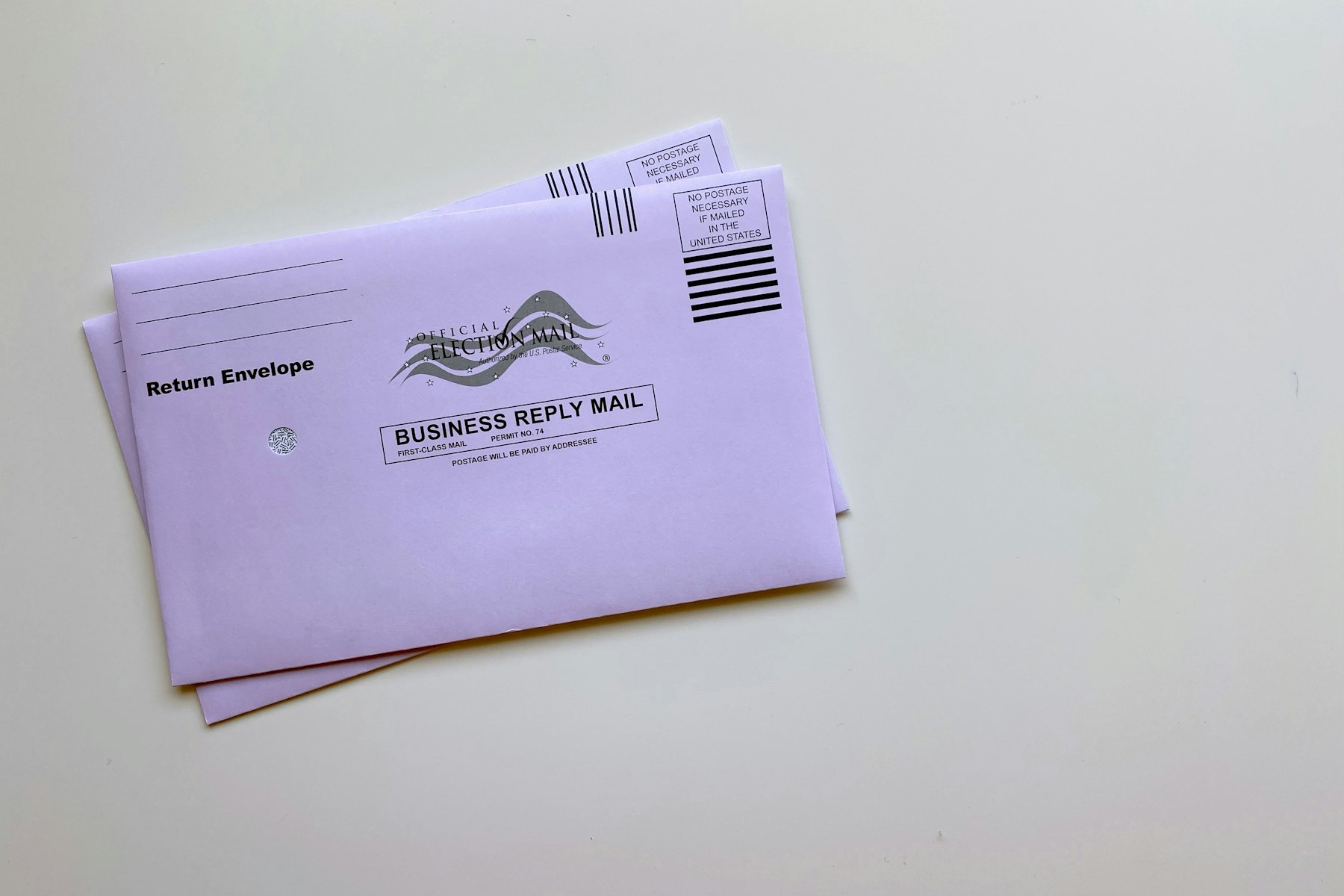
Mail voting separates two questions that are handled together at a polling place: Is this person an eligible voter, and how did the person vote? The outer return envelope answers the first question. Depending on state law, it may carry the voter’s signature, an affidavit, an identification number, a witness statement, or another form of verification. Election workers review that information before opening the envelope and sending the ballot itself forward for tabulation.
That sequence protects ballot secrecy. Once officials accept the envelope, the ballot is removed and separated from identifying information before the vote is counted. A cure therefore concerns the evidence on the envelope, not the choices inside it. The voter is confirming, in a way allowed by state law, that the returned ballot belongs to them.
States do not all use the same verification method. A May 2026 review by the National Conference of State Legislatures found that 32 states and Puerto Rico compare signatures on returned mail-ballot envelopes. Other jurisdictions check that a signature is present without comparing it, while some require an identification number, witnesses, or notarization. These differences are why instructions printed on the actual ballot materials matter more than general advice found online.
What can send a ballot into the cure process
A missing voter signature is one of the clearest defects. Signature comparison can also produce a question when the mark on the envelope does not correspond closely enough with a reference signature in the voter record. That does not automatically mean someone attempted to vote fraudulently. Signatures can change with age, injury, disability, illness, writing surface, or the hurried use of an unfamiliar pen.
Other correctable problems depend on local rules. A voter might leave out a required identification number, omit a witness signature or address, fail to complete an affidavit, or return an envelope that is not properly sealed. Some states permit those defects to be fixed; others allow cures only for certain signature problems. A ballot received after the legal return deadline is generally a different issue, and a cure period does not normally erase a late-arrival rule.
The U.S. Election Assistance Commission’s comprehensive report on the 2024 election shows how common the opportunity has become. More than three-quarters of states in its policy survey allowed ballot curing for that general election. Among those states, 86 percent allowed voters to correct a missing signature and 72.1 percent allowed correction of a nonmatching signature. About 62.8 percent permitted a cure for a missing or incomplete required document.
What happens after election officials find a problem
The first step is notice. An election office may contact the voter by letter, email, telephone call, text message, or an official ballot-tracking portal. The EAC found that states commonly reported using several methods: mail and email were each used by 86 percent of states that provided cure notices in its 2024 survey, while 79 percent used telephone calls. Multiple channels matter because the cure window can be short and ordinary mail may arrive after valuable time has passed.
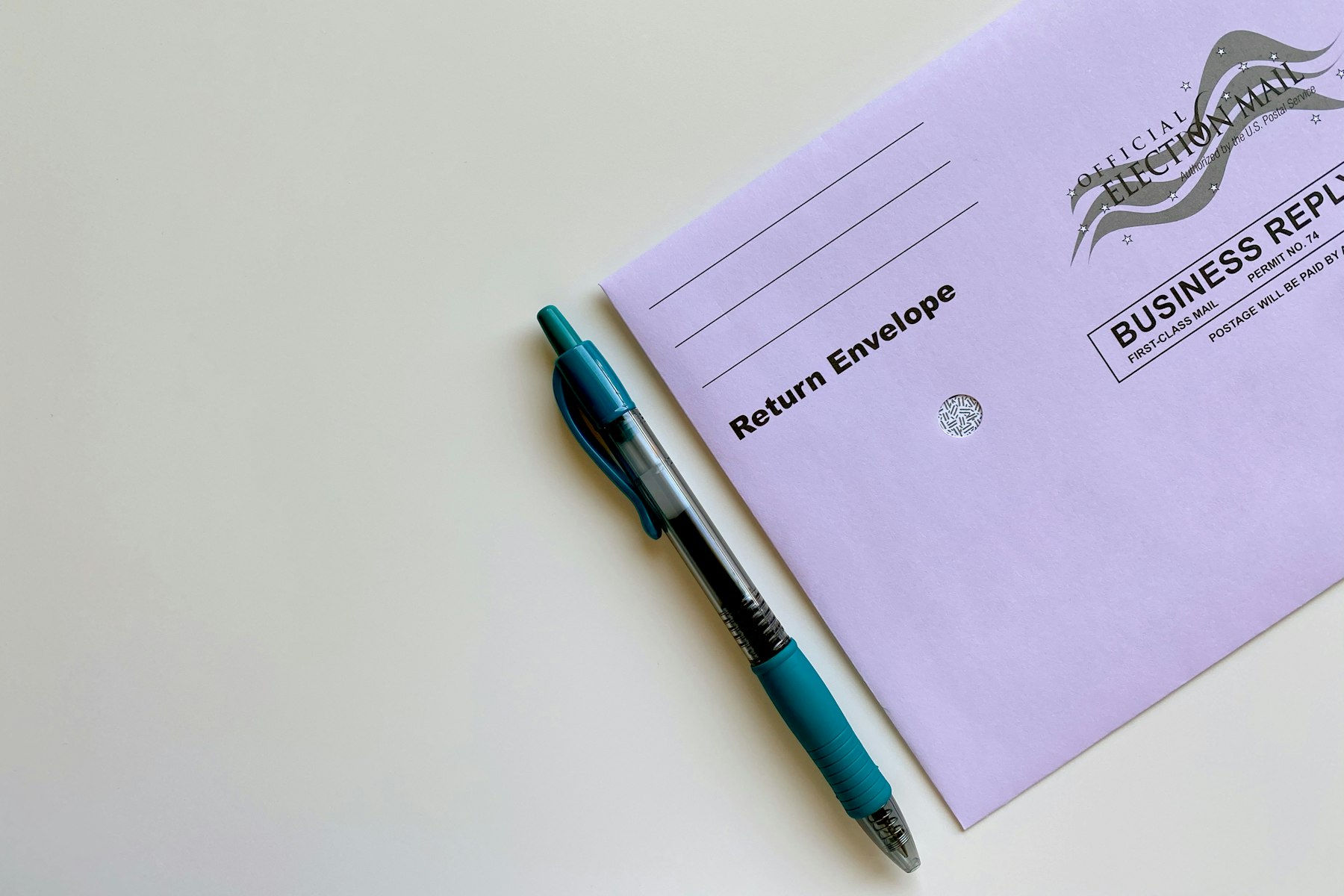
The notice should identify the defect, explain the accepted correction methods, and state the deadline. Depending on the jurisdiction, a voter may be able to sign and return a cure form, use a secure online portal, email or mail an affidavit, present identification, visit the election office, or request a replacement ballot. The election office then checks the response under the same legal standards that apply to other returned ballots.
Deadlines vary sharply. NCSL’s state-law table, updated in August 2026, reports that 35 states and Washington, D.C., require a statewide process for notice and an opportunity to correct a missing or discrepant signature. Some deadlines fall when polls close on Election Day; others extend for several days or weeks afterward. The same table notes that Pennsylvania counties may choose to offer curing even though the state does not require one uniform statewide process.
That variation explains why election-night totals are not always final. A ballot may have been returned before Election Day yet remain unresolved while officials wait for the legally permitted cure period. Counting it after the voter confirms the required information is not a newly cast vote. It is the completion of a verification process that began when the ballot arrived.
How curing supports both security and access
Signature verification is meant to screen returned envelopes, but handwriting is not a fixed biometric measurement. A cautious review can flag a genuine voter whose signature has changed; a loose review can fail to ask needed questions. A cure procedure provides a second step. Officials do not simply accept the disputed envelope, and they do not have to treat every discrepancy as final.
The process also creates a direct check with the voter. If the voter confirms the ballot through an authorized method, officials can resolve the defect. If the voter says they did not return it, the envelope can remain rejected and the matter can be investigated under state procedures. If no response arrives by the deadline, the ballot may not be counted. Cure is an opportunity to verify, not a guarantee of acceptance.
Good administration protects personal information during that exchange. The EAC’s signature-verification guidance recommends secure portals, encrypted connections, controlled access to voter records, and strong authentication for systems that handle cure documents. Those safeguards matter because a cure form may contain a signature, identification details, or other sensitive data.
Curing also reduces the chance that a small, correctable mistake becomes disenfranchisement. The voter has already made choices and returned the ballot. Giving that person a defined way to prove the ballot is theirs preserves the verification rule while recognizing that paperwork errors and natural signature changes happen.
What mail voters can do before and after returning a ballot
The easiest cure is the one that never becomes necessary. Before sealing the envelope, read the instructions for that election and check every required field on the return materials. Sign in the designated place, use the witness or identification information required in the jurisdiction, and return the ballot early enough to leave time for delivery and possible follow-up.
- Keep contact information current. An election office cannot send a quick email or text if the voter record lacks usable details.
- Use the official tracking tool. Many state and local election offices let voters see whether a ballot was sent, received, accepted, or needs attention.
- Act quickly on a notice. Cure deadlines may arrive on Election Day or only a few days later, even when the notice comes by mail.
- Verify the message independently. Use the phone number or website published by the state or local election office instead of sending personal information through an unexpected link.
- Ask the election office about accessibility. Voters whose disability affects their signature may have specific options under state procedures.
A voter who receives a cure notice should follow the instructions from the election authority that issued the ballot. Rules can change, and the allowed method in one state or county may not work in another. The EAC’s voter-information directory links to official election websites for every state and territory, while local offices can explain the deadline that applies to a particular ballot.
Ballot curing sits in the quiet stretch between returning a mail ballot and seeing a final count. It is neither a second ballot nor a way to revise a vote. It is a narrow, time-limited process for resolving whether a returned ballot can lawfully join the count. When notice is prompt and the instructions are clear, the system can enforce verification rules without letting an ordinary envelope mistake speak louder than a voter’s choices.