 Akshay Dinesh
A price increase is easy to notice when the number on the shelf tag changes. A smaller package is quieter. The cereal box may look familiar, the snack bag may sit in the same place, and the shampoo bottle may keep nearly the same shape. What changes is the amount inside. Shrinkflation happens when a product gives shoppers less quantity while the price stays the same or changes only slightly, raising the price per ounce, sheet, tablet, or count.
That makes shrinkflation different from the ordinary kind of inflation people usually talk about. Inflation shows up as higher prices across many goods and services. Shrinkflation hides inside the measurement of a product. A shopper who remembers paying $4.99 for a favorite ice cream may feel the price has not moved, even if the container has dropped from 64 ounces to 60 ounces. The register price stayed familiar, but the unit price rose.
A Smaller Package Changes the Real Price
The clearest way to understand shrinkflation is to ignore the package for a moment and compare the unit price. If a 12-ounce bag of snacks costs $3.60, the price is 30 cents per ounce. If the bag shrinks to 10 ounces while the shelf price remains $3.60, the shopper is now paying 36 cents per ounce. The headline price did not move, but the real price for the product rose by 20 percent.
The Bureau of Labor Statistics uses the broader term downsizing when it discusses this pattern in the Consumer Price Index. BLS gives examples such as candy bars, paper towels, chips, cereal, cleaning supplies, and shampoo because those products are sold in packages that can change by weight, volume, sheet count, or similar measures. Products sold directly by a standard unit, such as gasoline by the gallon or steak by the pound, are less likely to hide the same kind of change because the unit is already the way the price is quoted.
Shrinkflation can also happen alongside a regular price increase. A brand may reduce the package size and raise the price later, or raise the price first and reduce the package afterward. That is why focusing only on the shelf price can miss part of the story. What matters economically is not just what the shopper pays at checkout. It is how much product that money buys.
Why Companies Shrink Instead of Raising the Shelf Price
Companies do not shrink packages randomly. They do it because shoppers often react more strongly to a visible price increase than to a small size change. A familiar price can keep a product inside a household’s mental budget even when costs for ingredients, packaging, transportation, wages, or borrowing have gone up. If a brand believes a jump from $4.99 to $5.49 will push people toward a competitor, a smaller package can feel like a less risky move.
This does not mean every package change is sneaky or unfair. Some smaller packages are designed for portion control, lighter carrying, lower upfront cost, or less waste for small households. Some changes reflect supply-chain limits or attempts to standardize package sizes. The economic concern begins when the package looks nearly the same, the price looks stable, and the reduced quantity is easy to miss.
Researchers who study retail scanner data have found that product downsizing is not constant across every category. A 2025 Marketing Science study by Aljoscha Janssen and Johannes Kasinger analyzed a decade of U.S. retail grocery data and found that about 1.92 percent of unique products in their sample were downsized, while upsizing was less common. That may sound small, but the experience can feel larger to shoppers because the products that shrink are often familiar repeat purchases: snacks, cereal, paper goods, coffee, ice cream, and household staples.
Why Shoppers Often Miss the Change
Shrinkflation works because shopping is busy. People compare brands, sale signs, coupons, nutrition labels, loyalty discounts, package colors, family preferences, and total budgets while moving through an aisle. Very few shoppers memorize the old weight of every product they buy. If the package keeps the same colors and general shape, the change may not register until the product runs out faster at home.
Packaging can make that even harder. A bag may include more air, a box may become slightly narrower, a jar may have a deeper base, or a roll of paper towels may contain fewer sheets with similar outer dimensions. BLS notes that manufacturers may combine size changes with new package design, which can make shoppers perceive a refreshed product rather than a smaller one. The package may look updated, not reduced.
There is also a psychological difference between price and quantity. A higher price is a single obvious number. Quantity requires memory and comparison. Seeing a snack bag priced at $3.99 is simpler than remembering whether it used to hold 12 ounces, 11 ounces, or 10.5 ounces. The shopper must either read the net weight carefully or check the unit price. Without that habit, the smaller amount can disappear into the background.
How Economists Measure Shrinkflation
Shrinkflation is hard for shoppers to spot, but it is not supposed to disappear from official inflation measurement. BLS data collectors and economists track product descriptions, including attributes such as weight, volume, and sheet count, so they can adjust prices when package sizes change. If ice cream keeps the same shelf price but drops in ounces, BLS calculates the effective price per ounce. If a toilet paper roll has fewer sheets, the price per sheet can be adjusted.
That distinction matters because a common misunderstanding is that shrinkflation lets inflation statistics ignore hidden price increases. For many packaged goods, the CPI is designed to capture the change in unit price, not just the package price. The measurement is not effortless, because products change design, flavor, count, and store availability over time. Still, the method aims to treat a smaller package at the same price as a higher price for the amount received.
The Government Accountability Office reached a balanced conclusion in its 2025 report on shrinking product sizes. GAO found that product downsizing had a small effect on overall CPI inflation from 2019 through 2024, but a more noticeable effect in categories where shrinking is easier. Its analysis found that downsizing contributed 3.0 percentage points to inflation for household paper products, 2.6 points for snacks, 2.3 points for candy and chewing gum, 1.8 points for ice cream and related products, and 1.6 points for breakfast cereal over that period. In other words, shrinkflation may not explain all inflation, but it can matter a lot in the aisles where it happens most.
What Makes Unit Prices So Useful
The best defense against shrinkflation is not anger. It is comparison. Unit pricing turns a package into a common measure: cents per ounce, dollars per pound, cents per sheet, price per tablet, or price per load. The National Institute of Standards and Technology describes unit pricing as one of the main tools consumers can use to compare product value when package sizes change. A good unit price label lets shoppers compare what they are actually buying rather than the shape or size of the container.
Unit pricing is especially useful for repeat purchases. If a household buys the same cereal, coffee, detergent, yogurt, pet food, or paper towels every few weeks, knowing the usual unit price makes changes easier to catch. The total package price may stay familiar, but the unit price reveals whether the value has shifted. It also helps compare a smaller sale item with a larger regular-price item, which is often where the shelf tag alone becomes misleading.
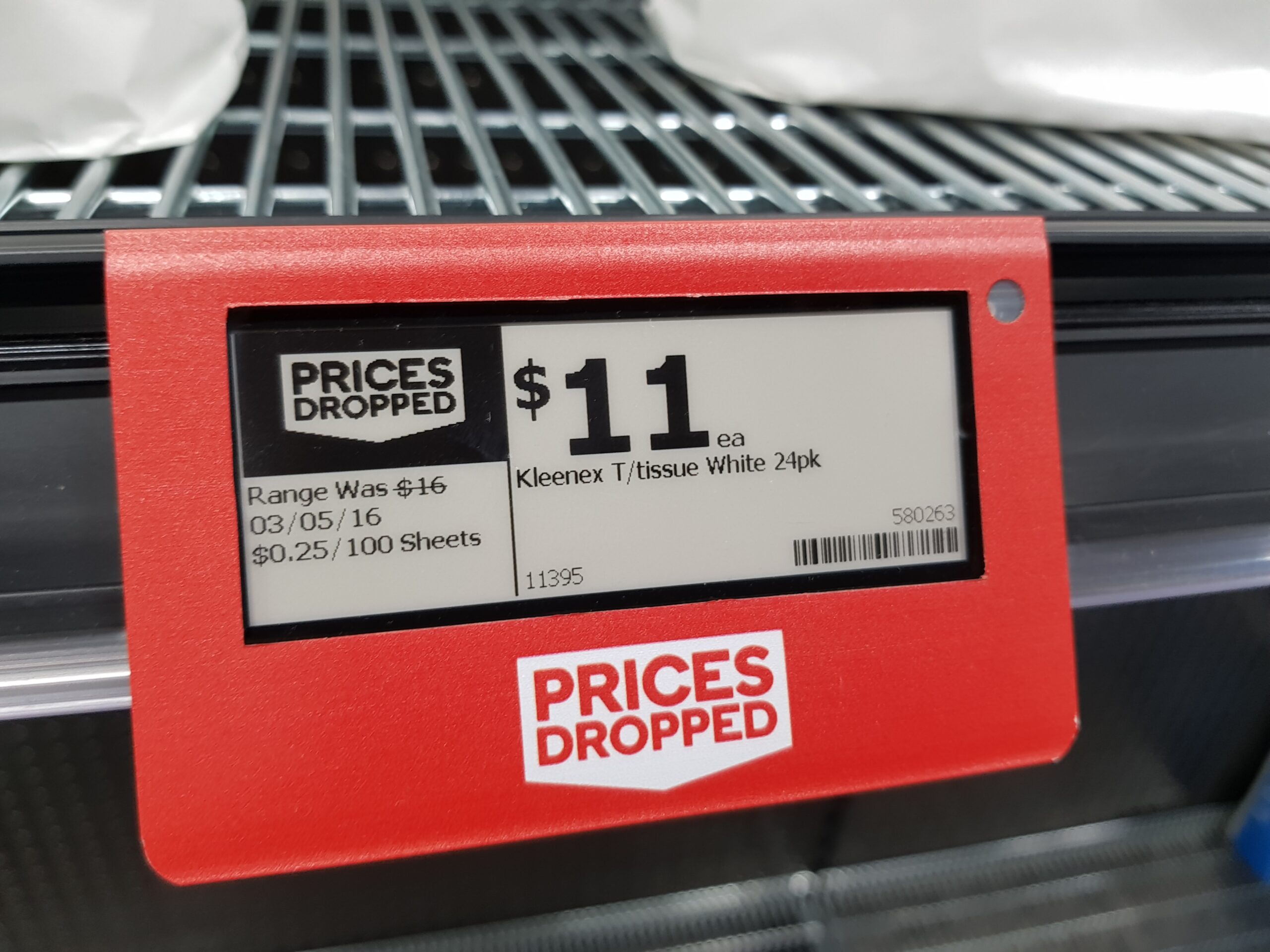
The habit is simple: divide the total price by the amount in the package. A $5.00 product with 20 ounces costs 25 cents per ounce. If the package falls to 16 ounces at the same price, it costs 31.25 cents per ounce. Some shelf tags and online stores do the math automatically, but the labels are not always consistent. One item may list cents per ounce while another lists dollars per pound. When the units do not match, the comparison needs one extra step.
Why Transparency Matters More Than Blame
Shrinkflation often frustrates people because it feels like a quiet change in the rules. Shoppers expect prices to rise and fall, but they also expect a familiar product to remain basically the same unless the package tells them otherwise. When the change is difficult to see, the issue becomes transparency. People can make reasonable decisions about smaller packages, higher prices, store brands, bulk sizes, or substitutes only when the information is visible enough to use.
That is why some policy discussions focus on clearer downsizing labels, better unit-price labels, and more consistent rules for online and in-store price comparisons. GAO reviewed several transparency options in its 2025 report, including disclosure requirements and unit-pricing improvements. NIST has also pointed to the importance of clear, legible, and prominent unit price labels. These tools do not prevent every price increase, but they make hidden changes harder to hide.
For shoppers, the practical lesson is smaller and more useful than trying to track every package in the store. Pay attention to products bought often. Compare unit prices when a package looks redesigned. Watch for count changes on paper goods, tablets, wipes, pods, and snack packs. Notice when a product runs out faster than usual. If the value no longer makes sense, a substitute, store brand, bulk option, or different package size may be better.
Shrinkflation feels harder to spot than inflation because it asks people to notice what is missing. The price tag gives one number, but the package quietly changes another. Once shoppers learn to look at unit price, shrinkflation becomes less mysterious. It turns from a hidden feeling into a measurable tradeoff: the same dollars buying less product than before.