 Akshay Dinesh
It is easy to imagine the global internet as something floating above us, bouncing through satellites whenever a message crosses an ocean. Satellites do matter, especially for remote areas, ships, aircraft, and emergency communication. Yet most international internet traffic takes a more hidden route: it travels through fiber-optic cables laid across the seafloor.
NOAA describes the satellite idea as a common misconception and notes that more than 95 percent of international data and voice transfers are routed through submarine fiber-optic cables. TeleGeography’s 2026 submarine cable map shows how large that system has become, with hundreds of cable systems and landing stations connecting coastlines around the world. A video call between New York and London, a game update downloaded from another continent, a message sent to family overseas, or a cloud file opened from a distant data center may all depend on glass fibers running through the deep ocean.
The internet has a shoreline
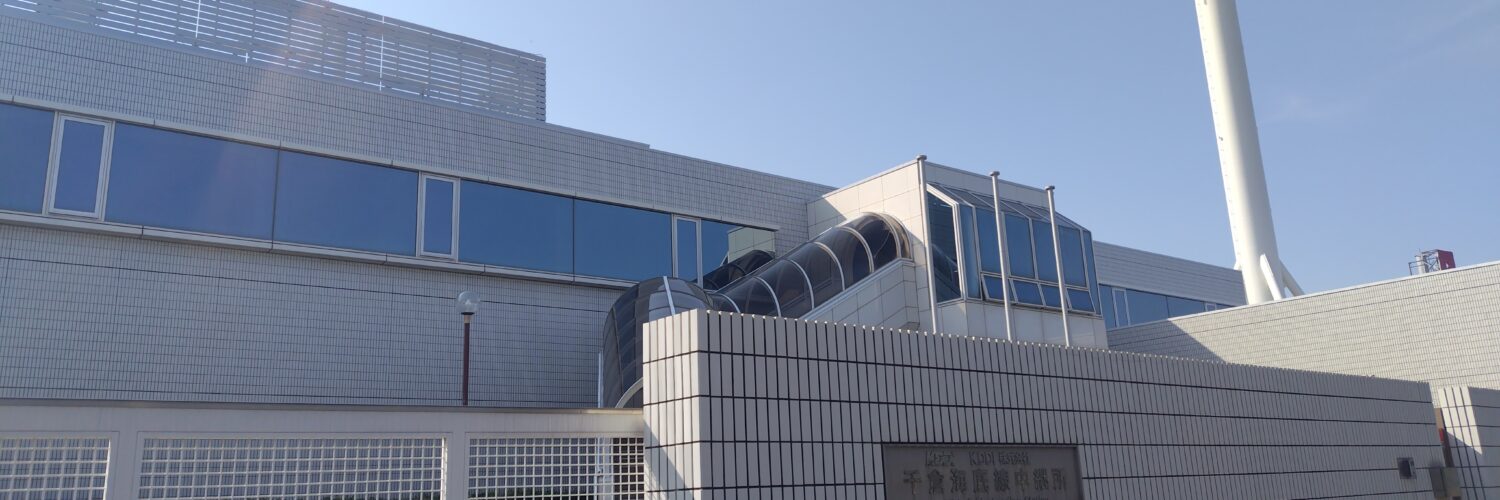
A submarine communications cable does not simply vanish into the sea and magically reappear on another continent. It begins and ends at cable landing stations, which are secure facilities where ocean cables connect to land-based networks. From there, data can move into regional fiber routes, data centers, internet exchange points, and the networks operated by telecom companies and content providers.
That shoreline connection is one reason coastal geography matters so much to the internet. Countries with many landing points and multiple cable routes usually have more options when traffic needs to be rerouted. Islands and remote territories may depend on a smaller number of connections, which can make outages more disruptive. NOAA points out that submarine cables connect the contiguous United States not only with the rest of the world, but also with Alaska, Hawaii, Puerto Rico, Guam, American Samoa, the Northern Marianas, and the U.S. Virgin Islands.
Landing stations are also where regulation becomes visible. In the United States, the Federal Communications Commission issues licenses for submarine cable landing systems. That may sound bureaucratic, but it reflects a practical reality: these cables are private infrastructure with public importance. They carry commerce, education, government work, scientific data, personal communication, and a large share of the traffic people simply think of as everyday internet use.
Light does the traveling
The core technology inside modern undersea cables is fiber optics. Instead of sending electrical pulses down copper wire for thousands of miles, modern systems send pulses of light through very thin strands of glass. Lasers at one end fire signals into the fibers, and receivers at the other end interpret those signals as data. The physical cable may be as thick as a garden hose across much of the deep ocean, but the glass fibers carrying the information are extremely thin.
The reason this works so well is that light can be controlled inside optical fiber with very little loss compared with older communication methods. A message is broken into digital data, sent as carefully timed light pulses, amplified or regenerated along the route when needed, and reassembled at the other end. To a person loading a page, the process feels ordinary. Underneath, it is a chain of optical engineering, network routing, power feeding, and constant monitoring.
History shows how dramatic the change has been. NOAA notes that the first successful transatlantic submarine cable became operational in 1866 and carried telegraph messages at only a small number of words per minute. The first transoceanic fiber-optic cable linking the United States, the United Kingdom, and France arrived in 1988. That shift from telegraph signals to optical data helped turn ocean cables from specialized communication lines into the main highways of the internet.
Why cables follow careful routes
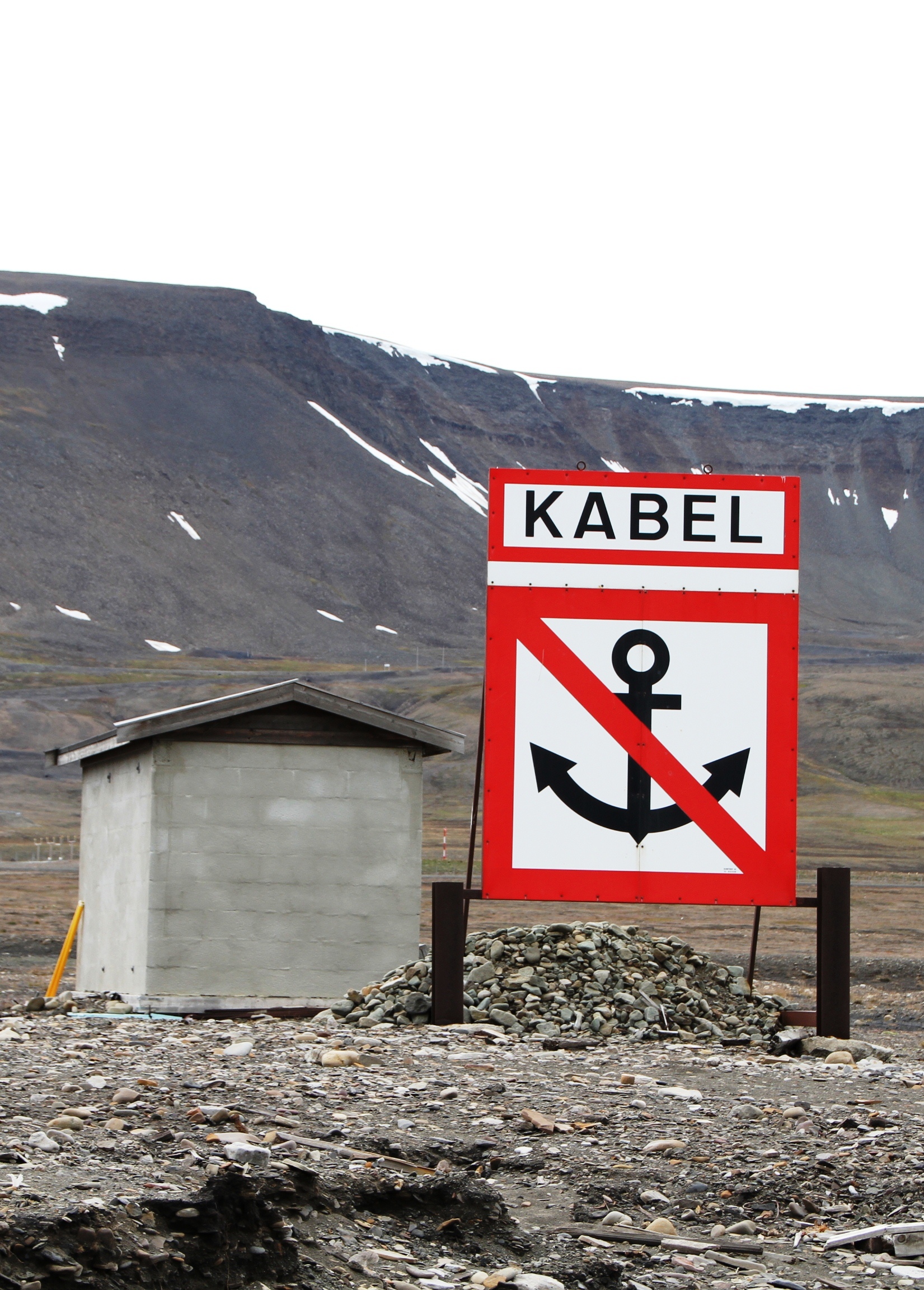
A cable route is planned long before a ship begins laying it. Engineers study seabed shape, sediment, underwater slopes, earthquake zones, fishing activity, anchoring areas, existing cables, and the safest approach to shore. The goal is not to draw the shortest possible line on a map. The goal is to build a route that can carry traffic reliably for years while avoiding as many hazards as possible.
In deep water, a cable may rest directly on the ocean floor. Near shore, where anchors, fishing gear, waves, and human activity create more risk, cables are often buried beneath the seabed or given extra layers of armor. TeleGeography’s submarine cable FAQ explains that cables nearer to shore use enhanced protection, while the deep-ocean sections can be much slimmer. That difference makes sense: the most dangerous places are often not the deepest places, but the busy coastal ones.
Submarine cables also need power. Repeaters placed along long routes boost the optical signal so it can keep traveling across thousands of kilometers. Those repeaters receive electrical power through conductive parts of the cable. In other words, a cable is not just glass fibers in a protective sleeve. It is a carefully layered system built to carry light, protect the fibers, feed equipment, resist seawater, and survive an environment that is difficult to reach once something goes wrong.
Breaks happen, so networks need backup paths
Undersea cables are durable, but they are not untouchable. Anchors, fishing equipment, underwater landslides, earthquakes, and other accidents can damage them. When a cable breaks, traffic may slow down or shift to other routes. If a region has several independent cables, the disruption may be barely noticed by ordinary users. If a region depends on only one or two routes, the same kind of damage can become a serious outage.
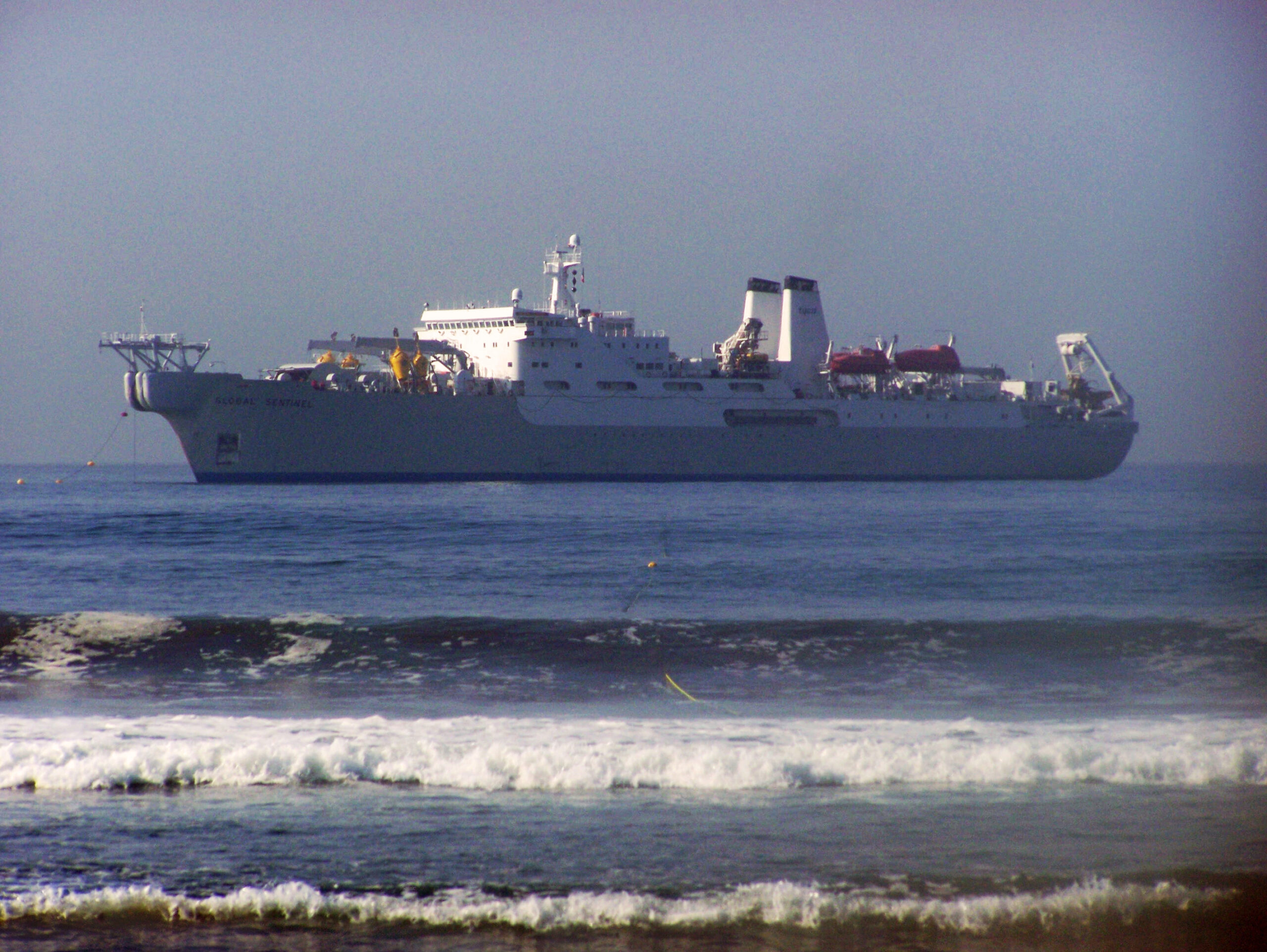
Repair is slow compared with swapping a cable in a classroom or replacing a home router. A cable ship must travel to the general area, locate the break, bring the damaged cable up from the seabed, splice in a repair section, test the connection, and lay the cable back down carefully. Weather, water depth, permits, and the availability of specialized ships can all affect the timeline.
This is why redundancy is not a luxury. TeleGeography notes that countries need multiple cables to keep connectivity reliable when damage occurs. The idea is similar to having more than one road into a city. If one road closes, traffic can still move, though it may be slower or more crowded. Internet routing systems can steer data through alternate paths, but only if those paths exist and have enough capacity.
Why the cable map keeps changing
The undersea cable system is not a fixed relic from the early internet. New cables are planned, financed, laid, upgraded, and retired as demand changes. TeleGeography’s 2026 map depicts 694 cable systems and 1,893 landing stations, including both in-service and planned systems. Its FAQ estimates more than 1.5 million kilometers of submarine cables in service globally as of early 2026.
One major change is who builds and uses the capacity. Traditional telecom carriers still matter, but large content and cloud companies have become major investors in new cable systems. That shift follows the way people use the internet now. Streaming video, cloud storage, online gaming, search, maps, backups, software updates, school systems, and business tools all move huge amounts of data between regions.
New cables can add capacity, lower delay on important routes, improve resilience, or connect places that previously had limited options. They can also raise questions about security, ownership, landing rights, and environmental planning. A cable that looks simple on a map may involve many countries, companies, regulators, vessels, permits, and years of coordination.
The ocean floor is part of everyday life
Undersea cables are easy to ignore because they work best when no one has to think about them. A message appears, a page loads, a payment goes through, a class video plays, or a family call crosses an ocean without showing the route it took. The path may include home Wi-Fi, a local provider, land fiber, data centers, routers, exchange points, a submarine cable, and then another chain of networks on the other side.
Seeing that path changes the way the internet feels. It is not only software, satellites, and invisible wireless signals. It is also glass, steel, landing stations, maps, ships, ocean surveys, permits, and repair crews. The global internet depends on physical places, and many of those places are far below the waves.
That hidden infrastructure is one reason a simple online action can feel instant while relying on an enormous system. Undersea cables turn geography into something data can cross at high speed. They do not erase distance, but they make distance usable. Every time information moves between continents, the ocean floor may be doing quiet work in the background.