 Akshay Dinesh
Software updates ask for a quiet kind of trust. A phone, laptop, browser, or game console announces that a new version is ready, and most people tap install without seeing the checks that happen underneath. That trust matters because updates can repair security flaws, add features, and keep devices compatible, but they also carry powerful code into systems people depend on every day.
Digital signatures are one of the main reasons update systems can work at that scale. They let a device check whether an update really came from the expected publisher and whether the file changed on the way. The idea is not that every update is perfect. It is that a device should not accept a mystery file simply because it arrived through the internet and claimed to be new.
An Update Is More Than a Download
When an app or operating system downloads an update, the file itself is only part of the process. The device also needs a way to decide whether the file should be trusted. Without that check, an attacker who found a way to replace the download could send a fake update that looks ordinary on the surface but carries harmful code.
Modern update systems usually rely on a chain of evidence. The device knows which publisher, developer, or system authority is allowed to send updates. It checks the update package against a digital signature. It may also check version numbers, file hashes, certificates, expiration dates, and update metadata that describe what should be installed.
The National Institute of Standards and Technology describes code signing as a way to support both software authenticity and integrity. Authenticity asks whether the software came from the expected source. Integrity asks whether the software was changed after it was signed. Both questions matter, because a real publisher name is not enough if the file was altered later, and an unchanged file is not enough if it came from the wrong source.

How a Digital Signature Proves the File Was Not Changed
A digital signature starts with a mathematical summary of the file, often called a hash. A hash is a fixed-length fingerprint created from the update package. If even a small part of the file changes, the hash changes in a way that should be obvious to the verification process.
The publisher uses a private signing key to sign that fingerprint. The device uses a related public key, certificate, or trusted root to check the signature. The public key does not reveal the private key, but it can confirm that the signature matches the file and the expected signer.
This is why signed updates are different from ordinary downloads. A download link can be copied, redirected, or imitated. A valid signature is harder to fake because the attacker would need access to the private signing key or a serious weakness in the trust system. If the file is changed after signing, the signature check should fail. If the file is unsigned when the device expects a signed update, the update should be rejected.
That rejection can feel inconvenient when a device refuses to install something, but it is a protective habit. The update system is saying that the package does not match the proof it was supposed to carry. In security, a failed check is often useful information, not just an error message.
Why Code Signing Is About Publishers, Not Perfection
Code signing does not mean a piece of software is flawless. It does not guarantee that an update has no bugs, no privacy issues, or no poor design choices. It proves a narrower but important point: the signed file is linked to a trusted signer and has not been silently changed since signing.
That distinction helps explain why trusted updates can still cause trouble. A developer might accidentally ship a bug. A company might sign software that later turns out to have a vulnerability. A signing certificate might be stolen, misused, or issued under weak procedures. Digital signatures reduce certain risks, but they do not remove the need for careful development, testing, monitoring, and response.
Good update systems also limit who can sign what. A large software project may use different keys for different jobs, such as release builds, test builds, operating system components, or third-party packages. Some signing keys may be kept offline so they are harder to steal. Others may be used more often but with tighter access controls and logging. The goal is to avoid making one key the single point of failure for everything.

The Software Supply Chain Makes Trust More Complicated
Most software is not built from one simple file written by one person. It may include open-source libraries, cloud services, build tools, installers, drivers, plugins, and automatic delivery systems. Each step creates a place where trust has to be protected. A clean source code file can still become risky if the build server is compromised. A good update package can still be dangerous if an attacker tricks users into installing an older vulnerable version.
Security researchers often call this larger path the software supply chain. The phrase sounds industrial, but the everyday meaning is simple: software passes through many hands and systems before it reaches a device. Digital signatures help mark which files were approved at important points along that path.
The Update Framework, often shortened to TUF, was designed for this problem. Its specification focuses on securing update systems, including defenses against attacks that try to replay old updates, freeze users on outdated versions, mix mismatched files, or abuse compromised repositories. That matters because a safe update system must do more than ask, “Is this file signed?” It must also ask whether this is the right file, the right version, from the right role, at the right time.
For a general user, those details usually stay invisible. The practical result is that a strong update system should fail closed when something does not add up. It should prefer a delayed update over silently installing a package that breaks the expected trust chain.
What Users Can Notice Even Without Seeing the Math
Most people do not need to inspect cryptographic signatures by hand. The safer habit is to use the update path built into the operating system, app store, browser, or software itself. Those paths usually include the verification checks the developer intended. Random download mirrors, unexpected pop-ups, and links sent through messages can skip or imitate that trusted path.
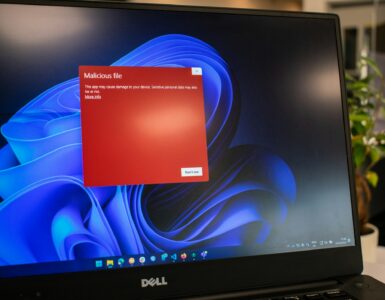
There are a few warning signs worth taking seriously. An update that arrives from a strange address, asks users to disable security settings, or pressures them to install an unrelated tool deserves suspicion. So does an installer whose publisher cannot be verified when the operating system normally shows one. Security warnings are not always easy to read, but they often appear when the trust proof is missing or unusual.
Users can also reduce risk by keeping automatic updates on for major software, removing apps they no longer use, and downloading new software from the original publisher or a trusted store. Those habits do not require deep technical knowledge. They simply keep updates flowing through systems that are built to check signatures, versions, and sources before code runs.
Digital signatures work best when they are part of a larger pattern of trust. Developers protect signing keys. Update systems verify files before installation. Devices refuse packages that do not match. Users avoid shortcuts that bypass those checks. No single layer is perfect, but together they make software updates much harder to fake.
Why the Invisible Check Matters
Software updates can feel routine because they happen so often. That routine is exactly why the trust system behind them matters. A fake update does not need to persuade someone to try a strange new program; it only needs to imitate a familiar maintenance step.
Digital signatures give devices a way to slow down and ask for proof. They connect a file to a signer, reveal unexpected changes, and help update systems reject packages that do not belong. The result is not blind trust in every update. It is a more careful kind of trust, built on verification before installation.