

 Akshay Dinesh
A meal can be cooked safely and still become risky if it sits on the table too long afterward. Refrigerate perishable leftovers within two hours, or within one hour when the surrounding temperature is above 90°F (32°C). Divide large amounts into shallow containers so they cool quickly, and keep the refrigerator at 40°F (4°C) or below. Those steps apply to a holiday turkey and stuffing, but also to an ordinary pot of soup or a restaurant takeaway.
Timing starts when food comes off the heat or is removed from refrigeration, not when everyone finishes eating. Planning for leftovers before serving makes it easier to enjoy a long meal without leaving the food out for the whole gathering.
Why cooling quickly makes a difference
Many disease-causing bacteria multiply rapidly at temperatures between 40°F and 140°F (4°C and 60°C), a range the U.S. Department of Agriculture calls the danger zone. Cooking reduces many harmful microorganisms, but cooked food can be contaminated again by hands, utensils, surfaces, or other foods. Some bacteria can also survive cooking as spores and grow if food cools too slowly.
A deep pot of stew cools from the outside inward. Its center can remain warm long after the surface feels cool. Splitting the stew among smaller, shallow containers gives the heat a shorter path out of each portion. Cutting a large roast or turkey into smaller pieces helps it cool more evenly, too. The point is not that every spot in the refrigerator instantly becomes cold; it is to reduce the time the food spends cooling through temperatures that favor bacterial growth.
Cold slows the growth of many bacteria, but it does not sterilize food. That is why both prompt cooling and a limited storage time matter. Food can also be unsafe without looking or smelling spoiled, so tasting a questionable portion is not a reliable safety test.
Put leftovers away while they are still hot
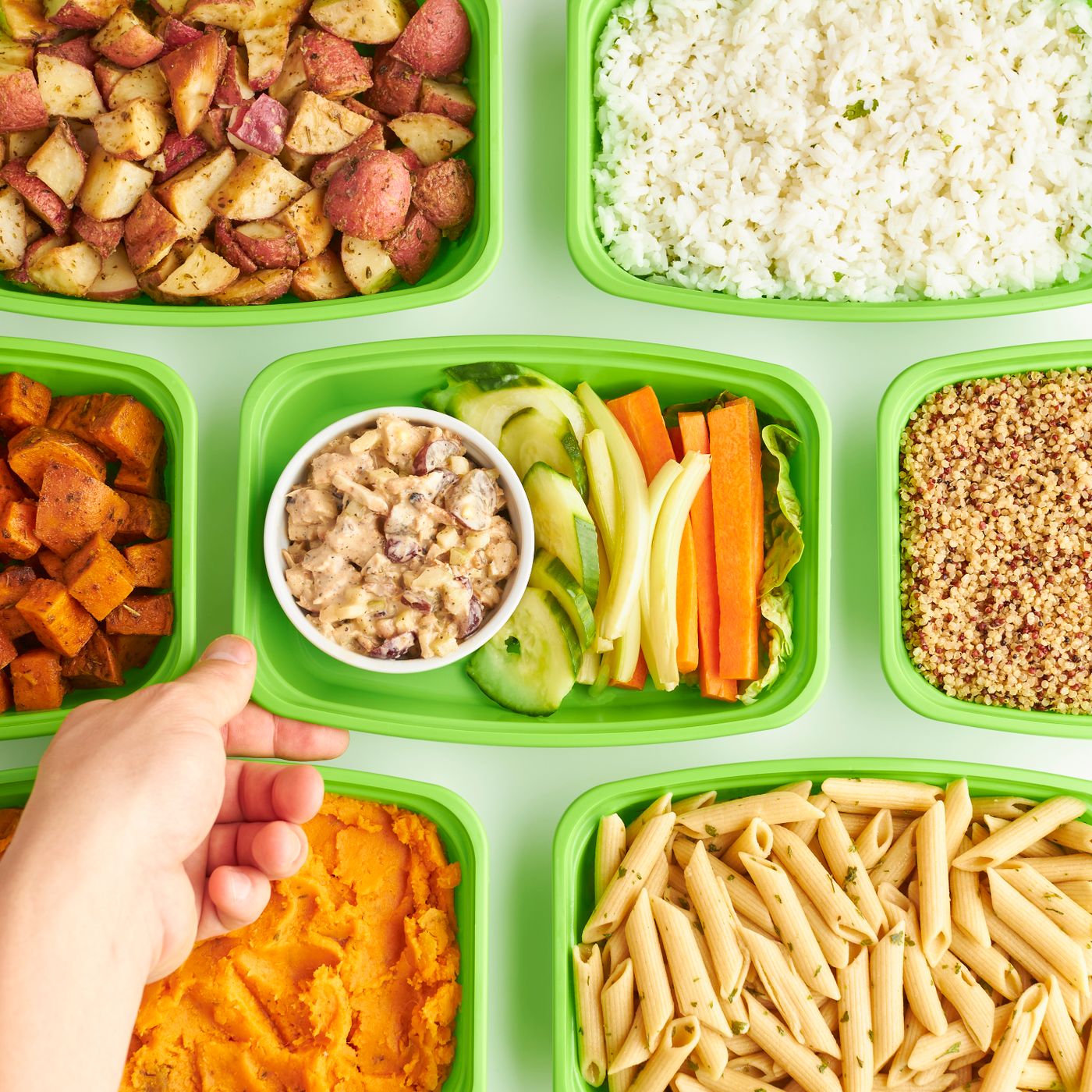
You do not need to leave food on the counter until it reaches room temperature. The U.S. Food and Drug Administration recommends dividing large amounts of hot food into smaller containers before refrigerating them. Place portions in the refrigerator promptly, and leave room for cold air to circulate rather than packing the shelves tightly. A refrigerator thermometer is useful because a dial setting alone does not tell you the actual temperature.
For a large holiday meal, set clean containers out before serving. Carve the remaining turkey off the bones and portion the meat; refrigerate stuffing and side dishes in their own shallow containers. A large pot of soup or gravy can be divided into smaller portions, or cooled in an ice-water bath while being stirred before refrigeration. Cover stored leftovers to protect them from contamination, and keep raw meat and its juices away from cooked food.
When a meal stays on the table for hours, the two-hour limit still applies. Put out smaller serving portions and replenish them from food kept safely hot or cold. If perishable food has been at room temperature for more than two hours, discard it; the limit drops to one hour above 90°F. When the elapsed time is uncertain, do not rely on appearance to decide that it is safe.
How long leftovers keep
The USDA recommends using properly refrigerated leftovers within three to four days, or freezing them for longer storage. Mark the container with the date so you do not have to reconstruct it later. This window assumes that the food was handled safely before it went into a refrigerator held at 40°F or below; refrigeration does not reset the clock on food that sat out too long.
Freezing at 0°F (−18°C) stops bacterial growth while food remains frozen, but it does not reliably destroy harmful bacteria or make an unsafe leftover safe again. Quality can decline during frozen storage, even when food remains continuously frozen. Freeze portions you do not expect to eat within the refrigerator window, and use freezer-suitable packaging to protect their texture.
Reheat thoroughly, without treating heat as a reset button
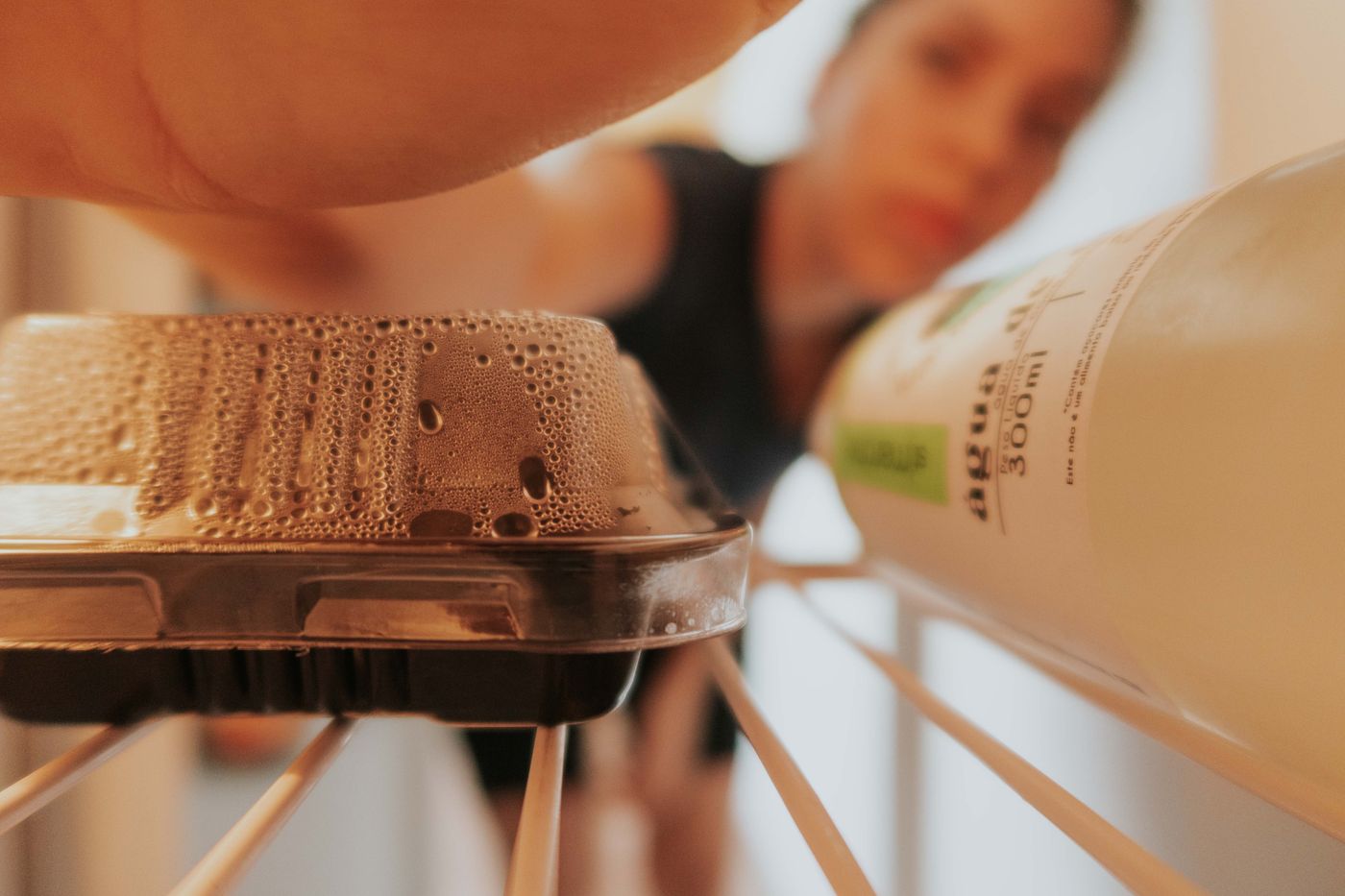
When reheating leftovers, the USDA recommends an internal temperature of 165°F (74°C), checked with a food thermometer in several places. Bring sauces, soups, and gravies to a boil. Microwave heating can be uneven, so cover the food, stir or rotate it, allow the recommended standing time, and check several spots. A hot edge does not guarantee that the center is hot enough.
Reheating is not a remedy for food that was stored unsafely. Some bacteria can produce toxins that ordinary reheating does not necessarily destroy. Nor is a slow cooker recommended for reheating leftovers: the food may spend too long warming through the danger zone. Reheat by a suitable faster method, then use equipment designed to hold hot food hot if needed.
The underlying habit is simple: keep track of time, divide food into manageable portions, and use temperature rather than guesswork. A little preparation before the meal protects the food you hope to enjoy afterward.
Sources: USDA: How do I handle leftovers safely?; USDA: What methods of reheating food are safe?; FDA: Refrigerator thermometers and food safety.




Add comment