
 Akshay Dinesh
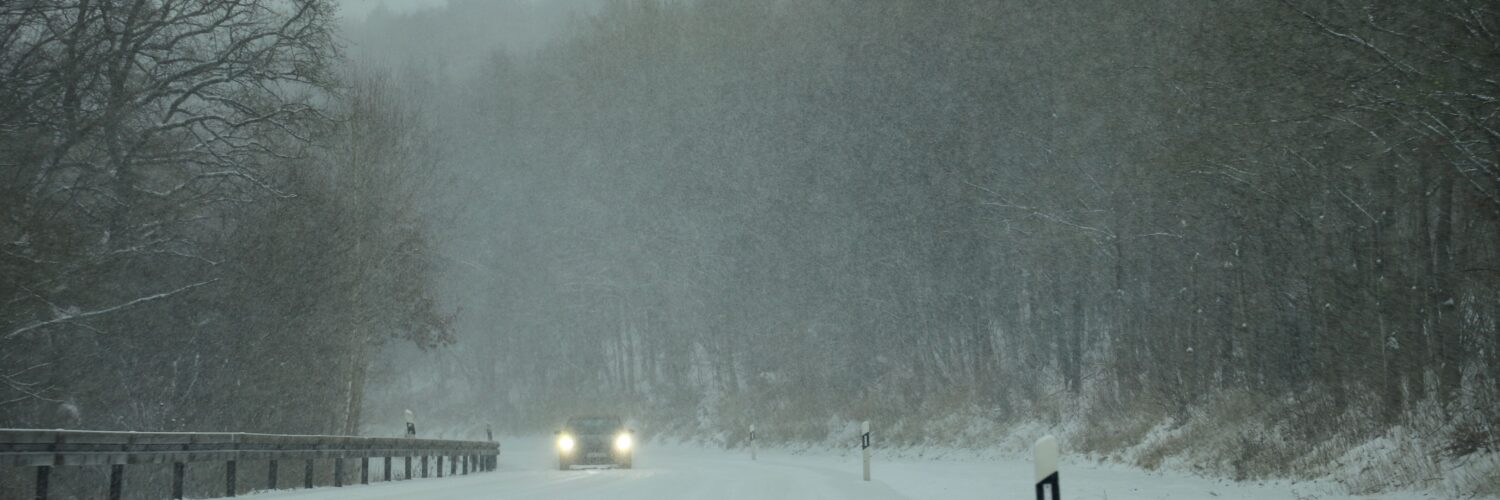
A winter road can look merely damp, the horizon still visible, and traffic moving normally. Then a narrow band of snow arrives. Within minutes, blowing flakes erase lane markings, the car ahead disappears, and pavement that seemed wet turns slick. That rapid change is the reason a snow squall warning deserves a different response from an ordinary forecast for light snow.
A snow squall is a brief, intense burst of snow and gusty wind. It may leave only a modest accumulation, but snowfall totals are not the main danger. The combination of near-whiteout visibility, abrupt wind, falling temperature, and a possible flash freeze can make a busy highway hazardous before drivers have time to adjust. Understanding the warning means paying attention to speed and timing, not just to how many inches are expected.
What a snow squall warning actually signals
The National Weather Service issues a snow squall warning when a short-lived band of snow is expected to create dangerous travel in a specific area. Unlike a winter storm watch or warning that may cover several counties for many hours, a snow squall warning is usually drawn as a relatively small polygon and often lasts less than an hour. It follows the moving hazard much like a severe thunderstorm warning follows a storm cell.
Local criteria vary with conditions, but forecasters commonly look for visibility falling to one-quarter mile or less while road temperatures are below freezing. A warning may also be justified when temperatures plunge behind a strong cold front, blowing snow reduces visibility, and wet roads are likely to freeze quickly. Radar, surface observations, road temperatures, webcams, and reports from trained observers can all help forecasters decide whether a dangerous squall is developing.
Some warnings carry a significant impact tag. The Weather Service uses that tag when the squall poses a substantial threat to safe travel, and those higher-impact warnings can trigger a Wireless Emergency Alert on phones in the path. A basic warning may not produce the same phone alert. Either type still means that hazardous conditions are imminent or already occurring inside the warning area.
How a clear road can become a whiteout
Many snow squalls form along or just behind a strong cold front. Cold, dense air pushes underneath milder air and forces it upward. If the lower atmosphere contains enough moisture and is unstable enough for rising air to keep climbing, a narrow line of vigorous snow showers can develop. The process resembles summertime convection, although the cloud produces snow instead of a downpour.
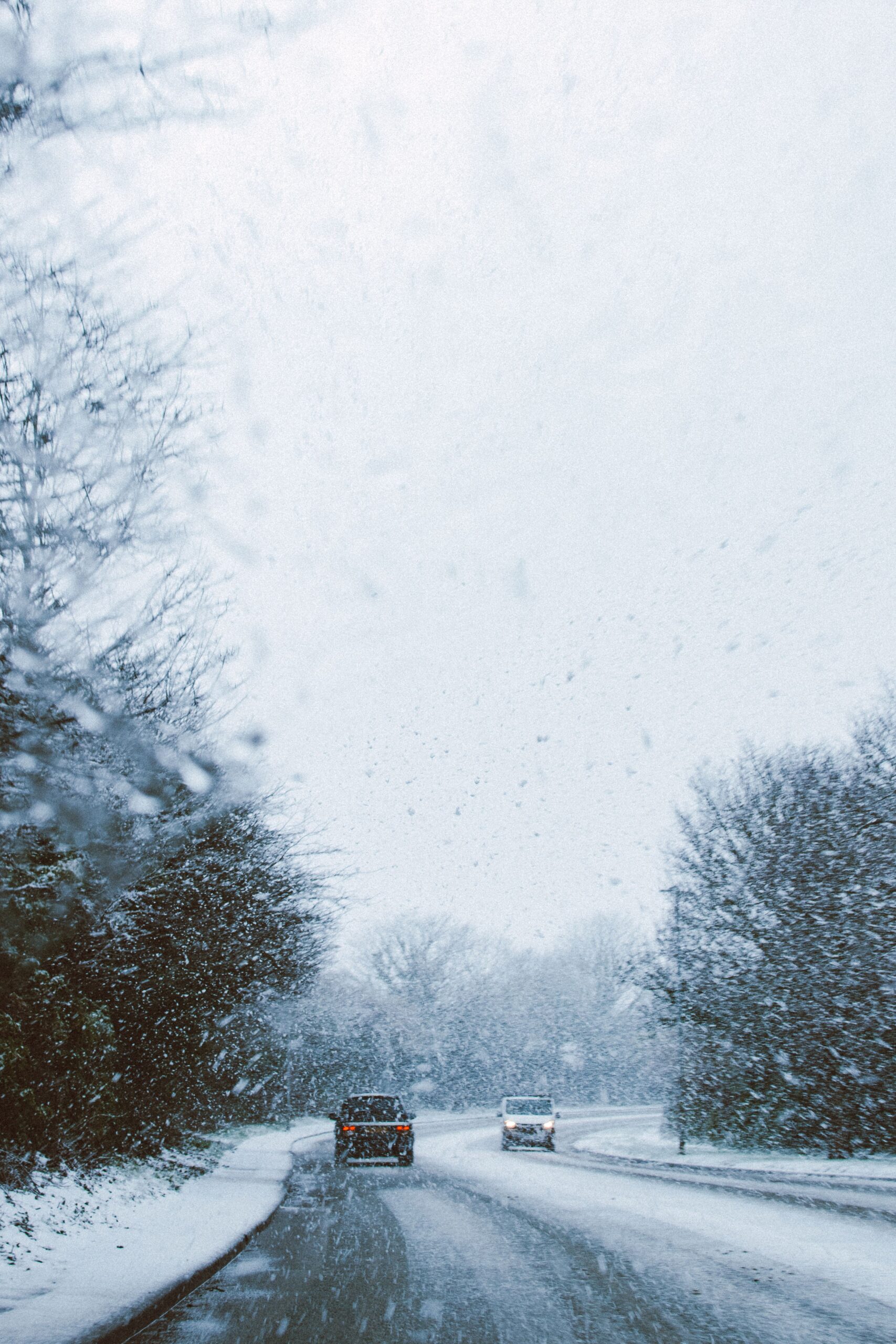
The band can be only a few miles wide. A driver ahead of it may see broken clouds or even sunshine, while another driver a short distance away is already inside heavy snow. Strong downdrafts and the front’s wind shift can lift loose snow from the ground, adding blowing snow to what is falling from the cloud. That is why the horizon can vanish so suddenly.
Snowfall rates inside the band can be intense even though the event is short. National Weather Service training material notes that rates near two inches in 30 minutes are possible in strong squalls. Yet a driver does not need two inches on the road to lose visual reference. Dense flakes and blowing snow can hide taillights, lane lines, shoulders, and stopped traffic before a deep layer accumulates.
Lake-effect snow bands can also produce squall-like conditions downwind of large lakes, especially the Great Lakes. Those bands may persist longer because relatively warm lake water supplies moisture and heat to cold air passing overhead. The warning question remains the same: are conditions changing quickly enough, over a focused area, to create an immediate travel threat?
Why the road can become dangerous faster than the snow piles up
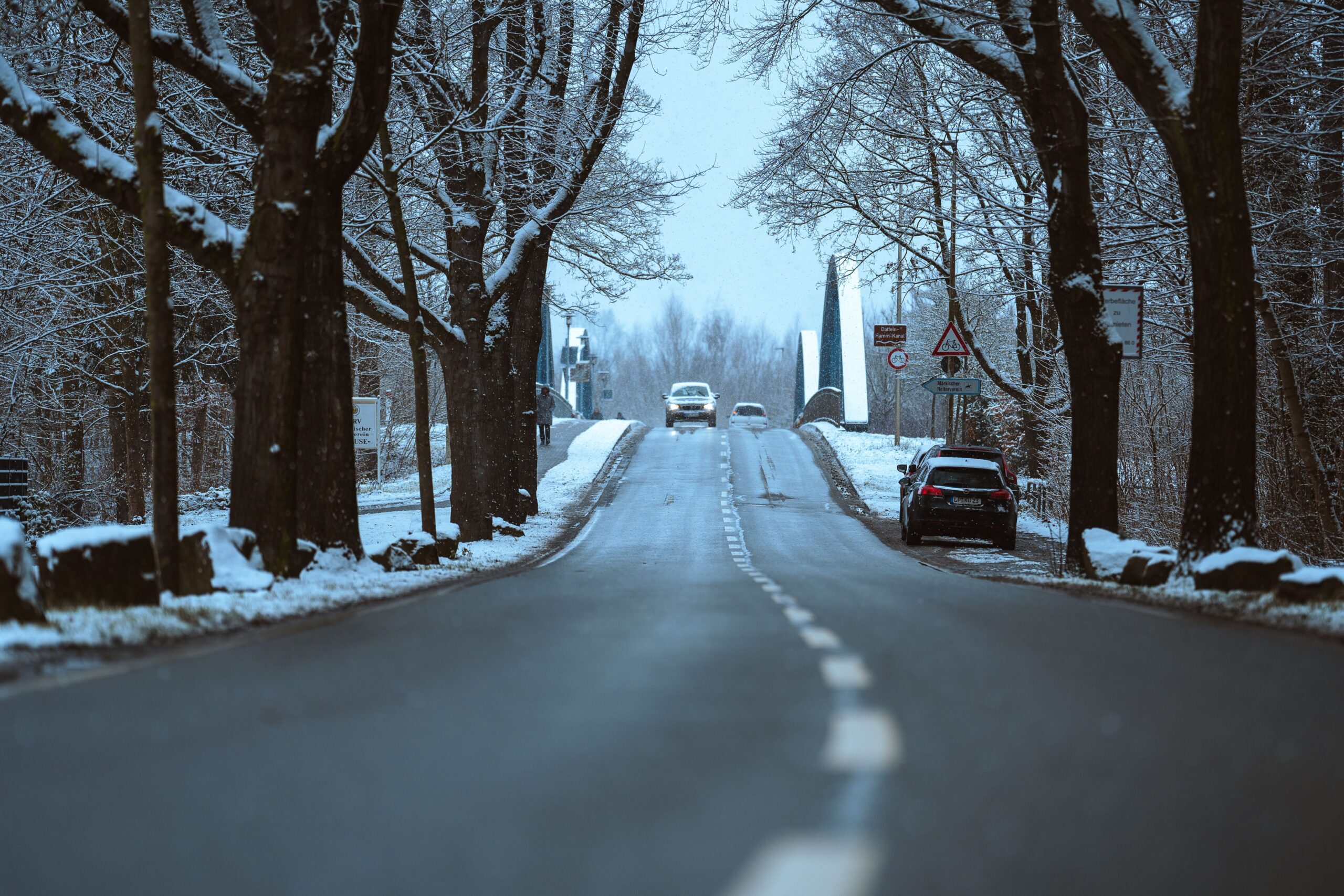
Visibility loss is only one part of the hazard. When the temperature drops through freezing, water on the pavement can turn to ice in a flash freeze. Traffic may have melted the first flakes on a treated or previously warm road, leaving a shiny wet surface. A surge of colder air can then freeze that film while fresh snow covers it, making the loss of traction difficult to see.
This combination creates a dangerous mismatch among vehicles. Drivers entering the band may brake sharply when visibility collapses. Drivers already inside may be moving slowly or may have stopped after a spin. Vehicles behind them can enter at highway speed with little distance in which to react. One collision can become a chain-reaction crash as more traffic reaches the same patch of whiteout and ice.
Bridges, ramps, shaded sections, and exposed stretches can change first because their surfaces lose heat differently from the main roadway. Treatments also vary from one road to another. A clear-looking route several miles away therefore says little about conditions inside the narrow band. The squall’s small footprint can be misleading: a hazard does not need to cover an entire region to be life-threatening where it crosses a busy road.
How to read the alert and respond
A warning message identifies the affected polygon, the expected movement, the expiration time, and the main impacts. It may say whether the squall is radar indicated or observed. Radar indicated means the radar pattern and nearby atmospheric conditions support the warning even if the worst conditions have not yet been confirmed at the ground. Observed means surface instruments, cameras, law enforcement, spotters, or other reliable reports have confirmed the hazard.
The expiration time is not an appointment for the danger to begin. A short-fused warning may be issued only minutes before the band reaches a road, and conditions may already be poor in part of the polygon. Check your position and route on the alert map rather than assuming a county-wide label tells the whole story. A route can cross the warning area even when your starting point and destination lie outside it.
If travel has not begun, the National Weather Service recommends avoiding or delaying the trip until the squall passes. That advice reflects the warning’s short duration: waiting 30 to 60 minutes may remove the whiteout from the route, though road conditions still need to be checked afterward. If already driving and a safe exit is available before the band, leaving the highway early is safer than trying to beat the snow line.
A driver caught in the squall should make smooth, predictable changes: reduce speed, turn on headlights and hazard lights, and leave much more following distance. Sudden braking can start a skid and give following traffic less time to react. The Weather Service also warns against stopping in a travel lane. If a crash or pileup occurs, standing on or near the roadway can expose a person to vehicles arriving through the whiteout; follow instructions from emergency responders and use emergency services when help is needed.
Why an expired warning does not mean an ordinary road
The snow band may move away quickly, sometimes revealing blue sky behind it. That visual improvement can make the event seem finished, but ice, packed snow, stalled vehicles, and crash scenes may remain. Road crews need time to treat surfaces, and temperatures behind the front may keep falling. A warning expiring means the immediate squall has passed or weakened, not that every road inside the former polygon is clear.
Before resuming a delayed trip, check the latest forecast, state or provincial road-condition service, traffic cameras, and any closure reports. A 511 system can show whether the squall crossed the planned route and whether incidents remain. The next band may also be close behind, particularly where a cold front produces a line of separate snow showers or lake-effect bands repeatedly cross the same corridor.
A snow squall warning is easy to underestimate because it describes a small, fast event rather than a long storm. Its urgency comes from that speed. When snow, wind, and freezing pavement arrive together, the safest decision often has to be made before the road disappears. Treat the polygon as a moving travel hazard, wait when possible, and remember that a short warning can describe a very sharp change.