 Akshay Dinesh
The modern jack-o’-lantern looks so naturally suited to Halloween that a carved pumpkin can seem like the custom’s original form. It is not. In Ireland and parts of Britain, people hollowed hard root vegetables such as turnips and rutabagas, cut faces into them, and put lights inside. The pumpkin entered the story after the custom crossed the Atlantic, where a large, hollow New World fruit was easier to carve and far more visually striking. That change was more than a simple swap of ingredients. Folklore, migration, agriculture, print culture, and commerce all helped turn a local lantern practice into one of the most recognizable symbols of autumn.
Before pumpkins, the lantern was a root vegetable
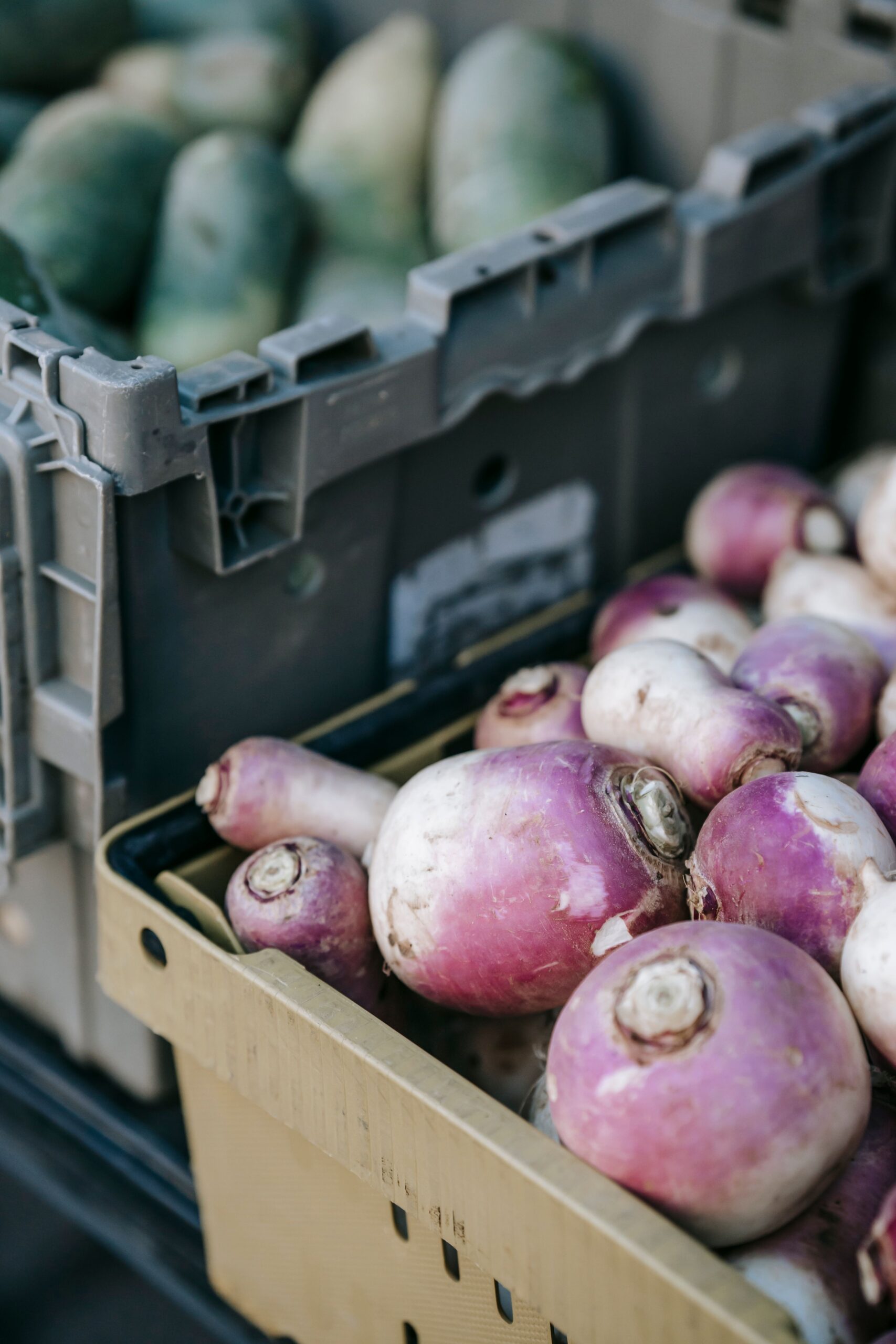
A surviving object in the National Museum of Ireland makes the older custom unusually tangible. The museum’s collection includes a plaster model of a carved “ghost turnip” from Fintown, County Donegal. A schoolteacher who donated the original turnip in 1943 said it represented the kind made in that area around 1900. Its deeply cut eyes and mouth look more severe than the broad grin of many pumpkin lanterns. That difference comes partly from the material: a dense turnip is smaller, paler, and harder to hollow than a pumpkin.
Turnip lanterns belonged to a wider set of customs observed around October 31. In the traditional Irish calendar, Samhain marked the beginning of winter, and the night was associated with darkness, disguise, pranks, divination, and stories about beings that crossed ordinary boundaries. The National Museum of Ireland records that candles were placed inside carved turnips, which could be carried or set in windows. Some frightened neighbors; others gave light or supplied a protective, unsettling face for a night when the familiar world was imagined as unusually open to the supernatural.
It is tempting to compress every Halloween practice into a single ancient origin, but folk customs rarely develop so neatly. Seasonal festivals, Christian observances around All Hallows, local games, ghost stories, and community pranks influenced one another over generations. Carved vegetable lanterns were part of that changing mixture. They did not need to mean exactly the same thing in every village or family to become memorable.
A wandering Jack gave the lantern a name
The expression jack-o’-lantern existed before the orange Halloween face became standard. “Jack” was once a common name for an ordinary man, and the phrase could describe a man carrying a lantern or a strange light seen at night. Those distant lights were also called will-o’-the-wisps. They could be caused by a real lamp, an atmospheric effect, or a natural glow, but folklore turned them into misleading spirits that lured travelers away from a safe path.
Stories later gathered around a troublesome figure often called Stingy Jack. In a familiar version, Jack tricks the Devil more than once and wins a promise that the Devil will not take his soul. When Jack dies, he is admitted to neither heaven nor hell. He is left to wander with a burning coal, which he places inside a hollowed turnip to make a lantern. “Jack of the lantern” becomes Jack-o’-lantern.
That tale explains the name beautifully, but folklore is not a dated invention with one official script. Versions differ in Jack’s tricks, his character, and the object that holds the light. Library of Congress folklife material emphasizes that Britain and Ireland preserved several stories about Jack as a mischievous spirit. The legend should therefore be understood as one branch of a living storytelling tradition, not as proof that one person or one evening created the custom.
The carved face and the wandering light reinforced each other. A lantern made from a pale root already looked uncanny when illuminated from within. Connecting it to a restless trickster gave the object a character and a story people could repeat. The name survived even after the vegetable changed.
In North America, the pumpkin was the better lantern
Immigrants did not arrive in North America with a fixed, museum-ready Halloween package. They brought memories, stories, recipes, games, and seasonal habits that changed in new communities. Irish immigration grew sharply during and after the Great Famine of the 1840s, and customs associated with Halloween became more visible in the United States. People from Scotland, England, and other places added related practices of their own. The result was a new holiday culture assembled from many sources rather than a perfect copy of one old celebration.
The available plant life helped determine what the lantern became. Pumpkins and other squashes belong to the genus Cucurbita, which is native to the Americas. Smithsonian research describes the orange-skinned pumpkin lineage of Cucurbita pepo as a crop domesticated in Mexico thousands of years before Europeans reached the Americas. Indigenous peoples cultivated squash in several regions and developed many forms for food, storage, and other uses. Calling the pumpkin merely an empty replacement for a European turnip misses that much longer agricultural history.
For a carver, however, the pumpkin offered obvious advantages. It grew much larger than a turnip, its interior cavity contained loose seeds and fibers that could be scooped out, and its rind could hold a bold design without requiring the same force as a dense root. Its orange color matched the harvest season, and a single candle could illuminate a face large enough to be seen across a yard. The material invited bigger expressions, from simple triangles to elaborate scenes.
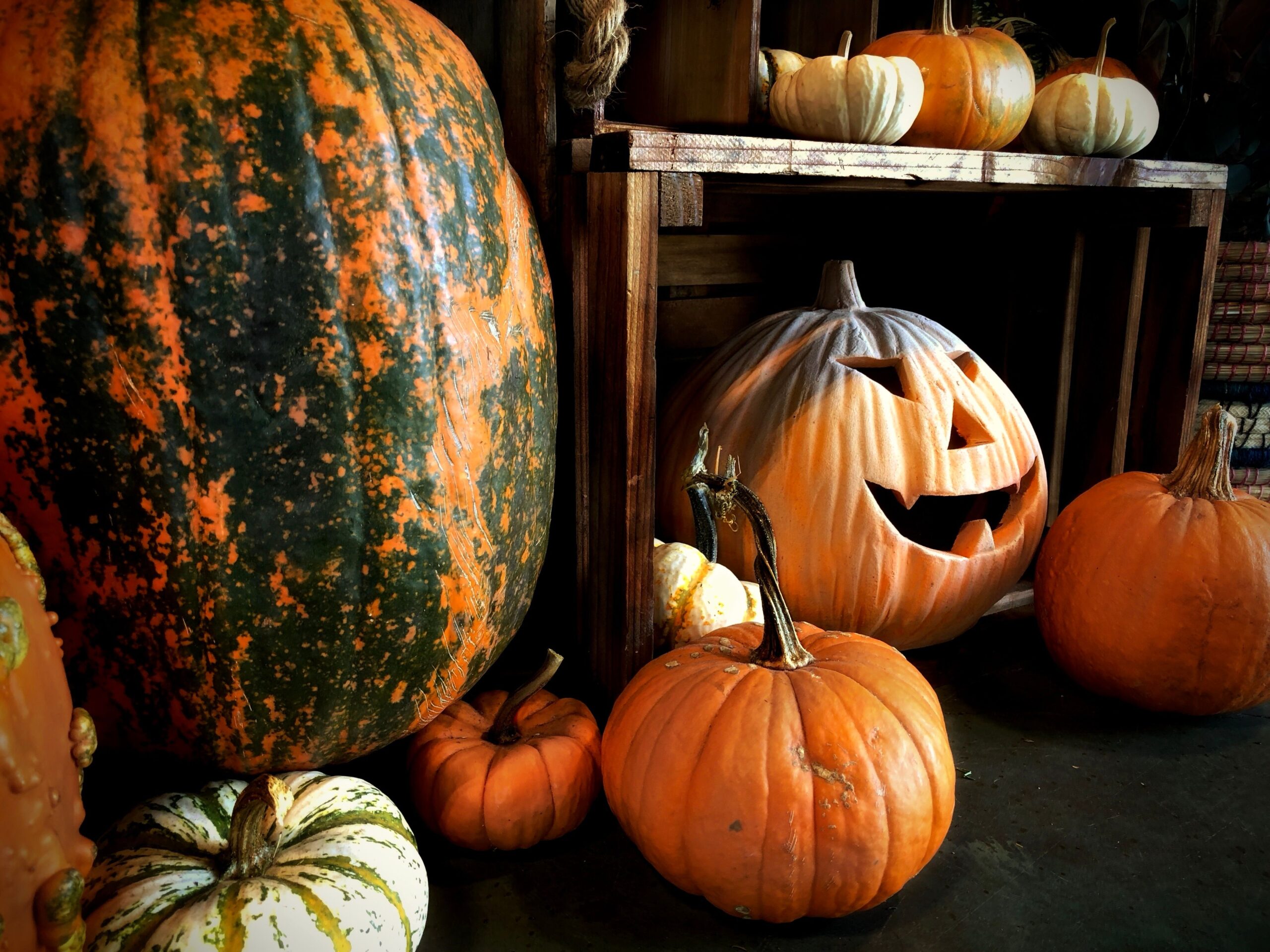
Evidence from the nineteenth century shows the pumpkin form becoming familiar. The Library of Congress holds an 1872 print of a boy and girl carving a pumpkin into a jack-o’-lantern. By then, the American version was recognizable enough to appear as an ordinary domestic scene. The image also captures an important shift: the lantern was no longer only a frightening object associated with dark roads or spirits. It had become a project children could make at home.
Print and commerce made the pumpkin face standard
Newspapers, magazines, postcards, party manuals, and store displays carried the pumpkin lantern far beyond the communities that first practiced vegetable carving. Library of Congress newspaper collections include elaborate Halloween features from the early twentieth century in which jack-o’-lanterns appear beside games, costumes, fortune-telling, and party decorations. Repeated illustrations gave readers a shared visual vocabulary: round orange head, cut eyes, glowing mouth.
Mass production strengthened that image. Seed companies and growers could sell pumpkins selected for color, shape, rind quality, and a sturdy stem. Illinois Extension notes that plant breeders later developed varieties specifically suited to carving, with names such as Happy Jack, Spooktacular, and Jack-O-Lantern. Holiday retailing supplied carving tools, patterns, electric lights, and decorations modeled on the same face. A custom that once depended on whatever root vegetable a household had could now support an entire seasonal market.
The design also became less tied to frightening spirits. Some faces remained menacing, but others were comic, welcoming, or highly artistic. Schools and community groups held carving contests. Families used pumpkin patches as autumn destinations, while artists treated the rind as a temporary sculpting surface. The jack-o’-lantern could still suggest danger at a doorway, yet it also signaled hospitality: Halloween was being celebrated here.
The change from turnip to pumpkin reveals how traditions travel
A tradition can feel ancient and still be full of recent choices. The jack-o’-lantern carries the memory of Irish and British root lanterns, several legends about wandering lights, the experience of migration, Indigenous crop history in the Americas, and the growth of a commercial holiday. None of those layers cancels the others. Together they explain why a familiar object can belong to more than one place and period.
Turnip lanterns have not vanished. Museums display them, communities revive them, and modern carvers sometimes discover just how demanding the older material can be. The pumpkin nevertheless changed the scale and appearance of the custom so successfully that it became difficult to imagine Halloween without one. Its grin is a record of cultural adaptation: people carried a practice to a new landscape, found a different plant, and remade the lantern while keeping its old name glowing inside.