 Akshay Dinesh
When stock prices fall with unusual speed, U.S. exchanges do not always keep trading without interruption. A market-wide circuit breaker can pause nearly the entire stock market for 15 minutes after a severe decline, or close it for the day after an extreme one. The pause does not cancel losses or force prices back up. It gives buyers, sellers, exchanges, and brokerage systems a short window to absorb information and rebuild an orderly market.
The name comes from electrical safety: a circuit breaker interrupts a dangerous surge before activity resumes. Financial markets use the same basic idea, but the “surge” is a rapid price move and the interruption is temporary. The rules are precise, coordinated across exchanges, and much narrower than the vague phrase “the market stopped” may suggest.
Why a fast fall can make trading harder
A stock price is not handed down by an authority. It emerges from bids to buy and offers to sell. In a calm market, many orders sit near the latest price, so a seller can usually find a buyer without moving the price very far. This supply of ready trading interest is called liquidity.
During a shock, liquidity can thin out just when sell orders multiply. Some traders withdraw quotes because they cannot judge what an asset is worth; automated strategies may react to the same signals at nearly the same time; and market orders can reach prices far from what their owners expected. The result can be a feedback loop in which falling prices trigger more selling, which produces sharper falls and still more urgent orders.
A trading pause creates time, not certainty. Investors can read new information, brokers can check their systems and risk limits, and market makers can submit fresh quotes. Most important, an exchange can gather orders for a reopening auction instead of letting scattered trades determine the next price one by one. That process may improve price discovery, the market’s attempt to find a price at which buyers and sellers are willing to meet.
The 7%, 13%, and 20% circuit-breaker levels
The current U.S. market-wide rules measure a decline in the S&P 500 from its previous day’s closing value. According to the New York Stock Exchange’s February 2026 Market-Wide Circuit Breakers FAQ, the three thresholds are 7 percent, 13 percent, and 20 percent. Exchanges calculate the corresponding index levels before each trading day.
- Level 1: a 7% decline. If reached before 3:25 p.m. Eastern Time, it triggers a 15-minute halt.
- Level 2: a 13% decline. If reached before 3:25 p.m., it also triggers a 15-minute halt.
- Level 3: a 20% decline. If reached at any point in the trading day, it closes the market for the rest of that day.
A Level 1 or Level 2 decline at or after 3:25 p.m. does not produce a halt; trading continues unless the market reaches Level 3. Each of the first two levels can trigger only once in a day. If the market reopens after a Level 1 pause and falls farther, another 7 percent move does not repeat Level 1. The next possible market-wide halt comes when the total decline from the previous close reaches 13 percent.
Suppose the S&P 500 ended yesterday at 5,000. The day’s thresholds would be 4,650 for Level 1, 4,350 for Level 2, and 4,000 for Level 3. Those are index values, not Dow “points,” and not the percentage loss in every stock. One company might be down much more or much less while the broad index crosses a circuit-breaker line.
What happens while the market is paused
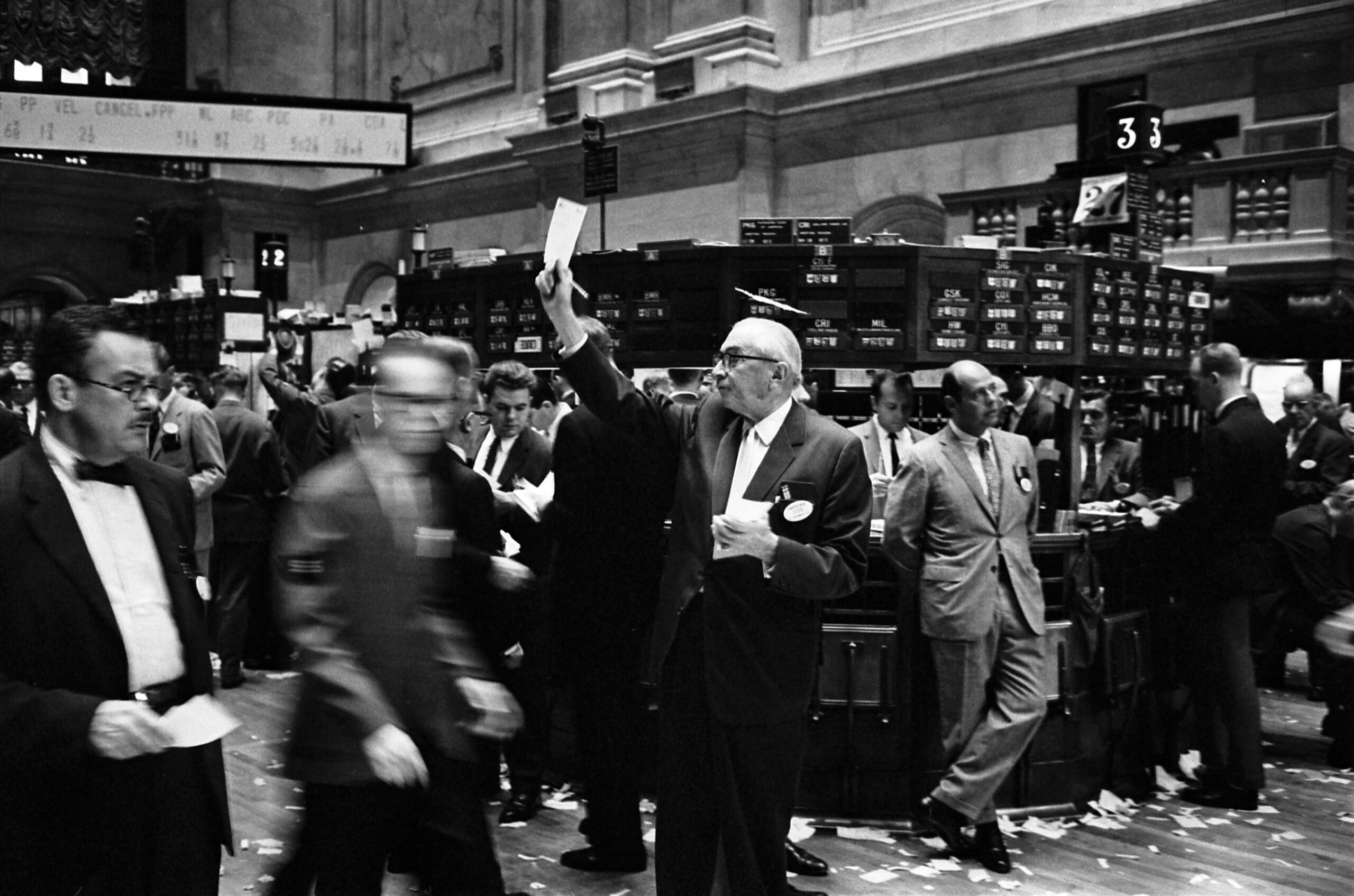
A market-wide halt is coordinated. It is not simply one exchange deciding to stop while the same shares continue trading freely elsewhere. The rules interrupt trading across U.S. equity markets, and related options markets follow coordinated procedures. Prices may still move in other financial markets, and news does not stop arriving.
The pause also does not wipe the order book clean automatically. Each exchange has rules governing which orders it will accept, cancel, or hold during the halt. On the NYSE family of exchanges, eligible orders can enter the reopening process. Buy and sell interest is then brought together in an auction designed to establish a single reopening price with as much matched volume as possible.
That reopening price can be below the last trade before the halt. A circuit breaker is not a price floor, and regulators do not use it to declare that the market has fallen “enough.” If new information justifies lower valuations, trading can resume at lower prices. The safeguard is meant to make the transition more orderly, not to choose the correct answer for investors.
The modern system grew from episodes when market machinery came under severe stress. After the Dow Jones Industrial Average fell 22.6 percent on Black Monday, October 19, 1987, the Brady Commission recommended coordinated trading pauses, and the first market-wide breakers followed in 1988. The thresholds and reference index have changed since then. They were triggered four times during the extreme pandemic-driven volatility of March 2020, showing how rarely the market-wide mechanism is used even though exchanges prepare for it every day.
A single-stock pause is a different mechanism
A headline saying that “trading was halted” may have nothing to do with the three market-wide levels. U.S. markets also use the Limit Up-Limit Down system, usually shortened to LULD, to contain extraordinary moves in an individual stock or exchange-traded product. It establishes upper and lower price bands around a rolling reference price. The width of those bands depends on the security, its price, and the time of day.
Trades generally cannot occur outside the active bands. If trading remains pinned at a band instead of moving back into the permitted range, a brief pause can follow. This system was developed after the May 6, 2010 Flash Crash, when prices in many securities moved abruptly and some trades occurred at irrational levels. Unlike a market-wide breaker, LULD can pause one security while thousands of others continue trading.
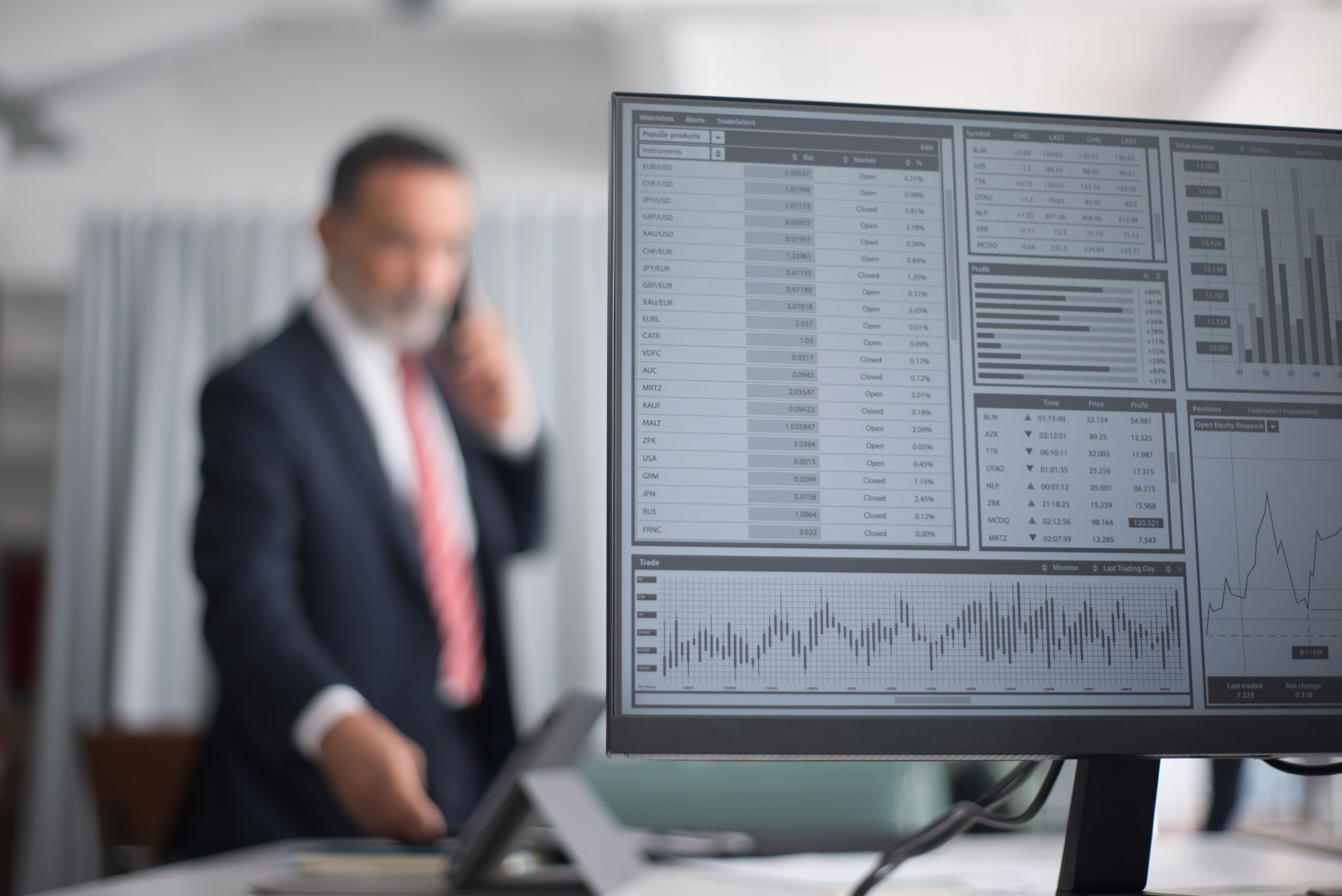
News halts are different again. An exchange may pause one company’s stock before a major announcement so information can reach the public before trading restarts. FINRA notes that mergers, management changes, legal developments, or important product news can lead to such a halt. The Securities and Exchange Commission can also impose a trading suspension for up to 10 trading days when it believes investors may be at risk, such as when reliable public information is missing or manipulation is suspected. A volatility pause, a pending-news halt, and an SEC suspension may all prevent a trade, but they arise from different rules and signal different concerns.
What circuit breakers can and cannot accomplish
Circuit breakers are intended to slow a disorderly rush, not to prevent markets from declining. The pause can give participants time to replace vanished liquidity, correct mistaken assumptions, and prepare systems for heavy order flow. It can also reduce the chance that a few trades made in a moment of confusion become the reference prices for many more transactions.
There is a tradeoff. Stopping trading delays price discovery, and the approach of a known threshold may sometimes encourage traders to act before the halt. Reopening can still be volatile because the underlying news has not changed. Researchers and regulators therefore study not only whether pauses occur, but how prices, order books, and liquidity behave before and after them.
For an ordinary investor, the practical point is simple: a halted market is not a frozen account and not a promise of recovery. Orders may remain pending, reopening prices may gap sharply, and a market order can still execute at an unexpected price once trading resumes. FINRA has specifically warned that stop orders become market orders when triggered and may receive prices far from the stop level during volatile conditions.
Market-wide circuit breakers work like a scheduled breath in an unscheduled panic. They give the trading system a chance to regroup, but they do not remove risk, reverse bad news, or decide what a stock is worth. When the pause ends, buyers and sellers still have to do that work themselves.