 Akshay Dinesh
Homecoming can look simple from the outside: a football game, a dance, a parade, maybe a week of themed outfits and pep rallies. But the tradition lasted because it solved a real problem for schools. It gave former students a reason to return, current students a way to feel part of something larger, and communities a public celebration that made school identity visible. A homecoming weekend is not only about who wins the game or who wears a crown. It is a ritual built around belonging.
The word itself carries the main idea. Someone who has left is invited to come home, not to a private house, but to a shared place with memories, teams, teachers, classmates, routines, songs, and stories. That is why homecoming can feel meaningful even when its activities seem ordinary. The parade, game, dance, and reunion all point toward the same message: a school is not only a building people pass through. It is a community that keeps claiming them after they move on.
How Homecoming Began as an Alumni Invitation
Modern homecoming grew out of early twentieth-century college culture, when universities were learning how to keep graduates connected after they left campus. Alumni groups wanted former students to visit, donate, cheer for teams, meet old friends, and remember why the school mattered to them. Football helped because it supplied a date, a crowd, and a dramatic public event. Instead of asking alumni to return for a quiet meeting, schools could invite them back for a weekend that already had noise, color, and excitement.
Several universities tell early homecoming origin stories, which is why the tradition has no single clean birthplace. Baylor University points to a 1909 celebration as an early large-scale homecoming with alumni events and a football game. The University of Illinois held a major homecoming in 1910, and the University of Missouri promoted a 1911 football weekend that helped popularize the phrase “come home” for returning alumni. The details differ, but the pattern is clear: schools were turning alumni loyalty into a scheduled public event.
That pattern spread because it was easy to adapt. A college with a football team could build a weekend around the big game. A smaller school could make the reunion more local. High schools could borrow the pageantry without needing a large alumni office. Over time, homecoming became less about one institution’s origin story and more about a flexible American school ritual: return, gather, cheer, remember, and celebrate.
Why Football Became the Centerpiece
Football became central to many homecomings because it already gathered different parts of the school community in one place. Students could attend. Alumni could travel back for it. Parents and townspeople could join. Bands, cheer squads, student clubs, and local businesses could all participate around the same event. A game created a stage wide enough for the whole community to see itself.
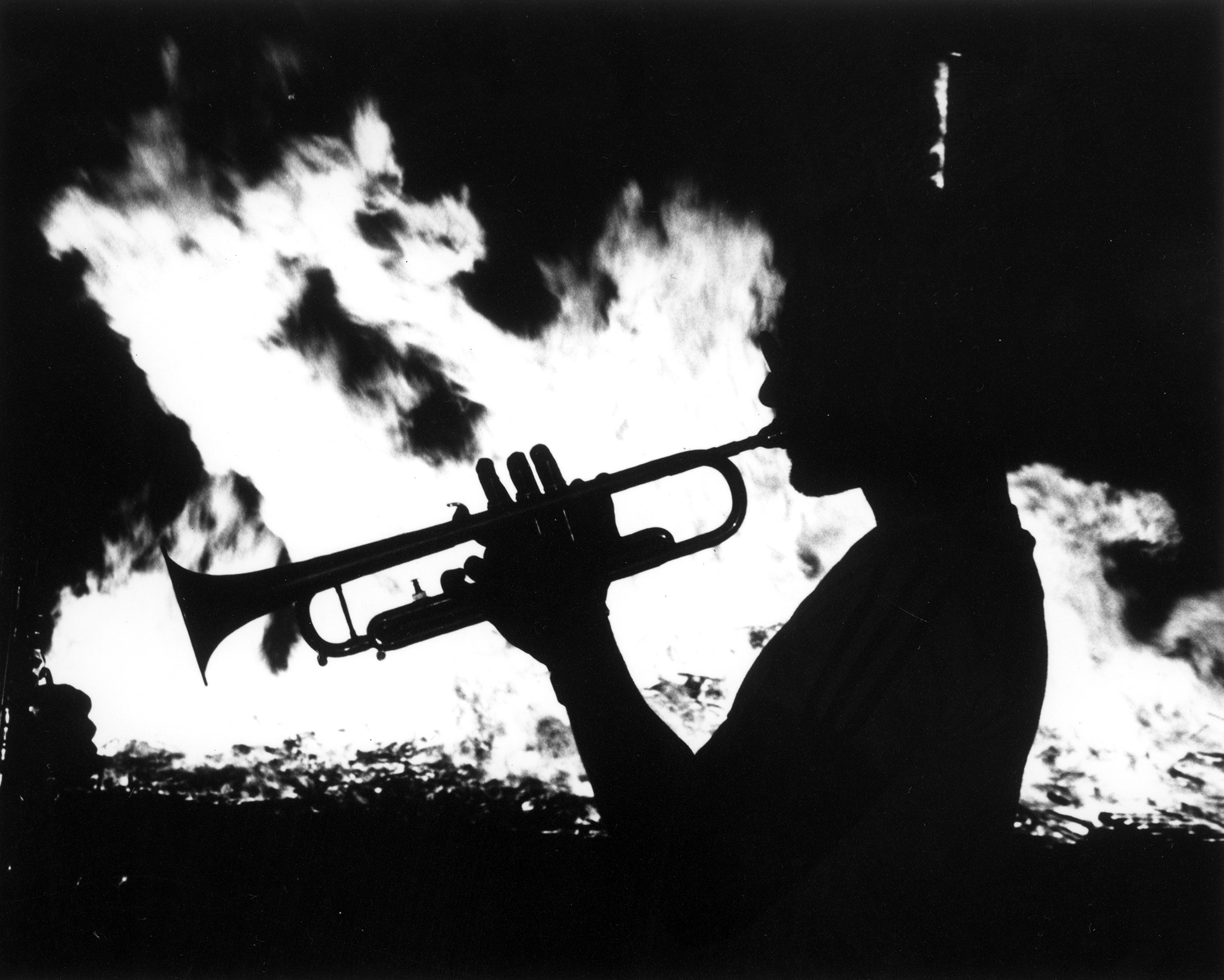
The sport also gave homecoming a useful kind of suspense. A reunion by itself looks backward, but a game unfolds in the present. People come to remember old friendships, then find themselves cheering with current students in real time. That combination of memory and shared attention is powerful. It lets older alumni feel connected to the school as it exists now, while current students see that they are part of a longer chain.
Still, football is not the whole tradition. Many schools hold homecoming events around soccer, basketball, arts performances, or community festivals. Some schools without varsity football still organize dances, spirit weeks, alumni panels, parades, and reunions. The deeper structure matters more than the sport: homecoming needs a gathering point, a reason to return, and enough visible activity to make the return feel special.
How Pageantry Turns a Calendar Date Into a Ritual
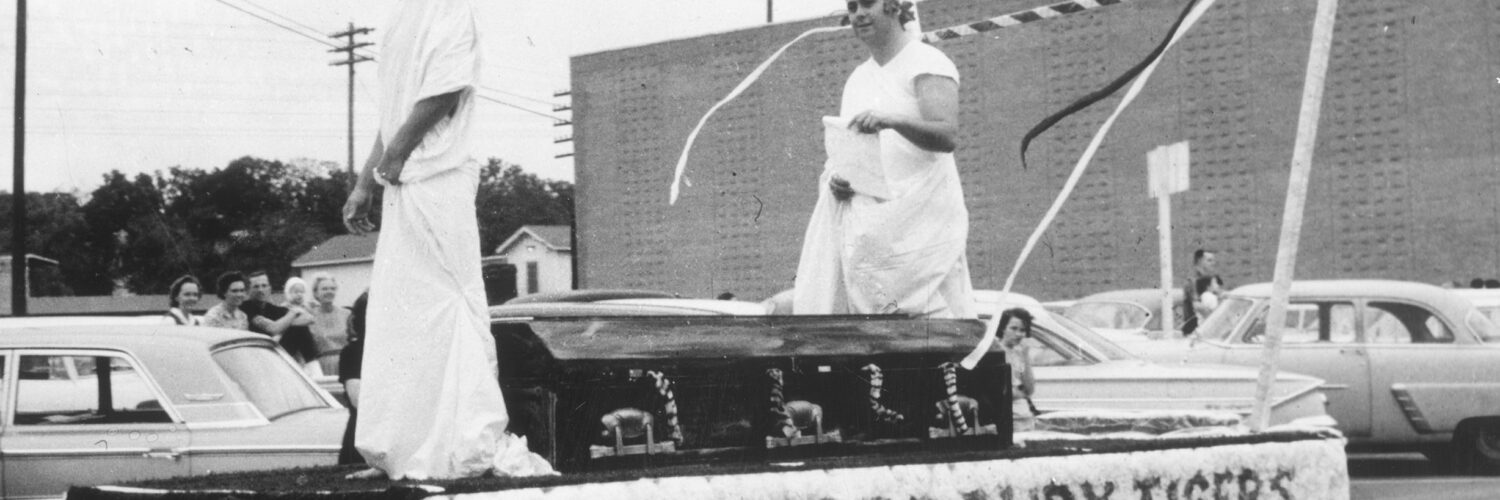
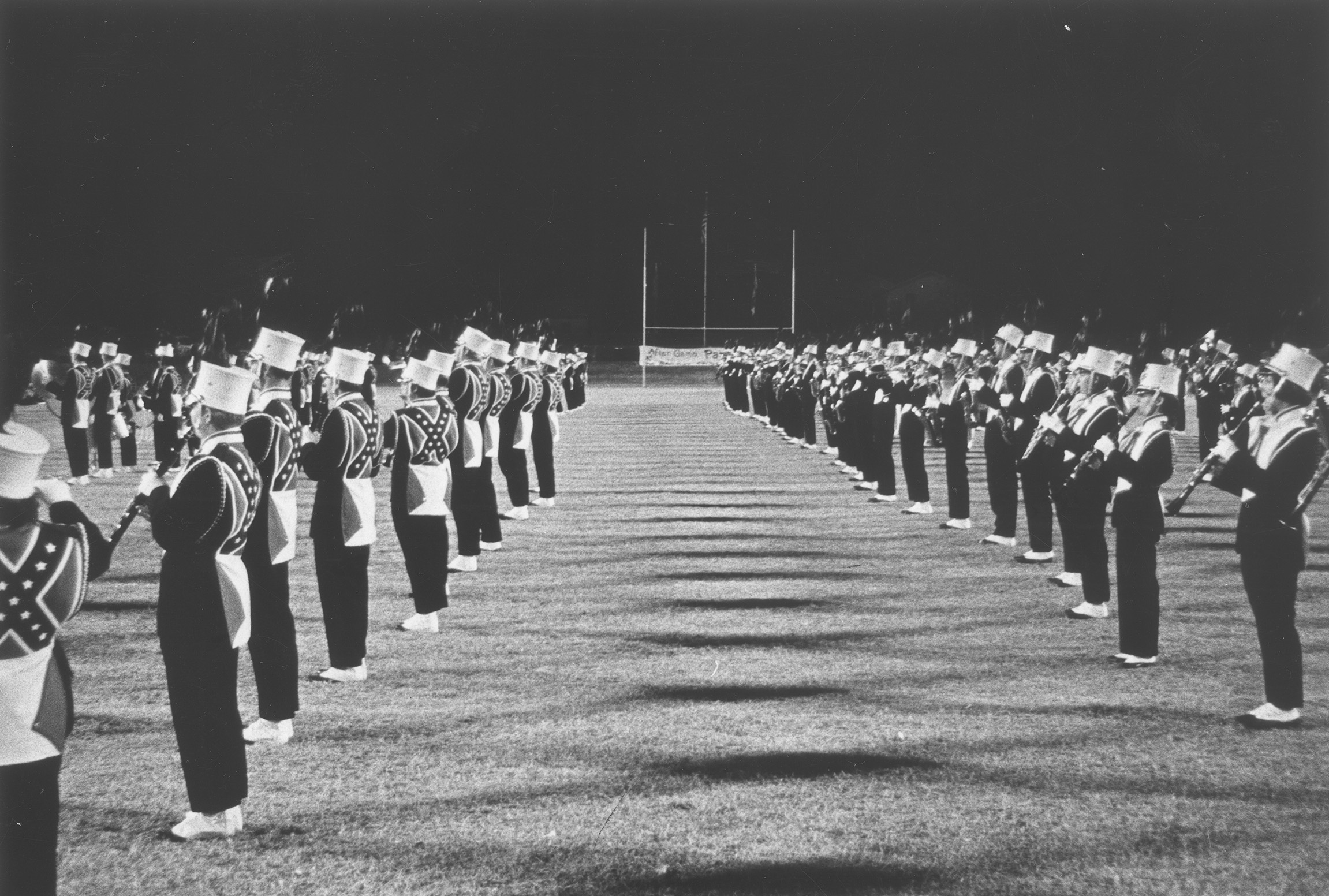
Homecoming became memorable because schools learned to surround the main event with pageantry. Parades, floats, marching bands, banners, bonfires, spirit days, class competitions, and courts all give people roles to play. A student who is not on the team can build a float. A band member can perform. A club can decorate a hallway. A parent can volunteer. An alumnus can wave from the crowd and recognize the same colors worn by a new generation.
These details may look decorative, but rituals depend on repeated signs. Colors, songs, mascots, routes, and ceremonies help a community recognize itself from year to year. When a school repeats a homecoming parade, it is not only copying last year’s schedule. It is teaching people what counts as a shared memory. The float, the drumline, the cheers, and the final score become pieces of a story people can retell.
That is why homecoming can survive changes in fashion and technology. The dresses, music, photo styles, and announcement methods change constantly. The basic rhythm stays familiar: preparation, display, gathering, celebration, and return. A tradition lasts when it can keep its shape while letting each generation add its own details.
Why High Schools Made Homecoming Their Own
High schools adopted homecoming because it fit their social world especially well. A high school is usually tied to a neighborhood, town, or district, so the event can involve more than enrolled students. Younger children see what school life might look like later. Graduates return from college, work, or military service. Families fill the stands. Teachers watch former students reconnect with people who once saw them every day.
For current students, homecoming often becomes one of the first big experiences of public school identity. It gives them a reason to dress in school colors, learn chants, decorate shared spaces, and pay attention to traditions that may have existed long before they arrived. Those customs can feel silly and serious at the same time. That mix is part of their power. A themed day may be playful, but it gives students a low-stakes way to join a larger group.
Homecoming dances added another layer. They turned the tradition from a mainly athletic and alumni-centered event into a social milestone. Students remember asking someone to the dance, going with friends, choosing an outfit, taking photos, hearing a song, or staying awkwardly near the edge of the room before finally joining in. Not every memory is glamorous, but the event becomes a marker in the school year. It says: this is the season when the school pauses to notice itself.
What Homecoming Reveals About Belonging
Homecoming works because belonging is not only a feeling inside one person. It is built through repeated actions that other people can see. Wearing a color, standing for a song, walking in a parade, greeting a former teacher, or cheering beside people you barely know can all make membership feel real. A school community needs those shared signals because most of school life is divided into classes, grade levels, teams, and friend groups. Homecoming temporarily pulls those pieces into one public frame.
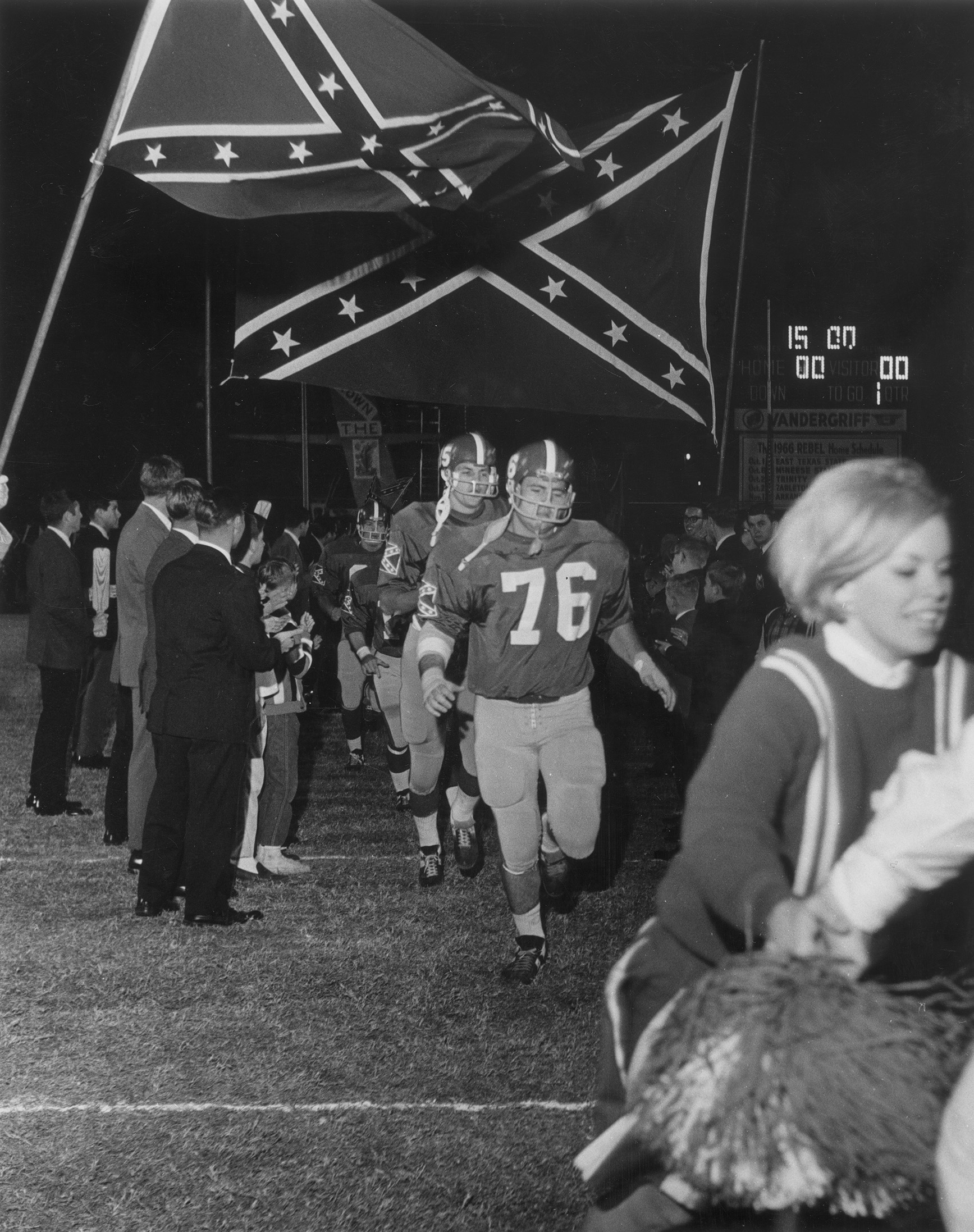
The tradition also shows how communities remember selectively. Homecoming often highlights pride, achievement, and continuity. It may not show every conflict, exclusion, or uneven experience in a school’s history. That does not make the tradition meaningless, but it does make it worth reading carefully. Who gets honored? Who feels welcome? Which groups are visible in the parade, on the field, on the court, and in the crowd? A strong tradition becomes healthier when more people can recognize themselves in it.
Historically Black colleges and universities offer an especially clear example of homecoming as cultural memory and community strength. At many HBCUs, homecoming is not only a campus event but a major gathering of alumni, families, student organizations, marching bands, fraternities, sororities, local vendors, and generations of shared history. The celebration can carry meanings that go far beyond sports because the school itself has often served as a center of education, identity, opportunity, and resilience.
Why the Tradition Keeps Changing
Homecoming has lasted because it is not frozen. Schools adjust it to match their students, budgets, safety needs, and values. Some have replaced expensive formal expectations with more casual dances. Some have changed homecoming courts to reduce popularity-contest pressure or make recognition more inclusive. Some emphasize service projects, alumni talks, performing arts, or community festivals. The tradition remains recognizable, but the meaning keeps being negotiated.
That flexibility helps explain why homecoming can still matter to students who are not deeply interested in football or school dances. A student may care most about marching band, photography, student government, theater, decorating, local history, or seeing graduates return. The event creates many doorways into the same shared week. When it works well, homecoming does not demand that everyone celebrate in exactly the same way. It gives different people enough common ground to feel part of one school story.
The best version of homecoming is not the loudest or most expensive one. It is the one that makes people feel that the school has a past, a present, and a future they can understand. Alumni return because something there still belongs to them. Students participate because something there may one day become memory. Communities show up because schools are among the few public places where generations regularly cross paths. That is why homecoming became a tradition: it gives a school a way to say, year after year, that people can leave and still have a place to come back to.