 Akshay Dinesh
A flu vaccine is not updated every year because last year’s science suddenly stopped mattering. It changes because influenza is unusually good at changing itself. The virus copies its genetic material again and again as it spreads, and those copies are not always perfect. Some changes are harmless, but others alter the parts of the virus that the immune system is trained to recognize.
That moving target is why seasonal flu vaccines are reviewed before each flu season. Public health laboratories track which influenza viruses are circulating, how they are changing, and which versions seem most likely to cause illness in the months ahead. The goal is not to predict the future perfectly. It is to make the best possible match between the vaccine and the viruses people are most likely to meet.
Influenza Changes in Small Steps
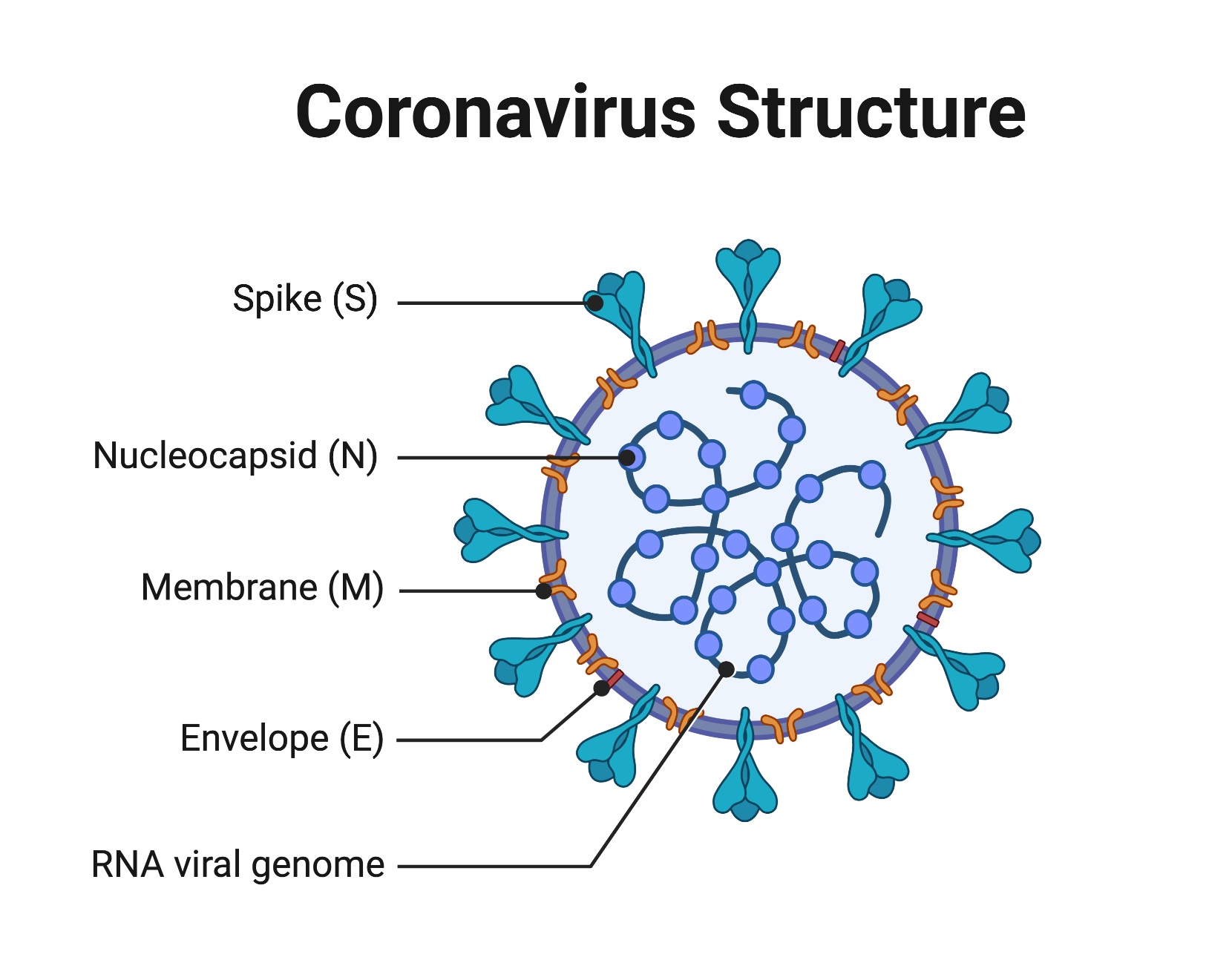
Influenza viruses have surface proteins that act a little like labels. Two of the most important are hemagglutinin, often shortened to HA, and neuraminidase, often shortened to NA. These proteins help the virus enter cells and spread, but they also give the immune system something to notice. After an infection or vaccination, the immune system can make antibodies that recognize those surface features.
The problem is that influenza does not keep those features exactly the same. Small genetic mutations can gradually change HA and NA. The Centers for Disease Control and Prevention calls this process antigenic drift. The word antigenic refers to antigens, the parts of a germ that can trigger immune recognition. Drift is the slow accumulation of changes over time.
Drift is different from a dramatic one-time replacement. It is more like a familiar face changing little by little until an old photo no longer helps as much. The immune system may still recognize parts of the virus, especially if someone has immunity from earlier infections or vaccines, but the match can become less exact. When enough drift has happened, a vaccine built around older virus versions may offer weaker protection against infection, even if it can still help the body respond faster.
This is why flu vaccines do not work like many childhood vaccines that use a stable target for years. Measles virus, for example, does not change in the same way influenza does, so the vaccine target remains much more consistent. Influenza asks scientists to keep checking the target.
How Scientists Watch the Virus Move
Updating a flu vaccine begins with surveillance. Around the world, clinics, hospitals, and public health laboratories collect samples from people with flu-like illness. Those samples help scientists identify which flu viruses are spreading, whether they belong to influenza A or influenza B, and which subtypes or lineages are becoming more common.
The World Health Organization coordinates a global influenza surveillance system that gathers information from national influenza centers and collaborating laboratories. Scientists study genetic sequences, compare how viruses react with antibodies, and look at patterns in different regions. The Southern Hemisphere’s flu season can offer clues for the Northern Hemisphere, but it is not a simple preview. Travel, local outbreaks, population immunity, and viral competition can all change the pattern.
Surveillance is partly a biological question and partly a timing question. A virus that is common in January may fade by autumn. Another version may be rare at first but start spreading quickly. Scientists have to judge not only what is circulating now, but what is likely to matter when millions of vaccine doses are actually used.
That judgment is revised on a regular schedule. For the Northern Hemisphere, WHO usually issues vaccine composition recommendations in February. U.S. decisions then move through the Food and Drug Administration’s vaccine advisory process. The long lead time matters because flu vaccines have to be made, tested, packaged, distributed, and delivered before the season rises.
Why the Match Is Never Perfect
Flu vaccine selection is often described as choosing strains, but the real work is more specific than picking names from a list. Scientists compare candidate vaccine viruses with the viruses found in surveillance. They ask whether antibodies raised against one version are likely to recognize another. They also consider whether a candidate can be manufactured reliably.
Traditional flu vaccines have often been grown using eggs. That method has helped produce vaccines at large scale for many years, but it takes time. CDC materials explain that with current egg-based production, about six months can pass between choosing a vaccine virus and having vaccine widely available. During that interval, influenza can keep drifting. Sometimes the virus that dominates later in the season is not the one that looked most threatening when decisions were made.
Manufacturing can introduce another complication. Some influenza viruses change as they adapt to grow in eggs. If those egg-adapted changes affect important surface proteins, the final vaccine virus may be slightly less similar to the circulating virus than scientists hoped. Cell-based, recombinant, and mRNA approaches are designed to reduce some of these constraints, but they still depend on surveillance and strain selection.
A mismatch does not mean a flu vaccine is useless. Protection is not an on-off switch. A vaccine may reduce the chance of getting sick, and it may also help reduce the risk of severe illness because the immune system has already practiced recognizing related viral features. That distinction matters. A season with moderate vaccine effectiveness can still prevent many illnesses, clinic visits, hospitalizations, and complications across a large population.

What Trivalent and Updated Formulas Mean
Seasonal flu vaccines are built to cover more than one influenza virus. For recent U.S. seasons, vaccines have been trivalent, meaning they are designed around three main seasonal influenza targets: an A(H1N1) virus, an A(H3N2) virus, and a B/Victoria lineage virus. The exact recommended versions can change when surveillance suggests that different representatives would be a better match.
That structure reflects how flu seasons usually work. Influenza A viruses, especially H1N1 and H3N2, can cause large seasonal waves. H3N2 has often been especially difficult because it tends to change quickly and has been harder to match well in some seasons. Influenza B viruses circulate too, and their patterns can differ by year and region.
The move from quadrivalent to trivalent flu vaccines also shows that updating is not just about adding more. For many years, quadrivalent vaccines included two influenza B lineages: B/Victoria and B/Yamagata. After B/Yamagata viruses stopped being detected in normal circulation for several years, vaccine recommendations shifted away from including that lineage. A good update removes targets that no longer appear useful as well as adding or changing targets that do.
In early 2026, WHO’s Northern Hemisphere recommendation for the 2026-2027 season again listed three components, with specific H1N1, H3N2, and B/Victoria reference viruses. The exact names can look technical because they often include a place, sample number, and year. Those names are not meant for everyday memorization. They are a record of which virus-like target manufacturers should use.
New Vaccine Technology Can Help, but It Does Not Remove the Puzzle
Newer vaccine technologies can shorten parts of the production process or avoid some egg-adaptation problems. Recombinant vaccines can produce flu proteins without growing the whole virus in eggs. Cell-based vaccines grow candidate viruses in mammalian cells. mRNA vaccines use genetic instructions that tell cells how to make a viral protein for immune training.
In 2026, U.S. regulators approved the first mRNA-based flu vaccine for adults age 50 and older, adding a new option for the 2026-2027 respiratory virus season. That news attracted attention because influenza has long been difficult to improve. A faster production method can make it easier to respond to updated strain information, and it may reduce some problems tied to egg growth.
Still, faster production is not the same as perfect prediction. Any seasonal flu vaccine has to be aimed at particular viral targets. If the virus changes after the decision, or if a different strain spreads more than expected, the match can still be imperfect. The deeper challenge is biological: influenza keeps exploring new variations, and the immune system recognizes details.
Researchers are also working toward broader flu vaccines that could train the immune system against more stable parts of influenza viruses. A truly broad vaccine would change the yearly routine, but that is a hard scientific goal. The parts of the virus that change least are not always the easiest for the immune system to attack. For now, yearly review remains the practical way to keep seasonal vaccines aligned with a changing virus.
The Yearly Update Is a Lesson in Uncertainty
Annual flu vaccine updates show how science works when the answer has to be useful before it can be perfect. Researchers collect evidence from many places, compare changing viruses, weigh manufacturing realities, and make a decision early enough for vaccine production to happen. Then the season itself tests how well those choices matched reality.
That process can sound messy, but it is also what makes the vaccine responsive. If influenza stayed still, the formula could stay still too. Because it drifts, the vaccine has to follow. Each update is a snapshot of the best available evidence at the time decisions are made.
The yearly flu shot is therefore not a sign that vaccines are temporary guesses. It is a sign that influenza is a moving biological target. Updating the formula keeps the immune system’s practice material closer to the viruses most likely to circulate, even when the match cannot be exact. In a world where viruses change faster than school calendars, that yearly adjustment is part of the protection.