 Akshay Dinesh
A song can feel like one voice telling a story, but some of the most lively music feels closer to a room full of people answering one another. One singer throws out a phrase. A choir answers. A horn plays a short line, and another instrument replies. A leader calls, the group responds, and suddenly the music has a social shape as well as a musical one.
That pattern is called call and response. It is simple enough to hear on a first listen, but it carries a lot of musical power. It can organize rhythm, make melodies easier to remember, invite participation, and connect a performance to older traditions of work, worship, dance, protest, storytelling, and improvisation. In many styles, call and response is not an ornament added after the music is written. It is part of how the music thinks.
The Basic Pattern: A Call That Needs an Answer
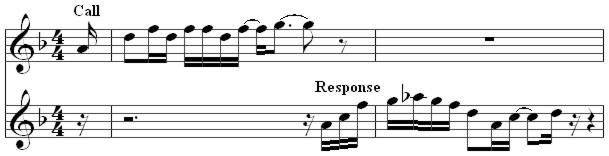
At its simplest, call and response has two parts. The call is a phrase that sounds incomplete or open-ended. The response answers it, repeats part of it, finishes the thought, or pushes the music forward. The call can be sung, spoken, played by an instrument, clapped, or even implied by a drum pattern. The response can come from another performer, a full ensemble, an audience, or the same musician using a different register or phrase shape.
The pattern works because listeners naturally hear music in chunks. A short phrase creates expectation, almost like the first half of a sentence. When the answer arrives, the ear connects the two parts. Sometimes the response is an exact echo. Sometimes it changes the rhythm, moves to a different pitch, adds harmony, or gives the phrase a stronger ending. The pleasure comes from hearing both difference and connection at the same time.
Many everyday examples use this shape without naming it. A singer may lead a crowd with a shouted line, and the audience repeats a chorus. A drummer may play a fill that another percussionist answers. In blues, a sung line may be followed by a guitar phrase that seems to comment on what was just said. The call opens a space; the response fills it.
Why It Feels Like Conversation
Call and response feels conversational because it borrows the timing of human exchange. In speech, people take turns, react to tone, repeat key words, interrupt gently, agree, challenge, and elaborate. Music can do similar things without using ordinary language. A call may rise in pitch like a question. A response may fall in pitch like an answer. A phrase may leave space at the end so another voice has room to enter.
Rhythm matters as much as melody. If the response arrives too early, it can sound like interruption. If it arrives too late, the energy may drop. Strong call-and-response music often depends on a shared sense of pulse, so performers know exactly when the answer should land. That timing lets a group sound spontaneous while still feeling organized.
The response also changes the role of the listener. Instead of hearing one long stream of sound, the listener begins to predict the next move. Will the answer copy the call? Will it be louder? Will the group enter together? Will an instrument reply instead of a voice? The music becomes interactive because the ear is invited to take part in the pattern, even when the body stays still.
Deep Roots in Work, Worship, and Community Music
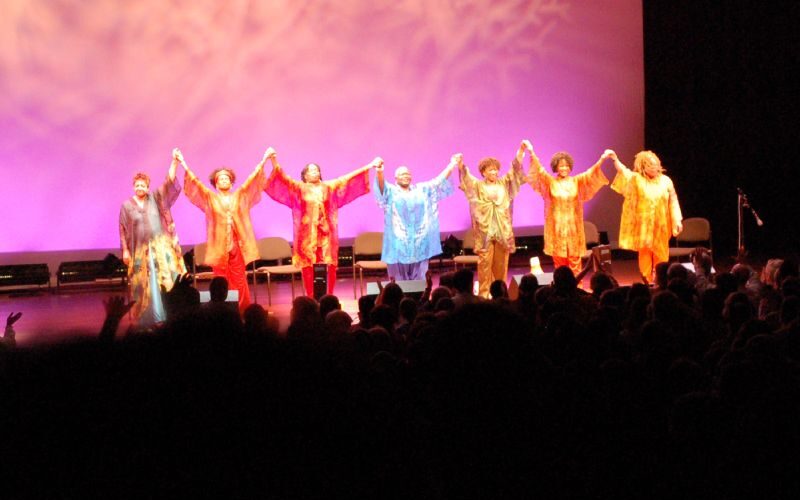
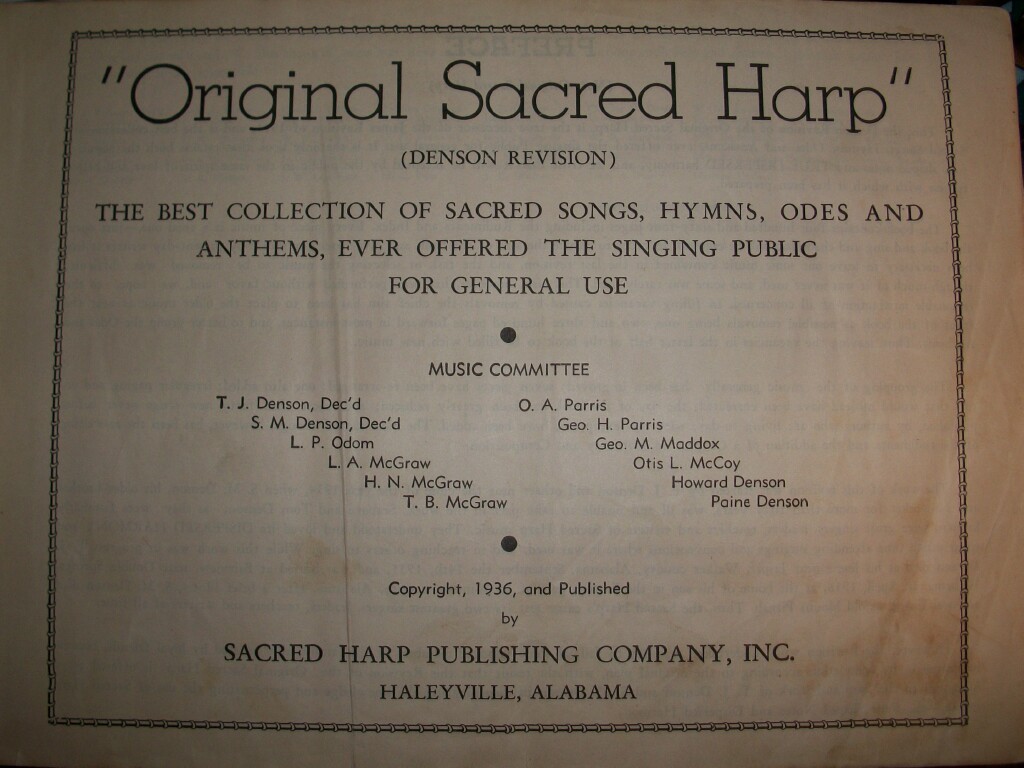
Call and response appears in many musical cultures, but it has especially deep importance in African and African American musical traditions. In work songs, a leader could call a line while a group responded together, helping coordinate movement and reduce the feeling of isolation during repeated labor. In spirituals and gospel music, call and response helped link a worship leader, choir, and congregation into one musical event. The Library of Congress and Smithsonian Folkways both describe African American sacred and folk traditions in which group response is not just a sound but a form of participation.
This history matters because call and response is more than a technical pattern. It can carry memory, identity, and shared strength. In a church, the response may affirm the singer’s message. In a protest song, the group answer can turn private feeling into public voice. In a dance setting, the call may signal a change in movement while the response keeps everyone connected to the beat.
Blues, jazz, gospel, funk, hip-hop, and many forms of popular music draw on this inheritance in different ways. A blues singer may sing a line and let the guitar answer with a bend, slide, or short riff. In jazz, one soloist may trade phrases with another, or a horn section may answer a vocalist. In hip-hop performance, a lead voice may call to the crowd, and the crowd’s response becomes part of the energy of the track. The same basic idea keeps adapting because it gives music a living social engine.
How Musicians Use It to Build Form and Energy
Call and response gives musicians a way to build form without making the music feel stiff. A repeated response can act like a refrain, giving listeners something stable to return to. Changing calls can then create variety above that stable answer. This is one reason the pattern works so well in songs meant for groups: people can learn the response quickly while the leader keeps the performance moving.
In instrumental music, the pattern can organize solos and ensemble writing. A trumpet may play a phrase, and saxophones may answer. A drummer may set up a rhythmic call that the band catches. A guitarist may leave a short silence after a vocal line, then fill that silence with a riff. These exchanges help the music breathe. They also prevent every part from competing at once.
Improvisation often depends on the same skill. Musicians do not only play their own ideas; they listen for openings, echoes, and invitations. A good response shows that the player heard the call. It may repeat the rhythm with new notes, answer a rising phrase with a falling one, or transform a small fragment into something surprising. The result can feel spontaneous because it is built from attention.
The pattern also helps manage intensity. A quiet call followed by a loud group response can make the music expand suddenly. A strong call followed by a softer response can create suspense. A repeated call with increasingly forceful responses can build toward a chorus, a dance break, or the end of a performance. Call and response is simple, but it gives composers, arrangers, and performers a flexible tool for controlling motion.
How to Hear Call and Response More Clearly
The easiest way to hear call and response is to listen for paired phrases. Start by asking where the music seems to pause or leave room. Then listen for what fills that room. If a second voice, instrument, or group answers with a related phrase, the pattern is probably at work. The answer does not have to copy the call exactly. It only has to sound connected enough that the ear hears a relationship.
It can also help to notice who has the musical role at each moment. Is one singer leading while others answer? Is the band answering the vocalist? Are instruments trading short phrases? Does the audience become part of the performance? Once those roles become clear, the structure of the music often feels easier to follow.
Call and response also shows why music is not only a sequence of notes. It is a way of arranging attention. One sound points outward, waiting for another sound to meet it. A response can confirm, challenge, decorate, or complete the call. That exchange gives music a human shape: someone speaks, someone listens, and something new happens because the answer arrives.