 Akshay Dinesh
When a hurricane, flood, drought, or earthquake causes damage, one of the hardest problems is time. Families, businesses, farms, and governments may need cash immediately, but ordinary insurance claims often require inspections, documentation, estimates, and negotiation before money arrives. Parametric insurance tries to solve a different part of the problem. Instead of asking first how much damage each policyholder suffered, it asks whether a measurable event reached a trigger that was agreed on in advance.
That small change can make insurance work very differently. A policy might pay when wind speed at a defined location reaches a certain level, when rainfall passes a threshold, when an earthquake reaches a measured intensity, or when a drought index shows severe dryness. The payout can be fast because the claim depends on data, not on a full damage-by-damage adjustment. The tradeoff is that the payment may not match the actual loss perfectly, which is why parametric insurance is often best understood as a tool for quick liquidity rather than a complete replacement for traditional coverage.
The trigger is the center of the policy
Traditional property insurance is usually indemnity insurance. Its purpose is to reimburse an actual covered loss, up to the policy limits and subject to deductibles and exclusions. If a storm damages a roof, an adjuster may inspect the roof, estimate the repair cost, review the policy, and decide how much the insurer owes. The claim is tied closely to what happened to that specific property.
Parametric insurance starts from a different promise: if a stated event reaches a stated measurement, the policy pays a stated amount. The measurement is called the parameter or index. It must be clear enough that both sides can know whether the policy was triggered without a long argument. A hurricane policy might use maximum sustained wind speed near a covered area. A drought policy might use rainfall totals, soil moisture readings, or a vegetation index. An earthquake policy might use magnitude, shaking intensity, or a modeled loss estimate based on seismic data.
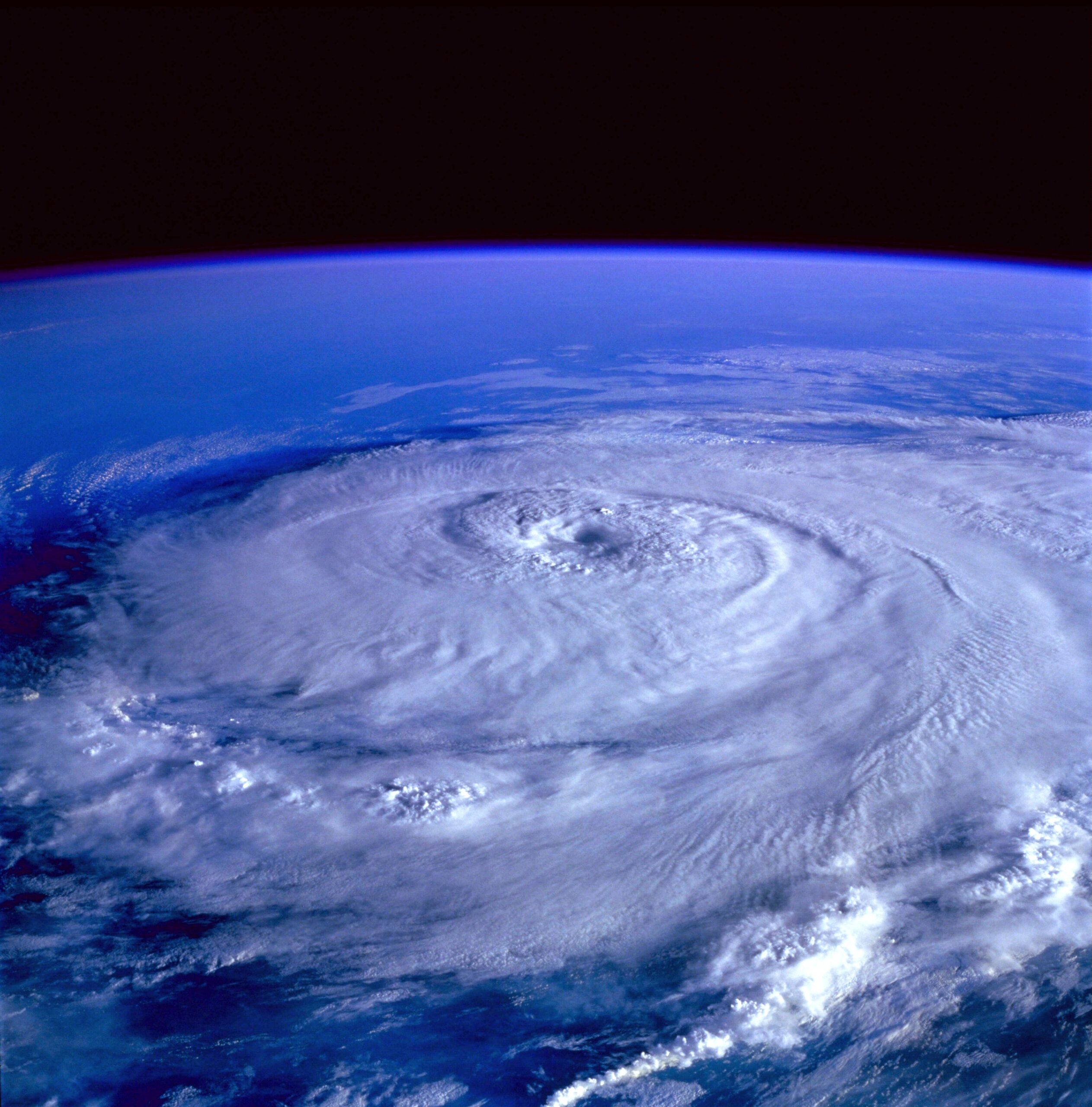
This is why parametric insurance is also called index-based insurance. The index stands in for the event’s severity. Good policy design depends on choosing a measurement that is objective, independently verifiable, and closely related to the damage people are likely to face. If the index is too loose, payouts may happen when little harm occurred. If it is too narrow, people may suffer serious losses without a payout.
Why speed matters after a disaster
The main appeal is speed. After a disaster, money is useful before every repair estimate is complete. A city may need to clear roads, open shelters, rent equipment, repair pumps, or restore public services. A small business may need cash to cover payroll while power is out. A farmer may need money for feed, replacement seed, or temporary water before a full crop-loss assessment is finished.
The World Bank’s disaster risk finance work describes parametric insurance as a way to provide funds when an agreed level of hazard occurs, rather than after every loss is measured individually. The National Association of Insurance Commissioners makes a similar distinction: parametric disaster insurance can pay set amounts based on event parameters instead of adjusted losses. That does not make the product automatically better than ordinary insurance. It makes it useful for a particular job: getting predictable money into the hands of the insured quickly when the trigger is met.
Speed is especially valuable when the insured is a government, utility, nonprofit, school system, transit agency, or business with urgent continuity costs. A parametric payout can help with expenses that are difficult to document under a standard property claim, such as temporary operations, emergency staffing, evacuation support, or lost revenue during disruption. In some designs, the payout can arrive within days because the data source reports the trigger quickly.
A simple example shows the tradeoff
Imagine a coastal town buys a parametric hurricane policy. The policy says it will pay $2 million if a named storm passes within a defined distance and official wind observations reach a specified threshold. If the storm meets that threshold, the town gets the payment even before it has finished counting every damaged building, blocked road, and flooded public facility. The town can use the money for immediate recovery needs.
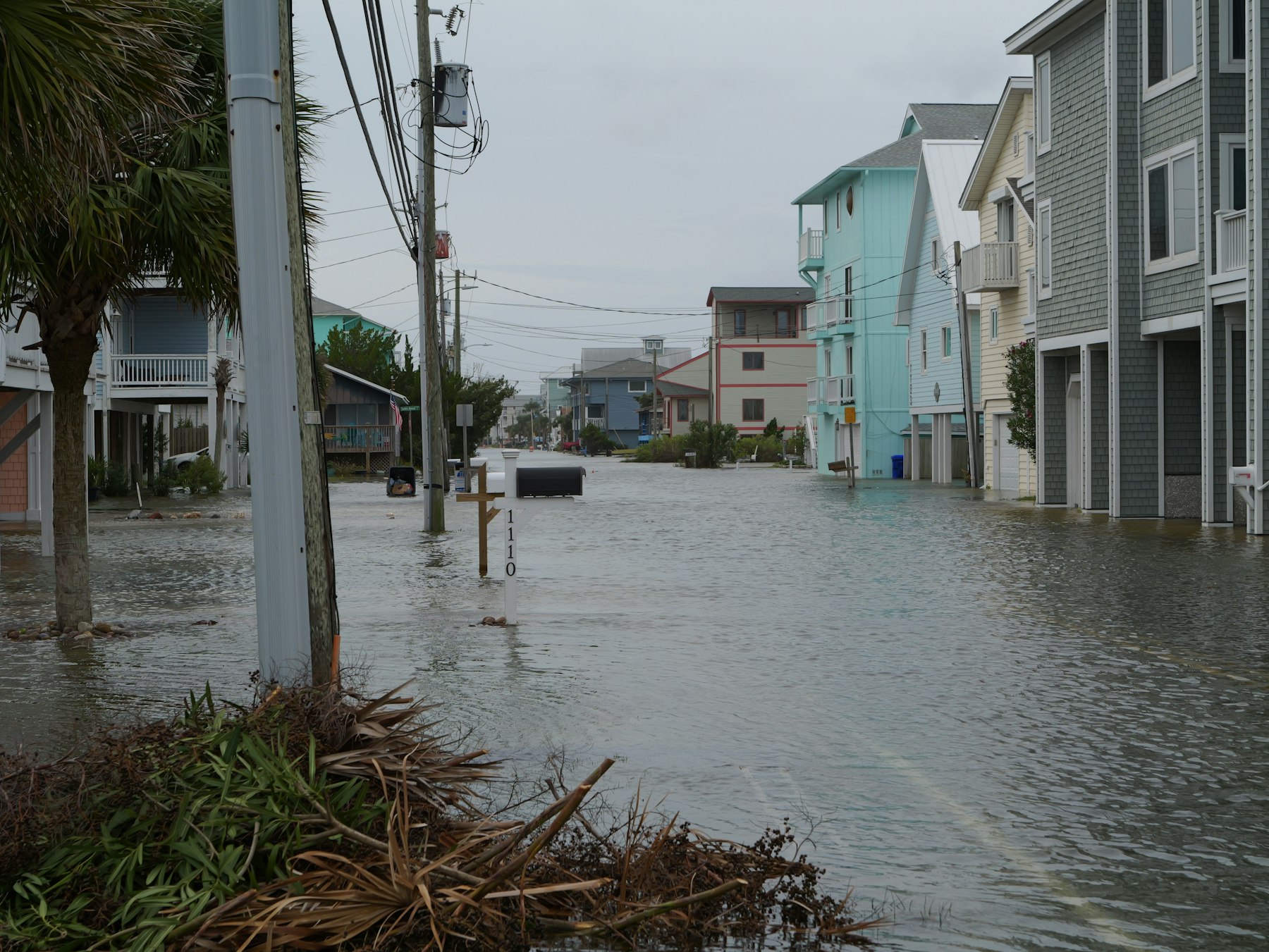
Now imagine two possible outcomes. In the first, the wind threshold is met, but the worst damage misses the town. The town still receives the payout because the contract was triggered. In the second, heavy rain floods neighborhoods and causes expensive damage, but the wind measurement falls just below the threshold. The town may receive little or nothing from that parametric policy, even though the disaster was real. The contract did exactly what it said, but the index did not match the actual loss closely enough.
That mismatch is called basis risk. The Financial Stability Institute and the International Association of Insurance Supervisors highlighted basis risk as one of the main challenges for parametric insurance, especially when natural catastrophe losses are complex. Basis risk does not make the idea useless. It means the trigger must be designed carefully, and buyers need to understand what problem the policy is meant to solve.
Where parametric insurance can fit
Parametric insurance is often used where disasters are measurable but ordinary claims are slow, expensive, or hard to administer. Weather-related risks are a natural fit because rainfall, wind speed, temperature, river height, and drought conditions can be measured by gauges, satellites, radar, or official observing networks. Earthquakes and tropical cyclones can also be tied to scientific measurements and models.
In agriculture, index-based policies can help when many farms face the same drought or rainfall shortage. Instead of sending adjusters to every field, a policy can use a regional rainfall index or crop-stress indicator. For public agencies, parametric coverage can support emergency response budgets after storms, floods, or earthquakes. For businesses, it can help cover interruption costs when a measured event shuts down operations even before physical damage is fully assessed.
It can also work beside traditional insurance. A homeowner, business, or local government might use ordinary property insurance for repair costs and a parametric policy for the first wave of cash after the event. Some products are designed to cover deductibles, temporary expenses, or losses that are hard to prove quickly. The point is not to pretend that a wind gauge knows everything about a damaged community. The point is to turn one clear measurement into rapid financial breathing room.
The design has to be trusted before the storm arrives
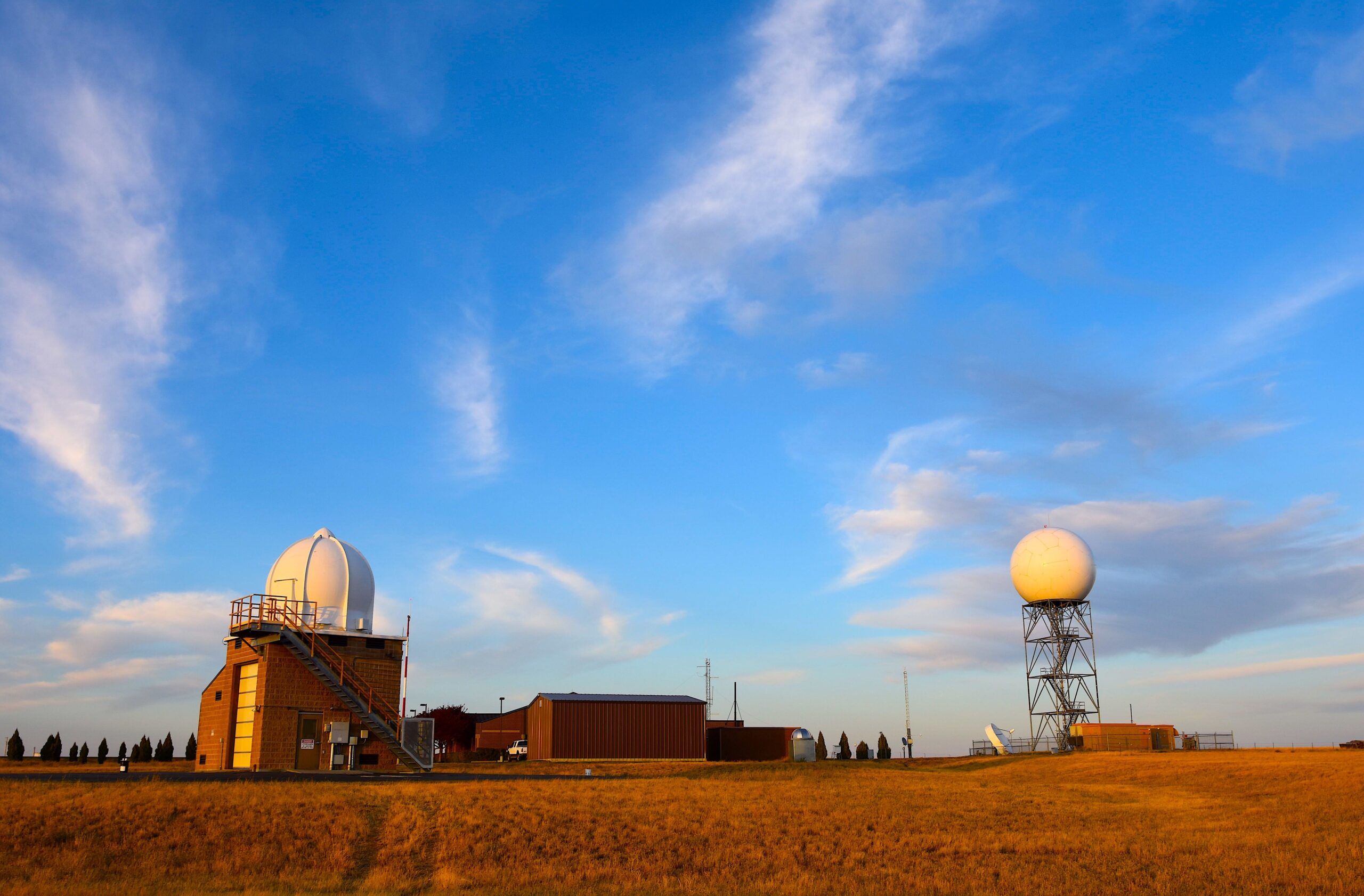
A parametric policy is only as useful as its design. The trigger should be understandable, the data source should be independent, and the payout scale should be matched to the likely financial need. If the policy uses rainfall, people should know which station, satellite product, or model supplies the data. If it uses wind speed, the contract should define the covered area and measurement method. If it uses a modeled loss, the model needs enough transparency for buyers and regulators to understand the result.
This is where parametric insurance can feel both elegant and risky. It removes some uncertainty from the claims process by settling the trigger in advance. At the same time, it moves more responsibility into policy design. A poorly chosen trigger may be quick but unfair in practice. A well-chosen trigger can make a disaster response faster, cleaner, and easier to budget.
Regulators also have to decide how these products fit into insurance rules. Some parametric policies look like ordinary insurance because they are connected to a covered risk and bought by someone with an insurable interest. Other arrangements may look more like financial contracts if the payout depends mainly on an index. Clear rules matter because buyers need to know what protections, disclosures, and solvency standards apply.
What learners should remember
Parametric insurance is easiest to understand as a tradeoff between precision and speed. Traditional insurance tries to match payment to actual covered loss, which can make the claim more exact but slower. Parametric insurance pays when a measured event crosses a prearranged line, which can make payment faster but less perfectly matched to the damage on the ground.
That tradeoff is not a flaw by itself. After a disaster, a fast partial payment can be more useful than a perfect payment that arrives too late for urgent needs. But the trigger must be chosen with care, and buyers should not assume that every damaging event will qualify. The best designs are honest about what the policy does well: providing quick cash when a specific measurable hazard occurs.
As extreme weather, rebuilding costs, and public recovery budgets put pressure on traditional insurance systems, parametric coverage is getting more attention. It will not remove disaster risk or replace the need for stronger buildings, better maps, emergency planning, and ordinary insurance. It does show an important economic idea in action: sometimes the most valuable contract is not the one that measures every loss, but the one that turns uncertainty into usable money at the moment it is needed most.