 Akshay Dinesh
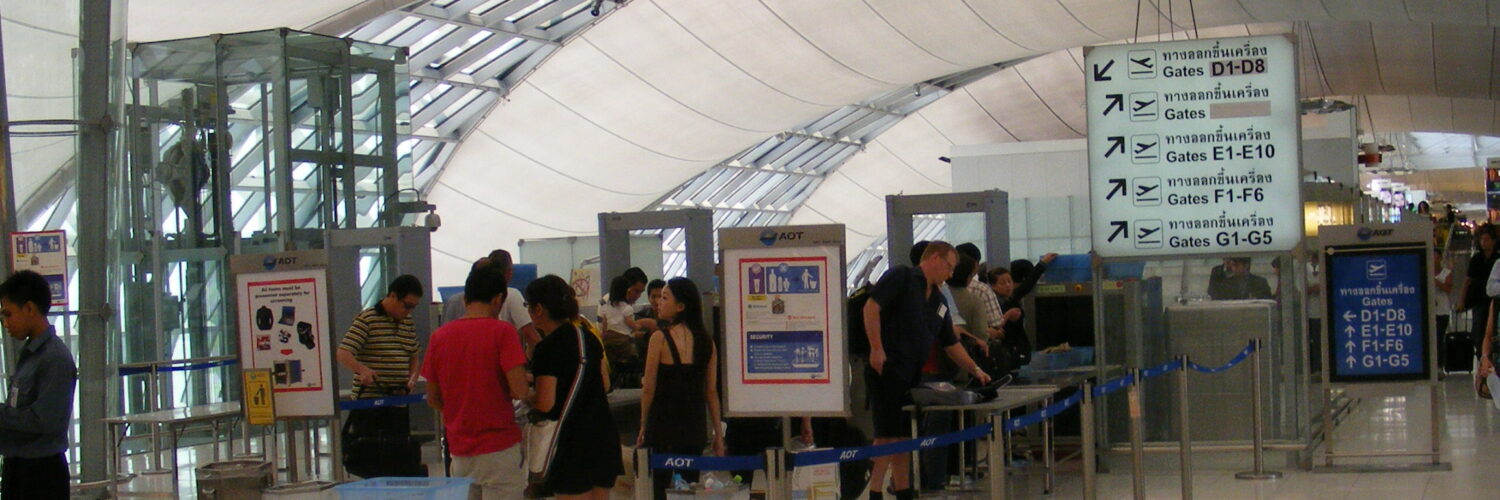
At many airport security checkpoints, the ID check no longer looks like a quick glance from an officer alone. A traveler may place a driver’s license, passport, or other accepted ID into a reader while a camera takes a live photo. The system compares the live image with the photo connected to the credential, then shows the officer whether the images appear to match. The goal is simple to state but difficult to do at scale: confirm that the person standing at the checkpoint is the same person connected to the travel document and the flight record.
That shift is easy to misunderstand. A face check at airport security is not the same as a public camera trying to identify everyone in a crowd. In the most common version, it is a one-to-one comparison: one person, one live photo, one ID photo. Some newer touchless programs work differently for eligible travelers who opt in ahead of time, but the basic checkpoint question is still about identity verification. The technology matters because airports process enormous passenger volumes, identity documents can be forged or misused, and small delays at the document-checking podium can ripple through the whole security line.
The checkpoint problem is really an identity problem
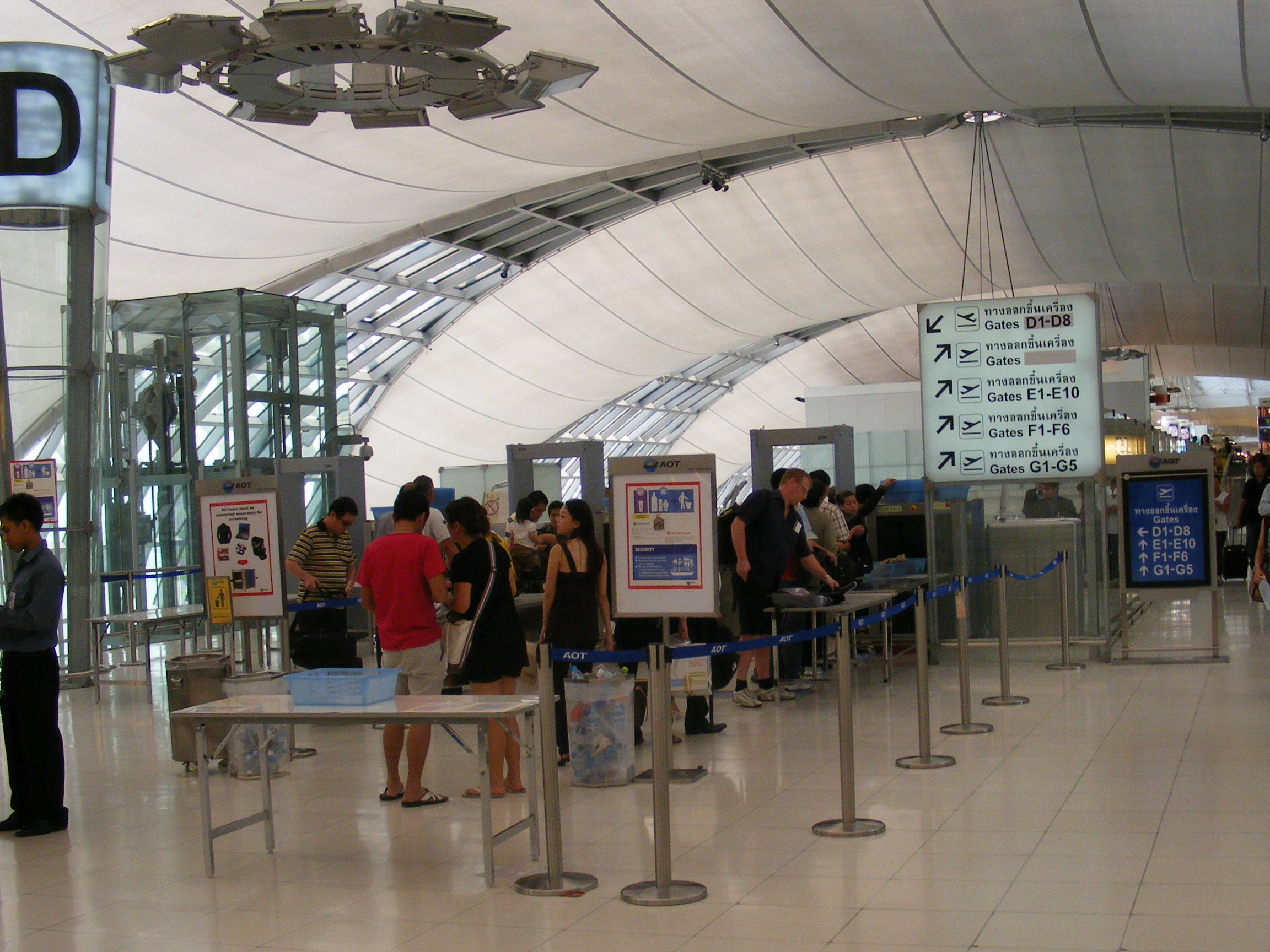
Before a traveler reaches the X-ray belt or body scanner, the security process has to answer a narrower question: who is this person, and are they connected to a valid flight? Transportation security officers have long handled that task by looking at an ID, checking the traveler’s face, and confirming flight information. Credential Authentication Technology, often shortened to CAT, adds a document reader that can inspect an ID and connect it with flight information.
CAT-2 systems add a camera and face-matching step. The traveler presents an ID, the device reads information from it, and the camera captures a live image. The system compares the live image with the ID photo and returns a match result for the officer to review. It can also help confirm that the traveler has a reservation and show screening information connected with the traveler’s record. The officer still remains part of the decision, especially when the system cannot make a clear match or when a traveler declines the photo step.
The important point is that the face comparison is only one layer. It does not prove that a document itself is genuine by looking at the face alone. A separate document-authentication process looks for signs that the ID is valid. A person could match a photo on a fake document, which is why the system also has to inspect the credential and connect it with the day’s travel information. Good identity verification is a chain, not a single trick.
How a one-to-one face check works
A one-to-one face check compares two images that are supposed to belong to the same person. One is captured at the checkpoint. The other comes from the ID or a trusted source connected to the traveler. The software measures patterns in the face, estimates how similar the two images are, and compares that similarity score with a threshold. If the score is high enough, the system reports a likely match. If it is not high enough, the traveler can be checked manually.
The threshold matters. Set it too loosely, and the system might accept two images from different people. Set it too strictly, and it might reject real travelers because of normal differences between photos. A traveler’s appearance can change because of aging, lighting, camera angle, glasses, facial hair, hair style, expression, or the quality of an old ID photo. The system has to work in a real checkpoint, not a laboratory with perfect lighting and identical camera positions.
That is why the result should be understood as a decision aid rather than a magic yes-or-no answer. It gives the officer a fast comparison, but it does not remove the need for human judgment. If the camera cannot capture a usable photo, if the system fails, or if the similarity result is below the threshold, the officer can fall back to the manual process. The ordinary checkpoint still has to serve travelers with older IDs, unusual circumstances, accessibility needs, or simple technical problems.
Touchless ID changes the comparison
Some airport identity programs go beyond the basic one-to-one ID check. TSA PreCheck Touchless ID, for example, is designed for eligible travelers who have opted in through participating airlines and have the required identity information connected to their profile. Instead of comparing the live checkpoint image only with the photo on a physical document at the podium, the system can compare the traveler with an approved set of expected travelers for that airport and day. This is sometimes described as a one-to-many comparison.
That difference sounds technical, but it changes the experience. In a one-to-one check, the traveler presents a physical ID and the system asks, “Does this live face match this document?” In a touchless flow, the system asks, “Is this person one of the eligible travelers expected here today?” The traveler may still be told to carry a physical ID as backup because technology, airline participation, airport setup, and eligibility rules can all affect whether the process works on a particular trip.
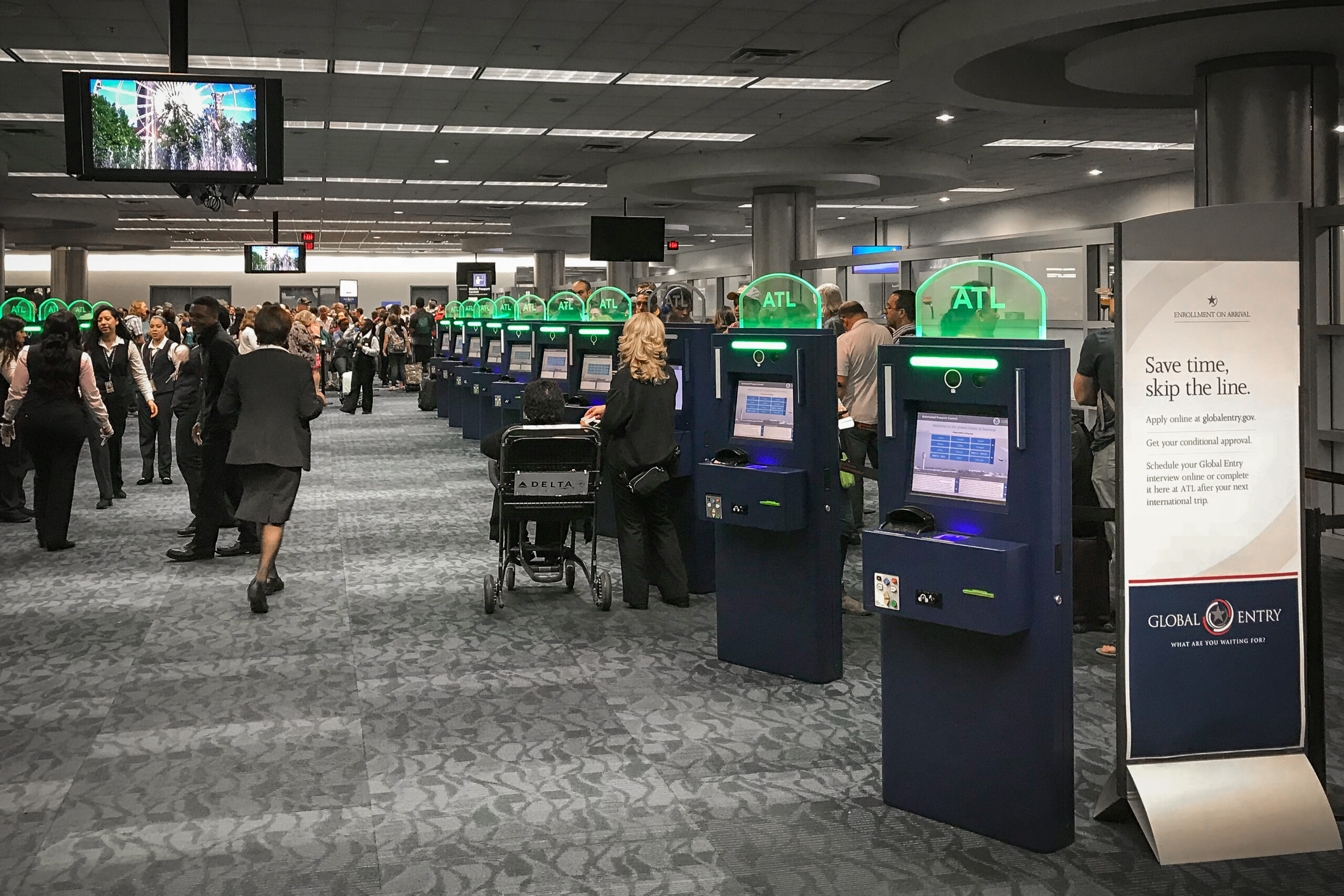
The one-to-many version can be faster because it may reduce the need to handle a physical document at the checkpoint. It also raises different privacy and transparency questions because a live image is being compared with a temporary set of enrolled travelers rather than one presented ID photo. Official descriptions say these programs are limited to identity verification for travel security and use short retention periods for the live images, but the distinction still matters for travelers who want to understand what they are agreeing to use.
Why accuracy is not the only question
Public debate about airport face checks often focuses on whether they are accurate. Accuracy matters, but it is not the whole story. A false positive could say two different people match, which is a security concern. A false negative could say a real traveler does not match, which can cause delay, extra review, or confusion. A May 2025 Privacy and Civil Liberties Oversight Board staff report summarized government testing that found strong performance for TSA’s systems, including high match success in testing, but it also explained why errors and demographic differences still deserve attention.
Even a small error rate can matter when millions of people travel. If a system works correctly for nearly everyone but fails for a tiny percentage, that tiny percentage can still represent many real people over a year of airport traffic. The practical effect depends on what happens next. If a failed match simply sends the traveler to a manual officer review, the harm may be a delay. If signage is unclear, if travelers do not know they can decline a photo, or if staff handle exceptions inconsistently, the problem becomes less about the camera and more about process.
There is also a difference between verifying a person and judging whether a trip is safe. The face check helps establish that the traveler matches an ID or an enrolled record. It does not inspect the bag, replace watchlist matching, or decide what is inside a suitcase. Airport security is layered on purpose. Identity checking, document authentication, passenger screening, baggage screening, and officer review each handle different kinds of risk.
What travelers should understand
For most travelers, the checkpoint experience may feel ordinary: present an ID, look toward a camera, wait briefly, and continue when the officer finishes the check. But understanding the pieces makes the process less mysterious. The system is comparing images, checking document and flight information, and giving the officer a result. It is not reading thoughts, measuring trustworthiness, or replacing every other part of security.
Travelers should also know that the rules can differ by program. Using a physical ID at a standard checkpoint is not the same as opting into a touchless identity program through an airline. A digital driver’s license or mobile ID may require compatible state credentials, phone features, airport equipment, and airline or agency participation. A passport may still be useful as backup even when a digital process is available. The most reliable habit is to bring an accepted physical ID unless official travel instructions clearly say otherwise.
The bigger lesson is that identity technology is a tradeoff between speed, security, convenience, privacy, and public trust. A faster check can help a busy airport line, but travelers need clear notice and a real understanding of what the system is doing. A more reliable document check can reduce some kinds of misuse, but it does not remove the need for human review when technology fails. The best version of the system is not the one that feels most futuristic. It is the one that is accurate, limited to its purpose, clearly explained, and fair when a traveler needs another way through the checkpoint.
Why the technology keeps expanding
Airports are under pressure to move large crowds without weakening security. Passenger volumes are high, documents come in many formats, and more travelers expect digital services to work as smoothly in airports as they do in banking, shopping, and phone access. Face checks appeal to agencies and airlines because they can connect a person, a credential, and a reservation quickly. When the match works, the officer can spend less time comparing photos by eye and more attention on exceptions that actually need judgment.
Still, expansion should not make the technology feel invisible. The more common face checks become, the more important it is for travelers to know the difference between a required ID check, an optional photo comparison, and an opt-in touchless program. The technology is powerful because faces are personal identifiers. That is exactly why careful limits, short retention, visible notice, and manual alternatives matter.
Airport face checks are best understood as a modern version of an old checkpoint question: does this person match the travel identity being presented? The tools have changed, but the underlying task is familiar. A secure airport needs to verify people accurately. A trustworthy airport also needs to make that verification understandable to the people moving through it.