
 Akshay Dinesh
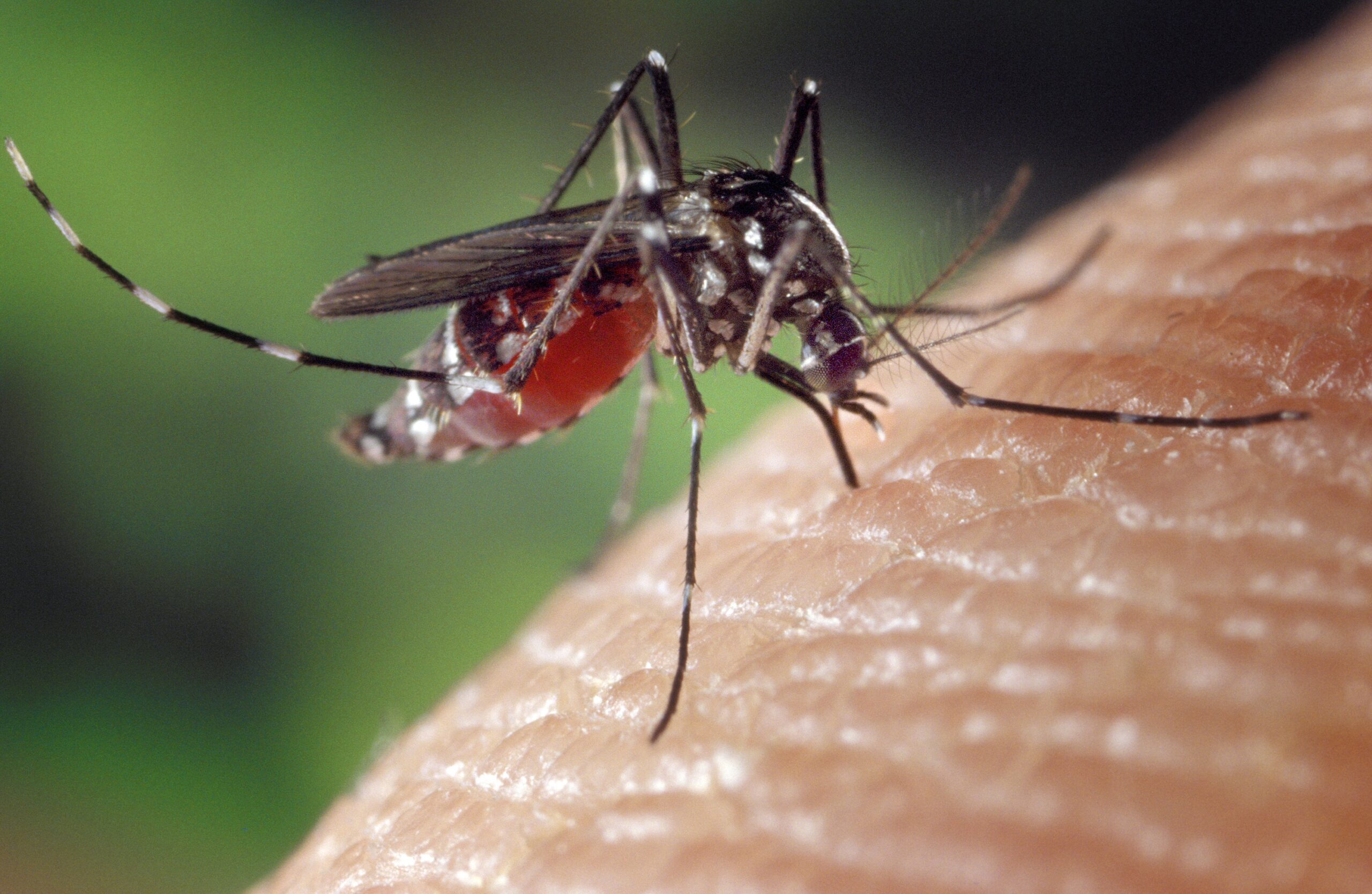
A few rainy days can make a backyard feel different. Water gathers in flowerpot saucers, gutters, low spots in the grass, old toys, tire ruts, and the folds of a tarp. A week later, the first bites may seem to come from nowhere. The timing is not a coincidence. Mosquito numbers rise and fall with water, but the relationship is more interesting than the simple idea that “rain makes mosquitoes.”
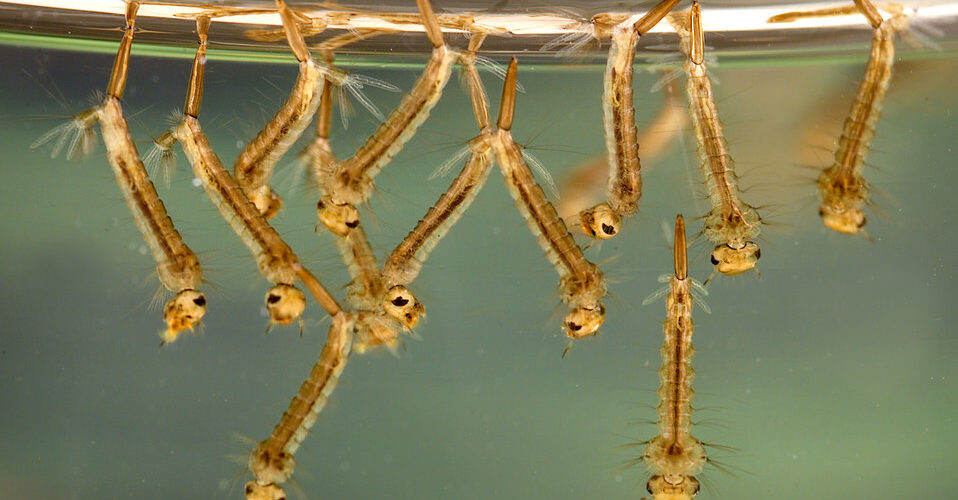
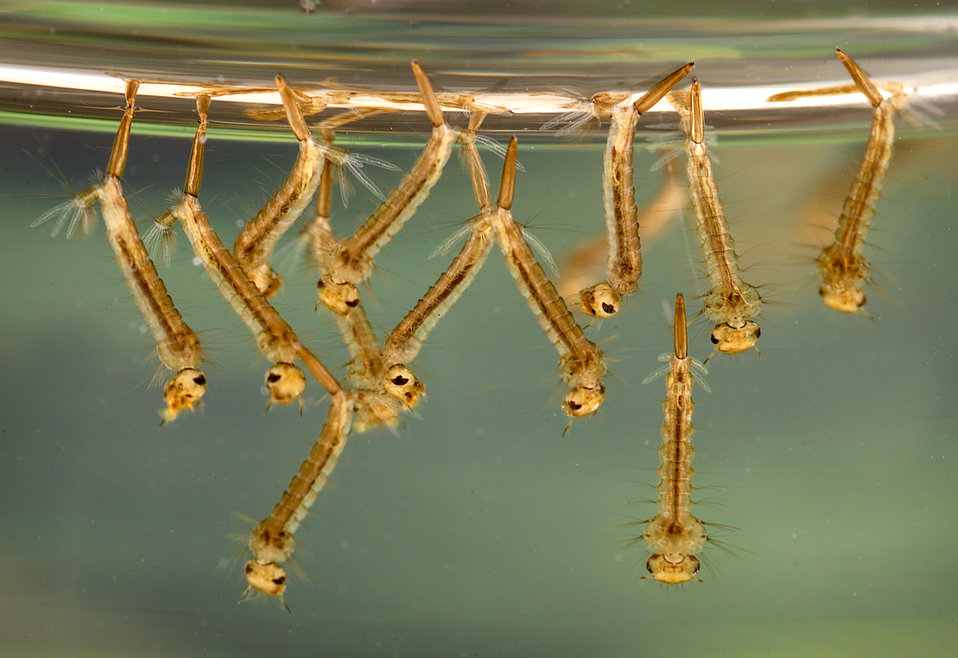
Mosquitoes need water for the early part of their life cycle. Eggs hatch into larvae, larvae become pupae, and adult mosquitoes emerge from the surface when development is complete. The CDC notes that some Aedes mosquitoes can grow from egg to adult in about 7 to 10 days, which means a container that stays wet for even a short stretch can become productive. Floods, summer storms, irrigation, drought-stressed yards, and household water storage can all change where that happens.
Water Turns Eggs Into a Mosquito Nursery
Adult mosquitoes are the part people notice, but the key stages happen before a mosquito can fly. Larvae live in water and feed there. Pupae also live in water until the adult emerges. That is why standing water, especially quiet water with little movement, matters so much. A moving creek is not the same as a forgotten bucket, a clogged drain, or a shallow puddle shaded by weeds.
Different mosquitoes use different kinds of water. Some lay eggs directly on the water’s surface. Others lay eggs just above the waterline or in damp soil that may flood later. Container-breeding mosquitoes can use surprisingly small spaces because a cup, birdbath, tire, or plant saucer may hold enough water for larvae to survive. The water does not need to look like a pond. If it stays in place long enough, it can support the early stages of the life cycle.
Temperature changes the pace. Warm water usually speeds development, so summer rain can lead to a faster mosquito response than cool spring rain. Food also matters because larvae feed on tiny organic material in the water. A clean-looking puddle may support fewer larvae than a leaf-filled container, but many household objects collect both water and debris without anyone noticing. By the time adults appear, the original rainstorm may feel like old news.
Why Floods Can Bring a Sudden Wave
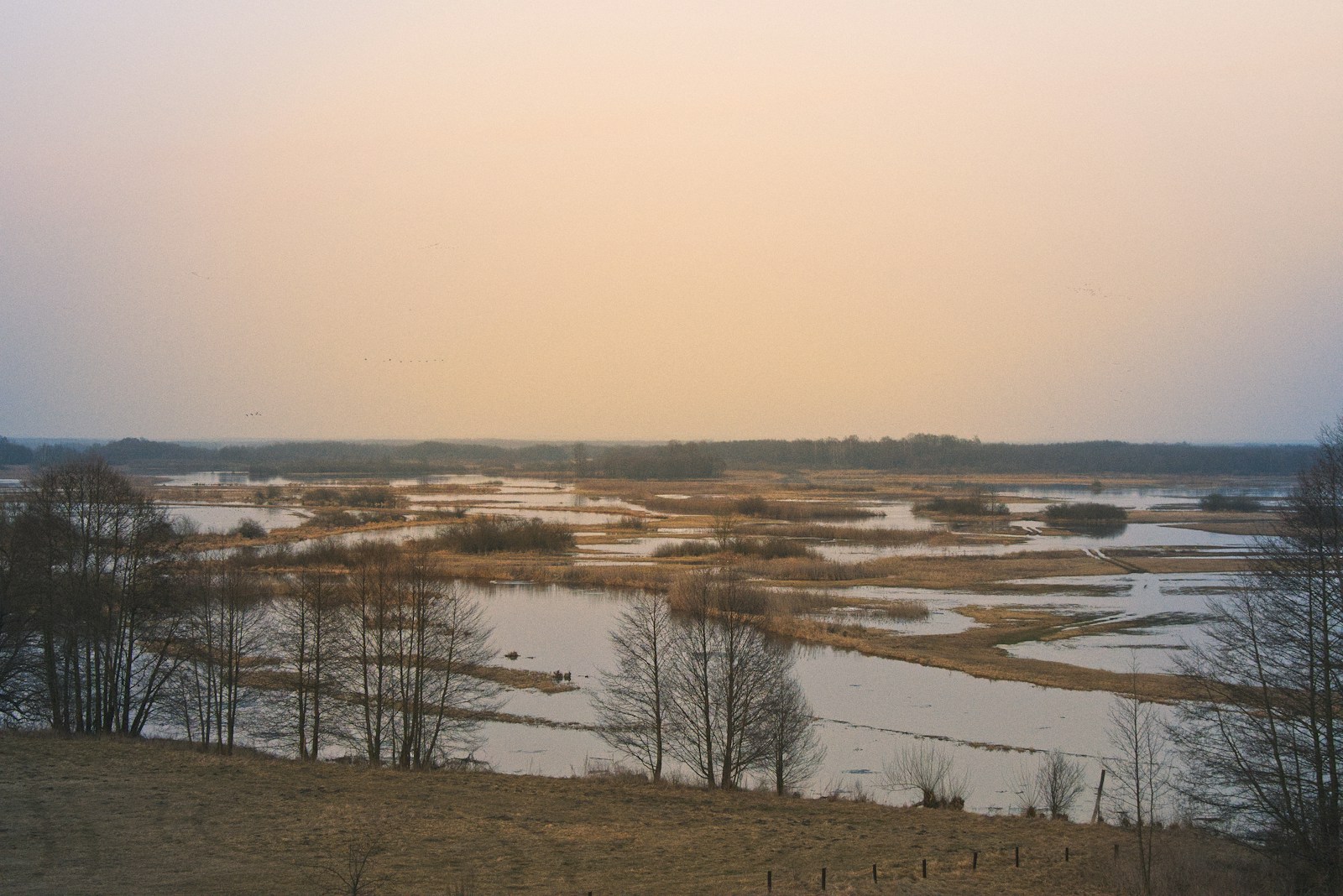
Flooding does not simply create new puddles. It can wake up eggs that were already waiting. Floodwater mosquitoes lay eggs in soil or low areas that may be dry for a while. When heavy rain or floodwater covers those eggs, large numbers can hatch at once. This is why mosquito pressure may spike in the weeks after a storm, especially in places where water spreads across fields, ditches, wooded lowlands, or floodplains.
The CDC makes an important distinction after hurricanes and floods: the first large wave is often made up of nuisance or floodwater mosquitoes. They can be aggressive biters and can make outdoor cleanup miserable, but they are not always the main species that spread viruses to people. Mosquitoes that are more important for disease transmission may rise later, especially where rainfall leaves smaller pools or containers that last beyond the first flood. That delay helps explain why mosquito activity after a storm can feel like a sequence rather than a single event.
Floods can also rearrange mosquito habitat. Fast water may flush some larvae away, while receding water leaves new isolated pools behind. A swollen ditch may not stay suitable, but the shallow water left along its edges can become useful for breeding. Fallen branches, debris piles, and damaged outdoor objects can trap water in small pockets. The landscape after a flood is full of temporary places where mosquito development can begin.
Drought Can Help Mosquitoes Too
Drought sounds like it should be bad for mosquitoes, and sometimes it is. If wetlands dry completely, small pools disappear, and humidity falls, many mosquitoes have fewer places to breed and less favorable conditions for survival. Yet dry periods can also create the setup for a later surge. Some mosquito eggs can tolerate drying for months, waiting until rain or irrigation covers them again. When water returns, many eggs may hatch close together.
Drought can also concentrate water in the places that remain. Streams shrink into still pools. Storm drains may hold pockets of stagnant water. People may store more water outdoors for gardens, livestock, or emergency use. Birdbaths, barrels, buckets, and plant trays may be refilled more often during dry weather, and each refill can reset the clock for mosquito development. A dry neighborhood can still have dozens of small, reliable water sources hidden around homes.
Another pattern is the drought-then-rain rebound. During a dry spell, eggs sit in containers or soil. When a soaking rain arrives, water covers them and temperatures may still be warm enough for fast development. People sometimes notice this as a sudden mosquito boom after a storm that “finally broke” a dry period. The rain did not create the whole population from scratch. It supplied the missing trigger.
Not Every Mosquito Uses the Same Strategy
Mosquitoes are often talked about as one pest, but they are a diverse group. Aedes mosquitoes include species that use containers and can lay eggs above the waterline, where the eggs wait until water rises. Culex mosquitoes often develop in standing water rich in organic material, such as storm drains, catch basins, or neglected pools. Some mosquitoes prefer marshes, floodplains, or shallow natural water. The species in a place affects what kind of weather produces the biggest change.
This is why one neighborhood may see mosquitoes after a flood, while another notices them more after several hot, showery weeks. It also explains why mosquito control is local. A county program may watch wetlands and drainage systems, while a household can still reduce breeding by dealing with containers. The two scales are connected, but they are not identical. A community can have both broad habitat problems and small household water sources at the same time.
Weather adds another layer. Heavy rain can create breeding sites, but intense downpours can wash some larvae out of place. Heat can speed development, but extreme heat and dryness can reduce survival if water vanishes too quickly. Humidity can help adult mosquitoes live longer, while wind can make flying and biting harder. Mosquito seasons are shaped by a moving combination of water, temperature, shade, species, and timing.
What to Watch After Weather Changes
The most useful clue is not just how much rain fell. It is where the water stayed. After a storm, the important places are often small and ordinary: buckets, wheelbarrows, trash lids, toys, tarps, saucers under plants, clogged gutters, kiddie pools, folds in outdoor furniture covers, and low spots where water sits for days. The CDC recommends emptying, scrubbing, turning over, covering, or throwing out water-holding items about once a week because that interrupts the egg-to-adult cycle.
After flooding, the pattern can be broader. Low fields, roadside ditches, wooded depressions, and floodplain pools may produce large numbers of biting mosquitoes that are difficult for one household to manage alone. Local mosquito control programs may monitor, treat larval habitats, or respond after major storms. Residents still help by removing smaller water sources around homes, especially as floodwater recedes and cleanup creates new containers and debris piles.
During drought, the watch list changes slightly. Stored water, irrigation runoff, pet bowls, rain barrels, and shaded containers become more important because they may remain wet when the wider landscape is dry. A rain barrel with a tight screen is different from an uncovered barrel. A birdbath that is emptied and scrubbed weekly is different from one that quietly supports larvae. The question is not whether water exists, but whether mosquitoes can use it long enough to complete development.
The Pattern Behind the Bites
Mosquito surges feel sudden because the preparation often happens out of sight. Eggs wait on a container wall, in damp soil, or near a low place that has flooded before. Rain arrives, water covers the eggs, larvae feed, pupae form, and adults emerge a few days later. By the time people notice more bites, the important ecological steps have already happened.
Rain, floods, and drought are not opposite stories for mosquitoes. They are different ways of moving water through a landscape. A flood can hatch eggs across a wide area. A dry spell can preserve eggs and concentrate breeding in hidden pockets. A warm rain after drought can connect the two. Understanding that pattern makes mosquito season less mysterious and points to the practical habit that matters most: look for the water that stays, especially the water small enough to miss.





Add comment