 Akshay Dinesh
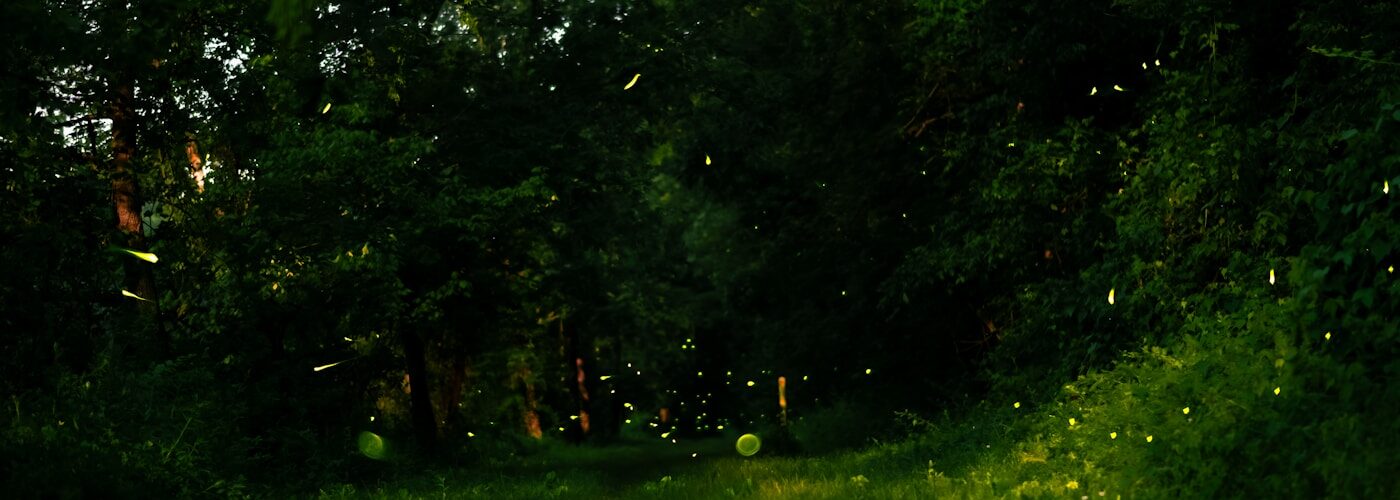
On a warm summer evening, a field can seem to answer itself in sparks. One light blinks near the grass, another replies from the edge of the trees, and soon the dark feels patterned rather than empty. Fireflies look magical because their light is sudden and quiet, but the display is also a precise biological signal. Each flash depends on chemistry inside the insect, timing between males and females, and a habitat dark enough for the message to be seen.
Fireflies are not flies at all. They are beetles, and many species spend far more of their lives as larvae than as the flashing adults people notice in June and July. The adult light show is brief, often lasting only a few weeks, but it carries information that can decide whether a firefly finds a mate. A flash is not just decoration. It is a living code built from chemistry, behavior, and evolution.
The Chemistry Behind the Glow
A firefly makes light in a specialized organ called a lantern, usually on the underside of the abdomen. Inside that organ, a molecule called luciferin reacts with oxygen with help from the enzyme luciferase. The reaction also uses ATP, the energy-carrying molecule found in living cells. When the reaction releases energy, most of it appears as visible light rather than heat.
That last detail matters. A regular incandescent bulb wastes much of its energy as heat, which is why old bulbs become too hot to touch. Firefly light is often called cold light because it is extremely efficient by comparison. If the lantern heated up like a bulb, the insect would damage itself. Instead, the firefly produces a controlled glow that can switch on and off quickly without cooking the tissue that makes it.
The switch depends heavily on oxygen. Insects do not breathe with lungs; they move oxygen through tiny branching tubes called tracheoles. When oxygen reaches the lantern cells, the reaction can produce light. Research on firefly flashing has shown that nitric oxide helps free oxygen inside the light organ, allowing the flash to start. When the signal changes and oxygen is no longer available in the right place, the light fades.
Flashes Work Like Species-Specific Signals
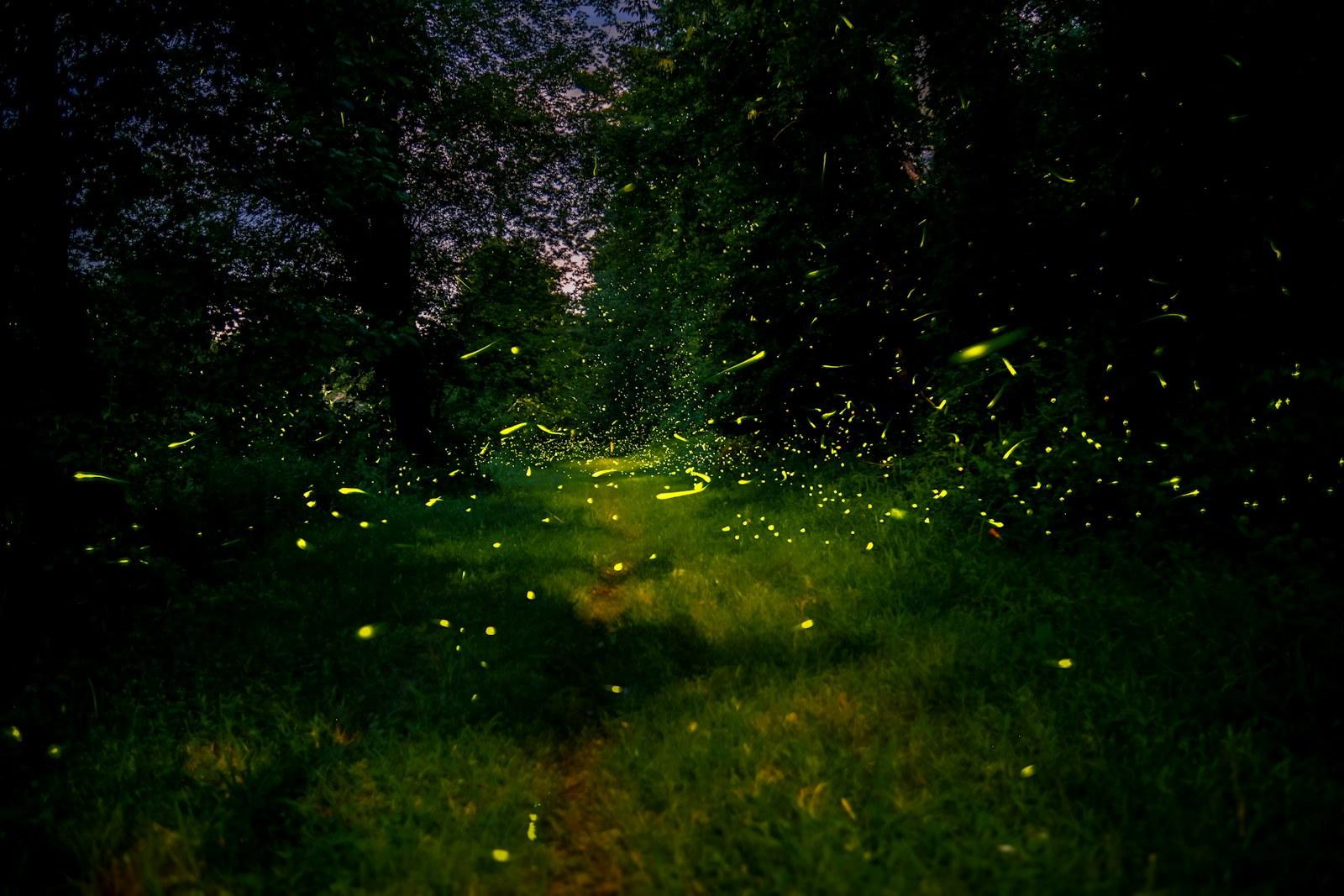
The American Museum of Natural History compares firefly flashes to a kind of light language, and the comparison works because timing carries meaning. Many flashing species have their own rhythm: one may make a single quick blink, another may flash twice, and another may wait a specific number of seconds before answering. To human eyes, the field may look random. To a firefly, the pattern can help separate the right species from the wrong one.
In many familiar species, males fly and flash while females wait on plants or near the ground. A male sends out a pattern as he searches. If a female of the same species is receptive, she may answer after a species-specific delay. That pause is part of the message. A reply too early, too late, too long, or too short may not be recognized.
This is why firefly watching rewards patience. A single blink tells only part of the story; the more interesting part is the conversation. When a male signal and a female response match, the two insects can move closer. A field full of fireflies is not only glowing. It is full of tiny courtship exchanges happening in overlapping channels.
Not Every Firefly Uses Light the Same Way
Firefly behavior is more varied than a summer yard suggests. Some adults flash brightly, some glow steadily, and some do not light up as adults at all. In some species, females cannot fly and look less like the winged beetles people usually imagine. In others, larvae glow before adulthood, using light as a warning signal to predators. Many firefly larvae contain chemicals that make them unappealing to eat, so a glow can say, in effect, that a predator should look elsewhere.
There are also famous synchronized fireflies, including displays in parts of the Great Smoky Mountains region where many males flash in near-unison. Synchrony can make signals more visible against the darkness, especially when many insects are calling at once. It is not the normal pattern for every firefly, but it shows how flexible light communication can be. The same basic chemistry can support a quick blink, a steady glow, a timed reply, or a crowd-level rhythm.
Fireflies also remind us that names can hide variety. More than one kind of glowing beetle may appear in the same area, and similar-looking flashes may come from different species. Scientists who study them pay attention to timing, color, habitat, season, body structure, and location. The glow is the easiest clue to notice, but it is only one part of identification.
Darkness Is Part of the Message
A firefly signal works only if another firefly can see it. Artificial light can make that harder. Porch lights, streetlights, car headlights, billboards, and skyglow can reduce the contrast between a firefly’s flash and the background. The Xerces Society lists light pollution as one of the major threats to fireflies, along with habitat loss, pesticide use, poor water quality, climate change, invasive species, and over-collection.
Light pollution does not affect every species in exactly the same way, but it can interfere with the basic courtship system of nocturnal and dusk-active fireflies. If a male cannot see a female response, or a female cannot pick out the right male pattern, mating becomes less likely. A bright yard may feel safer or more convenient to people, yet it can turn a firefly’s signal into a whisper under noise.
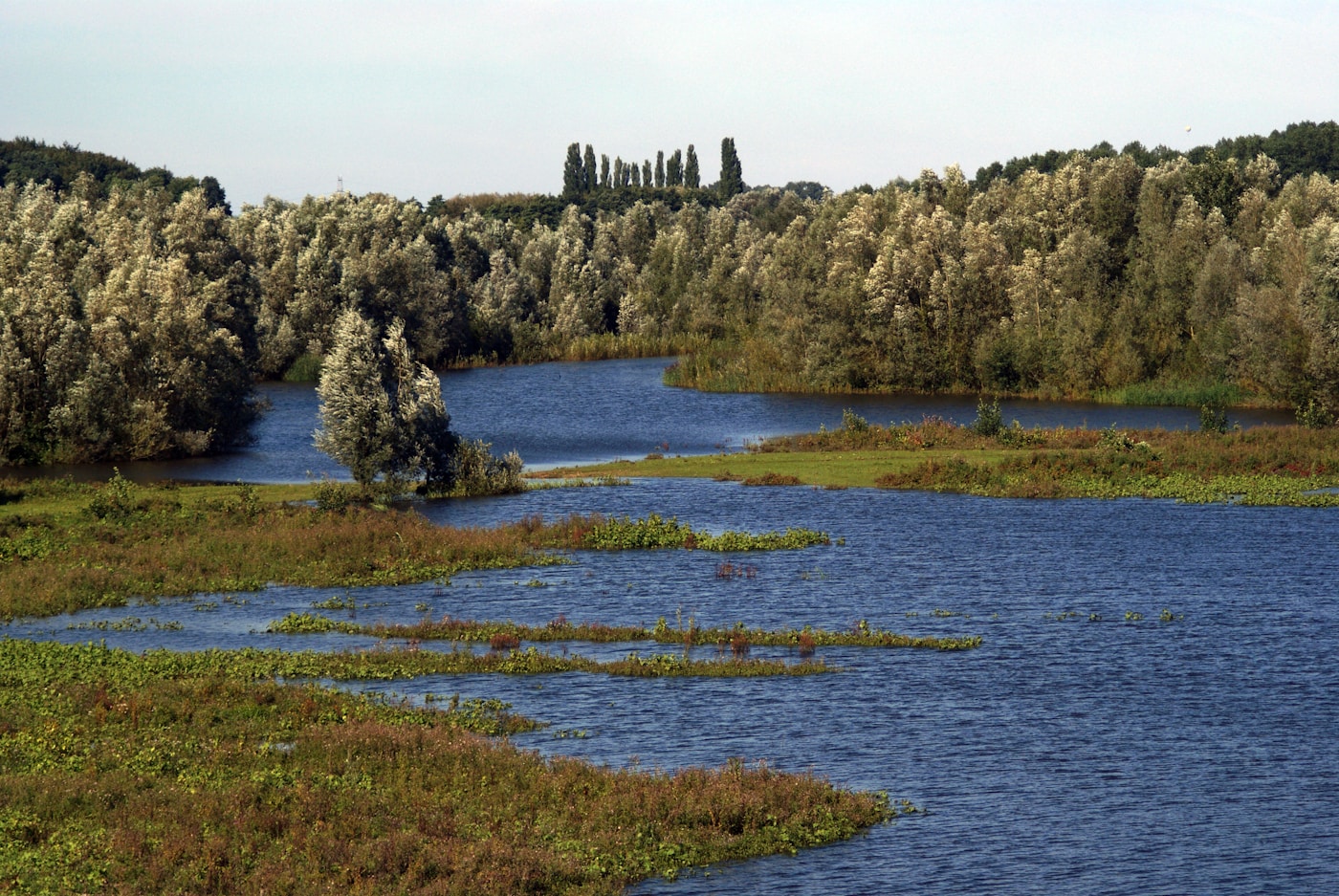
Habitat matters too. Many firefly larvae live in damp soil, leaf litter, fields, streamsides, or wetlands, where they may feed on soft-bodied prey such as snails, slugs, and worms. Mowing too closely, removing leaf litter everywhere, draining wet areas, and using broad pesticides can make a yard less friendly to the life stages people rarely see. The adult flash is the visible finale of a much longer life spent close to the ground.
Why the Light Still Feels Surprising
Part of the wonder comes from scale. Fireflies use tiny organs and ordinary biological molecules to create a signal visible across a yard. The flash lasts only a moment, but it connects cell chemistry to behavior in the open air. A reaction inside an abdomen becomes a message traveling through darkness.
The other part is timing. Fireflies appear when many people are outside in the evening, after the heat of the day softens and before night fully settles. Their season overlaps with childhood memories, summer walks, and quiet moments near fields and trees. That familiarity can make the science easy to overlook. Yet the glow is one of the clearest everyday examples of bioluminescence, a process also found in some deep-sea animals, fungi, and microbes.
Watching fireflies closely changes the scene. Instead of seeing random sparks, you may notice repeated intervals, low flashes near the grass, brighter signals moving through the air, or a delay before a reply. The display becomes less like scattered glitter and more like a conversation. The chemistry makes the light possible, but the timing gives it meaning.
What Helps Fireflies Keep Flashing
Fireflies do not need a perfectly wild landscape to survive, but they do need places where their life cycle can continue. Darker yards, damp patches, native plants, leaf litter in some areas, and fewer pesticides can all help create better conditions. Turning off unnecessary outdoor lights during firefly season is one of the simplest changes because it protects the darkness their signals depend on.
Small choices matter most when they match the insect’s biology. A firefly is not just an adult blinking over a lawn; it is also a larva growing in sheltered habitat, a beetle vulnerable to chemicals, and a signaler trying to find the right partner at the right time. A summer night with fireflies is therefore more than a pretty scene. It is a sign that chemistry, darkness, moisture, and habitat are still working together.
The next time a flash appears near the grass, it is worth pausing before calling it random. That brief light is made from luciferin, oxygen, enzymes, and energy. It is shaped by species-specific timing. It depends on a darker world than many neighborhoods now provide. For a second or two, a small beetle turns biology into a message bright enough for another firefly, and for us, to notice.