

 Akshay Dinesh
City traffic is not just an annoyance. It is a shared cost that shows up as late buses, noisy streets, slower deliveries, polluted air, and time that millions of people cannot get back. When a road is free at the exact moment it is most crowded, each extra driver adds delay for everyone else, but the driver does not pay for most of that delay directly. Congestion pricing tries to make that hidden cost visible.
The idea is simple on the surface: charge vehicles to enter or drive within a crowded area, especially during busy hours. The economics behind it is more interesting. A well-designed charge can encourage some trips to shift to transit, carpooling, different routes, different times, or no trip at all. It can also create a funding stream for buses, trains, station upgrades, and other transportation improvements. The policy is controversial because it touches money, fairness, commuting habits, and city life all at once, but that is also why it is such a useful real-world example of incentives.
Why crowded roads create an economics problem
A crowded road has a special feature: one person’s choice affects many other people at the same time. If a driver enters a nearly empty road, the effect on everyone else may be tiny. If that same driver enters a road already close to capacity, the added vehicle can slow down a long line of cars, buses, delivery trucks, taxis, and emergency vehicles. Economists call this kind of spillover an externality, because part of the cost falls outside the person making the decision.
Traffic also grows unevenly. A road can feel manageable until it reaches a tipping point, then a small increase in vehicles can cause a much larger increase in delay. That is why rush hour can turn a short trip into a crawl even when the number of extra cars does not seem huge. The problem is not only the number of vehicles. It is when they arrive, where they concentrate, how long they stay, and whether good alternatives exist.
Congestion pricing treats road space as a scarce resource during the busiest times. Instead of pretending that a crowded lane has no cost, it places a price on using that space when demand is highest. That price does not make traffic disappear by magic. It nudges the trips with the most flexibility away from the most crowded times and places, leaving more room for trips that are harder to move: freight deliveries, accessible transportation, emergency travel, work trips with fixed schedules, and buses carrying many passengers at once.
This is different from an ordinary toll road built mainly to pay for a bridge or highway. Congestion pricing is aimed at managing demand. The charge is not only a way to collect money; it is a signal. When the road is most crowded, the signal says that entering the area has a cost beyond gasoline and parking.
How a congestion charge changes behavior
People respond to a charge in different ways because not every trip is equally flexible. Some drivers keep driving and pay because the trip is important, the schedule is fixed, or the alternatives are poor. Others switch to a train or bus, combine errands, travel before or after the priced period, share a ride, work remotely when possible, or choose a different destination. A small share of changes spread across thousands of people can noticeably reduce traffic in the priced area.
That last point matters. Congestion pricing does not need every driver to leave the road. It only needs enough trips to shift so the road moves away from the worst part of the crowding curve. When a congested network is near its limit, reducing traffic by even a modest percentage can improve speeds more than people expect. The benefit is often felt by buses too, because buses are stuck in the same surface traffic as cars unless they have protected lanes.
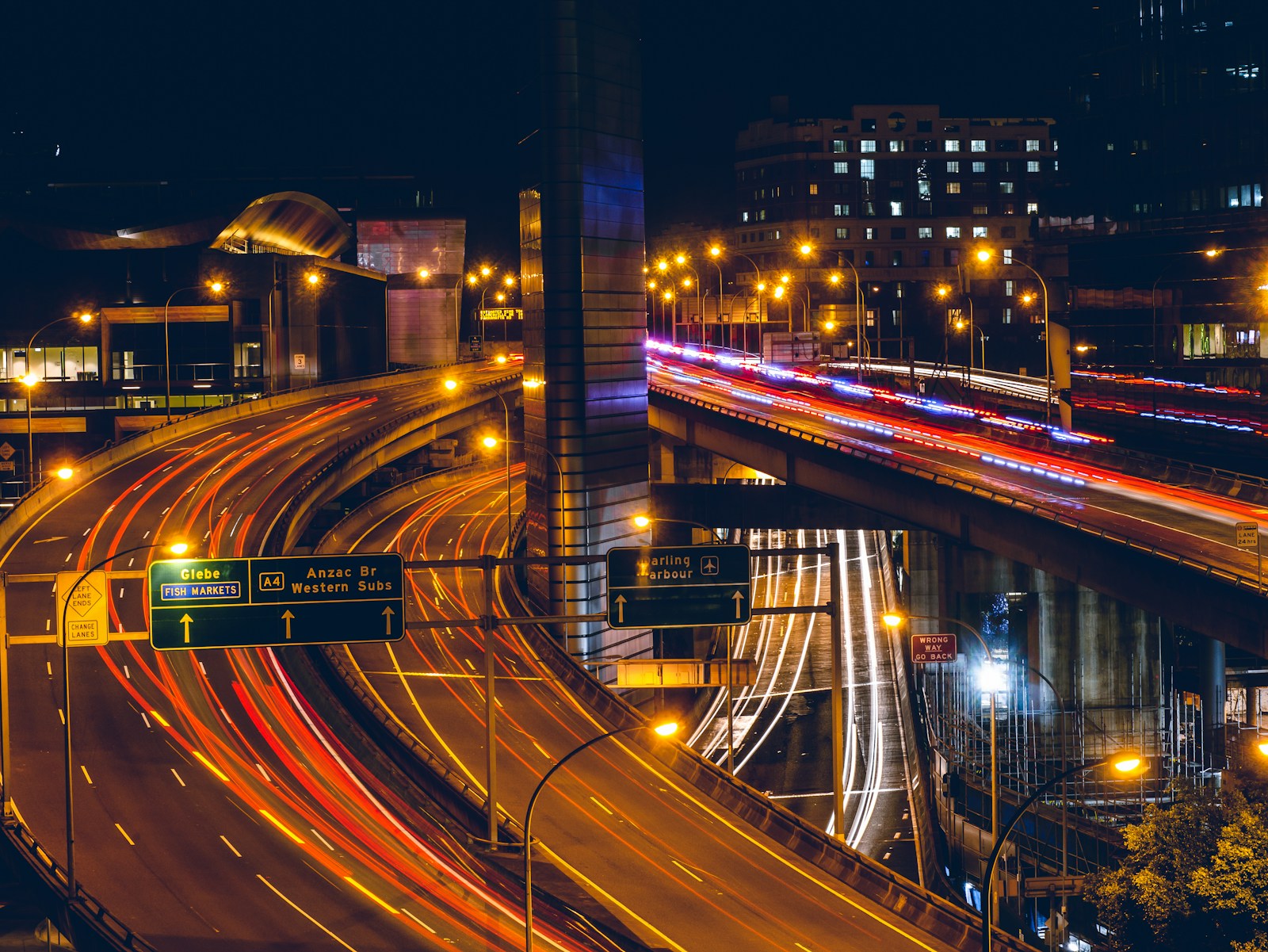
The charge can be fixed, as in a daily fee for entering a zone, or it can vary by time, vehicle type, or level of demand. The Federal Highway Administration describes road pricing and value pricing as tools that can use variable tolls to manage traffic demand. In practice, the design choices matter as much as the basic idea. A city has to decide where the boundary sits, which vehicles pay, whether residents or low-income drivers receive discounts, how taxis and delivery vehicles are treated, what hours are covered, and how violations are enforced.
Technology has made these systems easier to operate. Modern tolling can use transponders, license plate recognition, and account-based billing instead of toll booths that stop traffic. That does not remove every concern. It raises questions about privacy, errors, administrative costs, and whether drivers clearly understand the rules. A pricing system that is confusing or hard to pay can create frustration even if the economic logic is sound.
What New York shows about the idea in practice
Congestion pricing has existed for years in places such as Singapore, London, and Stockholm. New York City made the idea newly visible in the United States when its Congestion Relief Zone tolling program began in January 2025 for vehicles entering Manhattan south of 60th Street. The program was designed to reduce gridlock, improve air quality, and help fund major transit investments. It quickly became a national case study because it applied a long-debated idea to one of the busiest city centers in the country.
Early official reports described measurable changes during the first year. New York State reported that 27 million fewer vehicles entered the priced zone, an average traffic reduction of about 11 percent. The same first-anniversary summary said the program generated more than $550 million in net revenue and helped unlock $15 billion in transit improvements. The Metropolitan Transportation Authority has connected that revenue to projects such as Second Avenue Subway Phase 2, signal upgrades, accessibility work at subway stations, new railcars and buses, and state-of-good-repair projects.
Those numbers should be read with care, not as a simple promise that every city will get the same result. New York has an unusually large transit network, very dense job centers, high parking costs, and many trips that can shift to trains, buses, walking, or other modes. A smaller city with weaker transit might see fewer drivers switch because the alternatives are not strong enough. Congestion pricing works best when it is paired with realistic choices.
The New York example also shows why the policy is politically difficult. Supporters point to faster crossings, reduced traffic, cleaner air, safer streets, and transit funding. Opponents worry about commuters who lack good transit access, small businesses, delivery costs, privacy, and whether toll revenue will be spent well. Both sides are responding to real stakes. A city road is not just pavement; it is part of people’s daily routines, work schedules, budgets, and sense of fairness.
Why transit funding is part of the design
A congestion charge can fail as a public idea if it looks only like a fee. The strongest argument for it usually combines two goals: reduce the worst traffic and improve the alternatives to driving. If revenue disappears into a general budget, many people will see the charge as punishment. If revenue is visibly connected to better buses, trains, stations, sidewalks, or traffic safety, the policy becomes easier to understand as a transportation system change.
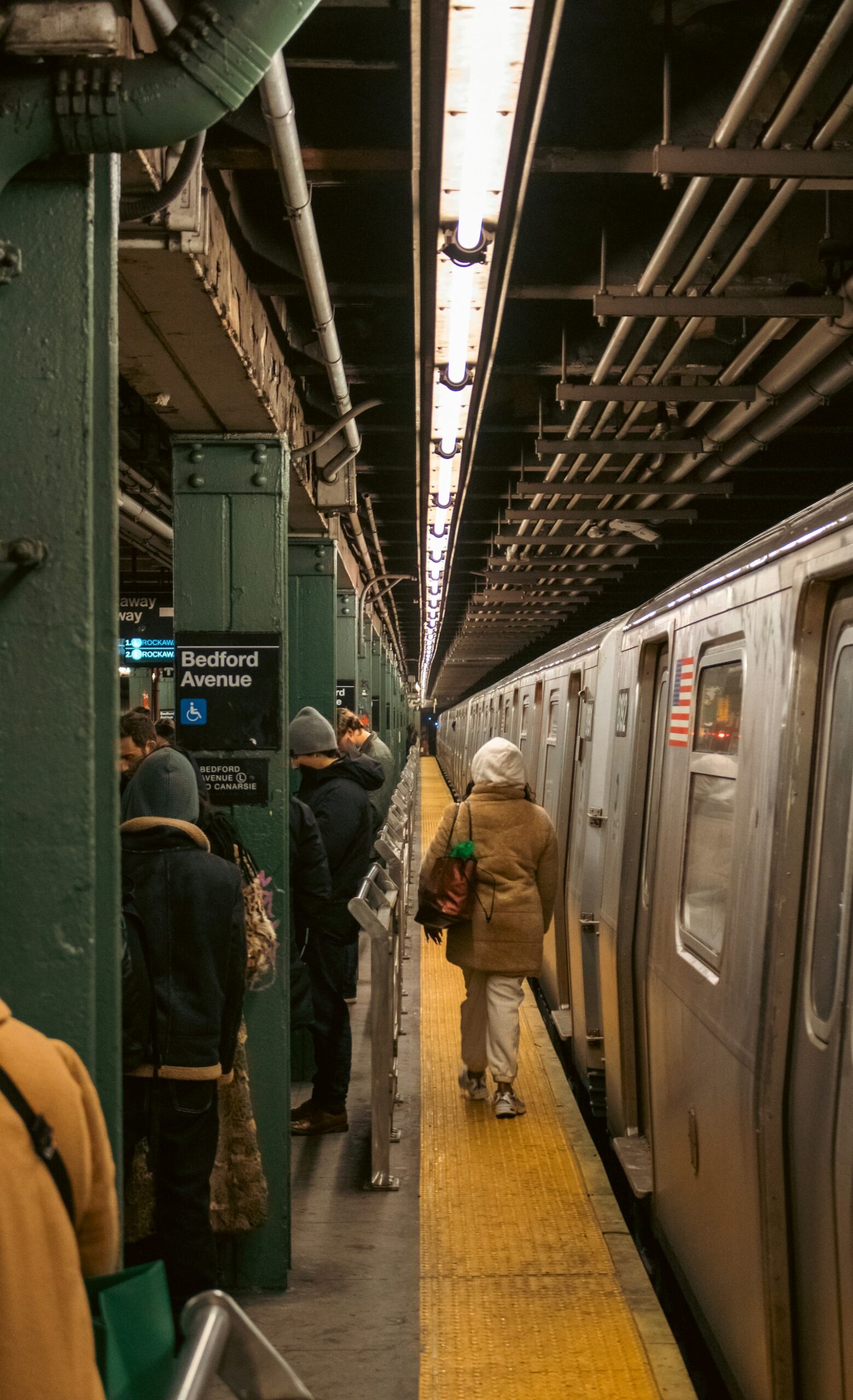
Transit funding is especially important because road congestion and public transit are linked. A bus delayed by car traffic becomes less reliable, which can push more people toward driving, which adds more traffic. Better transit can reverse part of that loop. Faster buses, more frequent trains, accessible stations, and reliable signals give people a stronger reason to avoid driving into the most crowded areas.
There is also an equity question. A flat fee can feel very different to a high-income driver than to a lower-income worker with a fixed shift. Many congestion pricing plans try to answer that with discounts, exemptions, credits, or investments in transit routes that serve communities with fewer transportation options. None of those choices is perfect. Too many exemptions can weaken the traffic effect; too few can make the policy unfair. The hard work is finding a balance that reduces congestion without ignoring people who cannot easily change their commute.
Delivery and freight add another complication. Cities need goods to move, and businesses cannot simply replace every truck trip with a subway ride. Pricing can encourage some deliveries to shift times or consolidate routes, but it must also recognize that commercial movement is part of city life. Good policy design looks at curb space, loading zones, bus lanes, delivery timing, and enforcement together rather than treating the toll as the only tool.
What makes a congestion pricing plan credible
A credible plan starts with a clear problem. Is the main goal to reduce traffic delay, improve air quality, fund transit, make buses faster, reduce crashes, or all of these at once? A city can pursue several goals, but the public needs to know how success will be measured. Otherwise, every data point becomes a political argument instead of a way to learn.
Good measurement includes traffic volumes, travel speeds, bus reliability, transit ridership, air quality, crashes, business activity, and effects on neighborhoods just outside the priced zone. Boundary effects are especially important. If drivers avoid a fee by circling through nearby streets, the policy may simply move congestion rather than reduce it. Monitoring helps officials adjust the system instead of defending the first version forever.
Transparency matters too. People should be able to see how much money is collected, how much the system costs to operate, where the revenue goes, and whether promised projects actually move forward. The charge asks the public to accept a new price for something that once felt free. Trust depends on showing the tradeoff honestly.
Congestion pricing is not a cure for every transportation problem. It cannot replace housing policy, regional transit planning, street design, or careful budgeting. But it does teach a powerful economics lesson: when a shared resource is crowded, the absence of a price does not mean the resource is free. Someone still pays, often through delay, pollution, stress, and unreliable service. A congestion charge makes part of that cost explicit, then tests whether the city can use the signal and the revenue to make movement easier for more people.
The best versions of congestion pricing are not built around punishing drivers. They are built around giving crowded cities a way to manage limited street space more honestly. When the fee is clear, the exemptions are disciplined, the alternatives are real, and the revenue is visible, the policy becomes more than a toll. It becomes a practical lesson in how prices, public goods, and daily choices meet on the same street.



Add comment