
 Akshay Dinesh
A price tag used to feel like a promise. The number printed on the shelf, menu, ticket window, or catalog page told everyone roughly the same thing: this is what the item costs. Digital buying changed that expectation. A concert seat can cost one amount in the morning and a higher amount by the afternoon. A ride across town can jump during rain. A plane ticket can rise after a route fills, then drop again if seats remain unsold. Dynamic pricing is the name for that moving-price system, and it has become one of the most visible ways economics shows up in ordinary life.
At its simplest, dynamic pricing means a seller changes prices in response to conditions such as demand, supply, time, inventory, competition, or customer behavior. The idea is not new. Hotels have long charged more during popular travel weeks, and farmers’ market prices can shift as produce becomes scarce or abundant. What feels different now is the speed and precision. Pricing systems can react quickly, often before shoppers have time to understand what changed.
When a Price Becomes a Moving Target
Dynamic pricing works best in markets where the value of a product depends heavily on timing. An empty airline seat after takeoff cannot be sold later. A hotel room that stays vacant tonight loses its chance to earn revenue. A rideshare driver in a busy district may be scarce just when many people want a ride. In each case, the price is partly a signal: demand is high, supply is limited, or both are happening at once.
That signal can be useful. Higher prices may encourage more drivers to enter a busy area, nudge travelers toward less crowded dates, or help a theater sell slow-moving seats at a discount. When the system is clear, buyers can make choices. Someone may travel on Tuesday instead of Friday, book earlier, wait for a less expensive time, or decide the price is not worth it.
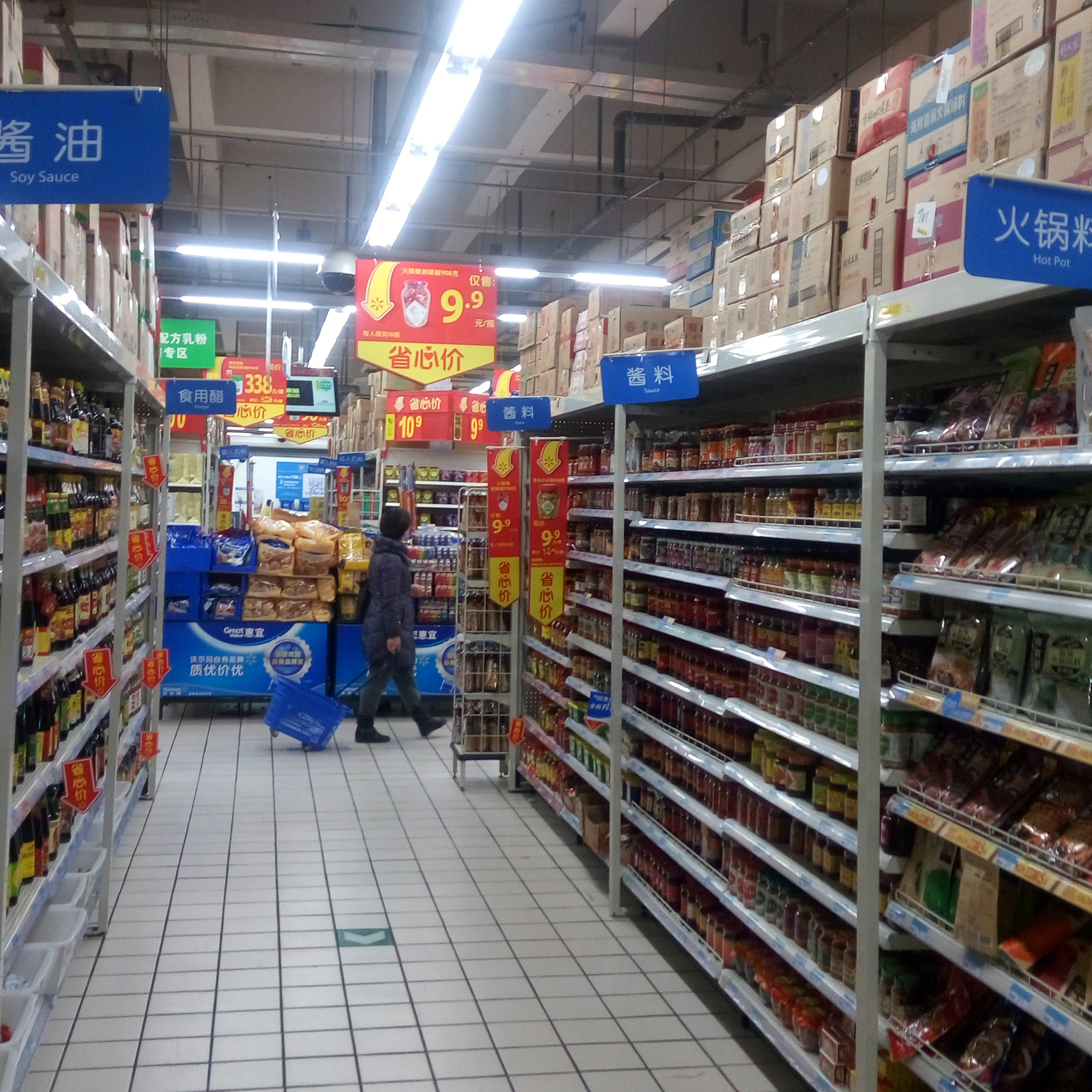
The same logic can appear in places that do not look dramatic. Grocery stores, delivery services, online retailers, ticket sellers, and travel sites may adjust prices as inventory changes or as competitors move. Sometimes the change is small enough to go unnoticed. Sometimes it is the whole story, as when shoppers see a popular ticket double in price while they are still deciding whether to buy.
Why Sellers Use Dynamic Pricing
Businesses use dynamic pricing because a single fixed price often leaves money or inventory on the table. If the price is too low during peak demand, the item may sell out quickly while some buyers would have paid more. If the price is too high during quiet periods, seats, rooms, goods, or services may go unused. A changing price lets the seller test the market more often.
Airlines are a classic example because each flight has limited seats and a deadline. Early seats may be offered at lower fares to attract price-sensitive travelers. As the departure date approaches and seats fill, the remaining fares often rise, especially if business travelers or urgent trips are likely. The same flight may contain passengers who paid very different amounts, not because the seat is physically different, but because timing and demand were different.
That is the economic heart of the system: different buyers place different values on the same product. A family planning months ahead may care most about keeping costs low. A traveler booking after a sudden schedule change may care more about getting there at all. Dynamic pricing tries to sort those differences into prices. In economics, this sits close to price discrimination, which means charging different buyers different prices based on willingness to pay, eligibility, timing, or market conditions.
Why It Can Feel Unfair
A changing price is not automatically unfair. Many people accept that beach hotels cost more in July than in February, or that last-minute flights are often expensive. The trouble begins when shoppers cannot tell what rule is being used. A price that changes because a product is almost sold out feels different from a price that changes because a seller has guessed something about the person looking at it.
Transparency matters because dynamic pricing asks buyers to trust a moving system. If a ticket seller clearly labels a seat as demand-priced, shoppers may still dislike the higher number, but they know the source of the change. If fees appear only at checkout, or if two people see different prices without a clear reason, the experience feels less like supply and demand and more like a hidden advantage for the seller.

There is also a fairness question during emergencies. Higher prices can draw more supply into a market, but they can also hurt people who have little choice. A ride home during a storm, bottled water after a disaster, or a hotel room during an evacuation is not the same as a cheaper movie ticket on a slow afternoon. Many laws and public debates treat emergency price spikes differently because the buyer’s freedom to walk away is much weaker.
How Data Can Make Prices More Personal
The newest concern is not only that prices move, but that prices may move differently for different people. In January 2025, the Federal Trade Commission released initial findings from a surveillance pricing study. The agency described how personal details such as location, demographics, browsing patterns, shopping history, cart behavior, and even mouse movement can be used by pricing intermediaries to help set targeted prices or promotions.
That does not mean every changing online price is personally tailored. Many price changes are based on broad factors: time of day, inventory, demand, competitor prices, or location-based costs. Still, the FTC study shows why the public conversation has shifted. A price based on a crowded Saturday night is easier to understand than a price based on what a seller thinks one shopper is likely to tolerate.
Personalized pricing can sometimes benefit consumers. A discount code for a new customer, a loyalty offer, or a lower price meant to win back a shopper can reduce what someone pays. The risk is that the same tools can work in the other direction. If a system concludes that a person is in a hurry, loyal to a brand, shopping from a high-income area, or unlikely to compare alternatives, the price could become less generous.

How Shoppers Can Read Dynamic Prices
Dynamic pricing is easier to handle when buyers slow the moment down. The first question is whether the purchase is time-sensitive. If it is not, waiting can reveal whether the price is temporary. Travel, tickets, delivery, and online retail prices often change enough that one snapshot does not tell the whole story.
The second question is whether the price can be compared in a common unit. For groceries, unit pricing helps shoppers see the cost per ounce, pound, or item. For travel, comparing total trip cost matters more than the headline fare. For tickets, the final checkout price matters more than the first number shown in a seat map. Dynamic pricing becomes harder to judge when shoppers compare incomplete prices.
It also helps to separate urgency from value. A surge-priced ride may still be worth it if safety, weather, or time matters. A higher concert ticket may not be worth it if the price is mostly excitement and scarcity doing their work. Economics does not say that the cheapest choice is always best. It says every price should be weighed against the next best alternative.
- Check the total price. Fees, delivery charges, and add-ons can matter as much as the changing base price.
- Compare across time. A price that changes hourly may look different tomorrow or outside peak demand.
- Compare across sellers. Dynamic pricing works better for buyers when they can walk away.
- Watch unit prices. For groceries and household goods, the package price may hide the real cost.
- Notice urgency cues. Messages about limited supply can be useful, but they can also pressure quick decisions.
The Bigger Lesson Behind the Price
Dynamic pricing is not just a trick of modern shopping. It is a window into how markets balance scarcity, timing, information, and bargaining power. A price can tell buyers that demand is high, that supply is limited, that a seller is trying to fill empty space, or that personal data may be shaping the offer. The same system can create useful discounts, frustrating spikes, or confusing differences between shoppers.
The fairest versions give people room to compare, delay, substitute, and understand the reason a price changed. The weakest versions hide the rule while asking buyers to make fast decisions. That is why price transparency matters so much. A moving price is easier to accept when shoppers can see what is moving it.
For students of economics, dynamic pricing turns an abstract idea into something visible. Supply and demand are not just curves on a graph. They are the concert ticket that changes after a popular tour announcement, the ride that costs more in heavy rain, the flight that rises as seats disappear, and the grocery deal that looks better only after the unit price is checked. The lesson is practical: prices carry information, but they also deserve questions.



Add comment