

 Akshay Dinesh
A loud emergency alert on a phone can feel almost personal, especially when it arrives during a storm, wildfire, evacuation, AMBER Alert, or other urgent situation. It looks a little like a text message, but it does not travel like an ordinary text. Wireless Emergency Alerts use a different kind of mobile-network technology designed for one short job: warn many people in a specific danger area quickly, even when the network is busy.
That difference matters. During a disaster, people may be calling relatives, checking maps, posting updates, and trying to reach emergency services all at once. A normal text message has to be addressed and delivered from one sender to one recipient. A Wireless Emergency Alert works more like a radio announcement from selected cell towers. If a compatible phone is listening in the broadcast area, it can receive the alert without the sender needing a list of phone numbers.
Why These Alerts Are Not Regular Text Messages
Regular text messages move through a messaging system that identifies the sender, routes the message, and delivers it to a specific phone number. That is useful for everyday communication, but it is not ideal when public safety officials need to reach everyone near a fast-moving threat. A tornado warning, flash flood warning, evacuation notice, or child abduction alert may need to reach residents, workers, travelers, and visitors who happen to be inside the affected area.
Wireless Emergency Alerts, often shortened to WEA, are built around broadcast rather than conversation. Authorized alerting officials send a warning through the Integrated Public Alert and Warning System, or IPAWS, which FEMA operates as a national alert distribution system. From there, the alert can be routed to participating wireless carriers, which broadcast it through cell towers serving the targeted area. The National Weather Service uses this path for its most urgent weather warnings, while state, local, tribal, territorial, and federal authorities can use it for other qualifying emergencies.
Because the message is broadcast, it is not waiting for each individual phone number to be contacted one by one. A phone in the area can receive the alert much like a radio receives a station signal. That is why WEA can still work when ordinary calls and texts are slowed by congestion. The alert is short, but speed and reach are the point.
How Cell Broadcast Targets an Area
The core technology behind WEA is cell broadcast. Instead of asking, “Which people should receive this message?” the system asks, “Which cell towers serve the area at risk?” If an alert covers a tornado warning polygon, evacuation zone, or other defined area, carriers use network information to broadcast the message from towers that cover that geography.
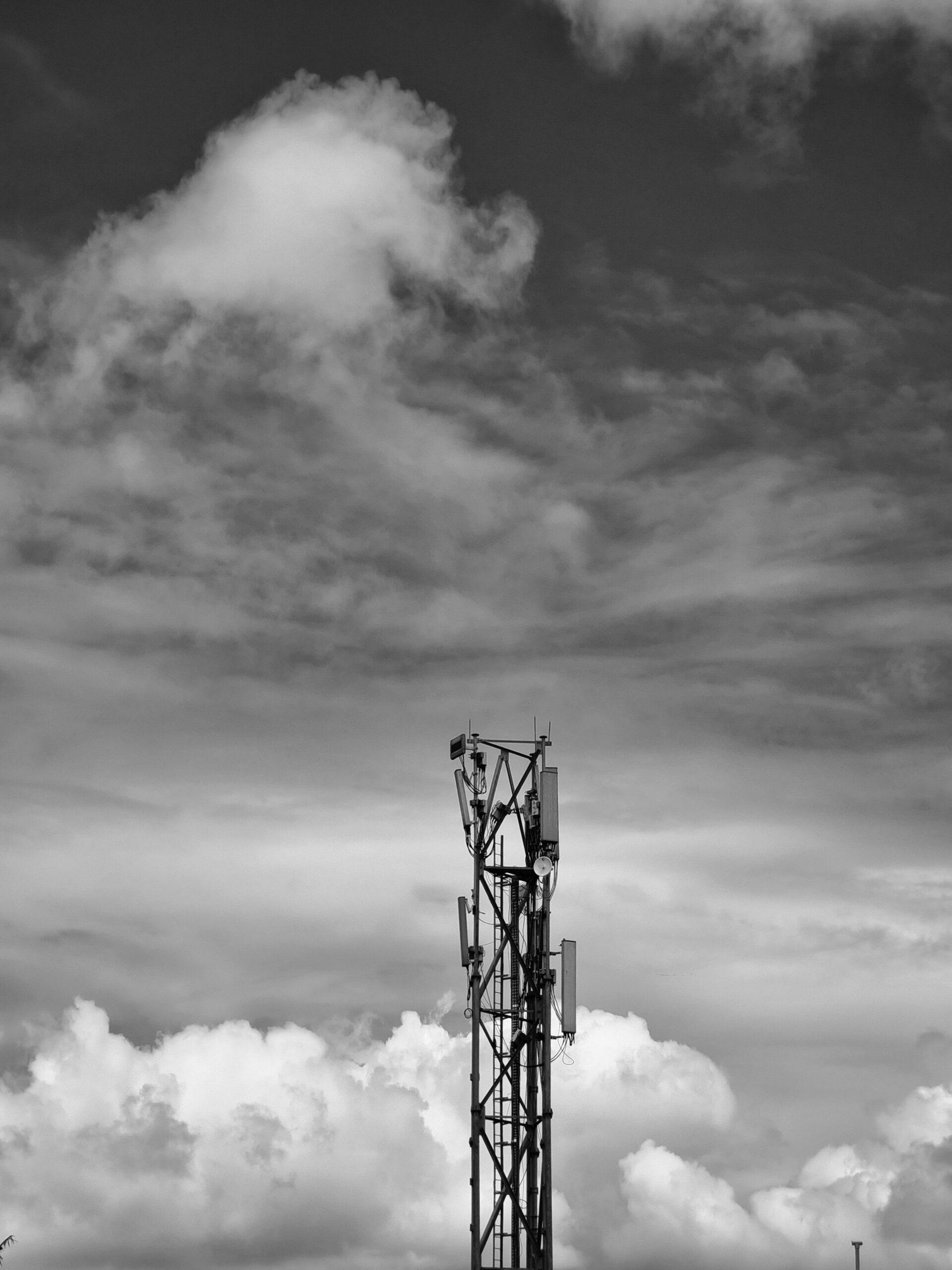
This explains two things that can otherwise seem confusing. First, a phone can receive an alert even if its owner is only visiting the area. The alert is based on where the device is connected, not where the billing address is. Second, a phone may sometimes receive an alert near the edge of the warned area because radio coverage does not stop neatly at a drawn boundary. Signals spread, terrain matters, towers overlap, and older devices may not support the most precise targeting features.
The FCC has pushed WEA toward more accurate geographic targeting over time. Newer WEA-capable devices and networks can support more precise delivery, longer messages, and Spanish-language alerts when alerting authorities provide them. Still, the real world is not a perfect map. A warning that reaches slightly beyond the danger zone may annoy some people, but a warning that misses someone in danger can be far worse.
What Happens Before the Alert Reaches You
A phone alert begins with an authorized alert originator. For weather, that may be the National Weather Service marking a warning for WEA distribution. For other events, it may be an emergency management office, law enforcement agency, or another approved public safety authority. The alerting official chooses the message, the type of alert, the affected area, and the time window.
The message then moves through IPAWS, which works as a collection and distribution point for public alerts. IPAWS can make alerts available to more than one channel, including the Emergency Alert System used by radio and television, Wireless Emergency Alerts on mobile devices, and other public warning tools. This shared pathway helps different alert systems carry consistent information instead of depending on each agency to build a separate pipeline from scratch.
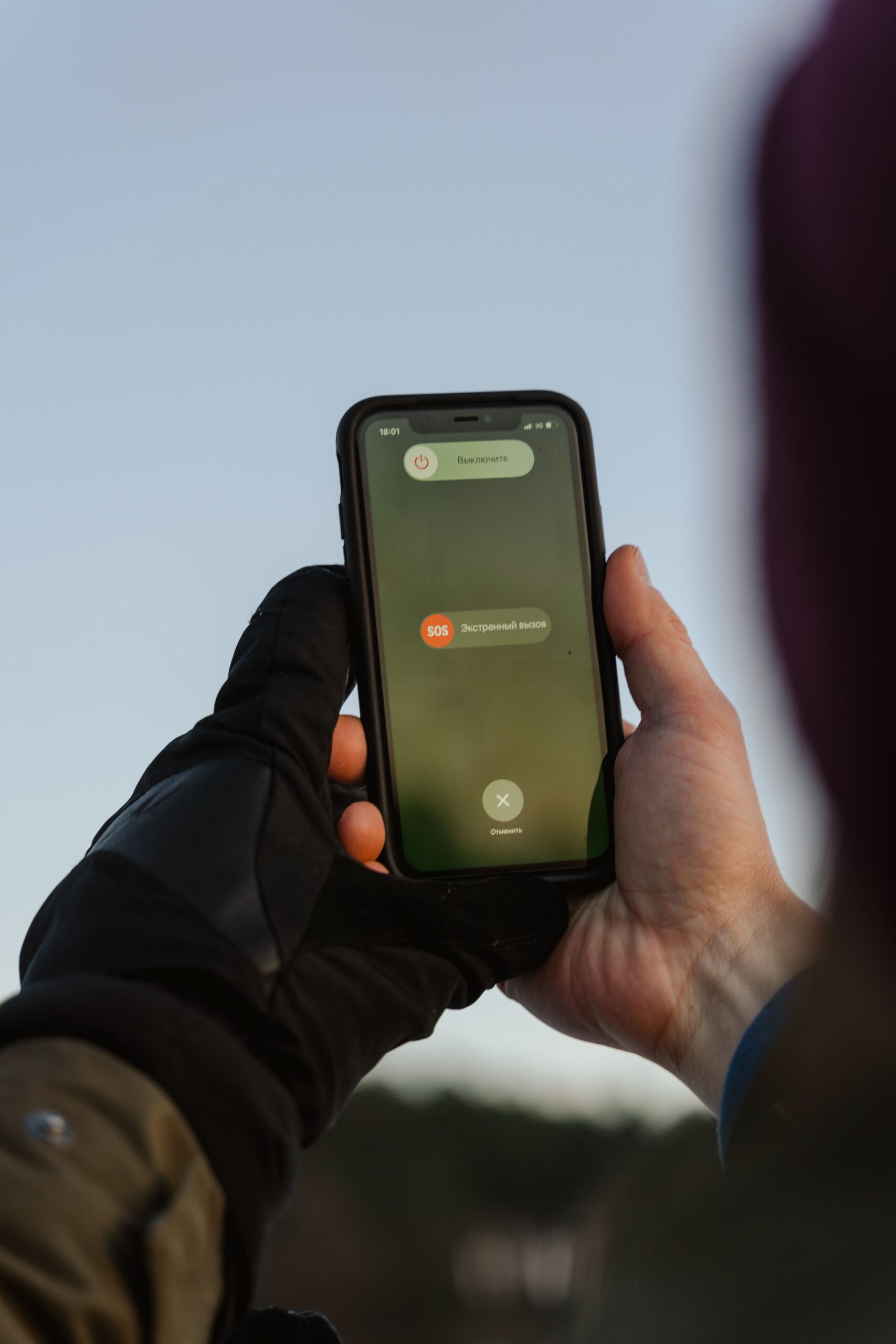
Once a WEA message is routed to wireless carriers, participating carriers broadcast it from the relevant towers. A compatible phone that is powered on and connected to a participating network can display the alert with a special tone and vibration. The message usually names the hazard, gives the area or timing, identifies the issuing authority, and tells people what action to take. It is intentionally brief because an emergency alert has to be readable at a glance.
Why Some Alerts Arrive and Others Do Not
WEA is powerful, but it is not magic. A phone may miss an alert if it is turned off, out of battery, in airplane mode, using an unsupported device, outside the broadcast area, or not connected to a participating carrier at the moment the alert is sent. Some alert categories can also be turned off in phone settings, though national emergency alerts cannot be disabled in the same way.
There are also limits built into the system on purpose. WEA does not tell the alerting authority exactly who received the message. It does not need a sign-up list, and it does not track individual phones for delivery. The system broadcasts to an area, and phones in that area receive the signal if the device and network conditions allow it. That privacy-protecting design is one reason the alert can reach visitors and residents without requiring people to register first.
People sometimes wonder why they received an alert after leaving an area, or why someone nearby did not receive the same alert at the same moment. Cell connections can change as a person moves. A device may connect to a different tower, receive a repeated broadcast, or pass into the alert area after the first transmission. Timing can also vary by device model, carrier, signal strength, and network conditions.
What the Alert Can and Cannot Tell You
A WEA message is designed to get attention and give immediate direction, not explain the whole event. It may tell you to shelter, evacuate, avoid an area, move to higher ground, or check local information. The short format is a strength during the first seconds of an emergency, but it also means the alert cannot include every road closure, shelter location, forecast update, or neighborhood detail.
That is why official alerts work best as a starting signal. After following the urgent instruction, people should look for more detail from trusted local sources: emergency management pages, local news, NOAA Weather Radio, official weather statements, school or campus alerts, or local government updates. A phone alert can wake you up, interrupt a routine, or warn you while traveling, but it should not be the only source of emergency information.
There is also a difference between alerts that warn of an immediate threat and the many notifications that apps may send. Weather apps, school systems, workplaces, and local alert subscriptions can provide useful detail, but they are separate from WEA. WEA is reserved for urgent public warnings sent through authorized channels and delivered through the mobile network itself.
Why Understanding the System Helps
Knowing how Wireless Emergency Alerts work makes the warnings easier to interpret. If an alert arrives, it does not mean someone selected your phone personally. If the wording is short, it is because the system is built for speed. If the alert seems slightly wider than the danger zone, cell-tower coverage and device capability may be the reason. If no alert arrives during bad weather nearby, that does not prove there is no risk.
The safest habit is to treat WEA as one layer in a larger warning system. Keep emergency alerts enabled, know where to find alert history on your phone, charge devices before expected severe weather, and choose at least one backup source for urgent information. The technology is meant to buy time: a few minutes to move away from floodwater, leave an evacuation zone, take shelter from a tornado, or pay attention to a danger you might not yet see.
Wireless Emergency Alerts work because they combine official decision-making with the reach of mobile networks. A short message moves from an authorized warning source, through IPAWS, to selected cell towers, and then to phones in the affected area. It is a simple idea with complicated engineering behind it: use the network people already carry in their pockets to deliver a warning when seconds can matter.





Add comment