

 Akshay Dinesh
A sunscreen label can look simple at first: a brand name, a big SPF number, and a few promising words about sport, water, or daily use. The tricky part is that those words do not all mean the same thing. SPF is useful, but it is narrower than many people assume. It mainly tells how well a sunscreen protects against the kind of ultraviolet radiation that causes sunburn, while other label terms explain whether the product also covers deeper UVA exposure and how long it can hold up when skin gets wet.
That distinction matters on ordinary days, not only during beach vacations. Ultraviolet radiation reaches skin during recess, sports practice, yard work, walking across campus, driving with sunlight through windows, or sitting near reflective water and pavement. The Food and Drug Administration, the Environmental Protection Agency, and the American Academy of Dermatology all treat sunscreen as one part of sun protection rather than a magic shield. Reading the label well helps turn sunscreen from a guess into a tool.
SPF Is a Sunburn Measurement, Not a Timer
SPF stands for sun protection factor. The FDA defines it as a comparison between the amount of solar energy needed to cause sunburn on protected skin and the amount needed to cause sunburn on unprotected skin. In plain language, SPF measures how much a properly applied sunscreen reduces sunburn-causing exposure under controlled test conditions.
The number is often misunderstood as a simple clock. SPF 30 does not mean someone can stay outside exactly 30 times longer in every situation. Sun strength changes with time of day, season, latitude, altitude, cloud cover, reflection, and the current UV Index. Skin also varies from person to person. A fair-skinned runner at noon on a bright sidewalk and a shaded reader in late afternoon are not receiving the same UV dose, even if both use the same product.
The SPF number is still valuable because it gives a standardized way to compare products. The American Academy of Dermatology explains that SPF 15 filters about 93 percent of UVB rays, while SPF 30 filters about 97 percent when used correctly. Higher numbers filter slightly more, but no sunscreen blocks every UVB ray. That is why SPF should be read as a reduction in exposure, not as permission to ignore shade, clothing, or reapplication.
Why SPF Mostly Points to UVB
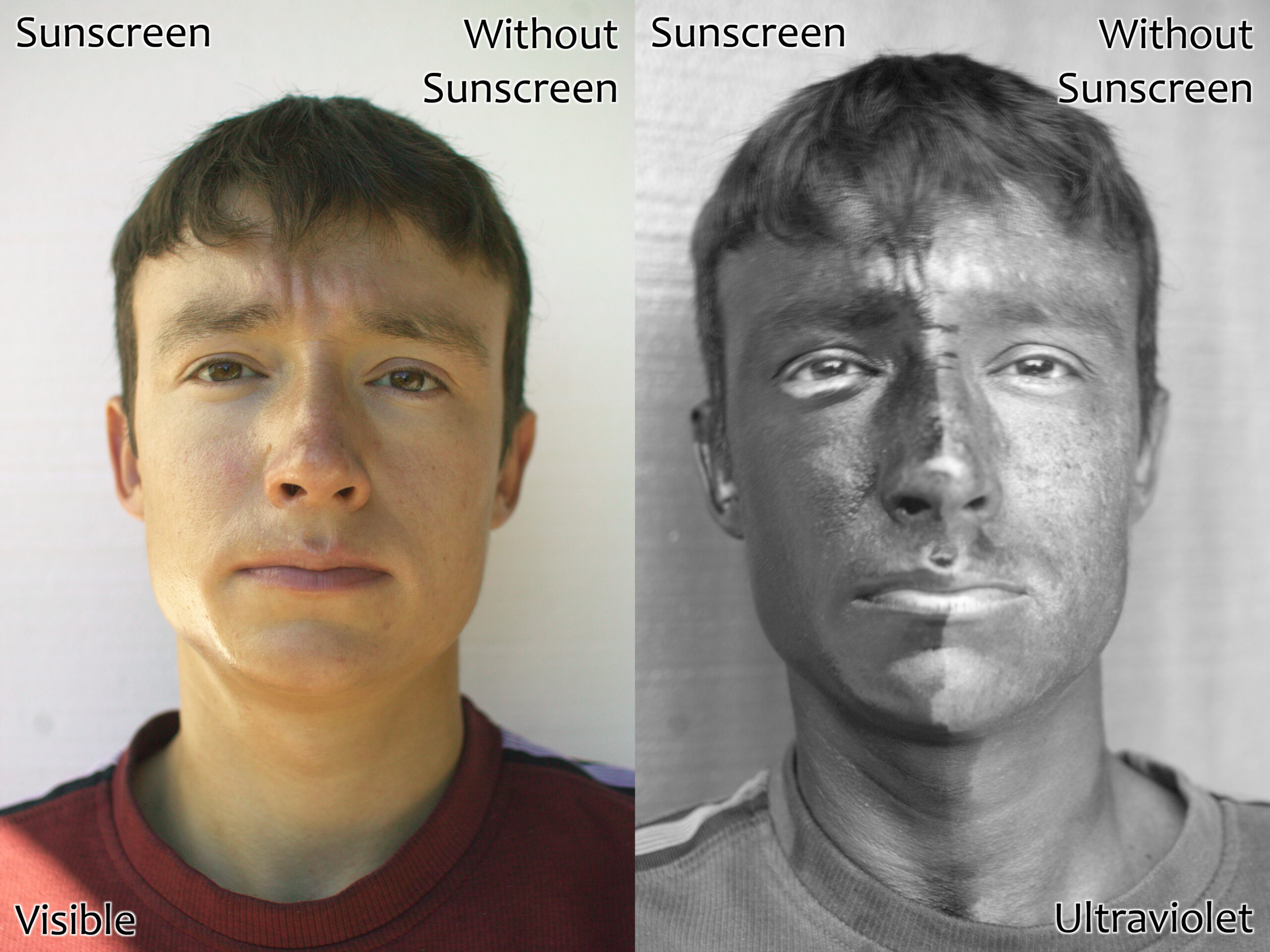
Ultraviolet radiation is usually discussed in two main forms that matter for everyday sun protection: UVA and UVB. UVB rays are strongly linked to sunburn, which is why they are central to SPF testing. When skin reddens after too much sun, UVB exposure is a major reason. That visible burn is a biological warning sign that skin cells have been damaged.
UVA rays behave differently. They penetrate more deeply into the skin and are associated with long-term skin aging as well as skin cancer risk. UVA is also present throughout daylight hours and can pass through ordinary window glass more easily than UVB. A sunscreen with a high SPF number but no broad-spectrum protection may reduce sunburn risk while leaving a person less protected from UVA exposure than the label first suggests.
This is where the phrase broad spectrum becomes important. FDA rules use broad spectrum to mean that a sunscreen has passed testing for protection against both UVA and UVB radiation. The FDA also explains that broad-spectrum UVA protection is expected to be proportional to the product’s UVB protection. In other words, the front label should not be judged by the SPF number alone. The words broad spectrum help show whether the product is built for a wider range of ultraviolet exposure.
Broad Spectrum, Water Resistant, and Other Label Clues
A strong sunscreen label usually has three pieces working together: SPF 30 or higher, broad-spectrum protection, and water resistance when swimming or sweating is likely. The American Academy of Dermatology recommends that combination because each part answers a different question. SPF addresses sunburn protection. Broad spectrum addresses UVA and UVB coverage. Water resistance tells how long the product has been tested to remain effective on wet skin.
Water resistance is not the same as waterproof. The FDA no longer allows sunscreens to be labeled waterproof because water, sweat, towels, and movement all remove sunscreen from skin over time. A label may say water resistant for 40 minutes or 80 minutes. After that period in water or heavy sweating, the product needs to be reapplied. Even away from water, the usual guidance is to reapply about every two hours during outdoor exposure because sunscreen can move, wear away, or break down.
Other front-label words can be less precise. Sport, daily, family, sheer, mineral, chemical, sensitive, or reef-conscious may describe ingredients, texture, marketing position, or intended use, but they do not replace the core protection terms. A pleasant sunscreen is easier to use regularly, so feel and finish matter. Still, the protective meaning comes from the tested claims, especially SPF, broad spectrum, and water resistance.

Application Changes the Real Protection
SPF testing assumes a product is applied evenly and generously. In real life, people often use less than the tested amount, miss easy-to-forget areas, or spread sunscreen too thinly. Ears, the back of the neck, tops of feet, hairlines, shoulders, hands, and the edges of clothing are common places where sunburn shows up after a day outside.
This is why an SPF number can look stronger on the bottle than it feels on the skin. A thin layer of SPF 50 may not perform like a properly applied layer of SPF 50. Uneven application also creates weak spots, especially around straps, collars, sunglasses, and swimwear. Spray sunscreens add another challenge because wind and quick spraying can leave gaps unless the product is rubbed in according to the label directions.
The EPA’s UV Index guidance helps explain when careful application becomes even more important. A low UV Index may require minimal protection for many people, but moderate, high, very high, or extreme readings call for stronger habits: shade during the brightest hours, protective clothing, sunglasses, and broad-spectrum sunscreen on exposed skin. The index does not choose a sunscreen for a person, but it does show when the sun’s ultraviolet intensity deserves extra attention.
Why Higher SPF Is Helpful but Not Complete
Higher SPF can provide a margin of protection, especially when people apply less than they should or spend time in intense sun. Someone who burns easily may prefer a higher number for outdoor sports or long summer events. But chasing the biggest number can create false confidence if the rest of the routine is weak. A very high SPF that is not reapplied, not broad spectrum, or not used on enough exposed skin cannot do the whole job.
There is also a practical reason to avoid thinking of SPF as the only measure. Sun protection is about reducing cumulative exposure, not winning a label-number contest. Shade lowers the amount of UV reaching skin. Tightly woven clothing covers areas that sunscreen might miss. Hats protect the scalp, ears, face, and neck. Sunglasses protect eyes and nearby skin. Sunscreen fills in the exposed areas that clothing and shade do not cover.
A good label-reading habit is simple: start with broad spectrum, choose SPF 30 or higher for routine outdoor protection, look for water resistance when water or sweat is involved, and reapply according to the label. Then match the rest of the plan to the day. A short walk in mild morning light is not the same as hours at a pool, a soccer tournament, a mountain trail, or a bright beach.
The Best Sunscreen Is the One Used Well
Sunscreen choices can feel crowded because shelves are full of lotions, sticks, gels, sprays, mineral formulas, chemical formulas, tinted products, and face-specific versions. The science on the front of the label helps cut through that clutter. SPF tells part of the protection story, broad spectrum fills in a major missing piece, and water resistance explains what to expect during swimming or sweating.
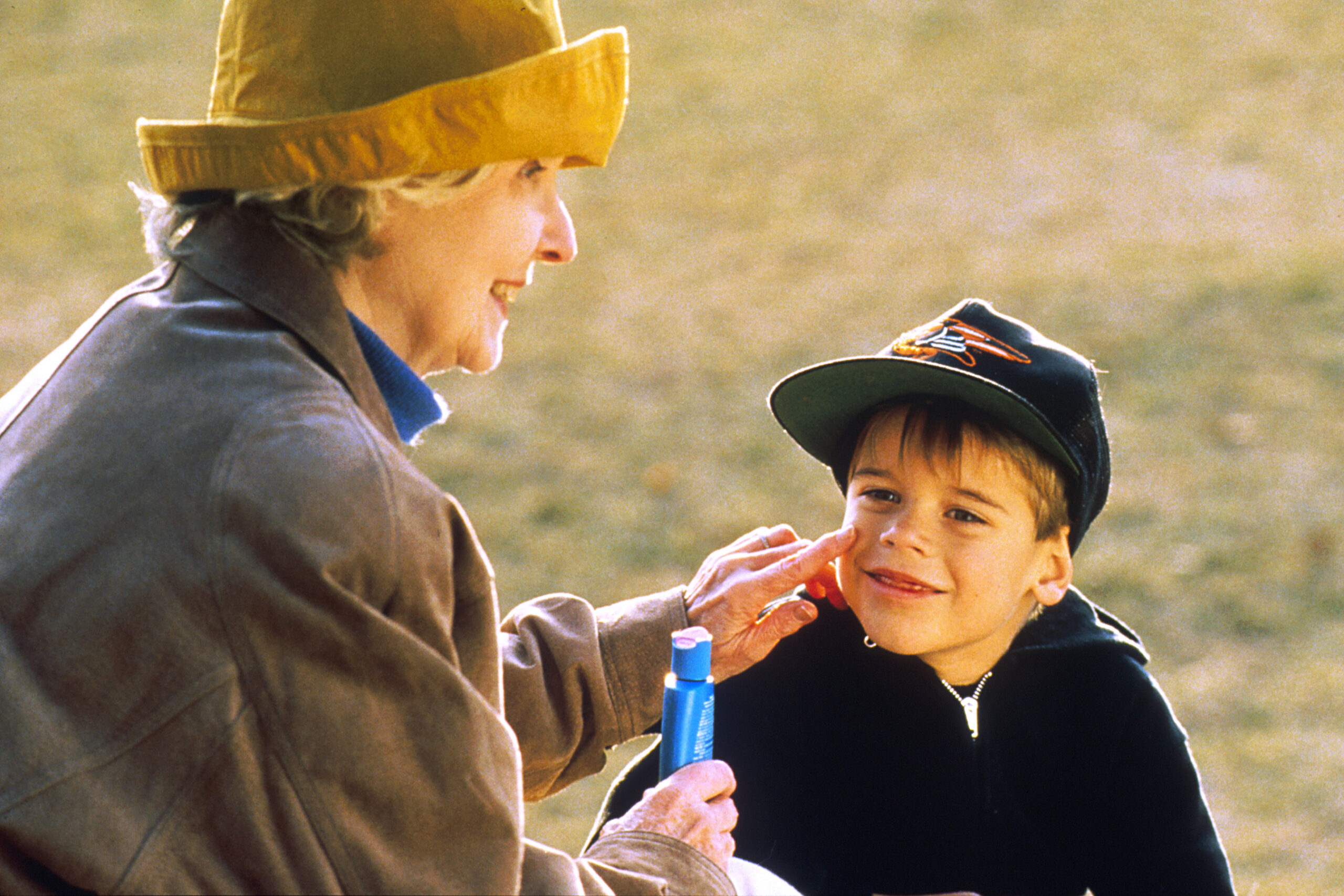
The best choice for everyday use is usually the product a person will apply generously, reapply without a fight, and pair with shade and clothing when the UV Index is high. Texture, scent, white cast, skin sensitivity, and cost all affect whether a sunscreen actually gets used. A technically strong product left in a bag is less useful than a well-labeled product that becomes part of a steady outdoor routine.
SPF numbers are not meaningless, and they are not everything. They are a measurement of sunburn protection under specific conditions. Once that is clear, the rest of the label becomes easier to read. A sunscreen that is broad spectrum, has an appropriate SPF, matches the activity, and is reapplied on time gives the skin a much better chance against the invisible radiation in ordinary daylight.






Add comment