

 Akshay Dinesh
A private message feels simple from the outside. One person types, another person reads, and the words seem to travel straight from one screen to another. In reality, the message usually passes through networks, servers, backups, notification systems, and account controls before it reaches its destination. End-to-end encryption is designed for that messy middle. It protects the content of a message so that the readable version exists only at the ends of the conversation: on the sender’s device before it leaves and on the recipient’s device after it arrives.
That difference matters because many ordinary forms of encryption protect data only during part of the trip. A service may encrypt a message while it travels across the internet, then decrypt it on its own servers before sending it onward. End-to-end encryption changes the trust model. The server can help deliver the locked message, but it should not hold the key needed to read the message itself.
What End-to-End Encryption Actually Protects
The National Institute of Standards and Technology defines end-to-end encryption as communication encryption in which data is encrypted while passing through a network, though routing information may still be visible. In plain language, the message content is scrambled before it leaves one end of the conversation and remains scrambled until it reaches the other end. Anyone in the middle sees ciphertext: data that looks unreadable without the correct key.
The Federal Trade Commission has described end-to-end encryption as a method that lets only the sender and recipient read the content. That wording is useful because it explains the promise in human terms. The protection is not just against random strangers on a public Wi-Fi network. It also limits what a messaging service, cloud operator, or compromised server can see if the system is built correctly.
Imagine mailing a note inside a locked box. A delivery service can move the box, scan its label, and record where it is going, but it cannot read the note unless it has the key. End-to-end encryption works in a similar spirit, though the real system uses mathematics instead of metal locks. The delivery path still exists, but the readable message is not supposed to appear along the way.
Why Keys Matter More Than the Lock
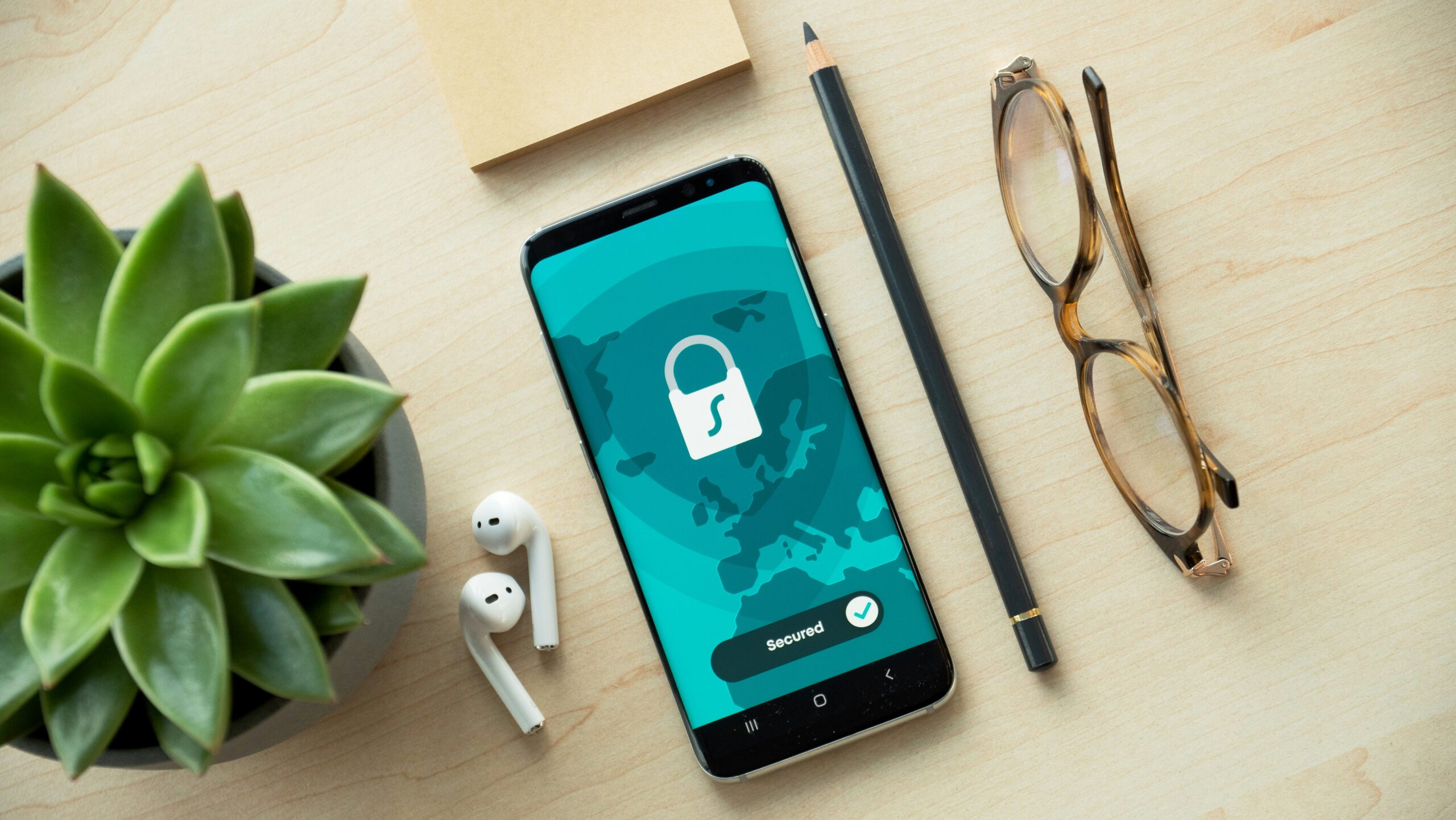
Encryption depends on keys. A key is not usually a short password that a person memorizes; it is a long mathematical value used by software to scramble and unscramble data. In many modern systems, public key cryptography helps two people begin a secure conversation even if they have never met in person. One key can be shared openly, while a matching private key stays secret on a device.
That pairing solves an old problem: how can two people communicate privately if they have to start by sending the secret through the same risky channel? Public key cryptography lets one side publish a key that can be used to lock a message, while only the matching private key can unlock it. The public part is like a mailbox slot. Anyone can drop something in, but only the person with the private key can open the box and read what arrived.
Most real messaging systems use a more layered design. Public key cryptography may help devices agree on fresh session keys, while faster symmetric encryption protects the actual message content. The details differ by app and protocol, but the goal is consistent: the service should not need to possess the decryption key for the message body.
This is why the phrase “encrypted” by itself can be too vague. A message can be encrypted in transit yet still readable after it reaches a server. End-to-end encryption is a stronger and more specific claim because it says something about who holds the keys, not just whether encryption appears somewhere in the system.
What It Does Not Hide
End-to-end encryption is powerful, but it is not invisibility. It usually protects the content of a message, not every fact about the communication. The Electronic Frontier Foundation has long emphasized the difference between content and metadata. The words inside a message may be hidden, while details such as who contacted whom, when a message was sent, how large it was, or which account received it may still be available to the service or network.
Metadata can be revealing. A blank envelope does not show the letter inside, but the address, postmark, and delivery pattern can still say something. Digital messages have similar outside information. Some systems reduce that exposure more than others, but end-to-end encryption should not be mistaken for total anonymity.
It also does not protect a message after someone unlocks it on a device. If a phone is stolen while open, if malware records the screen, or if a recipient takes a screenshot and shares it, encryption cannot put the message back inside the box. The protection is strongest while the message is traveling and stored in encrypted form outside the endpoints. The endpoints themselves still need device locks, software updates, careful account recovery settings, and thoughtful sharing habits.
How Trust Can Still Break
The hardest part of end-to-end encryption is not always the scrambling. It is knowing that the key really belongs to the person you think it belongs to. If an attacker can trick a device into accepting the wrong public key, the message may be encrypted securely but delivered to the wrong mathematical identity. That kind of problem is often called a man-in-the-middle attack because someone inserts themselves between two people while pretending to be each side.
Secure messaging tools handle this risk in different ways. Some show safety numbers, verification codes, or QR codes that two people can compare. Others alert users when a contact’s key changes, which can happen for harmless reasons such as a new phone, but can also be a reason to pause before sending sensitive information. These checks may feel technical, yet they answer a simple question: am I encrypting this message for the right person?
The public history of video-calling and messaging tools also shows why wording matters. The FTC’s 2020 Zoom case drew attention to claims about end-to-end encryption that did not match how the service actually handled keys at the time. The lesson is broader than one product. A privacy claim is only as strong as the architecture behind it. If a service keeps the keys, scans message contents by design, or can routinely decrypt communication on its own systems, the protection is not the same as true end-to-end encryption.
Why It Matters for Everyday Communication
End-to-end encryption is often discussed as if it belongs only to journalists, activists, engineers, or people with unusually high security needs. That misses the everyday value. Families send medical details, students share school records, workers discuss schedules, and friends talk about personal problems. Most messages are not dramatic, but ordinary privacy is still worth protecting.
The strongest reason to understand end-to-end encryption is not fear. It is better judgment. A person who knows the difference between encrypted transit and end-to-end encryption can read privacy settings more carefully, choose communication tools with clearer expectations, and avoid assuming that every lock icon means the same thing. The lock matters, but the location of the keys matters more.
Good security also works best as a set of habits rather than a single feature. End-to-end encryption can protect message contents during delivery, while strong device passwords, passkeys, software updates, backup settings, and cautious sharing protect the endpoints. When those pieces work together, private communication becomes less dependent on trusting every system in the middle.
The useful question is not whether encryption is perfect. No security tool is. The better question is what risk it reduces. End-to-end encryption reduces the number of places where a private message can become readable. For a technology that most people use without seeing it, that is a quiet but important shift: the message travels through the network, but the meaning stays with the people at the ends.






Add comment