
 Akshay Dinesh
A summer picnic looks simple: food comes out of the cooler, plates fill up, people talk, and the afternoon stretches longer than planned. The biology underneath is less relaxed. Warm air, direct sun, repeated handling, and slow cooling can give bacteria the conditions they need to multiply quickly, especially in foods that contain moisture and protein. That does not mean every outdoor meal is dangerous. It means time and temperature matter more outside than they do in a kitchen with a refrigerator only a few steps away.
The reason picnic food can become risky is not that it suddenly looks or smells bad. Many harmful microbes do not announce themselves with obvious changes. A pasta salad, sliced melon, cooked chicken, or tray of burgers can still look normal while bacteria have had enough time to grow. The U.S. Department of Agriculture’s Food Safety and Inspection Service, the CDC, and the FDA all point to the same basic rule: perishable food should not stay for long in the temperature range where bacteria multiply fastest.
The invisible race between time and temperature
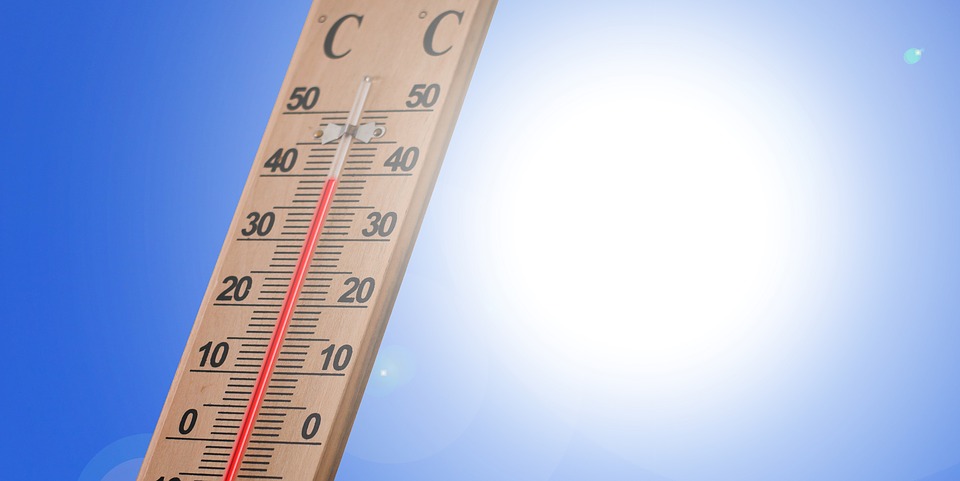
Food safety agencies often call the range from 40°F to 140°F the temperature danger zone. Below 40°F, refrigeration slows bacterial growth. Above 140°F, hot holding keeps many bacteria from multiplying. Between those temperatures, especially near warm room temperature, microbes can reproduce much faster if the food gives them moisture and nutrients.
That is why the familiar two-hour rule exists. The CDC advises that perishable foods should not be left out for more than two hours, or more than one hour when the temperature is above 90°F. The FDA gives the same outdoor-dining guidance for picnics and cookouts. The shorter hot-weather limit matters because a sunny picnic table is not the same as a shaded dining room. Food may warm from below, above, and around the sides, while bowls are opened again and again for serving.
Bacteria do not multiply at one exact speed in every dish. Their growth depends on temperature, water, acidity, salt, oxygen, and the type of food. Still, the danger-zone idea is useful because it gives a practical boundary for real life. A cooler, a serving table, and a grill are not laboratory instruments. Time limits make it easier to manage risk without trying to calculate the growth curve of every microbe on every plate.
Why some picnic foods are more vulnerable
The foods that need the most care are usually the ones bacteria can use easily: cooked meats, poultry, seafood, eggs, dairy foods, cooked grains, cut fruit, cooked vegetables, and mixed salads. These foods often contain enough water and nutrients for microbial growth. Once they are cooked, chopped, peeled, or mixed, their protective surfaces are changed, and more area is exposed to air, utensils, hands, and serving dishes.
Raw whole foods are not all equal. An uncut watermelon is better protected than a tray of cut watermelon because the rind keeps the edible inside mostly separate from outside contamination. Once the melon is sliced, the wet interior is exposed, and any bacteria moved in by the knife can reach a friendlier place to grow. The same basic idea applies to lettuce, tomatoes, berries, and other produce once they are washed, cut, and served.
Cooked starches deserve more attention than many people give them. Rice, pasta, and potatoes can seem less risky than meat, but they can still support bacterial growth after cooking. Bacillus cereus, for example, is often discussed in connection with cooked rice and other starchy foods because some spores can survive cooking and become a problem if food cools slowly or sits warm too long. Reheating cannot always fix food that has already spent too much time in unsafe conditions, because some bacteria can leave behind toxins.
Mayonnaise often gets blamed for picnic food spoilage, but the story is more complicated. Commercial mayonnaise is acidic enough that it is not usually the main villain by itself. The greater concern in potato salad, chicken salad, egg salad, or macaroni salad is the whole mixture: cooked ingredients, chopped surfaces, moisture, utensils, and time at warm temperatures. The safest habit is to treat the finished dish as perishable, no matter which ingredient seems most suspicious.
The picnic mistakes that matter most
Most food safety problems at outdoor meals come from a few ordinary habits. Food is packed while still warm. Coolers are opened constantly for drinks. Raw meat leaks onto ready-to-eat foods. Grilled burgers go back onto the same plate that held raw patties. A bowl of salad sits out because people are still eating from it. None of these mistakes looks dramatic in the moment, which is exactly why they are easy to miss.
Cross-contamination is especially important at cookouts. Raw meat and poultry can carry germs that are destroyed only when food is cooked to a safe internal temperature. If the raw juices touch lettuce, buns, fruit, serving tongs, or the plate used for cooked food, the grill no longer solves the whole problem. The USDA’s food safety advice separates the steps clearly: clean, separate, cook, and chill. Outdoor meals need all four, not just the cooking step.
Color is also a weak judge of safety. A burger can brown before the center reaches a safe temperature, and chicken can show grill marks while still needing more time. A food thermometer gives a better answer because it checks the part of the food where undercooking matters. For students learning biology, this is a useful example of measurement beating appearance: the visible surface does not always tell the story of what is happening inside.
How coolers and serving choices change the odds
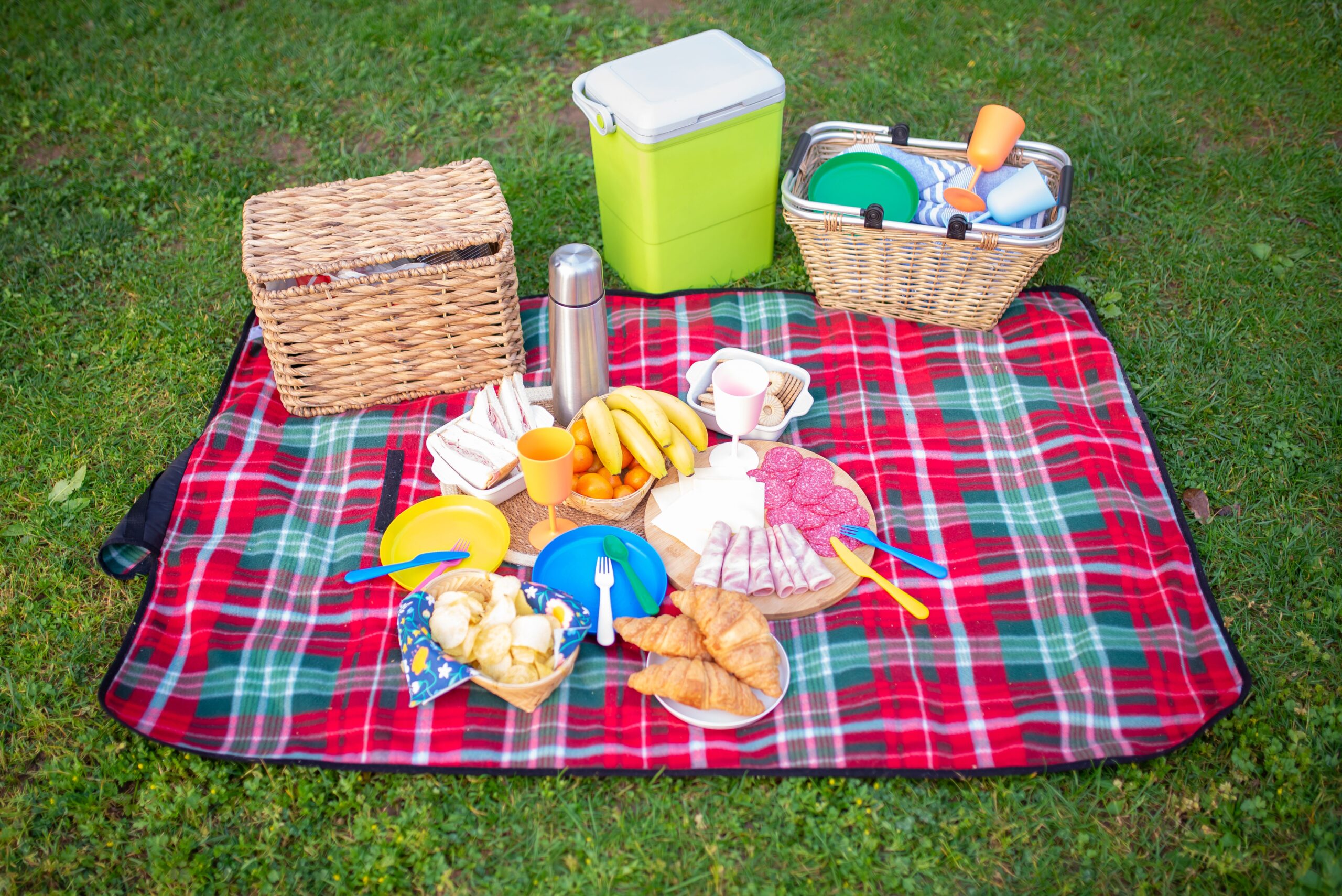
A cooler is most useful when it is treated like a temporary refrigerator, not just a cold box. Cold foods should begin cold, with plenty of ice or frozen gel packs around them. A half-empty cooler warms faster than a well-packed one, and a cooler that sits in the sun has to fight heat from the outside while people add heat every time the lid opens. Keeping drinks in a separate cooler can help because beverage coolers are usually opened more often.
Small serving containers can make a large meal safer. Instead of placing one huge bowl of salad on the table for the entire afternoon, part of the food can stay in the cooler while a smaller portion is served. When the first portion is finished, a fresh cold portion can replace it. The same logic works for sliced fruit, dips, sandwich fillings, and desserts that need refrigeration.
Hot foods need their own plan. Grilled foods are safest when they are cooked thoroughly and served soon, or kept hot above 140°F if they will remain out for a longer period. A warm platter that slowly drifts down through the danger zone is different from food that is actively held hot. In a backyard, that may mean cooking in smaller batches instead of finishing everything at once and letting it wait.
Shade helps comfort more than it guarantees safety. A shaded table slows heating compared with direct sun, but it does not turn perishable food into shelf-stable food. Ice trays under bowls can help cold dishes stay colder, but they are not magic either. The simplest strong habit is to notice the clock: once perishable food leaves the cooler or hot holding, its safe serving window has started.
What leftovers can and cannot tell you
Leftovers from a picnic are tricky because the food may have spent time in several different places: kitchen counter, car, cooler, picnic table, plate, and then cooler again. If no one knows how long a dish sat out, keeping it is a gamble. The old kitchen saying, when in doubt, throw it out, is not elegant, but it is biologically sound. Food that looks fine can still have spent too much time in a growth-friendly temperature range.
Smell is a poor safety test for many foodborne hazards. Spoilage organisms can create sour, rotten, or slimy changes, but illness-causing bacteria do not always produce warning signs that a person can notice. That is why the time and temperature rules are more reliable than a sniff test. They focus on conditions that allow bacteria to multiply, not on whether the food has reached the point of obvious decay.
Good leftovers are cooled quickly, packed in clean containers, and returned to a refrigerator or cooler before the time limit runs out. Large amounts of food cool more slowly, so dividing them into smaller shallow containers helps heat escape faster. That step matters because the danger zone does not only apply on the picnic table. It also applies while warm food is slowly cooling on the way back to safe refrigeration.
A safer picnic is mostly a better-timed picnic
Food spoils faster at summer picnics because warm outdoor conditions make it easier for microbes to multiply before people notice anything has changed. The solution is not fear of outdoor meals. It is planning around the biology: start foods cold or hot, keep raw and ready-to-eat items separate, use a thermometer for cooked meats, serve smaller portions, watch the clock, and chill leftovers quickly.
Those habits are simple because the underlying problem is simple. Bacteria need the right conditions, and summer picnics can accidentally provide them. A cooler, shade, clean utensils, and a little attention to time take away much of that advantage. The best picnic food is not just tasty when it reaches the table. It is still safe when the conversation lasts longer than expected.




Add comment