
 Akshay Dinesh
The phrase “25th Amendment” often appears during moments of political uncertainty, but the amendment itself is less mysterious than the debates around it can make it sound. It is a set of constitutional instructions for a dangerous problem: the country cannot afford confusion over who holds presidential power. Death, resignation, serious illness, surgery, impeachment removal, and a vacancy in the vice presidency all raise different questions. The amendment answers them by separating permanent succession from temporary transfer of authority.
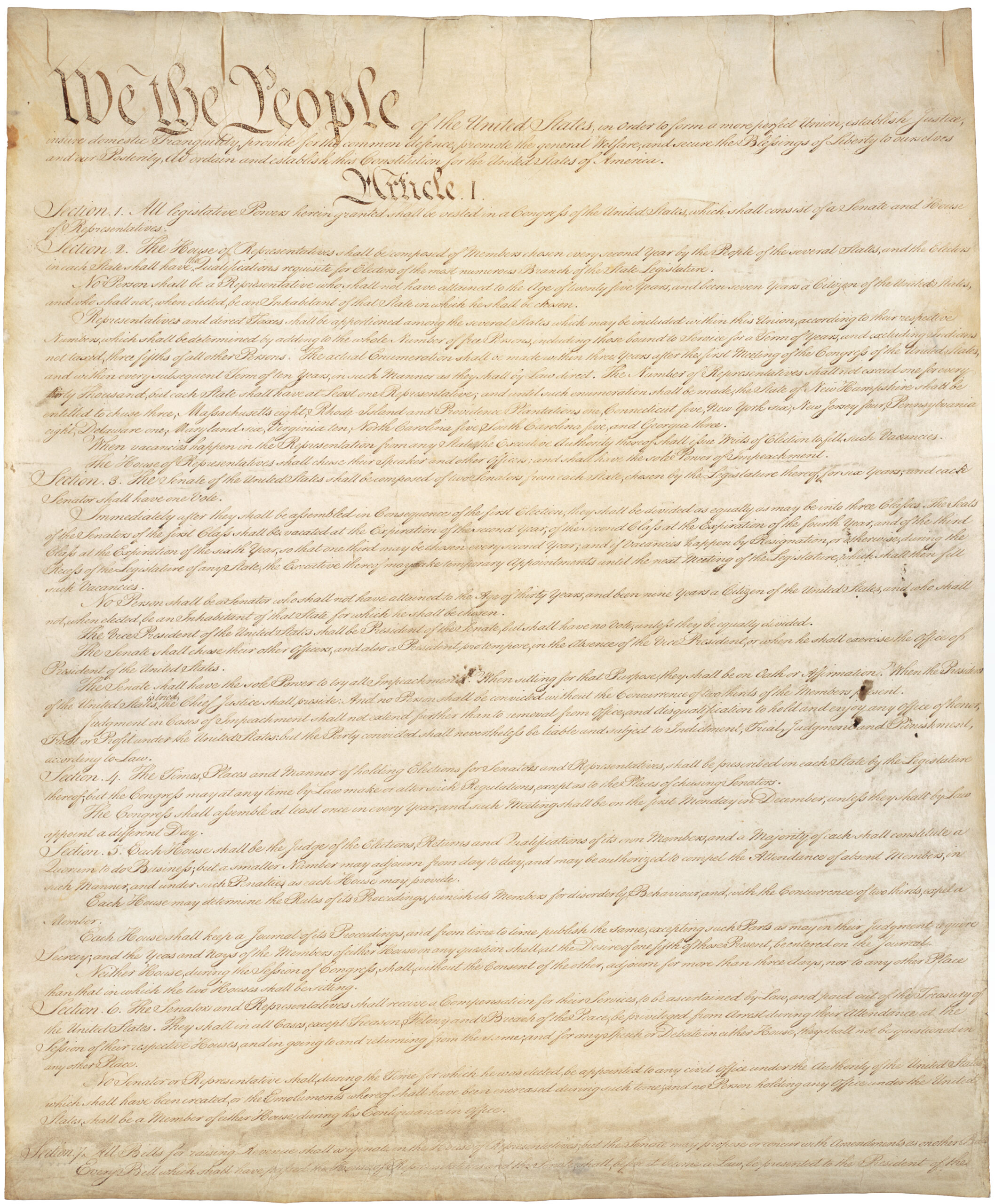
Before the 25th Amendment, the Constitution left some of those questions blurry. Article II said presidential powers and duties would “devolve” on the vice president if the president could not serve, but it did not clearly say whether the vice president became president or merely acted as president. It also did not explain how to fill an empty vice presidency during a term. After the assassinations, illnesses, and vacancies that marked earlier presidencies, Congress and the states decided that informal tradition was not enough.
Why the Original Succession Rules Were Not Enough
The first major test came in 1841, when President William Henry Harrison died only a month after taking office. Vice President John Tyler insisted that he had become president, not just acting president. That decision became known as the Tyler precedent, and later vice presidents followed it after presidential deaths. Still, the original constitutional wording remained uncertain enough that people could argue about what exactly had happened.
Presidential disability created an even harder problem. A president might be alive but unable to communicate or make decisions. After President James Garfield was shot in 1881, he lingered for weeks before dying. President Woodrow Wilson suffered a severe stroke in 1919, and the public did not receive a clear account of how limited his work had become. In those situations, the vice president faced a terrible choice: step in and risk looking like a usurper, or stay back and leave the executive branch partly frozen.
The vice presidency also created practical trouble. From 1789 to 1967, the office was vacant for long stretches because vice presidents died, resigned, or became president. There was no constitutional method for appointing a replacement before the next election. That meant the next person in line might be a congressional leader or cabinet officer, even though voters had not chosen that person on a national ticket.
Section 1: When the Vice President Becomes President
Section 1 of the 25th Amendment gives the clearest rule: if the president is removed from office, dies, or resigns, the vice president becomes president. The wording matters. The vice president does not merely borrow presidential powers for a while. The office itself transfers, and the former vice president becomes the president for the rest of the term.
This rule confirmed the practice that Tyler had started more than a century earlier. It removed a dangerous ambiguity at the very moment when clarity would matter most. If a president dies, resigns, or is removed after impeachment and conviction, there is no national pause while officials debate whether the vice president is fully president. The constitutional answer is already in place.
The most familiar use of Section 1 came in 1974, when President Richard Nixon resigned during the Watergate crisis. Vice President Gerald Ford became president immediately. Ford had not been elected vice president, which made the moment even more unusual, but the 25th Amendment had already supplied the legal path. The country moved from one president to the next without a disputed transfer of authority.
Section 2: How an Empty Vice Presidency Gets Filled
Section 2 handles a different problem: what happens when the vice presidency is vacant. The president nominates a new vice president, but that person does not take office automatically. A majority of both the House of Representatives and the Senate must confirm the nominee. That design gives the president a way to restore the line of succession while still requiring public approval through Congress.
This section was used twice in the 1970s. In 1973, Vice President Spiro Agnew resigned, and President Nixon nominated Gerald Ford to replace him. Congress confirmed Ford. Less than a year later, Nixon resigned, Ford became president under Section 1, and the vice presidency was vacant again. Ford then nominated Nelson Rockefeller, who also took office after confirmation by both chambers.
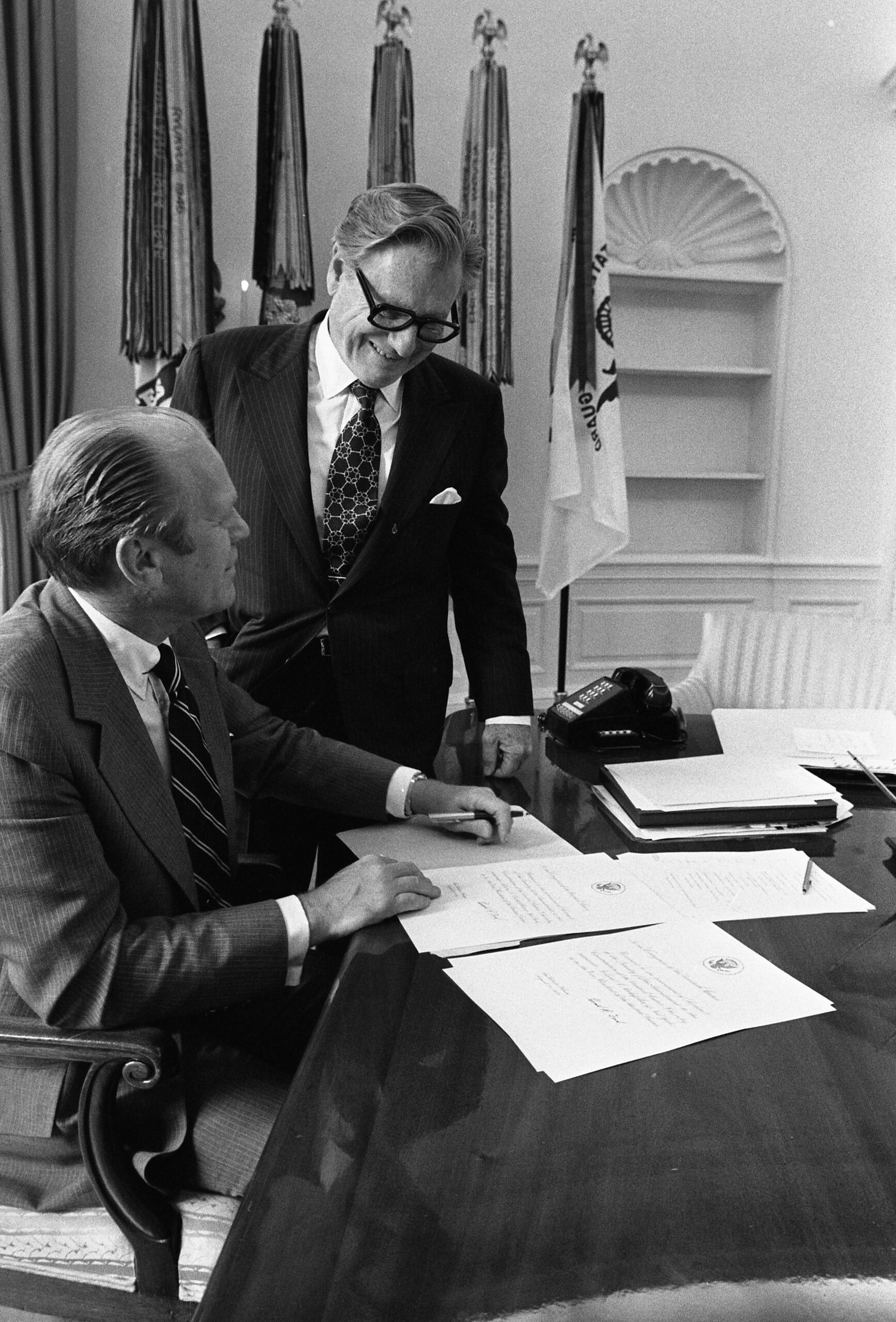
Those two nominations showed why Section 2 mattered. Without it, the vice presidency could have stayed empty during a tense period in American political life. Instead, the amendment made it possible to rebuild the elected executive team inside the constitutional system. It also made Congress part of the process, which helped prevent the choice from being purely private or presidential.
Section 3: Temporary Transfer When the President Knows They Cannot Serve
Section 3 is for a president who can recognize a temporary inability and formally transfer power. The president sends a written declaration to the speaker of the House and the president pro tempore of the Senate. At that point, the vice president becomes acting president. When the president sends another written declaration saying the inability has ended, presidential powers return.
The key word is temporary. The president remains president. The vice president does not take over the office itself, but carries out its powers and duties as acting president until the president resumes them. This is useful for planned medical procedures, especially when anesthesia or recovery could make it unwise for the president to make urgent decisions.
The American Presidency Project lists modern uses of Section 3, including temporary transfers by Presidents Ronald Reagan, George W. Bush, and Joe Biden during medical procedures. In 2021, Vice President Kamala Harris served briefly as acting president while President Biden underwent a colonoscopy, the first time a woman held the powers and duties of the presidency. These episodes were short, but that is exactly the point: the amendment turns even brief uncertainty into a written, constitutional handoff.
Section 4: The Hardest and Most Controversial Part
Section 4 covers the situation where the president cannot or will not declare an inability. It allows the vice president and a majority of the cabinet, or another body Congress may create by law, to send a written declaration to congressional leaders saying the president is unable to discharge the powers and duties of the office. The vice president then immediately becomes acting president.
This section is deliberately difficult to use. If the president later declares that no inability exists, power returns unless the vice president and cabinet disagree within four days. If they do disagree, Congress must decide. Keeping the vice president as acting president requires a two-thirds vote in both the House and the Senate. If that high threshold is not met, the president resumes power.
Section 4 has never been invoked. Its existence, though, answers a problem earlier generations could not solve cleanly. It creates a constitutional procedure for a true crisis of incapacity without making it easy to remove a president over ordinary political disagreement. The vice president cannot act alone, the cabinet cannot act without the vice president, and Congress has the final word if the president contests the decision.
What the Amendment Does Not Do
The 25th Amendment is sometimes described as if it were a shortcut for removing an unpopular president. That is not what it is. Impeachment remains the constitutional process for misconduct. Elections remain the ordinary way voters replace presidents. The 25th Amendment is about vacancy and inability: who holds power when the president is gone, temporarily unable to serve, or seriously contested as able to serve.
It also does not define every possible medical or psychological condition. The Constitution Annotated notes that legal scholars continue to debate the meaning of presidential inability. That silence is partly unavoidable. A rigid list could miss the next real crisis. Instead, the amendment creates decision makers, written declarations, timelines, and voting thresholds so the government has a process when facts are urgent and disputed.
The amendment’s lasting value is practical. It accepts that presidents are human beings, not symbols floating above illness, danger, error, or death. It also accepts that the presidency is too powerful to be left in confusion. By separating succession, vice-presidential vacancies, voluntary temporary transfer, and contested inability, the 25th Amendment gives the country something it badly needs in moments of stress: a clear path before the crisis arrives.





Add comment