 Akshay Dinesh
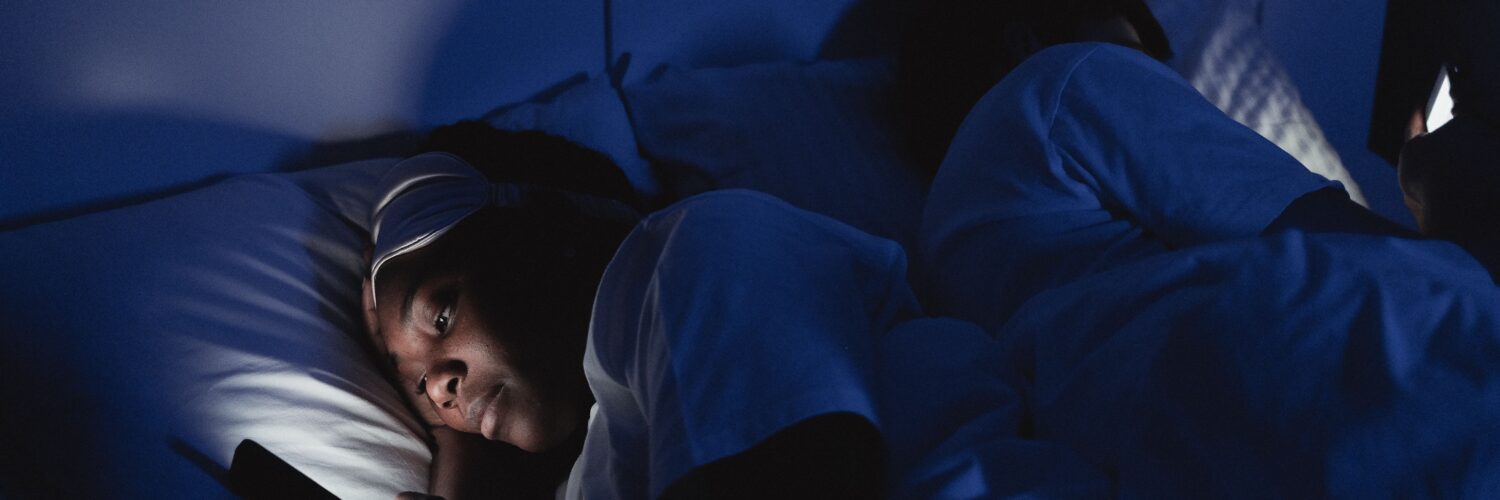
Checking a phone in bed can feel harmless because the screen is small and the room is quiet. The problem is that the body does not judge light by how modern or convenient it is. The eyes send timing signals to the brain, and those signals help decide whether the body should prepare for wakefulness or sleep. A bright screen late at night can give the nervous system a confusing message: the clock says bedtime, but the light says daytime.
Screen light is not the only reason people stay awake. Homework stress, social media, games, notifications, caffeine, irregular schedules, and bedroom habits all matter. Still, light has a special role because it reaches the body clock directly. Understanding that pathway makes screen habits easier to adjust without treating every device as a villain.
Light Is One of the Body Clock’s Strongest Signals
Sleep is guided by a roughly 24-hour rhythm called the circadian rhythm. It is not just a sleep timer. It helps coordinate body temperature, alertness, digestion, hormone release, and the natural rise and fall of tiredness across the day. Morning light usually pushes the rhythm toward daytime alertness, while darkness helps the body prepare for night.
The National Heart, Lung, and Blood Institute explains that the light-dark cycle influences when the brain makes and releases melatonin, a hormone linked with sleep timing. Melatonin normally starts rising in the evening as the environment gets darker. That rise is one reason many people begin to feel sleepier at night even before they climb into bed.
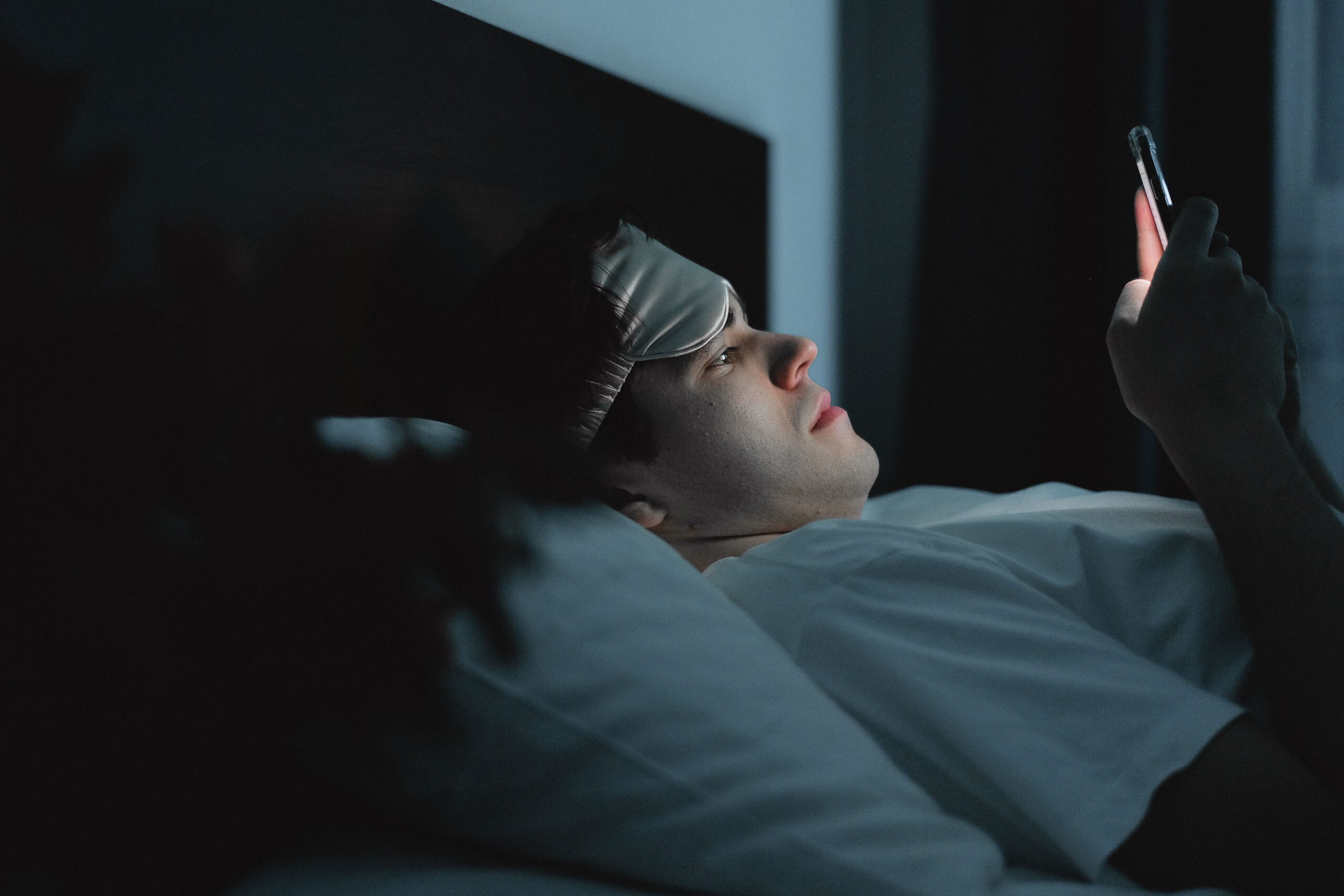
Screens complicate this pattern because they bring a bright source of light close to the eyes at the exact time darkness is supposed to take over. A phone held near the face can be more biologically meaningful than a dim lamp across the room. The body clock is especially responsive to short-wavelength light, often described as blue light, though ordinary white screen light contains a mix of colors.
Blue Light Matters, but Brightness and Timing Matter Too
Blue light has become the headline, but it is only part of the story. The retina contains light-sensitive cells that help send timing information to the brain’s master clock, an area called the suprachiasmatic nucleus. These cells are especially responsive to blue wavelengths. The Centers for Disease Control and Prevention’s NIOSH training materials describe blue light as having the strongest effect on circadian rhythms because it can trigger signals that suppress melatonin and shift timing.
That does not mean blue light is bad all day. Morning and daytime light, including blue-rich daylight, helps keep the body clock aligned. It can support alertness when the body is supposed to be awake. The issue is not the color by itself; it is the color, intensity, distance, and timing together.
A dim screen across the room is not the same as a bright phone inches from the eyes. A quick message at 7 p.m. is not the same as an hour of scrolling at midnight. Night mode can reduce some blue wavelengths, but it does not make a bright, engaging screen biologically invisible. Lower brightness, warmer color settings, and more distance can help, but the strongest change is usually giving the brain a darker, quieter runway before sleep.
Melatonin Helps Explain the Delay
Melatonin is sometimes misunderstood as a simple sleep switch. It is better to think of it as a darkness signal. When melatonin rises in the evening, it helps tell the body that night has arrived. Bright evening light can weaken or delay that signal, which can make sleep feel farther away even when a person is tired.
A widely cited 2015 study in Proceedings of the National Academy of Sciences, led by Anne-Marie Chang and colleagues, compared evening reading on a light-emitting e-reader with reading a printed book. Participants using the light-emitting device took longer to fall asleep, had reduced evening melatonin, showed a later circadian rhythm, and felt less alert the next morning. The study was small and controlled, but it gave a clear biological example of how evening light from a device can move sleep timing in the wrong direction.
Real life is messier than a laboratory. People use different devices, brightness settings, apps, rooms, and schedules. Still, the basic mechanism is useful: if light delays the body’s nighttime signal, the brain may not settle down when the schedule says it should. That delay can build up when late-night screen use happens night after night.
The Content on the Screen Can Keep the Brain Awake
Light is only one pathway. A screen also delivers decisions, emotions, and rewards. A short video promises another short video. A group chat can turn into a social puzzle. A game asks for reactions. Even schoolwork can keep the mind in problem-solving mode. The device is bright, but it is also interesting, and interesting things are not always sleepy.
This is why two people can react differently to the same amount of screen light. Someone reading a calm, familiar page with the brightness low may wind down more easily than someone arguing in messages, watching fast clips, or playing a competitive game. The body clock receives light signals, while the attention system receives novelty and stimulation. Both can delay sleep.
Research reviews on youth screen media have often found links between screen use and later bedtimes or shorter sleep, though the reasons vary. Some of the effect comes from light and melatonin. Some comes from time displacement: minutes spent online replace minutes that would have been spent sleeping. Some comes from arousal, especially when the content is emotional, social, or interactive.
Better Habits Work Because They Match the Biology
The most useful screen rule is not a dramatic ban. It is a timing rule that respects how the body clock works. The American Academy of Pediatrics advises families to avoid screens during the hour before bed and to keep phones and digital media from interfering with bedtime routines. That recommendation is practical because it creates a darker, calmer transition before sleep rather than asking the brain to shut down instantly.
A strong routine does not have to be elaborate. Charging the phone outside the bed, lowering brightness after sunset, turning on warmer display settings, and silencing nonessential notifications all reduce the cues that compete with sleep. Reading a print book, stretching, showering, packing a bag, or writing tomorrow’s reminders on paper can give the mind something to do without a glowing feed.
For students, the goal is not perfection. A late assignment, a family message, or a real need to use a device will happen. The pattern matters more than one night. If the phone is usually the last thing the eyes see before sleep and the first thing the hand reaches for in the morning, sleep is being asked to compete with a very persuasive machine.
A Screen-Free Wind-Down Is a Learning Strategy
Sleep is not a pause button from learning. It is part of how learning becomes usable. During sleep, the brain helps stabilize memories, regulate attention, and prepare for the next day. A tired student may read the same paragraph three times, make careless mistakes, or feel more overwhelmed by ordinary tasks. Protecting sleep is not separate from studying; it supports studying.
That is why the screen-light question matters beyond bedtime. A phone in bed can shift the body clock later, reduce the darkness signal that helps sleep arrive, and keep attention hooked at a time when the brain needs quiet. The fix is not fear of technology. It is smarter timing: bright light and active screens during the day, dimmer evenings, and a bedtime routine that gives the body a clear signal that night has begun.