
 Akshay Dinesh
A parked car can feel uncomfortably hot after only a few minutes in the sun, even when the weather outside does not seem extreme. That quick change is not just a matter of warm air sitting still. It happens because sunlight, glass, dark interior surfaces, and trapped air work together in a small enclosed space. The result is a miniature heat-trapping system that can become dangerous far faster than people expect.
The National Weather Service describes the basic physics clearly: shortwave radiation from the Sun passes through the windows and heats objects inside the vehicle. Dashboards, seats, steering wheels, and child seats absorb that energy, become hot, and then warm the nearby air by conduction and convection. They also give off longwave infrared radiation, which is less able to escape through glass. A car is not exactly the same as Earth’s atmospheric greenhouse effect, but the comparison helps: visible sunlight gets in easily, while some of the heat that follows is slowed on the way out.
Sunlight warms the surfaces first
The air inside a parked car does not heat evenly all at once. The process begins when sunlight strikes solid surfaces. A black dashboard, a dark seat, a steering wheel, a rubber floor mat, or a child safety seat can absorb far more energy than pale fabric or reflective material. Once those surfaces warm up, they become heat sources inside the car.
This is why touching a seat belt buckle or steering wheel on a sunny day can feel much hotter than the air around it. The surface has been collecting solar energy directly. Air is a poor absorber of visible sunlight, but solid materials absorb it well. The energy that was once light becomes thermal energy in the dashboard, seat, and trim.
Surface color and material matter, but they do not make the whole problem disappear. A lighter dashboard may heat more slowly than a dark one, and a windshield shade can reduce direct sunlight on the front cabin. Still, the cabin remains an enclosed space under glass. If enough sunlight enters for enough time, the inside temperature will keep climbing until heat entering and heat leaving reach a rough balance.

Glass changes the heat balance
Car windows are designed to let drivers see clearly, which means they allow much visible sunlight to pass into the cabin. After that light is absorbed by interior surfaces, the warmed surfaces release energy in a different form: infrared radiation. Glass does not handle all wavelengths the same way, so the energy that entered as sunlight is not released just as easily as it came in.
That is only part of the story. A parked car also blocks the ordinary mixing that would carry warm air away. Outdoors, heated air can rise, drift, and be replaced by cooler air. Inside a closed vehicle, the heated air circulates in a much smaller volume. Warm air rises toward the roof and windows, cooler air near lower surfaces warms up, and the whole cabin temperature climbs.
Conduction also plays a role. Hot seats, dashboards, and door panels transfer energy to nearby air molecules through direct contact. Convection then moves that warmed air around the cabin. Because the doors and windows are mostly closed, each cycle keeps much of the heat inside. The car becomes a compact classroom for three ideas students meet in physics: radiation brings energy in, conduction transfers it from surfaces to air, and convection moves warm air through the cabin.
The fastest rise often happens early
One reason parked-car heat is easy to underestimate is that people often think in terms of the outside temperature. If the air is 75 or 80 degrees Fahrenheit, the car may not look dangerous from the sidewalk. Research shows that the inside can still heat rapidly on clear sunny days.
A Stanford Medicine report on work by Catherine McLaren, James Quinn, and Jan Null described measurements from sunny days with outside highs ranging from 72 to 96 degrees Fahrenheit. In that study, vehicle interiors rose by about 40 degrees Fahrenheit within an hour on average, and most of the increase happened in the first half hour. The important point is not only the final number. It is the speed. A cabin can move from ordinary to risky while someone is still thinking, “I will only be gone for a few minutes.”
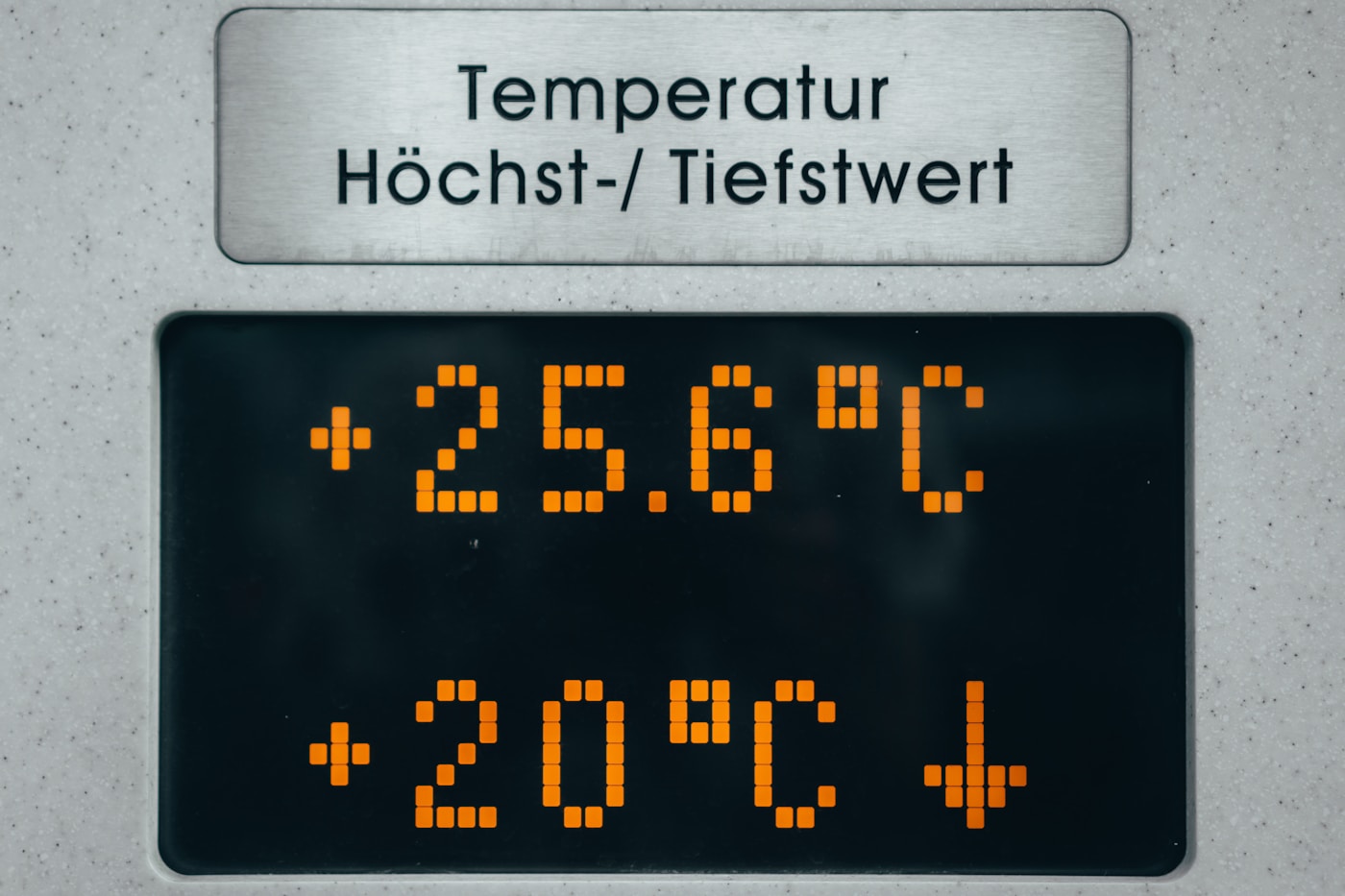
A later Arizona State University and UC San Diego study looked closely at air and surface temperatures inside vehicles parked in sun and shade. For cars in the sun during a simulated shopping trip, the average cabin temperature reached 116 degrees Fahrenheit in one hour. Dashboards averaged 157 degrees, steering wheels 127 degrees, and seats 123 degrees. Those surface temperatures help explain why a car can feel oven-like even before the air thermometer tells the whole story.
Cracked windows and shade help less than people think
Rolling windows down slightly seems as if it should solve the problem by giving hot air a way out. It helps a little with air exchange, but not enough to make a parked vehicle safe for a child, a pet, or anyone who cannot leave on their own. The Stanford study found that cracking windows did not meaningfully slow the heating rate or reduce the final cabin temperature after an hour.
Shade is more useful because it reduces direct solar radiation. A shaded car may heat more slowly than one sitting in full sun, and a windshield shade can keep some surfaces cooler. But shade changes degree, not principle. Heat can still build, especially when the day is warm, the air is humid, or the car remains closed for a long stretch of time.
The National Highway Traffic Safety Administration warns that rolling windows down or parking in the shade does little to change the basic interior-temperature risk. That warning may sound strict, but it reflects the physics. Once sunlight and warm outdoor air keep adding energy, a closed car has limited ways to shed it. The surfaces continue to emit heat, the air stays trapped, and the cabin can remain much hotter than the world just outside the door.
Why children and pets face special danger
The physics becomes urgent because bodies have limits. People cool themselves mainly by moving heat from the body to the environment, including through sweating and evaporation. When the surrounding air and nearby surfaces are very hot, the body has a harder time losing heat. If the person is small, unable to leave, or unable to ask for help, the danger rises quickly.
NHTSA notes that a child’s body temperature can rise three to five times faster than an adult’s. The agency also explains that heatstroke begins when core body temperature reaches about 104 degrees Fahrenheit, and that a core temperature of 107 degrees or higher can be fatal. Those figures are not meant to make every hot car moment feel like a medical chart. They show why the cabin temperature matters so much: the environment can overwhelm the body’s cooling system before an adult realizes how quickly conditions have changed.
Pets face a similar problem. Many animals rely heavily on panting rather than sweating across the whole body. In a hot, enclosed cabin, panting becomes less effective because the air being breathed in is already hot. The same physics that warms the dashboard also warms the space an animal is trying to use for cooling.
A small space makes a big lesson in heat transfer
Parked-car heating is a practical example of how energy moves. Sunlight enters as radiation. Interior materials absorb it and warm up. Those surfaces pass heat to the air by conduction and convection. Glass and the closed cabin slow the escape of that energy. The smaller the air volume, the faster the change can feel.
That lesson also explains why simple habits matter. Checking the back seat before locking the car is not just a safety slogan; it is a response to how quickly the environment can change. Locking parked vehicles can keep children from climbing inside and becoming trapped. Treating a mild sunny day with respect makes sense because the car’s interior temperature is controlled by sunlight and enclosure, not just by the number on an outdoor thermometer.
A parked car in the sun is easy to ignore because it looks still. In reality, energy is moving the whole time. Light is crossing the glass, surfaces are absorbing it, infrared heat is building, and the trapped air is warming. Once that process starts, the cabin can stop feeling like a vehicle and start behaving like a heat chamber. Understanding the physics makes the risk less mysterious, and it makes the safest choice much simpler: no person or animal who cannot leave on their own belongs inside a parked car, even briefly.




Add comment