
 Akshay Dinesh
A ticket price can look simple until thousands of people want the same seat at the same time. The number on the screen is not just a guess, and it is not always a fixed promise that stays the same for everyone. For concerts, sports, theater, flights, hotels, and ride-hailing, sellers often adjust prices as demand changes, seats disappear, dates get closer, or buyers reveal how much they are willing to pay. That is the basic idea behind dynamic pricing, and it explains why two people shopping for the same kind of experience may see very different costs.
Ticket pricing has become especially visible because major live events now sell mostly online, where prices can be changed quickly and compared instantly. The 2026 World Cup brought fresh attention to the issue because FIFA says it uses variable pricing for tickets, with possible price adjustments across sales phases based on demand and availability, while saying the system is not an automatically changing dynamic-pricing model. That distinction matters. Even when prices are not moving minute by minute, the same economic forces are still at work: limited supply, uneven demand, resale incentives, platform fees, and the question of what counts as a fair price.
Why one ticket can have many possible prices
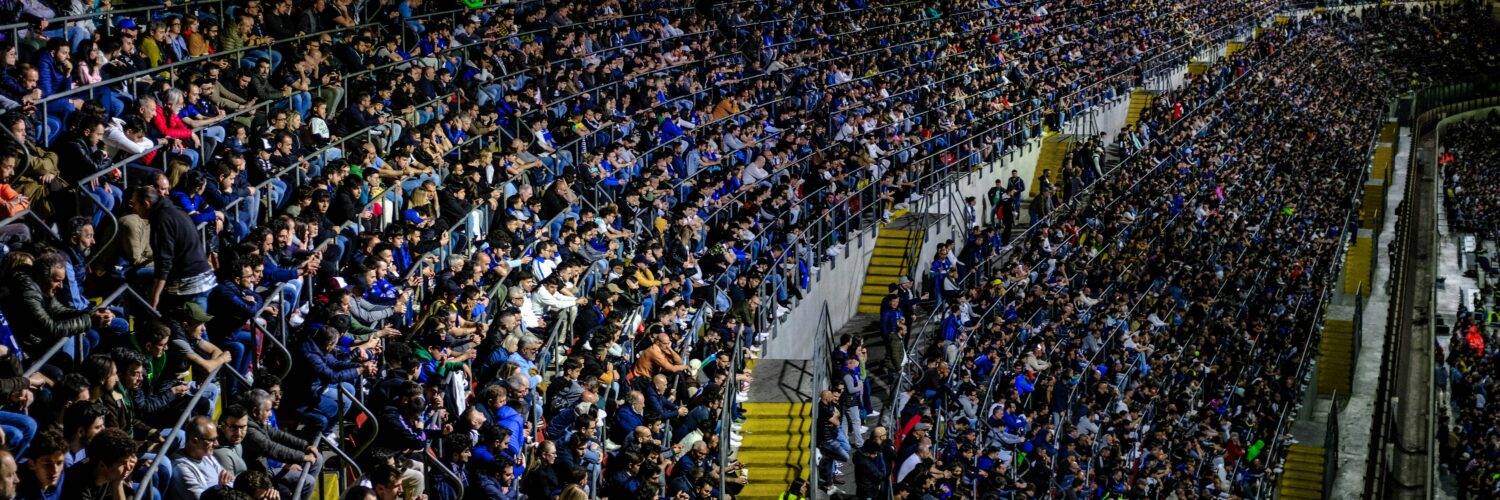
Most live-event tickets are scarce by design. A stadium, arena, or theater has a fixed number of seats, and some seats are more valuable than others because they are closer to the action, easier to reach, or attached to a famous moment. A final, championship match, opening night, farewell tour, rivalry game, or once-in-a-generation performance will attract more demand than a routine event in the same building. When demand rises faster than supply, a seller has three basic choices: keep prices low and let tickets sell out quickly, raise prices closer to what buyers are willing to pay, or let resale markets capture much of the extra money later.
Dynamic pricing tries to respond to that imbalance. Instead of treating the ticket as having one permanent price, the seller treats the price as a signal that can move. If tickets are selling quickly, prices may rise. If demand is weaker than expected, prices may fall, promotions may appear, or lower categories may become more attractive. In economics, this is a way of searching for a market-clearing price: the price at which the available supply and the number of willing buyers come closer together.
That sounds tidy in a graph, but real ticket markets are messier. Fans do not only buy a product; they buy a memory, a team, a favorite artist, a rare visit to their city, or a chance to be present when something important happens. Demand is emotional as well as practical. Sellers know this, and they may divide seats into categories, reserve blocks for sponsors or presales, release seats in phases, or adjust prices after seeing how fast the public responds.

The difference between dynamic pricing and variable pricing
People often use dynamic pricing as a broad label for any price that changes, but there are useful differences inside that label. Fully dynamic pricing usually means prices can update automatically in response to live signals such as demand, supply, time, buyer behavior, or competitor prices. A ride-hailing fare that changes during a rainstorm or a resale listing that reprices every few minutes is close to this model.
Variable pricing is less automatic. A seller may set different prices for different matches, sections, cities, dates, or sales phases, then adjust those prices after reviewing demand and availability. FIFA’s 2026 ticketing explanation uses that kind of language: it says prices may be adjusted through sales phases after review, while stating that prices are not automatically modified. For a buyer, both systems can still feel similar because the result is a price that may not stay where it was earlier.
The distinction matters because it changes what people should watch for. With automatic dynamic pricing, speed can matter. The price may respond rapidly while buyers are still deciding. With variable pricing, timing and release phases matter more. A buyer may need to understand when new tickets become available, whether a later release will include cheaper seats, and whether waiting creates more choice or more risk.
Both systems also raise the same fairness question: should a popular ticket cost what the market can bear, or should the organizer keep some prices below that level so more ordinary fans can attend? There is no easy answer. Lower prices can improve access, but they can also invite bots, brokers, and quick resellers. Higher prices can reduce resale profits, but they can also shut out people who made the event popular in the first place.
Why resale markets change the calculation
The Congressional Research Service describes two connected ticket markets. In the primary market, tickets are first sold by or for the event organizer. In the secondary market, tickets are resold by people who already obtained them, including ordinary fans whose plans changed and brokers who buy with resale profit in mind. The secondary market is where underpriced tickets often reveal their hidden market value.
Suppose a concert ticket is sold for $100 even though many fans would pay $300. The low price feels fair to the lucky buyer, but the difference between $100 and $300 creates a strong resale incentive. A broker who can buy many tickets may resell them at a large markup. In that case, the original seller kept the public price low, but the final buyer may still pay a high price. The extra money simply moves to the reseller instead of the artist, team, venue, or organizer.
Dynamic pricing tries to pull some of that resale value back into the primary sale. If the seller raises the original price closer to what buyers are already willing to pay, the resale markup may shrink. Supporters of the approach argue that this can reduce scalping incentives and send more revenue to the event itself. Critics answer that it can make official prices feel just as punishing as resale prices, especially when the event has deep cultural meaning or a loyal fan base.
Bots make the problem worse. The Better Online Ticket Sales Act of 2016, often called the BOTS Act, targets efforts to bypass online ticket limits and security systems. The law exists because ticket access is not only about price; it is also about who gets through the digital gate first. If software can grab large numbers of tickets before real fans have a fair chance, even a carefully chosen price can fail to produce a fair sale.
Fees can matter as much as the posted price
Many buyers focus on the listed ticket price, but the final cost often includes service fees, order-processing fees, facility fees, delivery charges, or other mandatory costs. These add-ons can make comparison shopping difficult if one site shows a lower price early and adds required fees later. A ticket that appears cheaper at first may not be cheaper when the buyer reaches checkout.
The Federal Trade Commission’s Rule on Unfair or Deceptive Fees took effect on May 12, 2025, for live-event tickets and short-term lodging. The rule requires businesses to show the total price, including most mandatory fees, more clearly and prominently when offering or advertising covered prices. It does not ban dynamic pricing, and it does not tell sellers what prices they may charge. Its purpose is transparency: buyers should be able to compare real totals instead of being pulled toward a low number that later grows.
This matters because a price change and a fee surprise feel different. A buyer may accept that a front-row seat costs more than an upper-level seat. A buyer may also understand that a semifinal costs more than an early group match. But if the advertised price grows after unavoidable charges appear, the buyer has spent time and attention on a price that was never the real total. That is why all-in pricing can be just as important as the price level itself.
For students learning economics, fees show why the word price needs careful reading. The base price is only part of the transaction. The total price is what leaves the buyer’s account. In real markets, the difference between those two numbers can shape trust, competition, and the buyer’s willingness to keep shopping.
What dynamic pricing teaches about markets
Dynamic pricing can feel personal, but the core idea is old. Prices have always changed with scarcity, timing, and demand. A hotel room near a major event costs more than the same room on a quiet weekday. Plane tickets often rise as a flight fills. Fresh fruit may become cheaper when supply is abundant and more expensive when weather damages a crop. Digital ticketing makes the changes faster and more visible, but it did not invent the forces behind them.
The deeper lesson is that prices do more than collect money. They ration scarce goods, send signals about demand, and influence behavior. A high ticket price may discourage some buyers, attract resellers, fund a bigger event, or produce public backlash. A low ticket price may help more fans attend, create a sellout atmosphere, encourage loyalty, or leave a large resale profit for someone else. Every pricing decision creates winners, losers, and tradeoffs.
There is also a difference between efficiency and fairness. Economists often study whether prices move goods toward the people willing to pay the most. Communities often ask a different question: who should have a reasonable chance to attend? A market-clearing price may be efficient, but it may not feel fair when an event is tied to local identity, family tradition, national pride, or a lifelong dream. That tension is why ticket pricing attracts stronger reactions than the price of many ordinary products.
The best buyer response is not panic; it is clarity. Look for the total price, not just the first price. Compare official and resale options carefully. Notice whether the seller is describing fixed categories, variable pricing, or live dynamic changes. Understand that waiting can sometimes lower prices, but it can also reduce availability. Most of all, remember that a changing price is a market signal, not a command. The final decision still belongs to the buyer: whether the seat, the moment, and the cost make sense together.



Add comment