
 Akshay Dinesh
Juneteenth is often described as the day enslaved people in Texas learned they were free. That is true, but it is only the beginning of the story. The deeper meaning of Juneteenth is that freedom in the United States did not arrive everywhere at once, and it did not become real simply because a document said it should. It had to be announced, enforced, defended, remembered, and built into daily life by people who had been denied power for generations.
That is why June 19, 1865, still matters. On that day in Galveston, Texas, Union Major General Gordon Granger issued General Order No. 3, telling the people of Texas that enslaved people were free. The order came more than two years after the Emancipation Proclamation took effect and more than two months after Confederate General Robert E. Lee surrendered at Appomattox. Juneteenth sits in that gap between law and lived reality, which makes it one of the clearest ways to understand emancipation after the Civil War.
Freedom Was a Process, Not One Announcement
The Emancipation Proclamation is a central document in American history, but it did not instantly end slavery everywhere. President Abraham Lincoln issued it during the Civil War, and it took effect on January 1, 1863. It declared freedom for enslaved people in areas still in rebellion against the United States, making emancipation a Union war aim and allowing Black men to enlist in the Union Army. Its power was enormous, but its reach depended on military control.
That distinction matters. In places where Union troops had already advanced, emancipation could be enforced earlier. In areas still controlled by Confederates, enslavers could continue resisting it. Texas was especially distant from many of the main battlefields, and it became a place where slavery persisted longer than it did in much of the South. Some enslavers even moved people into Texas during the war, hoping distance would protect the system from Union armies.
By June 1865, the Confederacy had collapsed as a military project, but that did not mean formerly enslaved people automatically received protection, wages, land, safety, or political rights. General Order No. 3 announced that “all slaves are free,” but the rest of the order also revealed how contested freedom would be. It spoke of equality of personal rights and property rights, then advised freed people to stay at their current homes and work for wages. Even in the same document, freedom appeared as both a promise and a set of limits imposed by people still trying to manage the transition.
Why Galveston Became the Symbol
Galveston became central to Juneteenth because it was where Granger’s order made emancipation public in Texas. The National Archives preserves the official record of General Order No. 3, and the National Museum of African American History and Culture describes June 19, 1865, as the moment Union troops brought the news of freedom to Galveston Bay and across Texas. The event did not mean every enslaved person in the state heard the news that same hour or experienced immediate safety. It meant the federal government was finally present in force to announce and begin enforcing emancipation there.
The delay has sometimes been explained too simply, as though enslaved Texans had no idea freedom had been declared until Granger arrived. The reality was more complicated. News traveled unevenly through newspapers, rumor, military movement, plantation networks, and conversations among enslaved people themselves. Many people understood that the war was changing the legal status of slavery long before enslavers admitted it or authorities enforced it. What had been missing in Texas was not only information, but power.
That is the difference between hearing that freedom exists and being able to claim it. A person can know a law has changed while still facing armed resistance, economic pressure, violence, or intimidation. Juneteenth is powerful because it exposes that difference. It reminds readers that rights on paper become meaningful only when people can exercise them in ordinary life.

The First Celebrations Protected Memory
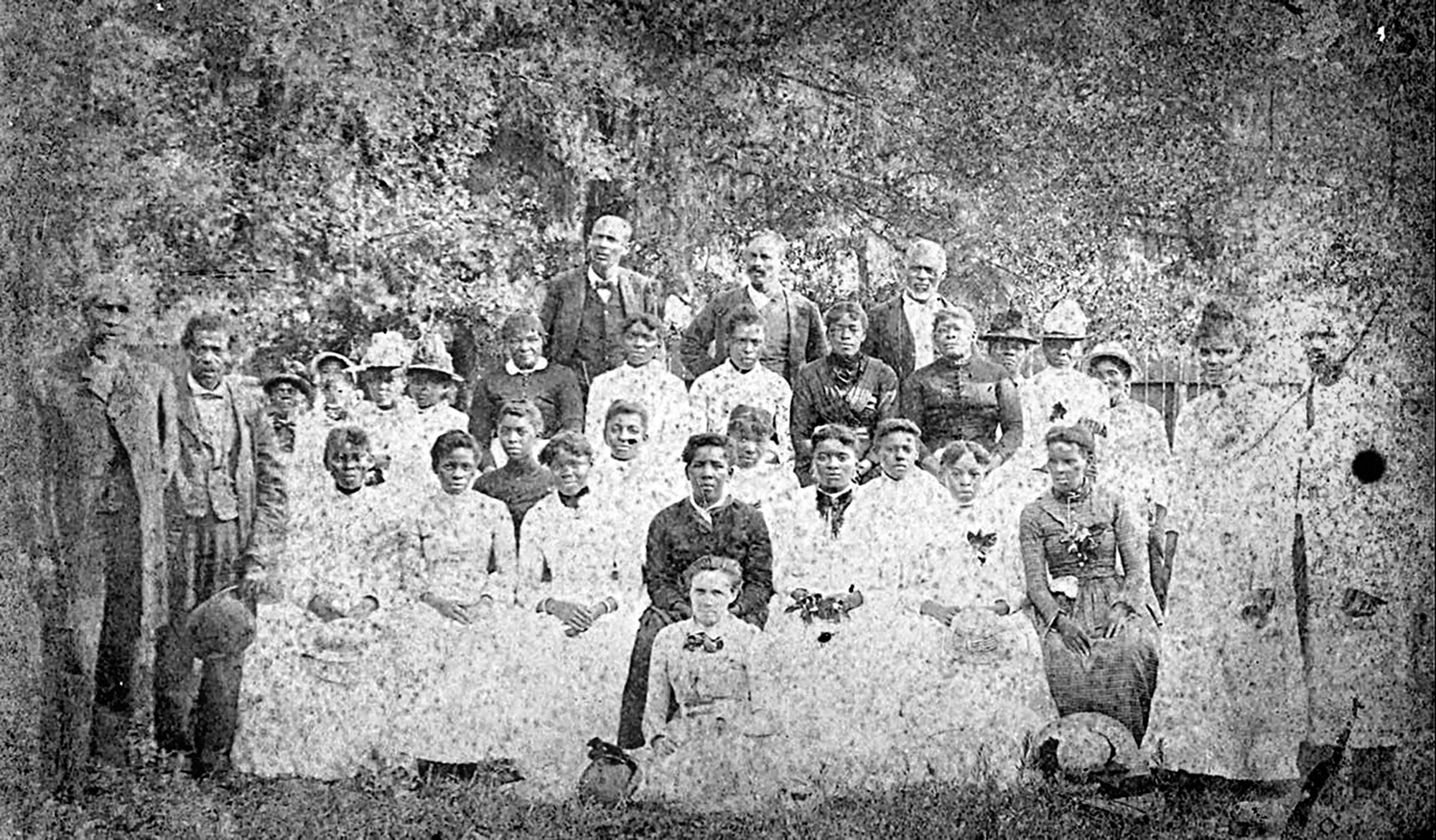
The first Juneteenth celebrations began soon after the war, with Black Texans gathering for prayer, music, food, speeches, and public readings of emancipation documents. These events were joyful, but they were not shallow. They helped communities mark survival, honor family, teach history, and insist that freedom was worth remembering in public. Celebration became a form of historical record.
That mattered because Reconstruction was uncertain from the beginning. Formerly enslaved people built churches, schools, mutual aid groups, newspapers, businesses, and political organizations. Black men voted and held office in parts of the South. Families searched for loved ones separated by sale. People legalized marriages that slavery had refused to recognize. These acts were practical, emotional, and political all at once.
At the same time, white resistance grew. Violence, discriminatory labor arrangements, Black Codes, and later Jim Crow laws tried to narrow the meaning of freedom. In that context, Juneteenth gatherings were not just annual parties. They were community classrooms and acts of memory. When people gathered to remember June 19, they were also saying that emancipation belonged to them, not only to presidents, generals, courts, or textbooks.
What Juneteenth Teaches About Reconstruction
Juneteenth is sometimes taught as the final page of slavery, but it also opens the first page of Reconstruction. That shift changes the way the holiday is understood. The end of legal slavery answered one question: could human beings be owned as property under American law? Reconstruction raised another: what would freedom actually include?
For formerly enslaved people, freedom meant far more than release from forced labor. It meant control over family life, the right to move, the right to learn, the right to worship freely, the right to earn wages, the right to own property, the right to testify in court, and eventually the right to vote and hold office. These goals were not abstract. They shaped decisions about where to live, what work to accept, how to educate children, and how to protect communities from violence.
The United States answered those questions unevenly. The Thirteenth Amendment abolished slavery, except as punishment for crime. The Fourteenth Amendment promised citizenship and equal protection. The Fifteenth Amendment barred denying the vote on the basis of race, color, or previous condition of servitude. Each amendment expanded the legal meaning of freedom, but each also faced resistance and evasion. Juneteenth helps students see why constitutional change and social change are connected but not identical.
Why the Holiday Still Carries Weight
Juneteenth became a federal holiday in 2021, when the Juneteenth National Independence Day Act was signed into law. That national recognition brought wider attention to a tradition Black communities had sustained for more than 150 years. It also raised an important question: what should a country do with a holiday that is both celebratory and painful?
The answer is not to flatten it into a simple story. Juneteenth can hold more than one feeling at once. It honors the joy of emancipation and the courage of people who claimed freedom under dangerous conditions. It also asks readers to remember that slavery did not end because enslavers gave it up willingly, and freedom did not become secure without struggle. The holiday is strongest when both truths stay visible.
For learners, Juneteenth offers a clearer way to think about American history. It shows that major events are often processes, not single dates. It shows that laws need enforcement, and enforcement needs people willing to act. It shows that memory can survive through family gatherings, local traditions, songs, parks, parades, and public history long before national institutions fully recognize it.
Freedom Remembered as a Responsibility
The most important lesson of Juneteenth may be that freedom is not passive. It is not only something granted from above. It is something people pursue, defend, define, and pass on. Enslaved and formerly enslaved people were not simply waiting for history to happen to them. They listened for news, fled toward Union lines, joined the army, reunited families, built institutions, negotiated labor, demanded schools, and insisted on dignity in a society that had denied it.
That is why Juneteenth remains more than a commemoration of delayed news in Texas. It is a reminder that the meaning of freedom depends on what happens after the announcement. A proclamation can begin a transformation, but people have to make that transformation visible in homes, courts, schools, workplaces, and public life. Juneteenth asks readers to hold both the promise and the unfinished work in view.
Remembering June 19, 1865, does not reduce American history to one place or one day. It does the opposite. It opens a wider story about law, war, citizenship, memory, and the long struggle to make freedom real. That is why the holiday still speaks with such force: it marks a moment when freedom was declared, and it invites every generation to ask what freedom requires next.





Add comment