 Akshay Dinesh
Before many people make appointments, take home tests, or show up in official case counts, a community can leave clues in an unlikely place: its wastewater. Sewage carries water from sinks, showers, toilets, schools, businesses, and homes into a shared system, which means it can also carry tiny biological traces from people who are infected. Those traces do not identify who is sick. They show something broader and often more useful for planning: whether a disease signal is rising, falling, or staying steady across a community.
That is why wastewater testing has become a major public health tool. The Centers for Disease Control and Prevention built the National Wastewater Surveillance System during the COVID-19 pandemic, then expanded wastewater monitoring into a wider way to follow respiratory viruses and other infectious disease threats. In July 2026, CDC wastewater pages were still tracking signals for SARS-CoV-2, influenza A, and RSV, with updates released weekly after data review. The idea is simple enough to explain in a classroom, but powerful enough to help health departments decide where attention, testing, and prevention messages may be needed most.
Why wastewater can show infection before case counts do
Traditional disease tracking depends heavily on people interacting with the health system. Someone has to feel sick, decide to seek care or testing, receive a result, and have that result reported through the right channels. Each step can create a delay. Some infections also spread through people who have mild symptoms or no symptoms at all, so clinical records can miss part of what is happening.
Wastewater moves on a different timeline. Many viruses, bacteria, and other biological markers can be shed from the body before, during, or after symptoms. If enough people in a sewer area are shedding the same signal, laboratory tests may detect a rise even when reported cases still look low. CDC explains that wastewater monitoring can detect respiratory viruses before some sick people go to a doctor or hospital, and it can also capture infections that never lead to a clinical test.
That early view matters because public health decisions often depend on direction, not just totals. A single wastewater reading does not say exactly how many people are sick. A steady climb across several samples, though, can warn that transmission is increasing. A falling pattern can suggest that a wave is easing. In that sense, wastewater is less like a diagnosis for one person and more like a community smoke alarm: it cannot describe every detail of the fire, but it can tell people to look more closely.
How a sample becomes public health data
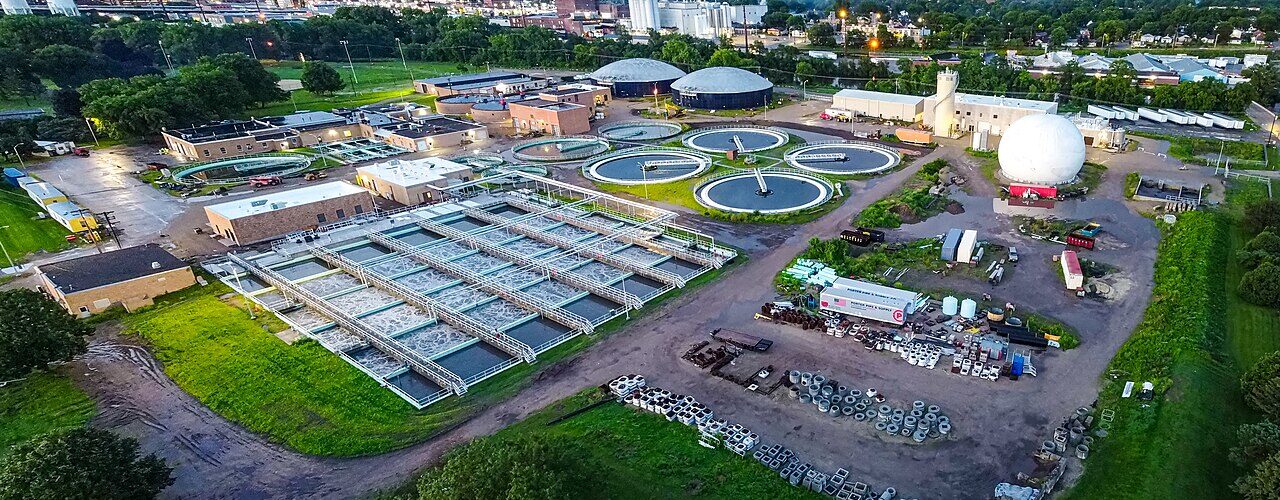
The process begins at a wastewater treatment plant, sewer line, or other sampling point. Technicians collect untreated wastewater because that is where the community mixture is still present. The sample has to be handled carefully, because wastewater is complex. It contains ordinary household material, industrial inputs, rainwater in some systems, chemicals, organic matter, and biological fragments from many people.
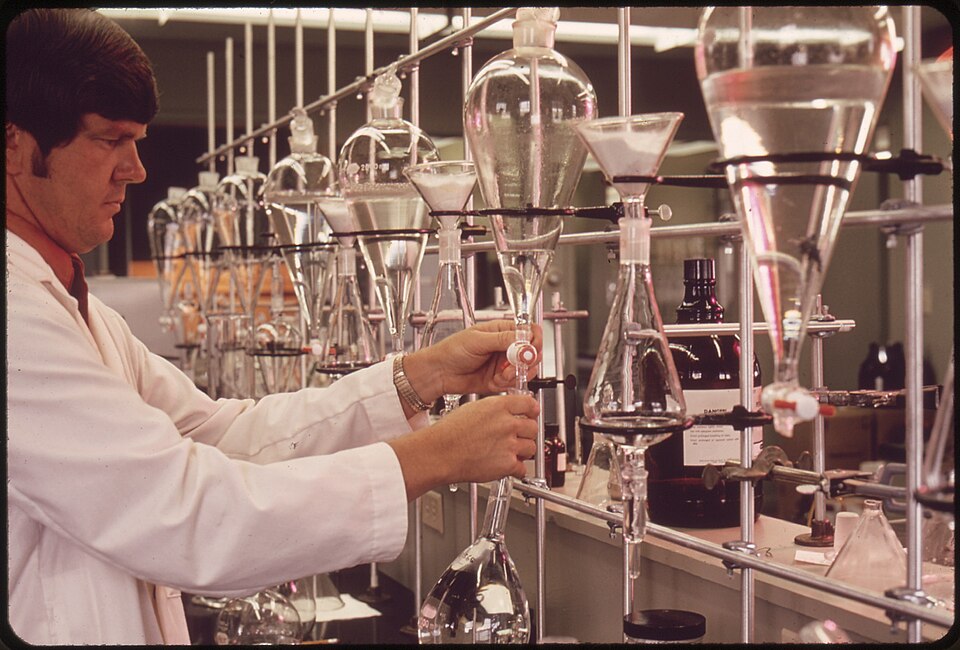
In the laboratory, scientists concentrate and test the sample. For viruses such as SARS-CoV-2, influenza A, and RSV, the target is usually genetic material, such as RNA. Laboratory methods can measure whether that signal is present and estimate how much of it appears in the sample. The result is not a neat head count. It is a measurement that needs to be compared with earlier samples, local conditions, and other health data.
CDC communication materials describe a practical timeline: sample testing and reporting can make information available within about five to seven days after wastewater enters the sewer. That is not instant, but it can still be faster than waiting for clinic visits, test reporting, hospital data, and formal outbreak investigations. The value grows when the same locations are sampled repeatedly, because trends become clearer than any one measurement.
Scientists also adjust and interpret the data. A heavy rainstorm can dilute sewage in some systems. A sampling site that serves a downtown business district may behave differently from one that serves a residential neighborhood. Holidays, tourism, campus schedules, and commuting patterns can change who is contributing to the wastewater. Good interpretation treats wastewater as evidence, not as a magic answer.
What the numbers can and cannot tell people
Wastewater data is strongest at showing movement. If viral activity is rising in several nearby locations, public health officials may look for matching signals in emergency department visits, lab tests, school absences, pharmacy data, or hospital admissions. If wastewater rises before medical visits rise, local officials may have a chance to remind people about prevention, prepare clinics, or offer testing and vaccination where appropriate.
The numbers are weaker at answering individual questions. Wastewater cannot tell a family whether one specific person is infected. It usually cannot identify a single household. It also cannot prove that every person in the sampled area has the same risk, because communities are not evenly mixed. A signal from a university sewer system, a nursing home, or a large municipal area may each mean something different.
CDC uses wastewater viral activity levels to help translate measurements into broad categories such as very low, low, moderate, high, and very high. Those categories are designed to make trends easier to read, but they still depend on context. A moderate level after weeks of very low readings may deserve attention. A high level that is dropping may mean the community is coming down from a recent peak. The direction of change often matters as much as the label.
Privacy is one reason wastewater surveillance is useful, but also a reason it needs careful rules. Because the data is pooled, it does not work like a medical record. It points to community-level patterns rather than personal behavior. The National Academies has emphasized that a strong wastewater surveillance system should be flexible, equitable, sustainable, and attentive to privacy and ethics, especially when sampling moves from large treatment plants to smaller, more specific locations.
Why wastewater surveillance grew after COVID-19
Wastewater testing did not begin with COVID-19. Researchers had used sewage to study polio, drug use patterns, antimicrobial resistance, and environmental contamination before 2020. What changed during the pandemic was scale. Communities needed a way to see whether SARS-CoV-2 was spreading even when testing behavior changed, home tests went unreported, or people stopped testing altogether.
The National Wastewater Surveillance System turned many local efforts into a more organized national network. That shift made it easier to compare regions, build shared methods, and use wastewater as a complement to other public health data. CDC now presents national and state-level wastewater information for respiratory viruses, including COVID-19, influenza A, and RSV. The same basic approach can also be adapted when health officials need to watch for emerging viruses or other targets that can be measured in sewage.
The appeal is not only speed. Wastewater can keep working when clinical testing becomes uneven. During a respiratory season, some people test at clinics, some test at home, some never test, and some cannot easily access care. A sewer signal is imperfect, but it is less dependent on each person’s decision to seek a test. That makes it especially useful as one layer in a broader monitoring system.
There is a practical lesson here for students reading charts and public health updates: no single data stream tells the whole story. Case counts, hospital admissions, emergency visits, lab test positivity, school reports, and wastewater each have strengths and blind spots. Public health becomes more reliable when those pieces are compared instead of treated as rivals.
How communities can use the signal wisely
The best use of wastewater data is measured and local. A rising signal might prompt a health department to increase communication about handwashing, staying home when sick, testing options, indoor air quality, or vaccination clinics. A hospital system might use the trend to anticipate staffing needs. A school, college, or long-term care facility might pay closer attention to respiratory symptoms if nearby wastewater readings climb.
For ordinary readers, wastewater data is most useful as background awareness. It can explain why health agencies say a virus is increasing even if few people nearby are talking about it yet. It can also help people understand why recommendations may change before hospitals are visibly strained. A person with higher health risk, or someone living with an infant, an older adult, or an immunocompromised family member, may reasonably pay closer attention when local viral activity rises.
At the same time, wastewater should not make people panic. A detection is not the same as an emergency. A high reading does not mean everyone will become sick. The goal is to notice patterns early enough to respond calmly. That is the quiet strength of the method: it turns something communities usually ignore into an early warning system that can support better decisions.
Public health often works best before it becomes dramatic. Clean water systems, vaccination records, food safety checks, mosquito tracking, and wastewater monitoring are all part of the same larger idea. They help people see risks before those risks become obvious in hospital rooms or headlines. Wastewater testing may sound unglamorous, but it gives communities a shared signal from daily life. Read carefully, that signal can buy time, guide resources, and make disease trends easier to understand before they arrive at the front door.