 Akshay Dinesh
The Tour de France can look simple from a distance: riders race across a stage, someone reaches the finish first, and a jersey is awarded. The deeper contest is more interesting. The race is really a three-week math problem in motion, where every stage adds time to a rider’s total and every second can change how teams behave the next day.
That is why the rider who wins today’s stage is not always the rider who matters most in the overall standings. A sprinter may celebrate a flat-stage victory while the yellow jersey stays with someone who finished safely in the main group. A climber may attack on a mountain road not because the stage win is guaranteed, but because a 20-second gap could reshape the whole race. Once the race is viewed through cumulative time, the tactics begin to make sense.
The Race Is Decided by Total Time, Not Daily Wins
The main Tour de France standings are called the general classification. The idea is straightforward: add up each rider’s time from every stage, apply any official bonuses or penalties, and rank riders from lowest total time to highest. The rider with the lowest total time wears the yellow jersey after that stage. The rider with the lowest total after the final stage wins the Tour.
This makes the Tour different from many sports where a win-loss record or points table tells the story. In a stage race, finishing second by one second and finishing second by two minutes are not remotely the same result. The official 2026 race began in Barcelona with 184 riders across 23 teams, but the yellow jersey contest immediately turned into a question of time gaps: who lost seconds, who stayed even, and who gained enough time to force rivals to respond?
A simple example shows the logic. Suppose Rider A finishes Stage 1 in 4 hours, 10 minutes, and 0 seconds. Rider B finishes 18 seconds later. If both riders finish Stage 2 in the same group with the same recorded time, Rider A still leads Rider B by 18 seconds overall. If Rider B gains 25 seconds on Stage 3, Rider B moves ahead by 7 seconds. The standings are not reset each morning; they carry yesterday’s difference into today’s race.
That rolling total changes what counts as success. A rider hoping to win the whole Tour may not need to win many stages. The more important goal is often to avoid losing time on dangerous days and gain time on stages that suit their strengths. A sprinter can chase stage wins. A general classification contender has to protect the clock.
Why Seconds Are Bigger Than They Look
In everyday life, a few seconds rarely feel dramatic. In the Tour de France, a few seconds can decide whether a rider attacks, whether a team rides at the front, and whether rivals panic or wait. After several days, top riders may be separated by less time than it takes to tie a shoe. That is why cycling fans watch gaps on the screen so closely: 8 seconds, 15 seconds, or 32 seconds can all mean different tactical worlds.
The key is that time gaps compound across stages. If a rider loses 12 seconds on a short climb, then 37 seconds in crosswinds, then 51 seconds in a mountain finish, the total loss is already 1 minute and 40 seconds. That may not sound huge over thousands of kilometers, but it is enough to force the rider’s team to race more aggressively later. They now need a place to win that time back.
Tour rules can also subtract time through finish-line bonuses. The official 2026 route lists time bonuses of 10, 6, and 4 seconds for the first three riders at the finish of each stage. Those bonuses are small on paper, but they can matter when the standings are tight. A rider who wins a stage can gain the actual road gap plus 10 extra seconds. If the stage finishes with a small group, that bonus may be the only difference between riders who otherwise crossed the line together.
Bonuses also change incentives. Without them, a contender might sit safely in a group and save energy. With them, the same rider may sprint for third place because four seconds could matter later. The math does not replace courage or strength, but it gives riders a reason to spend effort at very specific moments.
Time Trials Make the Math More Direct
Most Tour stages are mass-start races. Riders begin together, draft behind one another, and often finish in groups. If many riders finish safely in the same group, they usually receive the same stage time even if they cross the line a few bike lengths apart. That is one reason flat days can be calm for overall contenders until crashes, wind, or late splits appear.
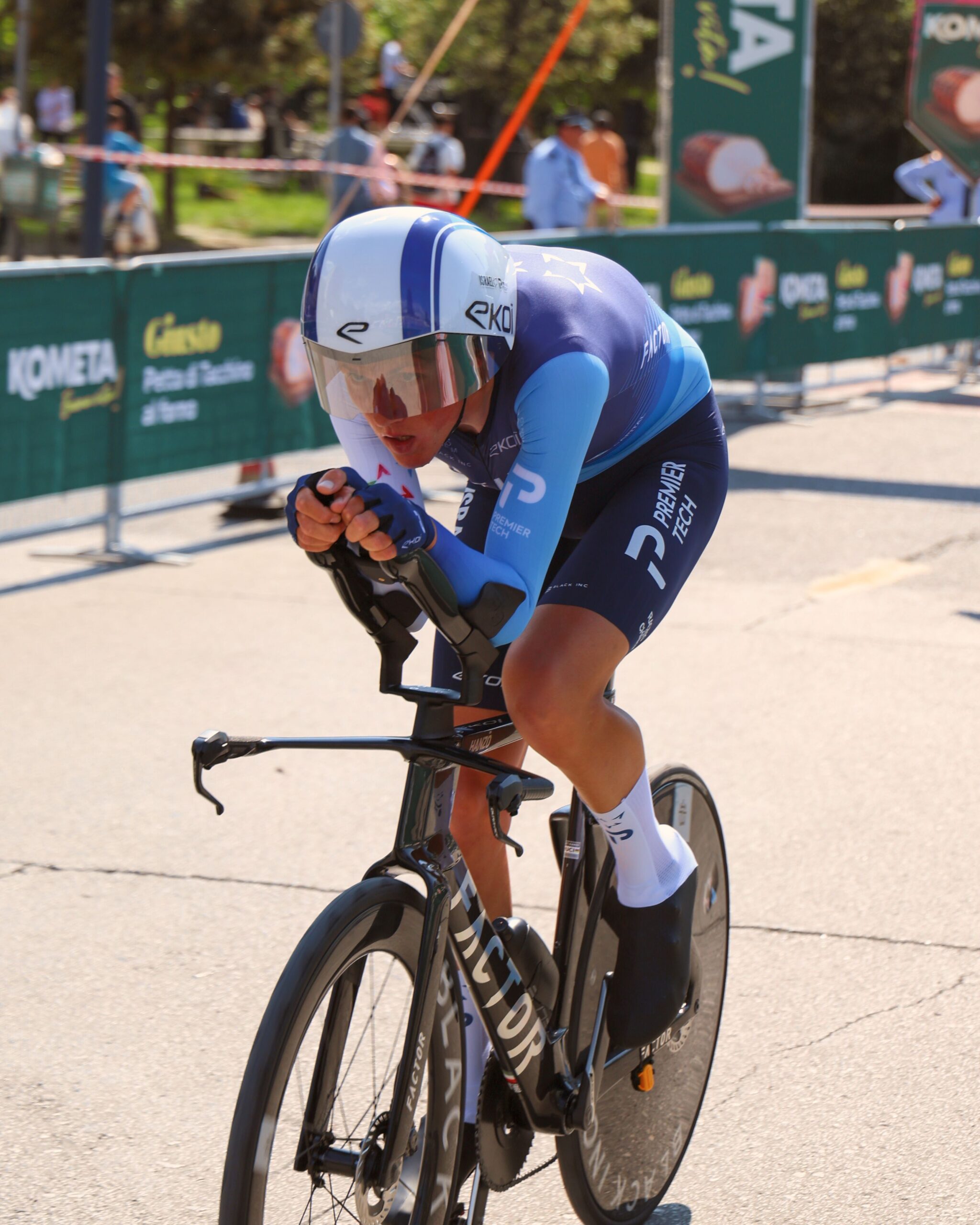
Time trials feel different because the clock is more exposed. In an individual time trial, each rider races alone against the course. Drafting, team shelter, and group timing matter much less. A rider who is excellent at steady pacing and aerodynamics can gain large chunks of time without needing to drop rivals on a climb.
Team time trials add another layer. A group from the same team rides together, sharing the work at high speed. Strong teams can protect their leaders, but the format also rewards coordination. If a team goes too hard, weaker riders may be dropped. If it goes too cautiously, the leader may lose time to better-organized rivals. The 2026 Tour opening in Barcelona used a team time-trial format, which made the race’s time math visible from the start rather than waiting for the mountains.
Time trials are useful educational examples because the standings change in a clean way. If Rider C begins the day 22 seconds behind Rider D and then rides the time trial 35 seconds faster, Rider C now leads by 13 seconds, before considering any other adjustments. There is no need to interpret a sprint finish or a breakaway. The clock does the explaining.
Mountains Turn Time Gaps Into Tactical Choices
Mountain stages are where small differences in strength can become large differences in time. On flat roads, a rider can save energy by drafting in the group. On steep climbs, drafting helps less because gravity dominates. If a rider cannot match the pace, the gap opens quickly and becomes hard to close.
This is why teams often protect their leader until the hardest part of a climb. Teammates ride in front, set tempo, fetch bottles, and cover attacks so the leader spends as little unnecessary energy as possible. When the road gets steep enough, the leader may attack, follow a rival, or simply try not to crack. Each choice is tied to the standings. A rider who is already leading may ride defensively. A rider who trails by two minutes may need to take risks.
Mountain math is also psychological. A 10-second gap can still feel manageable. A 45-second gap may force an organized chase. A gap above two minutes can change the entire race plan, especially if only a few stages remain. The riders are not calculating like machines, but the numbers shape what feels urgent.
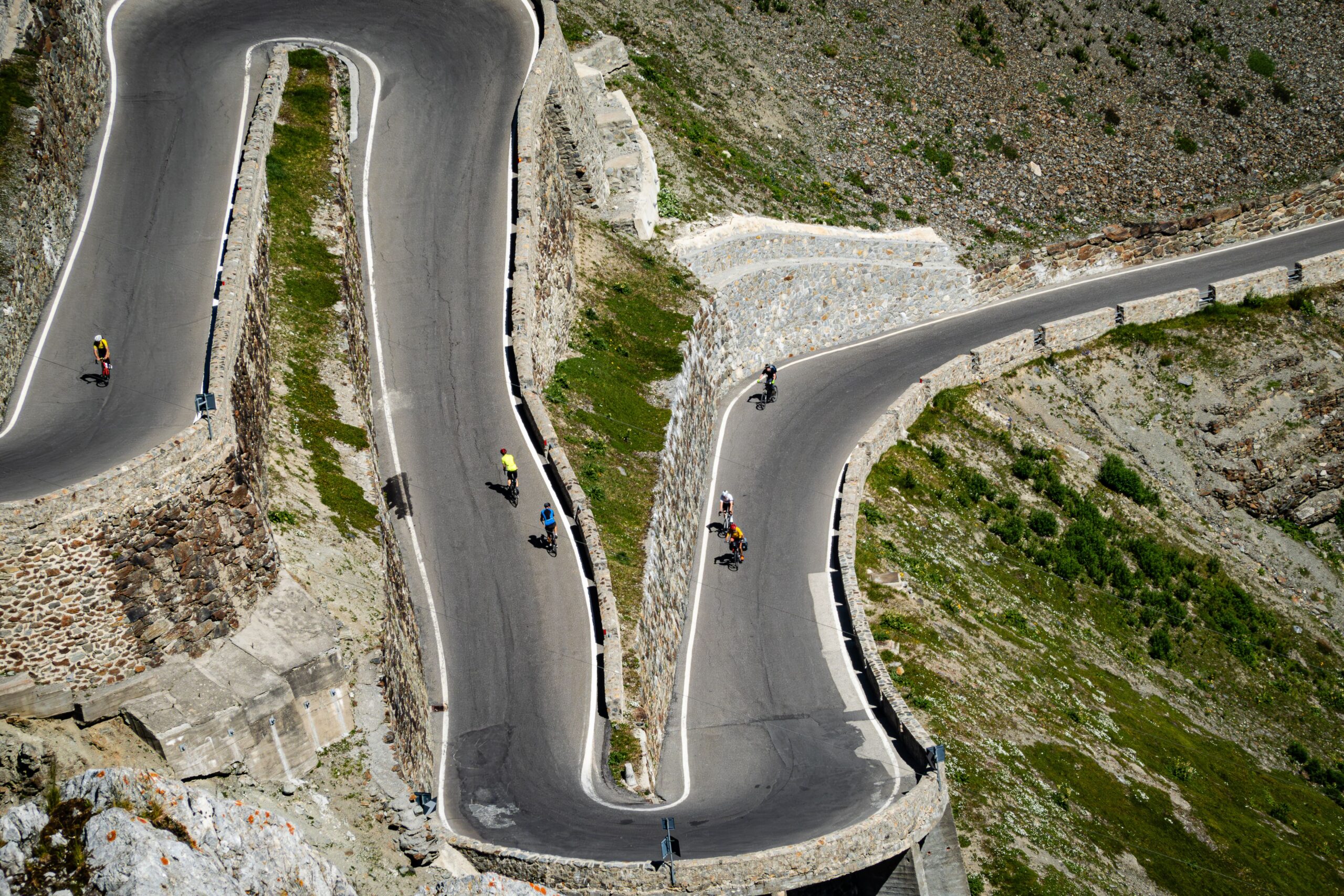
Descending and weather can complicate the equation. A rider who loses contact uphill might regain time on a descent, but only by accepting more risk. Crosswinds can split the race on flat roads, turning an ordinary stage into a standings crisis. Crashes, punctures, and mechanical problems can add chaos to a system that otherwise looks clean on a spreadsheet.
The Peloton Is a Moving Shelter
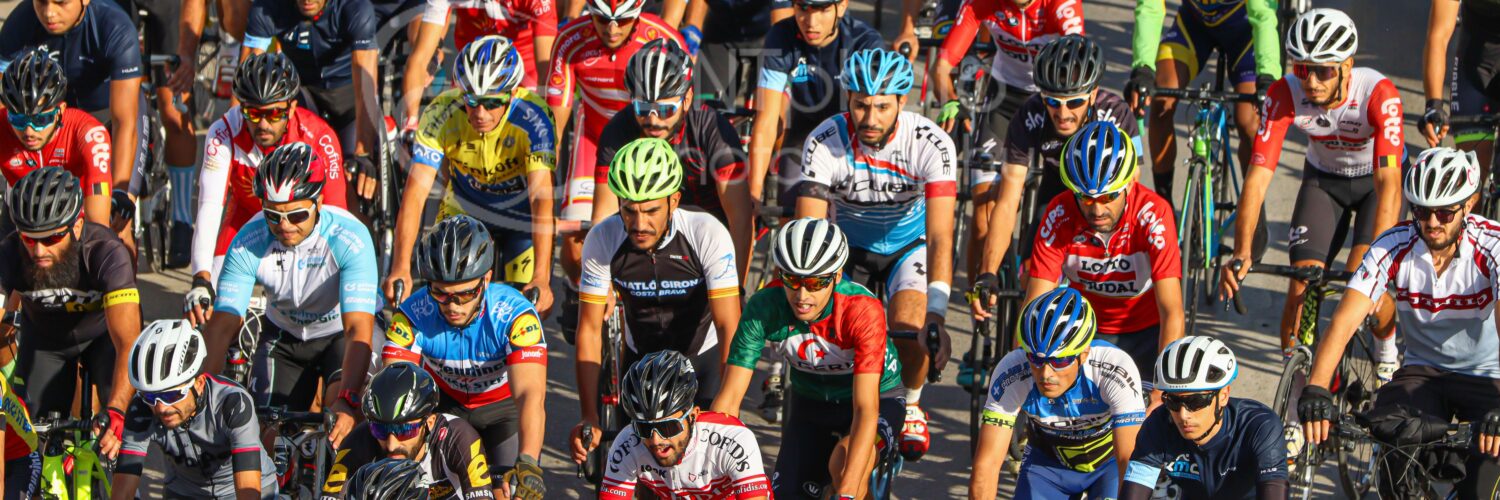
To understand why Tour tactics can seem slow before they become explosive, it helps to understand the peloton. The peloton is the main group of riders, and it acts like a moving shelter from the wind. A rider tucked inside it uses less energy than a rider alone at the front. That saved energy can matter hours later.
For general classification contenders, staying in the peloton is often a form of time protection. If the stage is flat and the main group finishes together, the leader can keep the same overall advantage without fighting for the stage win. Their team may only need to keep them near the front, away from crashes and splits, while sprinter teams handle the chase.
Breakaways complicate this. A small group may ride ahead for much of the day. If the breakaway contains no rider threatening the overall standings, the yellow jersey team may allow it to gain time. If it contains a dangerous rider, the peloton may chase harder. The same time gap means different things depending on who is inside it.
This is where strategy becomes a live ranking problem. Teams ask: How far behind is that rider overall? How many stages remain? Does the route ahead favor our leader or theirs? Is chasing worth the energy? The visible race is bicycles on a road; underneath it is a constant comparison of time, risk, and opportunity.
Why the Yellow Jersey Is Both Prize and Problem
Wearing the yellow jersey is an honor, but it also brings responsibility. The leader’s team is expected to control the race more often. They may need to chase breakaways, keep the pace steady, and protect the leader from dangerous situations. That can use up teammates before the hardest days arrive.
This creates a strange strategic question: should a rider take the yellow jersey as soon as possible, or wait? Sometimes taking the lead early is worth it because the prestige and advantage are too valuable to pass up. Other times, a team may prefer to stay close in the standings without carrying the burden of controlling every stage.
The answer depends on the size of the lead. A five-second advantage is fragile. A two-minute lead gives more room to absorb a bad day, though even that can disappear in the mountains. A rider leading by a narrow margin must respond quickly to attacks. A rider with a larger margin may let a rival gain a handful of seconds if the cost of chasing is too high.
That is the beauty of the Tour’s time-based standings. They make strategy visible without making it simple. The yellow jersey is awarded by arithmetic, but it is defended through judgment: when to chase, when to wait, when to attack, and when to let the road decide.
Reading the Standings Like a Fan
A Tour de France standings table becomes much clearer once the reader knows what to look for. The first number is the leader’s total time. Everyone below is shown by how far behind they are, often written as +12 seconds, +1 minute 08 seconds, or +4 minutes 32 seconds. Those gaps are the real story of the general classification.
Next, notice the kind of stage coming tomorrow. A 20-second gap before a flat sprint stage may be fairly stable. The same gap before a mountain summit finish is vulnerable. A time trial can overturn the order quickly if one rider is much stronger against the clock. A windy flat stage can be dangerous if the road direction and weather split the peloton.
It also helps to separate stage goals from overall goals. A rider can win a stage without becoming a yellow jersey threat. Another rider can finish tenth on the day and still make the best move for the overall race. The scoreboard rewards time, not drama, so the smartest ride is not always the flashiest one.
The Tour de France is famous for mountains, crowds, jerseys, and endurance, but its central tension comes from a simple mathematical rule: the lowest accumulated time wins. Once that rule clicks, seconds stop feeling tiny. They become the language of the race, turning every climb, sprint, time trial, and chase into part of a larger calculation.