
 Akshay Dinesh
A citation can look like a tiny detail at the edge of a paper: a name in parentheses, a number in a footnote, or a line on a works-cited page. It is easy to treat it as decoration added after the real thinking is finished. But citations do something much more useful. They show where an idea came from, let readers check the evidence for themselves, and make a piece of writing stronger because its claims are connected to sources that can be found again.
That matters most when a paper is trying to do more than repeat facts. A researched paragraph often mixes summary, quotation, explanation, and judgment. Without citations, the reader has to guess which ideas came from a source, which details were observed by the writer, and which claims are being argued. With clear citations, the path becomes visible. A reader can see not only what the paper says, but how the paper knows what it says.
Citations Are a Map, Not a Punishment
Many students first meet citations as a set of rules: commas here, periods there, italics for one kind of title, quotation marks for another. Those details matter because they help readers recognize the parts of a source quickly. Still, the deeper purpose is easier to remember. A citation is a map back to the source.
Imagine reading a sentence that says a city’s population changed sharply after a new subway line opened. A curious reader may want to know where that information came from. Was it from a government census table, a newspaper article, a planning report, or a historian’s interpretation? Each one carries a different kind of authority. A citation gives the reader enough information to follow the trail.
That trail has two parts. The short citation inside the paper points to the exact moment when borrowed information appears. The fuller entry at the end gives the details needed to identify and retrieve the source. MLA style usually connects an in-text citation to a Works Cited entry, while APA style connects an author-date citation to a References entry. The labels differ, but the job is similar: help readers move from a claim back to the source behind it.

What a Good Citation Lets Readers Check
A useful citation answers practical questions. Who created the source? What is it called? Where was it published or made available? When did it appear? For online sources, where can it be found? The MLA Style Center describes Works Cited entries as built from core elements, while APA Style explains reference entries around author, date, title, and source. Those systems are not random; they organize the facts readers need in order to identify a work.
Those facts also help readers judge trust. An article written by a named researcher for a university press is not the same as an unsigned summary on a random page. A recent scientific report is not the same as an outdated one if the field has changed. A primary source, such as a speech, law, letter, data table, photograph, or court opinion, gives direct evidence. A secondary source, such as a biography or analysis, interprets evidence. Citations let readers notice those differences.
They also protect nuance. Suppose a source says that a study found an association between two habits, but a paper turns that into a claim of cause and effect. A citation allows the reader to check whether the paper represented the source fairly. In that sense, citation is not just about avoiding plagiarism. It is part of careful reasoning. It keeps evidence close enough that claims can be tested.
Why Source Notes Should Come Before the Final Draft
The hardest citation problems often begin early, long before the final page is formatted. A student copies a useful statistic but forgets the page number. Another saves a quotation but loses the article title. Someone else pastes a link into notes, then cannot remember why the source mattered. By the time the paper is due, the citation feels like a scramble because the source trail has already gone cold.
A better habit is to capture source details while reading. For every source, save the author or organization, title, container or publication, date, link or database name when needed, and page number or section if the source has stable locations. Then add a few words about what the source actually contributes. A note such as “use for background” is less helpful than “explains how the policy changed after 2020” or “gives the counterargument about cost.”
This habit improves the writing itself. When source notes are clear, it is easier to decide which evidence belongs in each paragraph. It is also easier to avoid patchwriting, where a paragraph follows the source too closely without fully becoming the writer’s own explanation. Good notes separate the source’s words from the writer’s thinking. That separation makes paraphrasing cleaner and quotations more purposeful.
Different Citation Styles Emphasize Different Needs
Citation styles can feel like separate languages, but each one reflects the needs of a field. MLA is common in English and humanities classes, where readers often care about authorship, titles, and passages from texts. APA is common in psychology, education, and social sciences, where readers often care about the date of research because knowledge can change as studies accumulate. Chicago style is often used in history, where footnotes can handle archival sources, detailed commentary, and long source trails without interrupting the main paragraph.
That does not mean one style is smarter than another. It means the format is designed around what readers in that discipline usually need to check. In MLA, a citation such as an author’s last name and page number helps a reader find a passage in a text. In APA, the year appears because knowing whether a study is recent can matter. In Chicago notes, a reader can see source details at the bottom of the page while following a historical argument.
The best way to use a style guide is to understand the pattern behind it. A book, journal article, news story, video, government report, and web page do not look identical because they are not the same kind of source. Still, most citations are built from the same basic questions: who made it, what is it, where is it found, and when was it created or published?
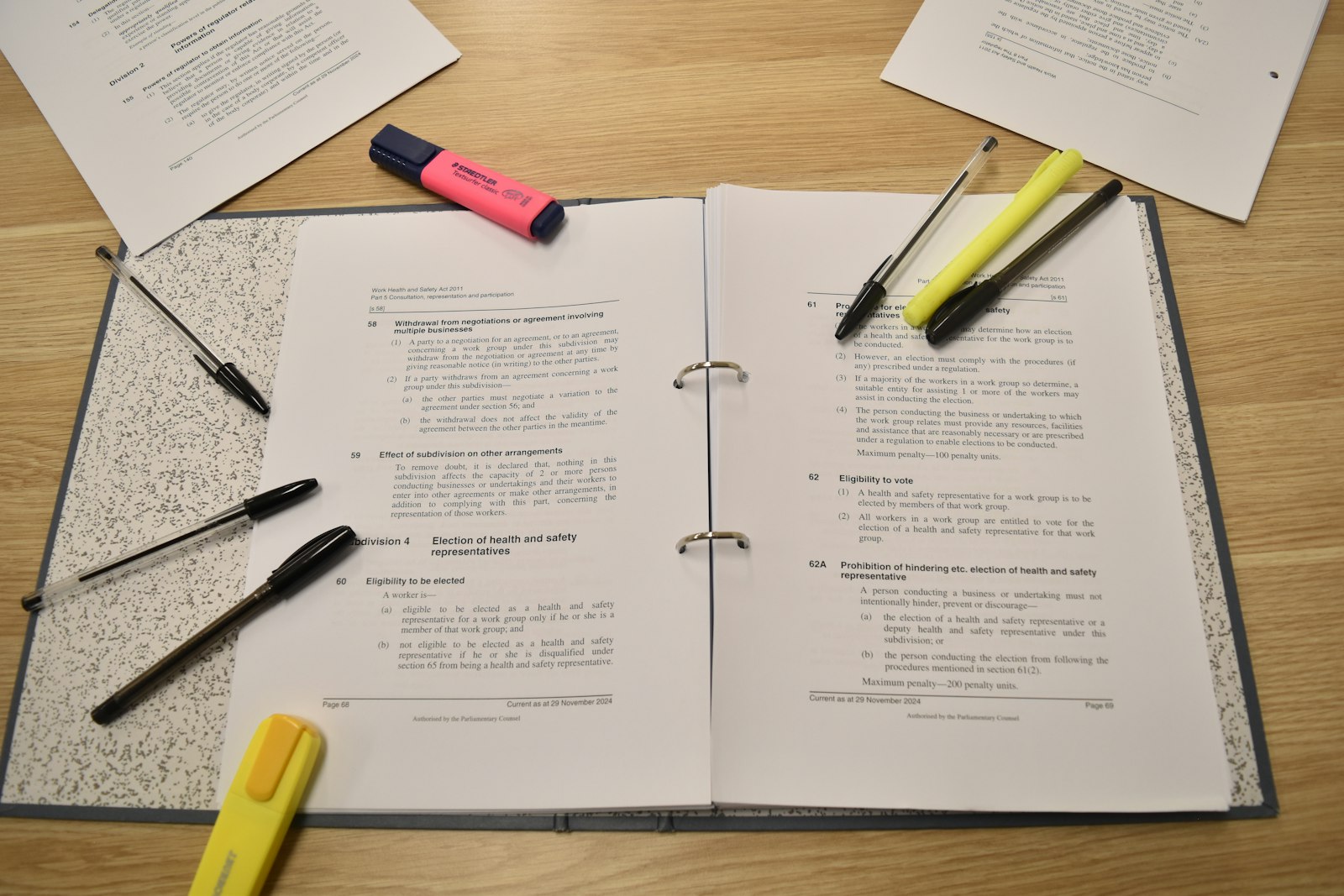
Common Citation Mistakes That Weaken a Paper
Some citation mistakes are formatting issues. A title may be capitalized incorrectly, a date may be missing, or a works-cited entry may not match the in-text citation. Those problems can confuse readers, but they are usually fixable with a careful style guide check. Other mistakes are deeper because they affect how honestly the paper uses evidence.
One common problem is dropping a citation at the end of a long paragraph even though only one sentence came from the source. Another is citing a source for a general claim while quietly using several details from the same source without making that borrowing clear. A third is quoting a sentence without explaining why the quotation matters. Citations point to evidence, but they do not interpret the evidence on their own.
A strong researched paragraph usually does three things in order. It introduces the point, brings in evidence with clear attribution, and then explains how that evidence supports the argument. The citation belongs near the borrowed information, but the thinking around it belongs to the writer. A paper filled with citations can still feel weak if it never explains the meaning of the sources it uses.
A Simple Way to Build Reliable Citations
When a citation feels confusing, slow down and identify the source type first. Is it a book, article, chapter, video, report, image, interview, or web page? Then find the information that style expects for that type. Citation generators can help with formatting, but they often make mistakes when a source has missing dates, unusual authorship, multiple containers, or automatically guessed titles. A generator should be checked, not trusted blindly.
- Match every in-text citation to an ending entry. If a reader sees a name in the paragraph, that name should lead to a source entry.
- Keep borrowed words visually separate in notes. Use quotation marks while drafting notes so exact wording is never confused with paraphrase.
- Record page numbers or stable locations early. Finding them later can take longer than writing the paragraph.
- Check dates and authorship carefully. A page update date, access date, publication date, and copyright date are not always the same thing.
- Use the required style guide for final details. MLA, APA, and Chicago do not arrange the same information in exactly the same way.
Reliable citation is partly a format skill, but it is also a reading skill. It asks the writer to notice where information came from, what kind of evidence it is, and how it supports a claim. That habit makes research less mysterious. Instead of collecting sources because a teacher required them, a writer begins to build a visible chain of evidence.
That chain is what gives a researched paper its strength. Readers may not check every source, but they know they could. They can follow the trail from claim to evidence, compare interpretations, and decide whether the argument has been built honestly. A good citation is small on the page, but it carries a large promise: the ideas in the paper did not appear out of nowhere, and the reader is invited to look closer.