 Akshay Dinesh
Every October, the award commonly called the Nobel Prize in Economics joins physics, chemistry, medicine, literature, and peace in the world’s most closely watched prize season. Yet its official title is much longer: the Sveriges Riksbank Prize in Economic Sciences in Memory of Alfred Nobel. That wording is not ceremonial clutter. It records a different origin story, one that began more than 70 years after Alfred Nobel signed the will that created the original prizes.
The distinction can sound like a technicality, but it explains who created the economics award, who pays for it, and why it nevertheless appears beside the Nobel Prizes. The short answer is that Alfred Nobel did not establish an economics prize. Sweden’s central bank did so in 1968, and the Nobel institutions agreed to place it inside much of the same selection and ceremony system.
The official name tells the story
The phrase in Memory of Alfred Nobel separates the economics award from the five prizes created under Nobel’s will. The Nobel Foundation’s own history says the later award did not become a Nobel Prize in the strict sense because Nobel Prizes are defined as the categories named in that will. Calling it the “Nobel Prize in Economics” is convenient and widely understood, but “the prize in economic sciences” is more precise.
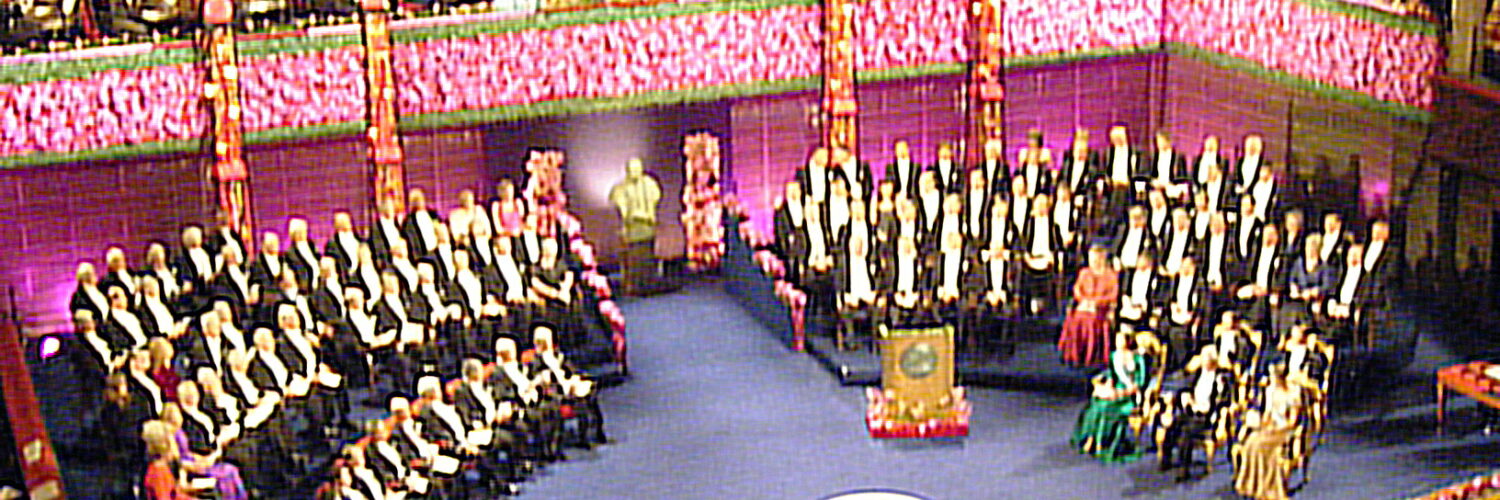
That does not make it an imitation award with no official connection. The prize is administered with the Nobel Foundation, selected by a Nobel prize-awarding institution, announced during Nobel week, and presented at the same Stockholm ceremony as the science and literature prizes. Its unusual position is best understood as both separate in origin and closely integrated in practice.
What Alfred Nobel put in his will
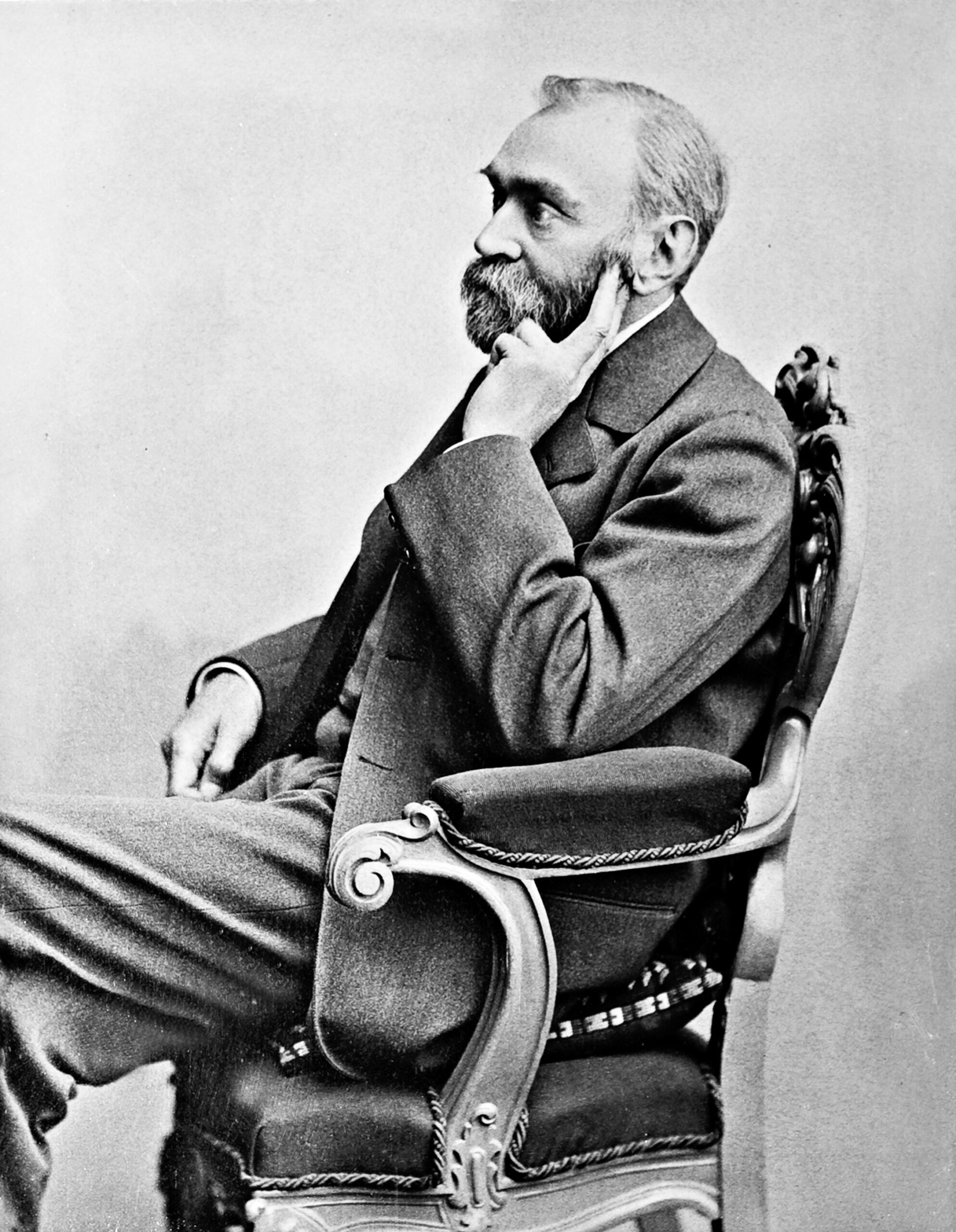
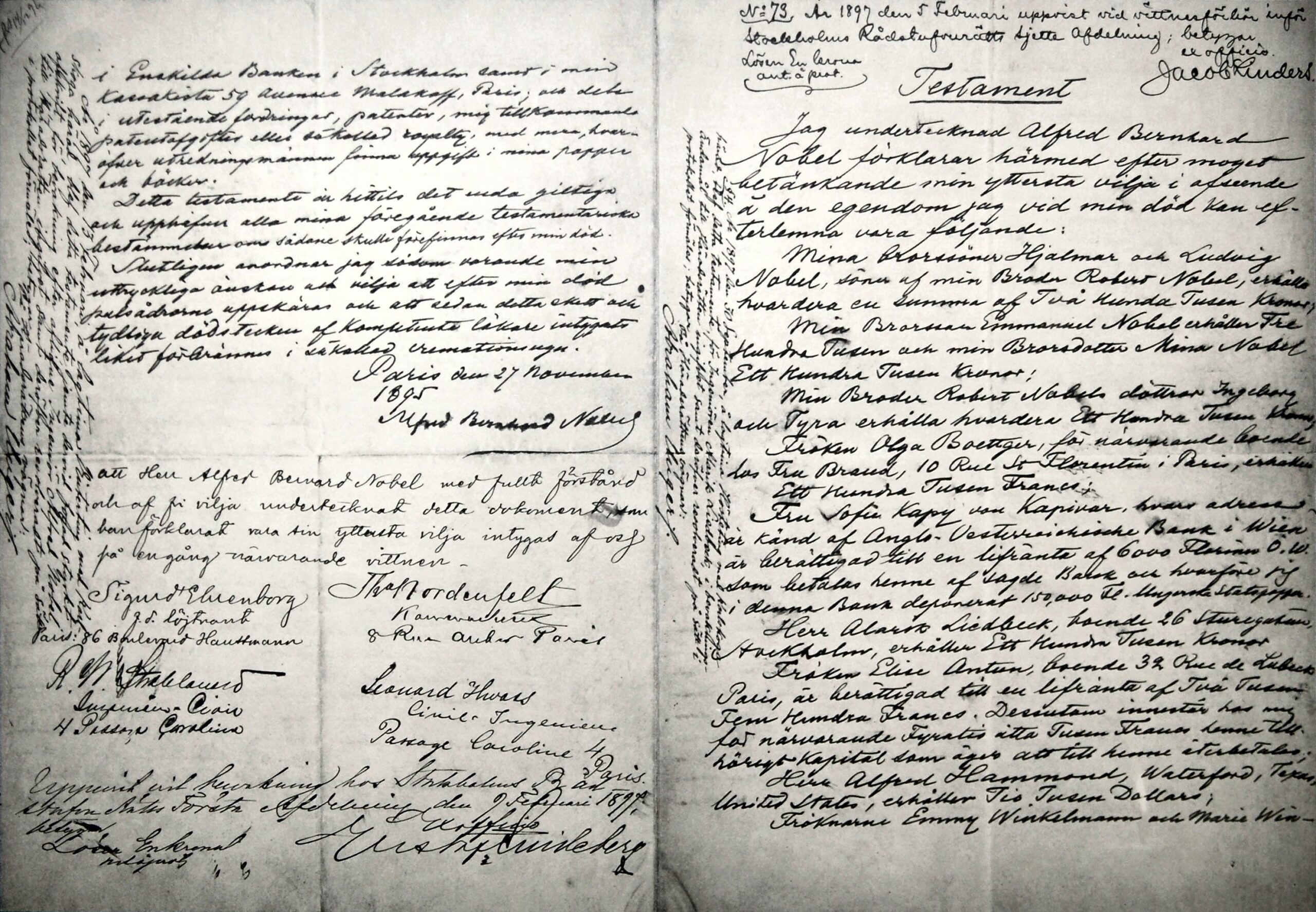
Alfred Nobel signed his final will on November 27, 1895. He directed most of his fortune toward annual prizes for work that had brought great benefit to humankind. The five fields he named were physics, chemistry, physiology or medicine, literature, and peace. Economics does not appear in the document.
The first Nobel Prizes were awarded in 1901, five years after Nobel’s death. Different institutions took responsibility for choosing the laureates: the Royal Swedish Academy of Sciences for physics and chemistry, Karolinska Institutet for medicine, the Swedish Academy for literature, and a committee chosen by Norway’s parliament for peace. This division of responsibility became part of the Nobel system’s identity, not merely an administrative arrangement.
There is no reliable evidence that Nobel considered and rejected economics, just as stories about his supposed dislike of mathematics do not explain why there is no mathematics prize. His will named five fields and gave no complete account of every field it omitted. The safest historical claim is the simplest one: economics was not among the categories he established.
Why Sweden’s central bank created a sixth award
The later prize grew out of an anniversary rather than a change to Nobel’s will. In 1968, Sveriges Riksbank, Sweden’s central bank, marked its 300th anniversary by establishing an award in economic sciences in Nobel’s memory. The bank drew up a deed of gift, and the Swedish government approved special statutes for the award in December of that year. The first laureates, Ragnar Frisch and Jan Tinbergen, received the prize in 1969 for work on economic models.
The funding arrangement is another important difference. The original prizes are rooted in Nobel’s estate and managed through the Nobel Foundation. Sveriges Riksbank makes a donation that covers the economics prize amount, the cost of selecting its laureates, and a share of the Nobel festivities. The prize amount is set at the same level as the Nobel Prizes.
The Nobel Foundation treated the addition as an exceptional decision, not the start of an expandable list. Its published history notes that later proposals for prizes in fields such as architecture, agriculture, and environmental science did not lead to new Nobel categories. That boundary preserves the five categories created by Nobel while allowing the economics award to occupy its special, later-created place.
How the award became part of Nobel week
The economics prize follows a selection process modeled closely on the Nobel Prizes. Qualified nominators are invited to submit names, and the Committee for the Prize in Economic Sciences evaluates the candidates. The Royal Swedish Academy of Sciences, which also awards the physics and chemistry prizes, makes the final choice. Nomination records remain secret for 50 years, limiting campaigns and public pressure during the decision.
The winner or winners are announced in October, usually after the five Nobel Prize announcements. In 2026, the economic sciences announcement is scheduled for October 12, the final day of the October 5–12 announcement period. The laureates then receive a medal, diploma, and monetary award in Stockholm on December 10, the anniversary of Alfred Nobel’s death.
Even the medal signals the award’s mixed identity. It bears Alfred Nobel’s portrait, but its design differs from the medals for the prizes created by his will. The inscription names Sveriges Riksbank and the year 1968, while the reverse carries the North Star emblem of the Royal Swedish Academy of Sciences. The object itself preserves both the Nobel connection and the later origin.
Why the distinction matters
Names shape how institutions are remembered. Calling the award simply the economics Nobel can leave the impression that Nobel himself selected economics as one of his fields in 1895. Using the official name restores the roles of the central bank, the Nobel Foundation, and the Royal Swedish Academy of Sciences without diminishing the work being honored.
The history also helps explain recurring arguments about the award. Some critics focus on its later creation or question whether it gives one discipline too much public authority. Supporters point to its rigorous selection and the influence of honored work on the study of markets, institutions, poverty, behavior, and public policy. Those debates concern the place of economics in public life; they do not change the documented origin of the prize.
So is it a “real” Nobel Prize? A precise answer needs two parts. It is not one of the five prizes Alfred Nobel created in his will, but it is an official memorial prize administered within the Nobel system and presented alongside those prizes. Its long name is not an embarrassment to shorten away. It is a compact history of how the award came to exist.