
 Akshay Dinesh
When daylight saving time ends, the clock repeats an hour, but the body does not automatically do the same. A person who usually wakes at 7 a.m. may open their eyes when the new clock says 6 a.m., because their internal timing still expects the old schedule. The United States returns to standard time on November 1 in 2026, according to the National Institute of Standards and Technology. That creates a 25-hour calendar day, yet it offers only an opportunity for extra sleep. Whether the hour becomes rest, an earlier awakening, or simply more time awake depends on sleep pressure, light exposure, routine, and the body’s circadian clock.
A 25-hour day is not the same as a longer night of sleep
The phrase “gain an hour” describes civil time, not human biology. At 2 a.m. on the first Sunday in November, clocks in most of the United States move back to 1 a.m. The repeated hour changes appointments, alarms, and sunrise on the clock, but it does not instantly shift the timing systems that helped someone fall asleep the night before.
Imagine a person who normally sleeps from 11 p.m. to 7 a.m. If that person goes to bed at 11 p.m. before the change and wakes after the same amount of biological time, the bedside clock may read 6 a.m. They still slept eight hours. The labels moved; their sleep did not lengthen. Staying awake an hour later on Saturday can erase the apparent gain just as easily.
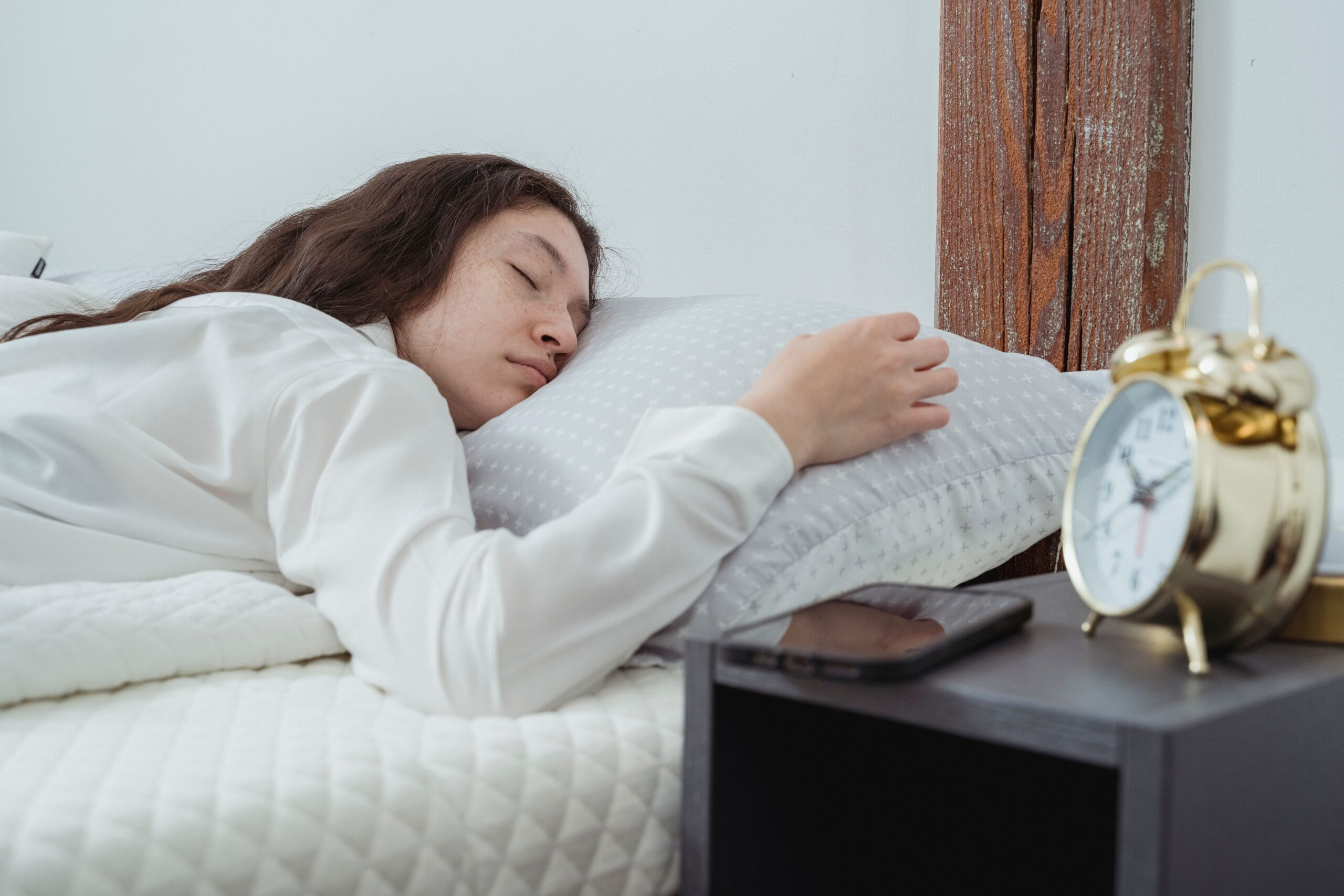
This is why experiences differ. Someone carrying sleep debt may sleep longer when given a quiet morning. A consistent early riser may wake at the usual biological moment, now displayed an hour earlier. Parents may also discover that a young child follows hunger, light, and habit rather than the freshly changed clock.
Two systems decide when sleep begins and ends
Sleep timing reflects a partnership between sleep pressure and the circadian system. Sleep pressure builds during waking hours and falls during sleep. It is one reason a long day makes bedtime feel welcome. The circadian system, meanwhile, produces a roughly 24-hour rhythm that helps organize alertness, body temperature, hormone release, and the usual windows for sleep and waking.
Light is the strongest environmental signal for that rhythm. Cells in the retina send information about brightness to the brain’s master clock, the suprachiasmatic nucleus. Morning light tends to move the rhythm earlier, while bright light in the evening can push it later. The Centers for Disease Control and Prevention’s National Institute for Occupational Safety and Health explains that this light-dark information helps coordinate processes that prepare the body to sleep or wake.
The fall clock change therefore creates a brief disagreement. Social time moves one hour earlier overnight, while the circadian system adjusts through repeated exposure to the new pattern of light, meals, activity, and sleep. For many people the difference is mild. For others, especially those with rigid schedules or already irregular sleep, the shift can show up as early waking, evening sleepiness, or a few days of feeling out of step.
Falling back is not simply springing forward in reverse
The autumn transition is usually gentler than the spring change because it does not remove an hour from the night. A widely cited 2020 study in Current Biology analyzed 732,835 fatal motor-vehicle crashes in the United States from 1996 through 2017. The researchers found a short-term increase in fatal crash risk after the spring transition, but they did not find the same effect after the return to standard time.
That does not mean everyone performs perfectly after falling back. A 2024 study of healthy university students published in the Journal of Clinical Sleep Medicine found worse results on several neurocognitive tests after the autumn transition. At the population level, a large 2025 study using health records from England found small decreases in several recorded health events after the autumn change. Those findings point in different directions because “health effects” cover many outcomes, study designs, places, and behaviors.
A 2026 systematic review of epidemiological research reached a similarly careful conclusion: evidence about daylight saving practices is limited and mixed rather than uniformly harmful or beneficial. The sensible takeaway is narrower. Losing an hour in spring creates a clearer sleep-loss hazard, while the fall change may be easier overall but can still disturb timing and attention for some people.
The timing of light matters more than the digits on a clock
Returning to standard time makes sunrise and sunset occur about an hour earlier by the clock. The brighter morning can help people become alert sooner and can support an earlier circadian schedule. Earlier darkness in the evening may also make an earlier bedtime feel more natural, although indoor lighting and screens can weaken that signal.
Location matters too. Sunrise occurs later by the clock on the western side of a time zone than on its eastern side. Two people may follow the same work or school schedule while receiving noticeably different morning light. Season, latitude, cloud cover, and the amount of time spent outdoors add more variation. The clock change is uniform; the light environment is not.
This helps explain why permanent standard time is often favored by sleep researchers: it generally places morning light closer to the hours when people need to wake. The debate over permanent clock policy includes transportation, business, recreation, safety, and public preference, so sleep science is not the only consideration. Still, changing the clock and changing exposure to light are inseparable parts of the same event.

How to use the extra hour without upsetting your schedule
The easiest adjustment is usually a small one. There is no need to redesign an entire sleep routine for a one-hour shift, but a few choices can help the new schedule settle into place.
- Keep the wake time steady. Sleeping far later on Sunday may make it harder to feel sleepy at the usual bedtime that night.
- Shift gradually if early waking is a problem. Moving bedtime, meals, and a child’s routine 15 to 20 minutes later over several days can soften the change.
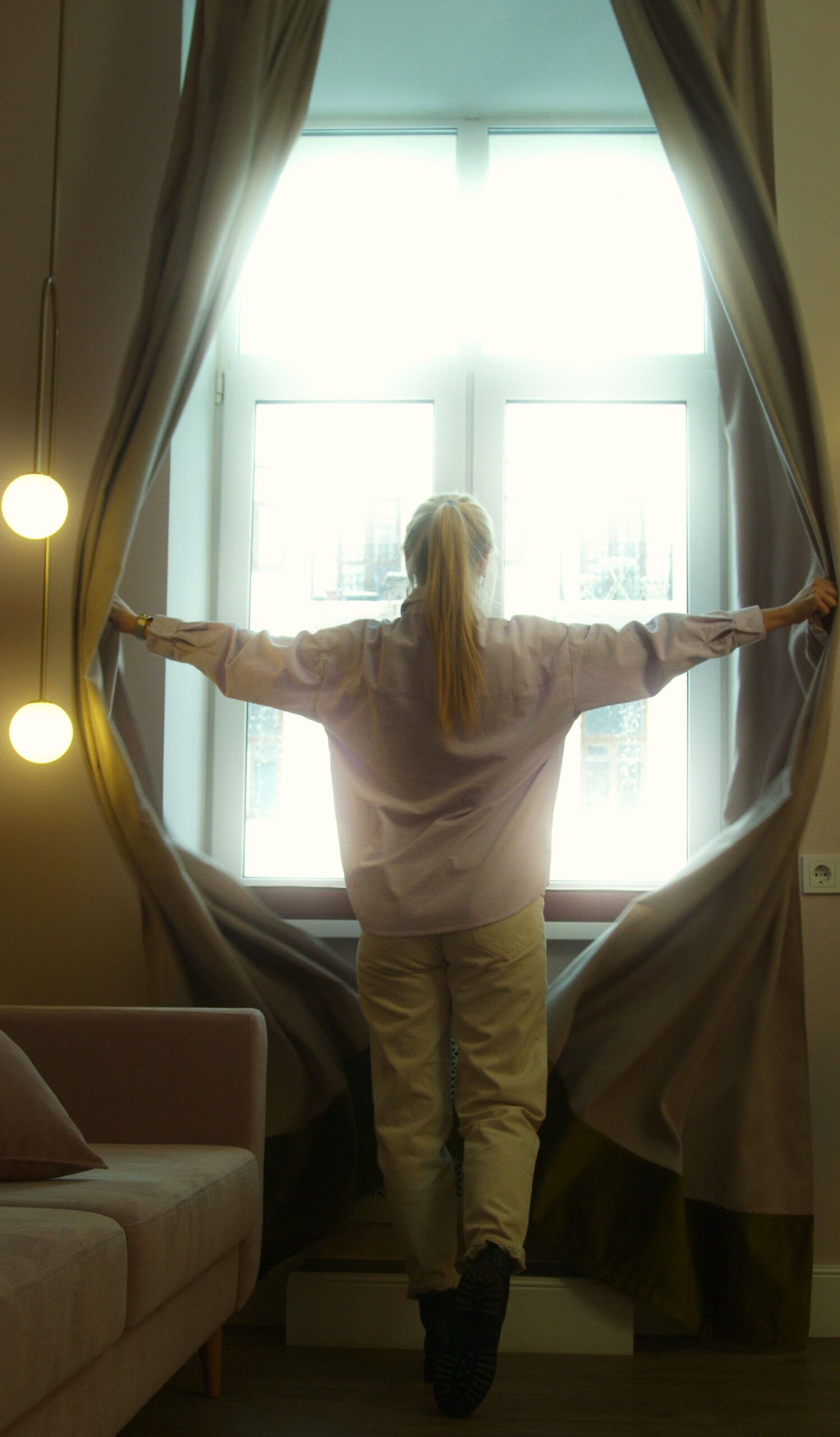
- Seek morning light. Open the curtains or spend some time outdoors after waking. Natural daylight is usually much brighter than ordinary indoor lighting.
- Let evenings become dimmer. Lowering bright light and screen exposure before bed preserves the contrast between day and night.
- Protect the basics. A calm wind-down, a comfortable dark room, and a regular schedule matter more than trying to force exactly one extra hour.
- Treat sleepiness as a safety signal. Anyone who feels unusually drowsy should be cautious with driving or other attention-heavy tasks.
People who work overnight face a different complication: the repeated hour may lengthen a shift or create uncertainty in schedules and time records. Checking the employer’s plan before the change is more useful than assuming the clock will be handled automatically. Medication schedules and other time-sensitive routines may also need instructions from the relevant professional rather than an improvised adjustment.
The extra hour is an opportunity, not a guarantee
Falling back can feel easier than springing forward because it expands the clock day instead of shortening it. Yet the body reads patterns of light, darkness, activity, and sleep, not the numbers glowing on a display. An established internal schedule may wake someone before the alarm, even when the clock appears to promise more rest.
The most useful goal is not to collect a perfect bonus hour on a single night. It is to give the body clear, consistent cues as standard time begins: wake at a sensible hour, get morning light, keep evenings calm, and allow a few days for the new pattern to feel ordinary. The clock changes in an instant. Human timing catches up at its own pace.