 Akshay Dinesh
Midterm elections can feel less dramatic than presidential elections, but they often decide how much the federal government can actually do for the next two years. The president stays in office, yet Congress can change shape around that president. A shift of only a few seats may affect which party controls committees, which bills reach the floor, how investigations are run, and whether nominations or budgets move smoothly. That is why midterms are not a political pause between presidential campaigns. They are one of the regular ways voters revise the balance of power.
The next U.S. midterm election cycle is in 2026, with Election Day scheduled for November 3. Voters will choose all 435 voting members of the House of Representatives, because House terms last only two years. They will also vote on a portion of the Senate, where six-year terms are staggered so that about one-third of the chamber faces voters every two years. Those different election schedules are not a small procedural detail. They explain why the House can change quickly, why the Senate changes more gradually, and why midterm results can redirect national politics even without choosing a president.
Why Midterms Happen Between Presidential Elections
A midterm election gets its name from its timing. It happens halfway through a president’s four-year term, two years after one presidential election and two years before the next one. The ballot can include federal, state, and local offices, but the core national question is control of Congress. The House and Senate write laws, approve spending, oversee federal agencies, and shape the government’s agenda through hearings and committees.
The timing comes from the Constitution’s different term lengths. Presidents serve four-year terms. Representatives serve two-year terms. Senators serve six-year terms. Because those clocks do not all reset together, voters are not asked to choose the whole federal government at once. Instead, the system creates repeated chances for public judgment.
That design has practical consequences. A president elected in 2024 may begin with one kind of Congress in 2025 and face a very different Congress after the 2026 midterms. Voters may approve of the president’s direction and give allies more seats, or they may send a signal of frustration by strengthening the opposition. Sometimes the result is divided government, where one party holds the presidency while the other controls one or both chambers of Congress. That arrangement can slow lawmaking, but it can also increase negotiation and oversight.
The House Can Change Fast
The House of Representatives is built for frequent accountability. Every voting House seat is on the ballot in every federal election year, including midterms. A representative who wins in November 2026 will serve in the next two-year Congress beginning in January 2027, unless a vacancy or special election changes the timeline later.
This makes the House especially sensitive to public mood, turnout, redistricting, and close district-level races. A national swing of only a few percentage points can matter because House elections happen district by district. One district may care most about housing costs, another about agriculture, another about defense jobs, another about school funding or public safety. The national result is built from hundreds of local contests.
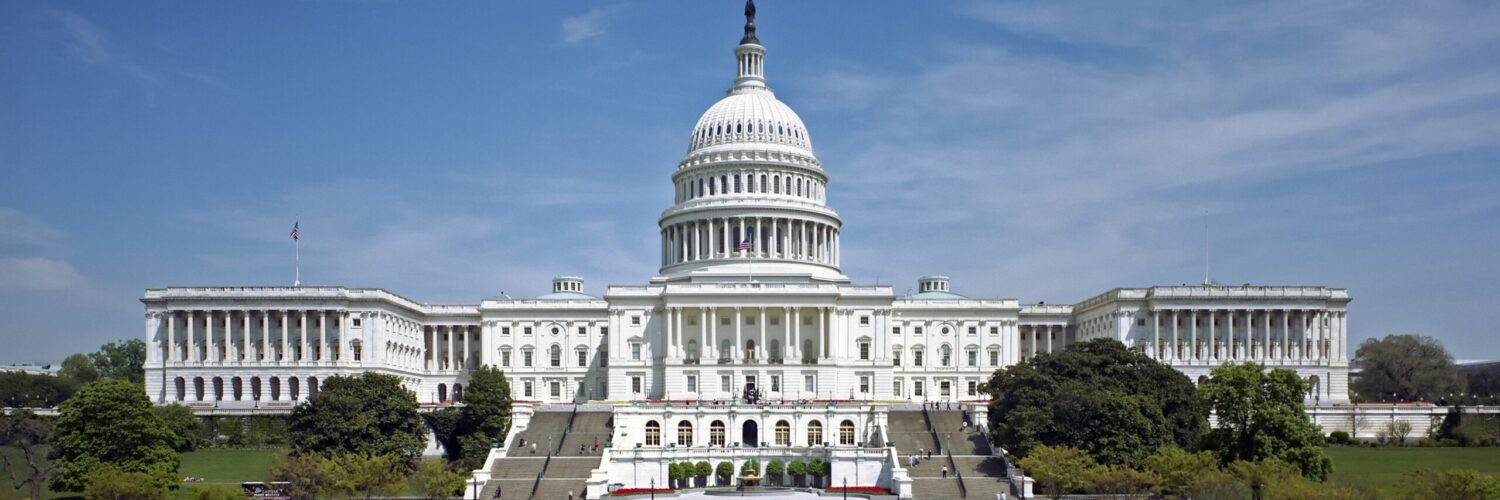
Control of the House matters because the majority party organizes the chamber. It chooses the Speaker, chairs committees, schedules bills, and decides which investigations receive attention. The House also has special constitutional roles, including originating revenue bills and bringing articles of impeachment. Even when a president’s party keeps the White House, losing the House can change the rhythm of governing almost immediately.
The two-year term can be both a strength and a pressure point. Representatives must stay close to voters because another election is always near. At the same time, short terms can make long-range planning harder, especially when members are already thinking about the next campaign. Midterms reveal that tension clearly: the House is designed to be responsive, and responsiveness can create quick political turns.
The Senate Changes More Slowly
The Senate works differently. Each state has two senators, and each senator serves a six-year term. Instead of electing all 100 senators at once, Senate seats are divided into three classes. In a normal two-year cycle, one class faces election, so about one-third of the Senate is on the ballot.
This staggered system gives the Senate more continuity than the House. A strong midterm year can change Senate control, but it usually cannot replace the entire chamber. Senators who are not up for election remain in office, and the chamber carries over institutional knowledge, committee experience, and long-running relationships. That is one reason the Senate is often described as the slower-moving chamber.
Still, a few Senate races can have enormous consequences. Senate control determines which party sets the chamber’s agenda, leads committees, and manages the confirmation process for judges, ambassadors, and executive-branch officials. Because the Senate confirms many presidential nominations, midterm results can affect the federal courts and agencies long after Election Day.
Special elections can add another wrinkle. If a Senate seat becomes vacant before its regular election year, a state may hold a special election under its own rules. That means the exact number of Senate seats on a midterm ballot can be slightly higher than the usual one-third. The larger point stays the same: the Senate changes in measured steps, but those steps can still alter the direction of national policy.
What Actually Changes After a Midterm
Midterms do not automatically change laws the morning after Election Day. The old Congress usually continues until the new Congress begins in early January. During that transition period, members may still vote, negotiate, or finish unfinished work. Once the new Congress starts, the practical effects become clearer.
The first visible change is organization. Each chamber chooses leaders, sets committee assignments, and decides how it will operate. Committee chairs matter because committees examine bills, hold hearings, question officials, and shape what the full chamber sees. A change in majority can move one set of issues to the front and push another set into the background.
Budgets and deadlines can also feel different after a midterm. Congress must pass spending measures to keep the government funded. It may debate taxes, health programs, farm policy, defense spending, disaster aid, education programs, or debt-limit questions. A president can propose priorities, but Congress controls legislation and appropriations. When the branches disagree, the result may be compromise, delay, or a fight over must-pass bills.
Oversight is another major shift. Congress can request records, hold hearings, subpoena witnesses under proper procedures, and investigate how laws are being carried out. When the president’s party loses a chamber, oversight often becomes more aggressive. When the president’s party gains seats, oversight may become less confrontational and more focused on supporting the administration’s agenda. Either way, midterms influence not only what laws are proposed, but also how closely the executive branch is examined.
Why Turnout and Local Races Matter
Midterm turnout is often lower than presidential turnout, which gives each participating voter more weight in close contests. The people who show up may not look exactly like the electorate in a presidential year. Age, enthusiasm, local issues, candidate quality, and voting rules can all shape who participates. That is one reason midterm outcomes can surprise people who only follow national headlines.
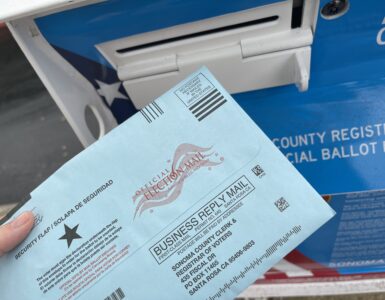
Local details matter because congressional elections are not one national election. They are hundreds of separate races held under state election systems. Registration deadlines, early voting options, absentee rules, primary systems, ballot design, and counting procedures vary by state. The U.S. Election Assistance Commission supports election officials and voters with national resources, but states and local election offices run the actual administration.
That local structure can make the same election cycle feel different from place to place. A voter in one state may see a Senate race, several House races, governor or state legislative contests, judges, ballot measures, and local offices. A voter elsewhere may see a shorter ballot. Midterm power comes from the combined effect of all those decisions, not from a single national question printed at the top of the page.
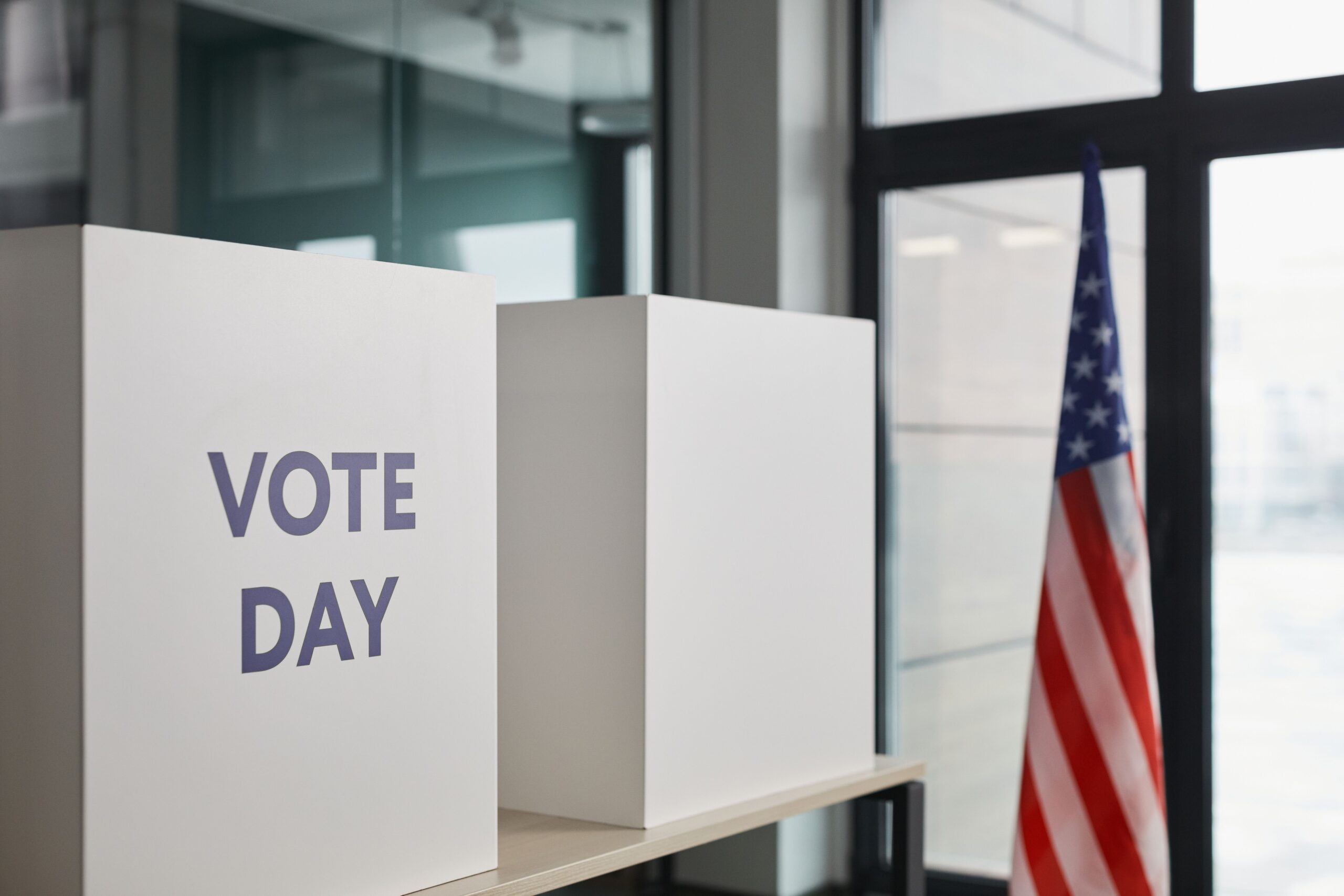
For students trying to understand politics, midterms are a useful reminder that government is not only about one office. The presidency is powerful, but it operates within a system. Congress can speed up, block, revise, investigate, fund, or refuse to fund parts of a president’s agenda. State and local offices can shape schools, courts, transportation, election rules, and public services. A midterm ballot is one of the clearest places to see that shared power in action.
How to Read Midterm Results Carefully
Election night can make midterms look simpler than they are. News coverage often focuses on party control, and control does matter. But careful readers should look beyond one headline. A party may win the House while losing ground in the Senate. A national vote margin may not match seat totals because House seats are decided by district, not by a single national popular vote. A close Senate map may depend on which class of seats happens to be up that year.
It also helps to separate immediate results from long-term meaning. Some races are called quickly; others take longer because of mail ballots, close margins, recount rules, or state certification procedures. A slow count is not automatically a sign of trouble. Election administration includes checking eligibility, processing ballots according to state law, resolving provisional ballots, and certifying official totals. Speed and accuracy are related, but they are not the same thing.
Once results are official, the deeper question is what kind of governing coalition voters have created. Does one party control both chambers? Is Congress divided? Are majorities large enough to pass difficult bills, or narrow enough that a handful of members can block action? Which committees will have new chairs? Which states sent new senators? Which districts changed hands? Those questions show why midterms matter after the campaign signs come down.
Midterm elections are a built-in adjustment point. They let voters respond before the next presidential race, and they remind every branch of government that power is temporary. The presidency may stay the same, but Congress can become more supportive, more skeptical, or more divided. That is enough to change what laws are possible, what questions get asked, and how the country is governed for the next two years.