
 Akshay Dinesh
A college parking permit can feel like a simple purchase: pay the fee, register the car, park near class. On many campuses, though, the permit is closer to a rulebook than a promise. It tells a student which lots, garages, zones, hours, vehicles, and plates are allowed, while leaving plenty of details for the student to manage.
That difference matters most at the start of a semester, when commuter students, resident students, faculty, visitors, buses, delivery vehicles, move-in traffic, and construction all compete for limited space. A permit may be necessary, but it is not the same thing as a guaranteed empty spot next to the building. Reading the parking rules early can save money, stress, citations, and a lot of awkward mornings spent circling a full lot.
A Permit Gives Permission, Not Always a Reserved Space
The most misunderstood part of campus parking is the word permit. In ordinary speech, it can sound like buying permission to use a particular space. In campus parking systems, it usually means permission to park in a defined area if a legal space is available. Universities often say this plainly in their rules because demand changes throughout the day and no parking office can make every driver arrive at a different time.
The University of Arizona, for example, explains that a permit does not guarantee a parking space; it gives permission to park in the assigned location when a space is available. The University of Michigan gives similar guidance, telling permit holders to find another valid area in the same or lower parking tier if the preferred lot or structure is full. UCLA goes a step further for students by noting that academic-year space is extremely limited and not guaranteed.
That wording is not just legal padding. It changes how a student should plan. A permit should be treated like access to a system, not ownership of a rectangle of asphalt. The student still has to know which lots count, what happens when a lot fills, whether overflow options exist, and how much extra walking time to build into a normal day.
Why Campuses Use Zones, Lots, and Permit Types
Most campuses are not built like shopping centers with one large lot beside every destination. Academic buildings, residence halls, hospitals, sports venues, research labs, bus routes, bike lanes, loading areas, and pedestrian paths all compete for space. Parking offices use zones and permit types to keep that space from turning into a daily scramble.
A commuter permit might allow daytime parking but not overnight storage. A resident permit may let a student keep a car on campus around the clock, often in a different lot from the classroom core. Some schools offer lower-cost remote or fringe lots, while more convenient garages or central zones cost more or sell out faster. The University of Maryland, for instance, separates commuter, resident, and overnight storage permits, each tied to a different use case.
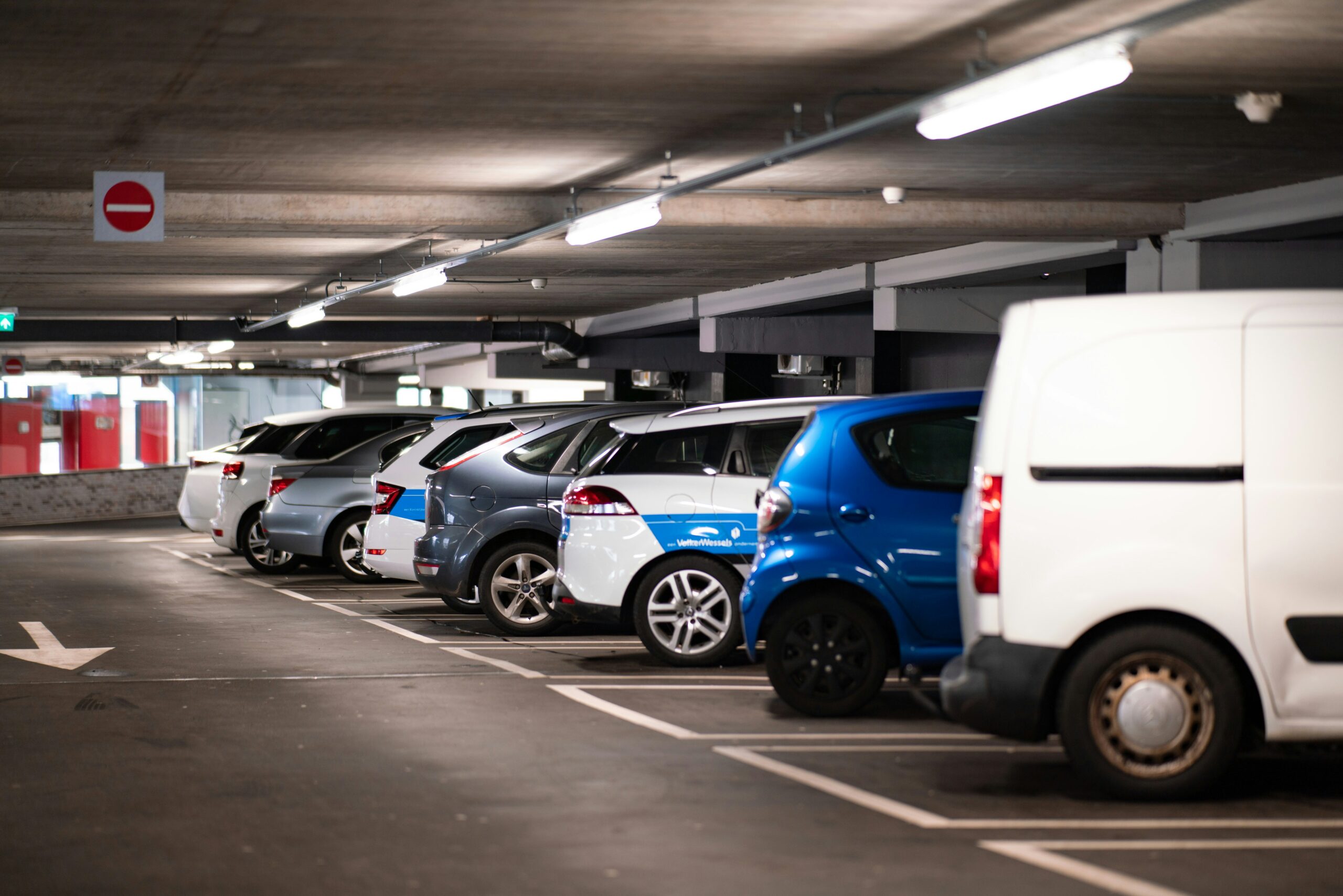
This structure is partly about fairness and partly about traffic flow. If every student with a car tried to park next to the same central buildings, the nearest lots would jam early and stay crowded all day. Remote lots, shuttle connections, time limits, and tiered pricing spread demand across the campus. They also give schools a way to protect spaces for accessibility, service vehicles, visitors, medical facilities, and short-term loading.
The Details That Decide Whether a Permit Actually Helps
The best permit is not always the closest one on a map. A student needs to compare the permit to real weekly habits. A lot that looks convenient for an 11 a.m. class may be packed by 9:30. A cheaper remote permit may work well if a shuttle is frequent, but poorly if the student has a tight job shift after class. A resident permit may solve overnight storage but still leave the student walking or taking transit during the day.
Vehicle rules also matter. Many campuses now use license plate recognition, which means the plate itself acts like the permit. Arizona describes this as a permit-by-license-plate system, and NC State tells students that permits are virtual and that vehicles should park with the plate facing the drive lane. That can affect small habits: backing into a space, borrowing a family car, changing plates, or registering more than one vehicle may all have specific rules.
Hours can be just as important as location. Some commuter areas forbid overnight parking. Some student permits open additional lots after a certain afternoon hour. Some lots are closed or reassigned for football games, construction, move-in, maintenance, or special events. A student who reads only the price and lot name may miss the rule that matters on the day the car actually needs to be there.
What Makes Parking Feel Scarce Even With Many Spaces
Campus parking feels scarce because demand arrives in waves. The first big wave often comes before morning classes. Another may appear around labs, clinical shifts, evening classes, athletic events, or popular lecture blocks. The number of spaces has not changed, but the timing of arrival makes the system feel either manageable or impossible.
There is also a geography problem. A campus can have open spaces and still feel full if those spaces are far from where students are trying to go. A remote lot may have room while a central garage is backed up. That is why some universities ask students to rank parking structures, use waitlists, or choose all available options when applying. UCLA’s student parking instructions, for example, warn that students may not receive a permit if they fail to select all available structures.
Scarcity is not always permanent. A lot can be full at 10 a.m. and half-empty by 2 p.m. A student who drives every day may learn a campus rhythm that a once-a-week driver does not see. The practical question is not only “Can I buy a permit?” but “At the times I actually arrive, will this permit help me park legally with enough time to get where I need to go?”
How Students Can Choose More Carefully
A careful parking choice starts with the weekly schedule, not the parking portal. Students should write down class times, work shifts, lab blocks, practice times, residence plans, and the earliest arrival they can realistically manage. Then they can compare permit zones against walking distance, shuttle frequency, safety after dark, overnight rules, and refund deadlines.
It helps to check five things before buying:
- Eligibility: Some permits are limited by class year, resident status, commuter distance, employment role, credit hours, or campus housing location.
- Valid areas: A permit may work only in certain lots, garages, zones, floors, or overflow areas.
- Time limits: Daytime, evening, overnight, weekend, event-day, and break rules may differ.
- Vehicle rules: License plate registration, shared vehicles, motorcycles, carpools, and replacement cars can all change what is allowed.
- Alternatives: Daily permits, bus passes, carpools, bike storage, remote lots, or occasional ride services may cost less than a full permit.

Refund rules deserve special attention. A student who buys an annual permit and later changes housing, drops a course, joins a carpool, or stops driving may not receive a full refund. Maryland’s published student parking table, for example, lists different permit types and a refund schedule by date. The exact numbers vary by school, but the larger lesson is steady: parking decisions are easier to change before the semester begins than after the charge has settled.
A Permit Is Part of a Larger Commute Plan
Good campus parking planning is not about loving rules. It is about protecting ordinary school days from preventable friction. A student who understands the permit system knows when to leave earlier, when to choose a remote lot, when to use transit, and when bringing a car may not be worth the cost.
For some students, a permit is essential. Work schedules, family responsibilities, disability-related needs, late classes, rural commutes, and limited transit can make driving the only realistic option. For others, the full cost of a permit, gas, insurance, citations, and time spent searching may outweigh the convenience. A campus parking map is really a map of tradeoffs: price, distance, predictability, flexibility, and time.
The smartest approach is to treat parking like any other college planning decision. Read the rules before buying, match the permit to real habits, keep backup options, and assume the closest lot will sometimes be full. A permit can make campus life easier, but only when students understand what it actually permits.