 Akshay Dinesh
A backpack can be just a backpack until the first day of senior year makes it feel like a time machine. In August 2026, one back-to-school trend drew attention because many high school seniors were carrying playful childhood-style backpacks, the kind more likely to show up in kindergarten photos than in college-application season. The trend is funny on the surface, but the feeling behind it is not hard to recognize: senior year is full of countdowns, last first days, college questions, job plans, graduation photos, and quiet reminders that a familiar life is beginning to change.
Nostalgia often arrives when people are standing between one version of life and the next. It can make the past feel unusually close, not because students want to become children again, but because childhood memories help them understand how far they have traveled. A cartoon backpack, an old school song, a locker hallway, or a class tradition can say something words sometimes cannot: this place mattered, these years were real, and leaving them is more complicated than simply being excited for what comes next.
Nostalgia Is Not Just Missing the Past
Nostalgia is sometimes treated as a soft or sentimental emotion, but psychologists study it as a serious part of memory and identity. Krystine Batcho, a psychologist known for her work on nostalgia, has described it as a feeling that can become especially powerful during change. It is not only about wanting yesterday back. It is also about using yesterday to steady the present.
That matters during senior year because students are not only finishing a grade level. They are often revising their sense of who they are. A student may still be part of the same friend group, ride the same bus, and sit in the same cafeteria, yet the future suddenly has sharper edges. Questions that once sounded far away begin to press closer: Where will I live? What kind of person am I becoming? Which friendships will last? What parts of school will I miss even if I complained about them all year?
Nostalgia gives those questions a gentler entry point. Instead of starting with pressure, it starts with recognition. A childhood object or memory can hold together two truths that senior year often forces into the same room: growing up is exciting, and growing up also means losing some routines that once felt permanent.
Why Big Transitions Make Old Memories Stronger
Transitions disturb the sense that life is one continuous story. Even positive changes can create a strange gap between the person someone has been and the person they are preparing to become. Researchers Constantine Sedikides, Tim Wildschut, Clay Routledge, and colleagues have studied nostalgia as one way people restore self-continuity, the feeling that the past and present self are still connected. That idea helps explain why memories can become more vivid when a familiar chapter is closing.
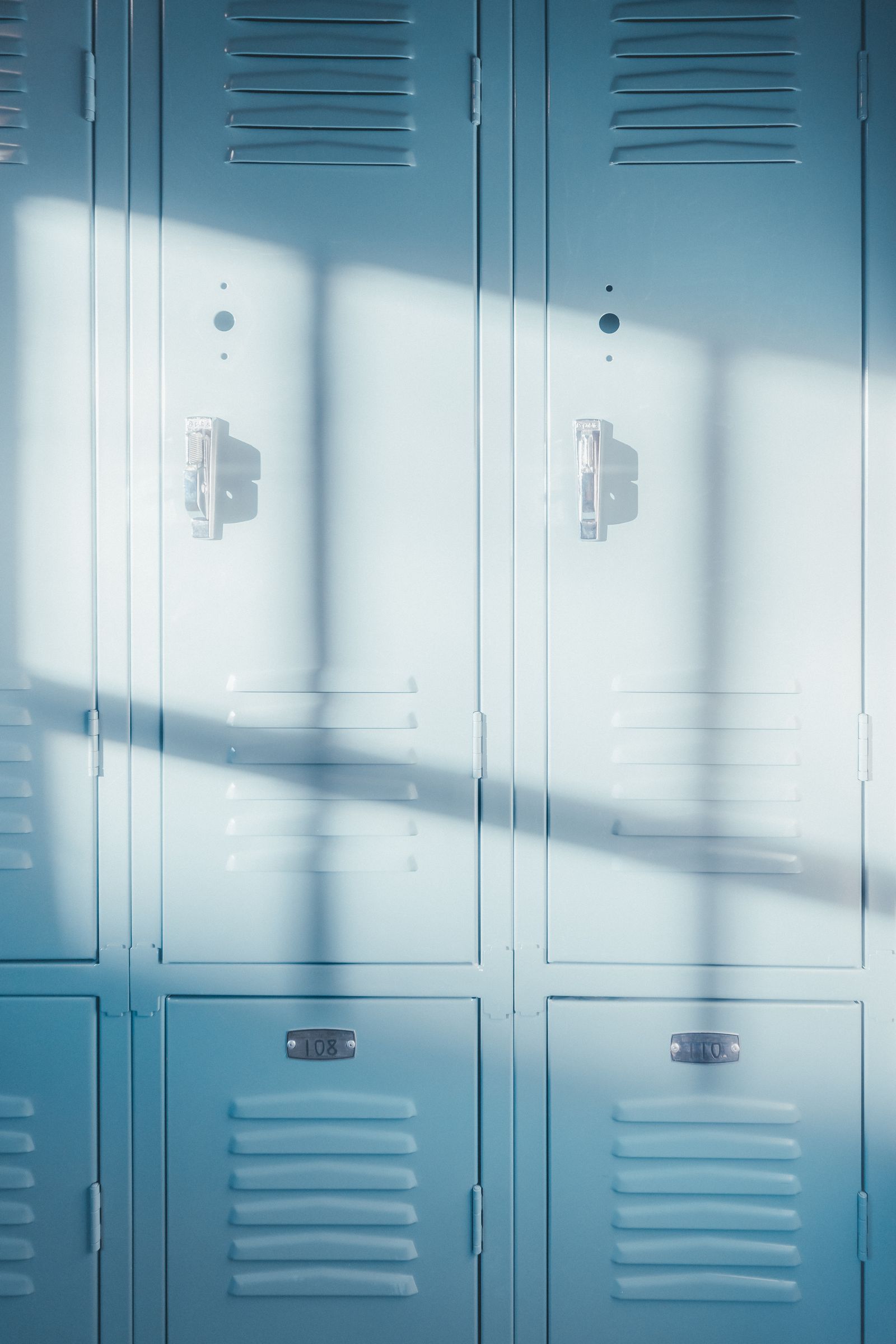
Senior year is packed with small signals of discontinuity. A student may order a cap and gown, visit a college campus, train a younger teammate, clean out a locker, or realize that a class tradition will happen for the last time. None of those moments has to be dramatic on its own. Together, they tell the brain that a role is changing.
Old memories become useful because they offer evidence of continuity. The student who once brought crayons to school is also the student filling out forms, leading a club, helping a younger sibling, or planning a next step. Nostalgia can soften the jump between those selves. It says, in effect, that becoming older does not erase the younger versions; it carries them forward.
Childhood Symbols Work Because They Are Easy to Share
A childhood backpack works differently from a private memory because other people can see it. That makes it social as well as personal. A senior who carries a backpack with a childhood character is not only remembering something privately; they are inviting recognition, jokes, stories, and comparison. Someone else may remember the same show, the same lunchbox, the same elementary-school folder, or the same photo from kindergarten.
That shared recognition can build belonging. Research on nostalgia has repeatedly connected nostalgic feeling with social connectedness, partly because many nostalgic memories involve family, friends, school, teams, music, or group rituals. During a year when friendships may feel both close and fragile, a playful shared symbol can help students say, “We are going through this together,” without making the moment overly serious.
This is one reason senior traditions often survive even when they look silly from the outside. Matching shirts, childhood-photo walls, senior sunrise events, themed backpacks, decorated parking spaces, and graduation countdowns are not only decorations. They give students a way to mark time as a group. The ritual matters because it turns an abstract transition into something visible, repeatable, and shared.

Senior Year Also Presses on Identity
Adolescence is a major period for identity development. Students are not simply collecting interests; they are testing possible versions of themselves, noticing how others see them, and deciding which values, goals, and relationships feel real. By senior year, that process can become more visible because the next environment may ask for choices: a major, a job path, a training program, a campus, a city, a budget, a new routine.
Nostalgia can help because identity is easier to build when the past has a place in the story. A student who remembers being shy in elementary school may notice how much more comfortable they have become speaking up. Another may see a childhood love of drawing, building, music, or helping others as an early clue to a future interest. Even embarrassing memories can become useful when they are treated with kindness. They show change, not failure.
There is a risk, though, if nostalgia becomes a way to avoid the present. Looking back can comfort a student, but it should not freeze them. Healthy nostalgia does not say that childhood was perfect or that the future is only loss. It helps students respect the past while still making room for new friendships, new responsibilities, and new versions of confidence.
How Students Can Use Nostalgia Without Getting Stuck
The most helpful kind of nostalgia does more than replay old scenes. It turns memory into perspective. A senior who feels unexpectedly emotional at the start of the year can ask what the feeling is pointing toward. Maybe it points to gratitude for a teacher, nervousness about leaving home, pride in surviving hard years, sadness about a changing friendship, or relief that a difficult chapter is almost over.
Students can make nostalgia useful by giving it a place, then returning to the present. That might mean recreating a childhood photo with friends, writing a note to a younger self, making a playlist from different school years, visiting a favorite elementary-school memory with a parent, or saving one object that represents the year. The point is not to perform a perfect sentimental moment. The point is to notice what the memory reveals.
It also helps to build new memories on purpose. Senior year should not become a museum of everything that is ending. Clubs, classes, friendships, family routines, and ordinary weekdays still count. A student who is busy mourning the end can forget that the end is still being lived. Nostalgia is healthiest when it deepens attention, not when it steals it.
What Adults Should Notice
Adults may be tempted to dismiss senior-year nostalgia as a trend, a joke, or a social media copycat. Sometimes it is all of those things. But even playful behavior can carry real emotional weight. A student can laugh about a childhood backpack and still be quietly anxious about graduating. A senior can seem excited for independence and still feel unsettled by the thought of leaving familiar people and routines.
The best response is usually curiosity rather than correction. Parents and teachers do not need to turn every nostalgic moment into a deep conversation, but they can leave room for one. A simple question like “What made you choose that?” or “Does it remind you of something?” can open a door without forcing the student through it. If a student seems overwhelmed, withdrawn, or unable to function, the concern deserves more direct support. For most students, though, nostalgia is part of the normal emotional weather of a big transition.
Senior year makes childhood feel close because the future is close too. That closeness can be bittersweet, but it can also be grounding. The old backpack, the hallway, the inside joke, the first-day photo, and the last-year ritual all help students do something surprisingly mature: carry the past without having to live there.