
 Akshay Dinesh
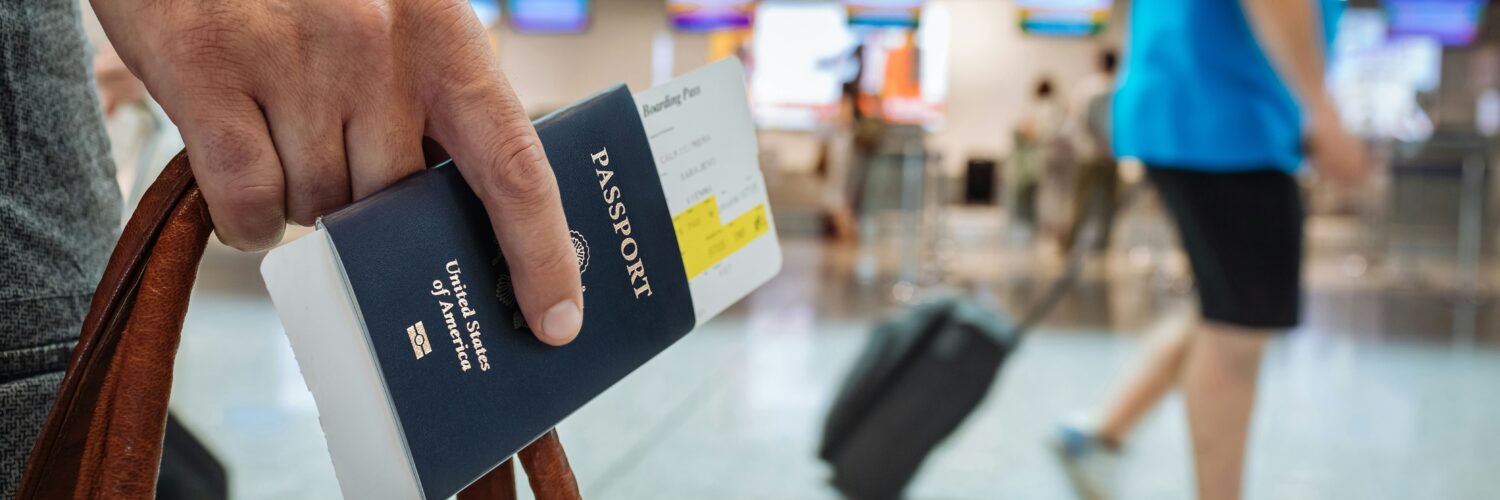
A passport book and a passport card sound almost interchangeable until the exact moment they are not. Both are official U.S. travel documents. Both prove citizenship and identity. Both can be useful at an airport security checkpoint for domestic flights. But only one of them can get you on an international flight, and that difference can decide whether a trip starts smoothly or stops at the airline counter.
The short version is simple: a passport book is the flexible document for international travel by air, land, or sea. A passport card is a smaller, cheaper card for specific land and sea travel near the United States. The card can be a smart choice for some travelers, especially people who cross land borders or want a federal ID that fits in a wallet. It is not a replacement for the book if there is any chance of flying internationally.
The Key Difference Is Where the Document Works
The passport book is the traditional blue booklet with visa pages. It is accepted for international travel by air, sea, or land, which makes it the safer default for most people who are planning trips outside the United States. If a traveler is flying to Europe, Asia, South America, Africa, Australia, or almost anywhere else abroad, the passport book is the document they need.
The passport card is narrower in purpose. The U.S. Department of State describes it as a wallet-sized passport with no visa pages. It can be used for land and sea entry from Canada, Mexico, Bermuda, and some Caribbean destinations. That makes it useful for certain border crossings, nearby cruises, and people who frequently move between the United States and neighboring countries without flying.
The card’s limit is the part worth remembering: it is not valid for international air travel. A traveler cannot use a passport card alone to fly from the United States to Mexico City, Toronto, Paris, Tokyo, or any other international destination. Even when the destination is one of the places where the card works by land or sea, the card still does not work for the international flight there.
When a Passport Card Makes Sense
The passport card is not a weaker document; it is a more specialized one. For someone who lives near the Canadian or Mexican border and crosses by car, bus, or train, the card can be convenient because it is sturdy, wallet-sized, and easier to carry than a booklet. It can also be used at Ready Lanes at some land border crossings from Mexico and Canada, where radio-frequency technology helps officers read documents more efficiently before the vehicle reaches the booth.
The card can also be useful for some cruise passengers. A closed-loop or nearby cruise may allow travelers to reenter the United States by sea with documents other than a passport book, depending on the itinerary and cruise line. The passport card can fit that kind of travel when the route stays within its permitted region.
There is still an important catch. If a cruise passenger has an emergency, misses the ship, becomes ill abroad, or needs to fly home from a foreign country, the card will not solve the problem. The State Department strongly recommends that cruise passengers travel with a passport book because unexpected return travel by air requires the book. That advice matters because travel documents are not only for the trip you planned; they are also for the trip you may have to make if plans change.
Why the Passport Book Is Usually the Safer Default
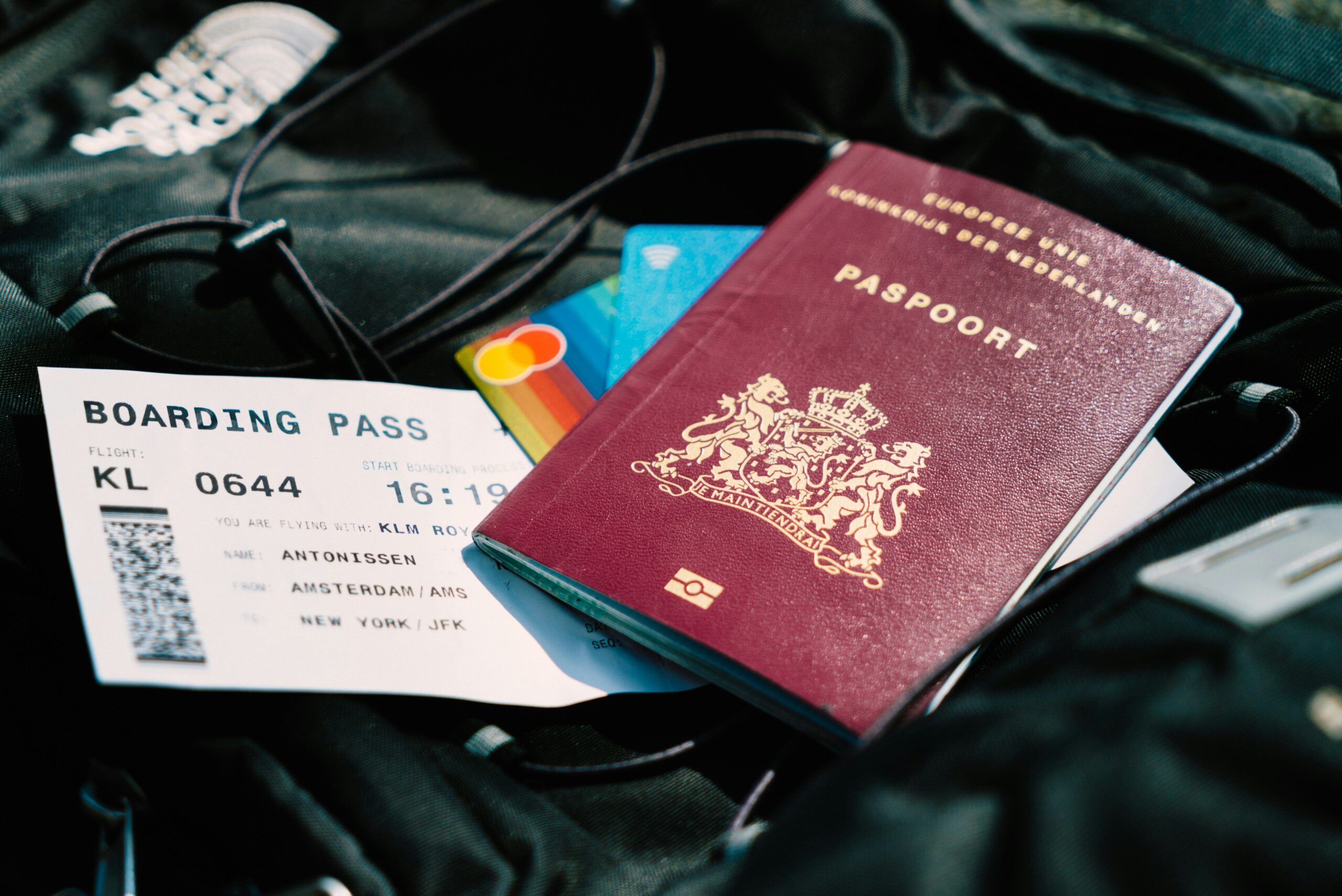
The passport book costs more, but it covers more situations. It has visa pages for entry stamps and visas, works for international flights, and can be used for land and sea travel as well. That flexibility matters even for travelers who think their plans are simple. A weekend cruise, a road trip to Canada, or a family visit across a land border can change quickly if weather, illness, airline changes, or an emergency requires a different route home.
The book also avoids confusion when a trip includes more than one kind of travel. A student might drive across a border for part of a trip but later fly home. A family might start with a cruise and later add an international flight. A traveler might plan a nearby vacation and then find a cheaper return route through another country. The passport book is built for those mixed situations.
For first-time applicants, the cost difference can be tempting. According to the State Department’s June 2026 comparison page, the passport card costs much less than the book for first-time adult applicants and renewals. But the cheaper option is only cheaper if it actually fits the trip. Buying the card and then discovering that an international flight requires a book can lead to a second application, more waiting, and possibly expedited fees.
Domestic Flights and REAL ID Add Another Layer
The passport card has one use that surprises many travelers: it can be used as an acceptable federal ID for domestic air travel. Since the U.S. passport book and passport card both meet REAL ID requirements for domestic flights, someone who does not have a REAL ID-compliant driver’s license can use either passport document at a Transportation Security Administration checkpoint for flights within the United States.
That does not change the international rule. The card may help a traveler board a domestic flight from Chicago to Miami, but it will not help the same traveler board an international flight from Miami to Cancun. The airport setting can make the documents feel more similar than they are, so the question is not simply “Can I use this at TSA?” The better question is “What kind of trip am I taking after I pass through security?”
For people who rarely travel abroad but want a compact federal ID, the card can be worthwhile. It is easier to carry than a passport book, less likely to be damaged in everyday use, and useful as a backup identification document. For anyone who may leave the country by air, the book remains the main travel document.
Processing Time Should Be Part of the Decision
Travel-document choices are not only about rules and price. Timing matters too. Current State Department guidance says routine passport processing takes 4 to 6 weeks, not including mailing time, while expedited service takes 2 to 3 weeks, also not including mailing time. Mail can add up to two additional weeks to the total timeline.
That means a traveler who realizes too late that a passport card is not enough for an international flight may not be able to fix the problem quickly. Urgent passport appointments exist for certain near-term travel situations, but appointments are not guaranteed to be available at convenient times or locations. Planning early is much less stressful than trying to repair a document mismatch close to departure.
Adults who already have an eligible passport document may be able to add the other version through a renewal-style process. First-time applicants and children have different requirements. Children under 16 cannot renew in the same way adults can and generally must apply again in person, so families should check the rules early rather than assuming every household member can use the same process.
A Practical Way to Choose
The easiest decision rule is to start with the most demanding possible version of the trip. If the trip includes any international flight, choose the passport book. If the trip may unexpectedly require an international flight home, the book is still the safer choice. If the trip is strictly a land crossing to Canada or Mexico, or a permitted nearby sea trip, the passport card may be enough.
Many travelers choose both. Applying for both at the same time can save an extra execution fee compared with applying separately later, and the pair gives more flexibility. The book can stay ready for international flights and visa pages, while the card can serve as a compact federal ID or a convenient document for eligible land and sea crossings.
The card is best understood as a helpful companion, not a universal substitute. It is excellent at the narrower job it was designed to do. The book is the document that keeps the widest range of travel options open. Choosing between them is less about which document is “better” and more about whether the document matches the route, transportation method, emergency possibilities, and timeline of the trip.
Before paying fees or booking travel, it is worth checking the exact itinerary against the document’s limits. A passport card can be a smart, economical tool for the right traveler. A passport book is the stronger default when uncertainty is part of the journey. The best choice is the one that will still work if the trip changes after the suitcase is packed.






Add comment