

 Akshay Dinesh
A phone number feels personal, but it is also a piece of account infrastructure. It receives verification codes, password-reset links, bank alerts, delivery updates, school messages, and calls from people who assume the person holding the number is still the rightful owner. SIM swapping takes advantage of that trust. Instead of stealing the physical phone, a scammer tries to move the victim’s phone number onto a SIM card, eSIM, or device the scammer controls.
That small change can have a large effect. Once the number points to the wrong device, calls and text messages meant for the real owner may arrive somewhere else. If an account still treats text messages as proof of identity, the phone number can become a shortcut into email, banking, social media, crypto, or other sensitive services. SIM swapping is not just a phone problem; it is an account-recovery problem.

What a SIM Swap Actually Changes
A SIM is the part of mobile service that tells the carrier which device should receive a customer’s calls, texts, and mobile data. Older phones often used a small removable SIM card. Newer phones may use an eSIM, which stores that subscriber information digitally. In normal life, changing a SIM is routine. People replace lost phones, upgrade devices, switch carriers, or move a number to a new plan.
SIM swapping becomes harmful when someone convinces a wireless provider to make that change without the real customer’s permission. The scammer may call customer service, visit a store, use stolen login credentials, or exploit weak account recovery steps. The goal is to make the carrier believe the request is legitimate. If the transfer succeeds, the victim’s phone may suddenly lose service while the scammer’s device begins receiving traffic for that number.
Port-out fraud is closely related. In a SIM swap, the number may stay with the same carrier but move to a different SIM or device. In a port-out scam, the number moves to another provider. From the victim’s point of view, the danger is similar: control of the number shifts away from the person who depends on it.
Why Scammers Want the Number
A stolen phone number is useful because many accounts still use text messages as a backup identity check. A scammer who controls the number can request a password reset, receive a one-time code, or intercept an alert that would normally warn the real user. If the scammer already has a password from a data breach, phishing message, reused password, or public leak, control of the number may be the missing piece.
The most dangerous accounts are often email accounts. Email is the reset hub for many other services. Once someone controls an email inbox, they may be able to reset passwords elsewhere, hide warning messages, delete alerts, or learn which financial and personal accounts a person uses. A phone number can also be tied to banking apps, payment services, online marketplaces, social media profiles, school portals, and cloud storage.
The Federal Trade Commission has warned that text-message verification may not stop a SIM swap because the code follows the number, not necessarily the rightful person. That is the central weakness. A code sent by SMS proves that someone can receive messages for the number at that moment. It does not prove that the carrier account was changed safely or that the person entering the code is the account owner.
The Warning Signs Can Be Subtle
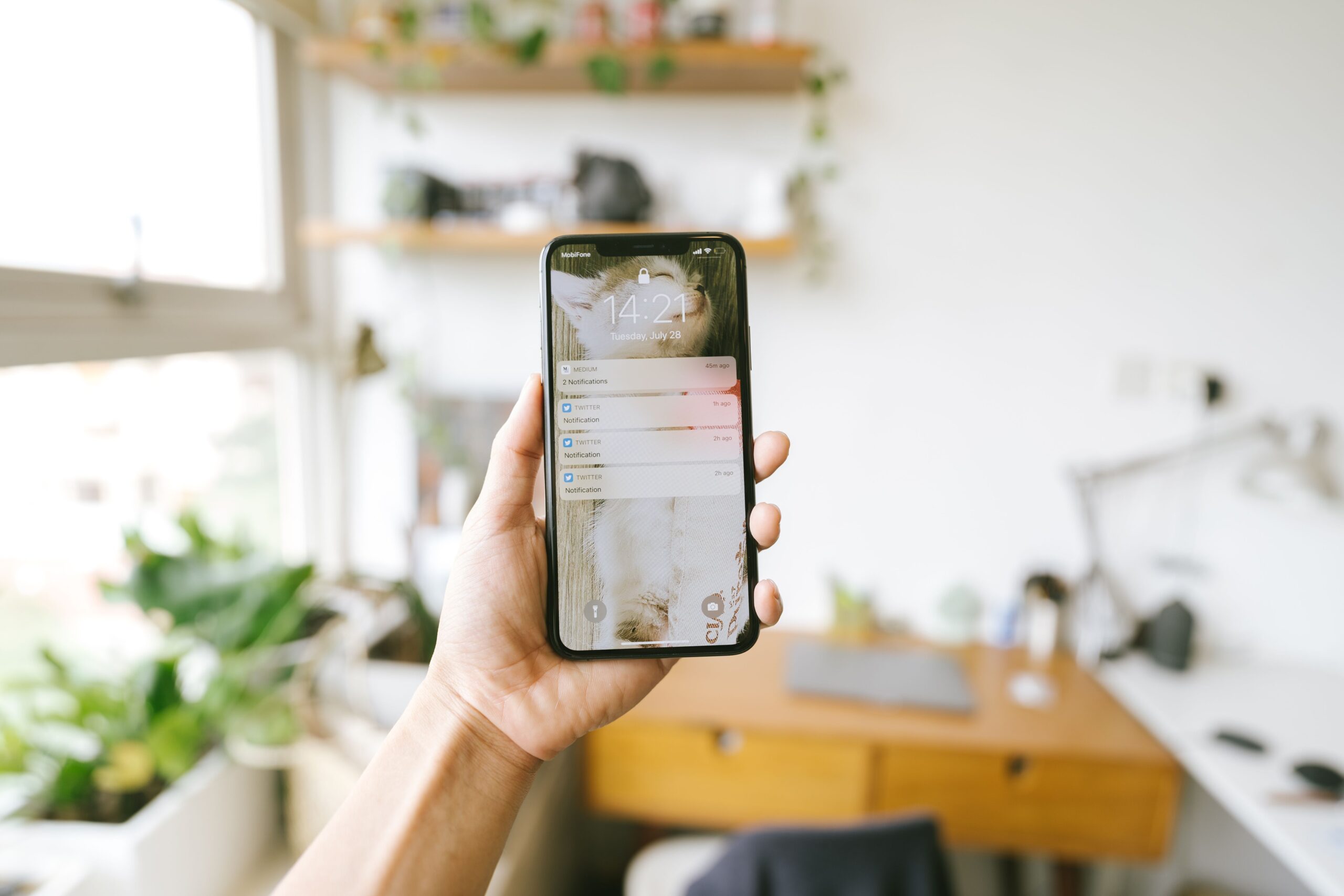
One common warning sign is sudden loss of cellular service when the phone should still be connected. The device may show no service, SOS-only service, or an inability to send texts and make normal calls. That can happen for ordinary reasons too, such as an outage or a billing issue, so it is not proof by itself. The timing matters. If service disappears at the same time password-reset emails, security alerts, or unfamiliar login notices appear, the situation deserves immediate attention.
Another warning sign is a message from the carrier about a SIM change, number transfer, new device activation, or account update that the customer did not request. Some providers now send alerts before or during sensitive account changes. Those alerts should not be ignored, even if they look routine. A legitimate upgrade should match something the customer actually started.
Account behavior may change quickly after the swap. A person may be locked out of email, see unfamiliar recovery settings, receive notices about password changes, or find unexpected transactions. Friends may report strange messages from social accounts. The first clue is sometimes not the phone at all; it is an online account behaving as if someone else has walked in through a side door.
How Carriers and Regulators Are Responding
SIM changes are necessary, so the goal is not to make them impossible. The challenge is to separate ordinary customer requests from fraudulent ones. In 2023, the Federal Communications Commission adopted rules aimed at SIM-swap and port-out fraud. The rules require wireless providers to use secure methods to authenticate customers before redirecting a number, notify customers about SIM-change or port-out requests, offer account locks where available, train employees, and maintain processes for reporting and resolving fraud.
Those rules matter because SIM swapping often targets the human and procedural side of mobile service. A carrier may have strong network technology and still be vulnerable if customer-service verification relies too much on easily found personal information. Names, phone numbers, addresses, birth dates, and pieces of family history can leak through data breaches, social media, public records, and old forms. Security questions based on that information age badly.
Carriers have also added practical tools such as account PINs, number-transfer PINs, port freezes, account locks, and extra verification steps. The names vary by provider, and the strongest setting is not always turned on by default. A customer who spends five minutes checking carrier security settings may close a path that a scammer would otherwise try to use.
Why Text Codes Are Weaker Than They Look
Text-message codes are better than using only a password, but they are not the strongest form of multi-factor authentication. They depend on the phone network, the carrier account, and the assumption that the number is still under the right person’s control. SIM swapping breaks that assumption. So can some forms of phone-number porting or account compromise.
NIST’s digital identity guidelines treat out-of-band authentication through the public telephone network, which includes SMS and voice delivery, as a restricted authenticator. That does not mean every text code is useless. It means organizations should understand the risk and offer safer alternatives where the stakes are higher. For everyday users, the practical lesson is simple: keep text codes as a fallback if needed, but do not make them the only protection for sensitive accounts when stronger options are available.
Authenticator apps are usually safer because the code is generated on a device or in an app tied to the user’s setup, rather than delivered through the phone number. Security keys and passkeys can be stronger still because they use cryptographic checks that are harder to steal through a carrier account change. Recovery codes, stored carefully offline or in a trusted password manager, also reduce dependence on a phone number during emergencies.
A Practical Defense Plan
The first layer is the carrier account. Add a strong account PIN or password that is not reused anywhere else. Check whether the provider offers a number lock, port freeze, account lock, or extra protection against SIM changes. Remove outdated authorized users if the account no longer needs them. Make sure account-recovery email addresses are current and protected by strong authentication.
The second layer is the set of online accounts that rely on the phone number. For email, banking, payment, school, and cloud accounts, switch from SMS codes to an authenticator app, passkey, or security key where possible. Save recovery codes in a secure place. A password manager helps because every account can have a unique password, which reduces the chance that one breach gives a scammer a head start somewhere else.
- Protect the carrier login: Use a unique password and carrier PIN, and turn on any available account lock or port protection.
- Reduce SMS dependence: Move sensitive accounts to authenticator apps, passkeys, or security keys when those options exist.
- Watch recovery settings: Keep backup emails, recovery codes, and trusted devices up to date before there is a crisis.
- Limit public clues: Avoid posting unnecessary personal details that could help someone answer account-verification questions.
The third layer is response speed. If a phone suddenly loses service and a SIM swap seems possible, contact the carrier immediately using a verified support number or the provider’s official app or website. Ask whether a SIM change or port-out request was made, request control of the number back, and secure the carrier account. Then change passwords on sensitive accounts, beginning with email and financial services. Review recent activity, remove unfamiliar devices, and check for changed recovery options.

The Bigger Lesson About Digital Identity
SIM swapping is unsettling because it reveals how much trust has been placed in a phone number. A number is convenient, memorable, and easy for services to contact. But it was not designed to be a high-security identity document. It can move between devices, carriers, and people. It can be recycled after cancellation. It can also be targeted by someone who knows enough personal information to sound convincing.
The best response is not panic. It is a cleaner security setup. Sensitive accounts should not depend on one fragile recovery path. A strong password, a safer second factor, protected email, recovery codes, and carrier account protections work together. If one layer fails, another layer can slow the attack or stop it.
Phone numbers will remain part of everyday account recovery because they are familiar and widely available. The safer habit is to treat a number as a communication channel, not as the final proof of identity. Once that distinction is clear, SIM swapping becomes easier to understand and easier to prepare for. The phone number still matters, but it no longer has to hold the keys alone.






Add comment