
 Akshay Dinesh
Close elections can make vote totals feel fragile, especially when election-night numbers shift as late-arriving, provisional, or corrected ballots are added. A recount is one way election law handles that tension. It does not restart the campaign, ask voters to choose again, or let officials decide which candidate they prefer. It retabulates ballots under a specific legal process so a very narrow result can be checked with more care.
That distinction matters because election results move through stages. The numbers shown on election night are usually unofficial. After polls close, election workers still have to reconcile ballot counts, review eligible provisional ballots, process valid mail ballots under state deadlines, correct reporting errors, and certify the final totals. The U.S. Election Assistance Commission describes this post-election work as the path from reporting to canvass to certification, with the canvass making sure every valid vote is included in the official result.
Why a Recount Is Not the Same as a Revote
A recount uses ballots that have already been cast. It is not a second election, and it does not give voters another chance to change their minds. The core question is narrower: were the ballots counted and reported correctly according to the rules for that election?
That can involve retabulating paper ballots, reviewing ballot images, checking machine totals, examining voter-marked choices that were hard to read, or comparing precinct-level reports against official records. The exact method depends on state law, the voting equipment, the type of race, and the reason the recount was triggered. Some recounts are done by machine, some by hand, and some combine both approaches.
A recount also sits inside a larger election-administration process. Before a race is certified, officials may already be fixing ordinary discrepancies, such as a precinct report entered incorrectly or a batch of valid ballots that still had to be processed. Because of that, the first public totals can change even when there is no recount at all. A recount is a formal second look after those ordinary counting and canvassing steps have brought the race into sharper focus.
What Usually Triggers a Recount
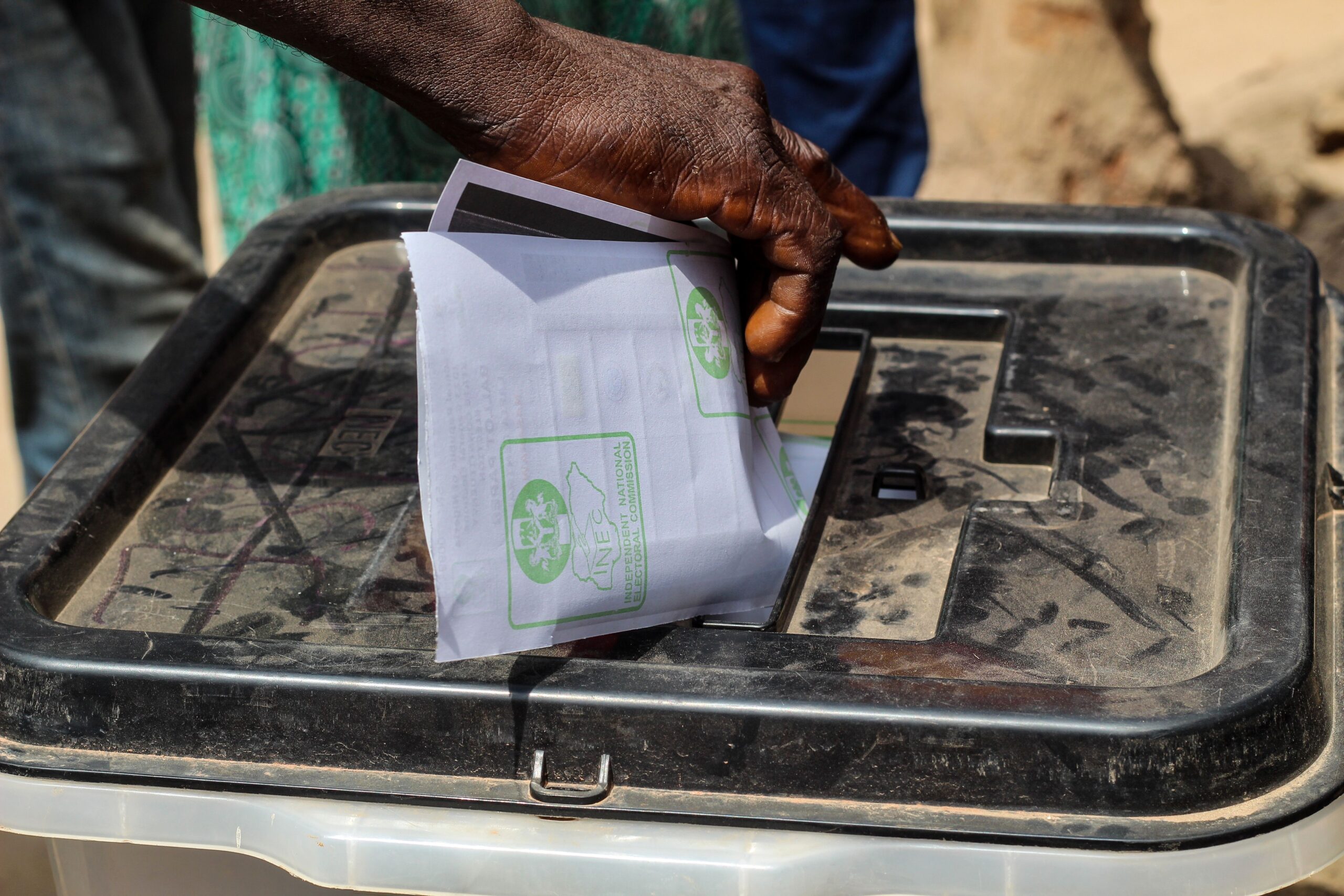
Recount rules are set mostly by states, which is why the process can look different from one election to another. The National Conference of State Legislatures tracks recount laws across the country and notes two broad paths: automatic recounts and requested recounts. An automatic recount happens when the margin falls within a legally defined threshold. A requested recount happens when a candidate, party, voter group, or other eligible requester asks for one under the rules that apply in that state.
The threshold matters. A state might require an automatic recount when the margin is within one-half of one percent, while another might set a different number or use a different formula. Some states focus on the percentage of votes cast. Others use a fixed vote difference, a tie, or a rule that varies by office. In some places, the requester may have to pay unless the recount changes the outcome or falls within a special margin.
This is why the phrase “close enough for a recount” is not just a casual judgment. A race can feel close politically without qualifying legally. A statewide race decided by several thousand votes may be too wide for an automatic recount if millions of ballots were cast and the percentage margin is outside the legal threshold. A small local race, on the other hand, might qualify with a difference of only a few votes.
How Ballots Are Checked Again
Most recounts begin with the same basic materials used in the original count: ballots, vote records, precinct results, scanner tapes, chain-of-custody records, and official canvass documents. Election workers need to know that the number of ballots being recounted matches the records for that contest. If the paperwork says a precinct had a certain number of ballots, the recount process has to account for that same universe of ballots before retabulation can mean anything.
When paper ballots are scanned, a machine recount may run the ballots through tabulators again. If the equipment reads the marks the same way, the totals may change little or not at all. A hand recount can involve teams reviewing ballots one by one, often with rules for interpreting voter intent when marks are unclear. A voter might fill an oval lightly, circle a candidate name, make a stray mark, or correct a mistake in a way that requires careful review under state standards.
Recounts can also reveal small administrative errors. A memory card might have been reported twice, a precinct result might have been typed incorrectly, or a batch of ballots might have been sorted into the wrong stack. These are the kinds of problems recounts and canvasses are designed to catch. They are usually about accuracy and recordkeeping, not about dramatic hidden piles of votes.
Why Recounts Usually Change Totals Only a Little
Recounts can change vote totals, but large swings are uncommon because modern election systems have multiple checks before certification. Paper ballots provide a physical record. Ballot scanners are tested before elections. Poll books, ballot counts, and tabulator reports are reconciled. Canvass boards review results before they become official.
FairVote’s analysis of statewide recounts from 2000 through 2023 found that statewide recounts were rare and that only a small number changed the apparent winner. The details of any particular election still matter, but the broader pattern is useful for students: recounts are more often verification tools than outcome-changing events.
That does not make them pointless. A recount can be valuable even when it confirms the original result. In a very close race, the public needs a process that is slower, more transparent, and more precise than election-night reporting. Candidates need a lawful way to test the count. Voters need to know that narrow margins are not handled by guesswork.
What Recounts Can and Cannot Prove
A recount can show whether the same ballots produce the same winner when counted again under official rules. It can identify counting errors, clarify disputed ballots, and strengthen confidence in a close result. It can also produce a certified total that differs slightly from earlier unofficial numbers.
But a recount cannot answer every election question. It usually does not decide whether campaign messages were fair, whether voters liked the choices, or whether the rules themselves were wise. It does not automatically investigate every rumor about an election. If someone claims a legal violation, the proper path may be an audit, an election contest, a court case, or another procedure defined by law.
It is also important to separate recounts from post-election audits. A recount focuses on a particular race or measure, often because the margin is close. An audit may test voting equipment or compare a sample of paper ballots with reported results to check overall accuracy. Both can build confidence, but they have different purposes.
How to Read Recount News Carefully
The first thing to check is whether the results being discussed are unofficial, canvassed, recounted, or certified. Election-night totals are useful, but they are not the legal finish line. A headline saying that a lead “narrowed” may simply mean more valid ballots were counted, not that something strange happened.
The second thing to check is the margin. A recount is most likely to matter when the margin is smaller than the normal amount of variation that can appear from corrected tabulation, valid late-counted ballots, or human review of unclear marks. A shift of a few dozen votes may be significant in a town race and meaningless in a statewide contest with millions of ballots.
The third thing to check is the rule that triggered the recount. Was it automatic? Requested by a candidate? Ordered by a court? Limited to certain precincts? Conducted by machine or by hand? These details shape what the recount can do and how long it may take.
Close elections can be uncomfortable because they remind everyone that democracy is built from many small acts: marking ballots, checking signatures, reconciling records, transporting materials, reviewing uncertain marks, and certifying totals. A recount slows that process down when the margin is tight enough to deserve another look. Its job is not to make a close race feel less close. Its job is to make the final count more trustworthy.



Add comment