
 Akshay Dinesh
Most Americans connect independence with July 4, 1776, and for good reason. That was the day the Continental Congress approved the wording of the Declaration of Independence, the document that explained the break with Britain and gave later generations a powerful statement of political ideals. But the actual congressional vote to declare independence came two days earlier. On July 2, Congress adopted the independence section of the Lee Resolution, turning a dangerous argument into an official decision.
That difference can feel like a small calendar puzzle until the events are put back in order. The colonies did not move from loyalty to independence in one dramatic afternoon. They moved through months of fighting, failed petitions, local instructions, political hesitation, committee work, and careful wording. July 2 was the decision; July 4 was the public explanation. Seeing both dates helps make the founding moment less like a legend and more like a tense political process carried out by people who knew the risks.
The proposal that forced Congress to decide
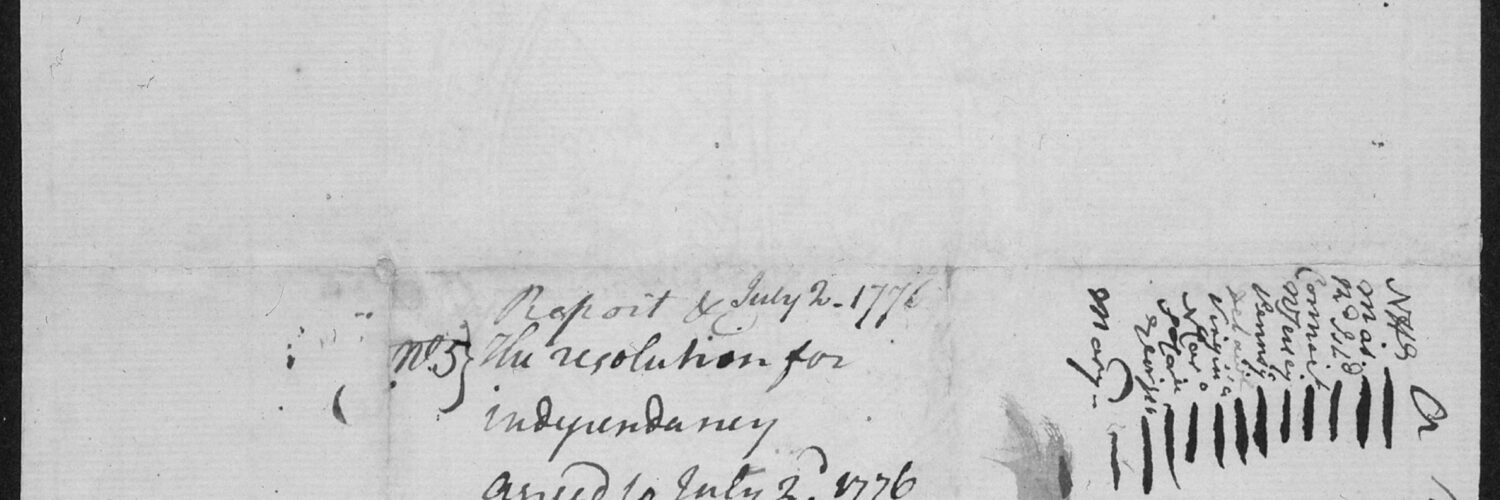
The key motion came from Richard Henry Lee of Virginia. On June 7, 1776, Lee introduced a resolution in the Second Continental Congress proposing that the colonies should be “free and independent States.” The wording was not just a patriotic phrase. It asked Congress to declare that the colonies no longer owed allegiance to the British Crown and that their political connection to Great Britain should be dissolved.
The National Archives describes the Lee Resolution as having three parts: independence, foreign alliances, and a plan for confederation. That matters because independence was not only a moral claim. If the colonies separated from Britain, they would need help from abroad and some kind of shared government at home. A vote for independence meant stepping into war, diplomacy, debt, and state-building all at once.
Congress did not immediately approve Lee’s proposal. Some delegates thought the timing was premature, and others needed clearer instructions from their colonies before supporting such a dangerous step. The delay was not empty indecision. It gave Congress time to prepare for the possibility that the vote would pass. On June 11, while postponing the final decision, Congress appointed committees to draft a declaration, plan foreign alliances, and work on a confederation.
That is why the Declaration of Independence was already being drafted before the independence vote became final. Congress was preparing the explanation before every colony’s delegation was ready to make the decision. Thomas Jefferson, John Adams, Benjamin Franklin, Robert R. Livingston, and Roger Sherman formed the committee assigned to prepare the statement. Jefferson wrote the main draft, but the document would still pass through revision before adoption.
What happened on July 2
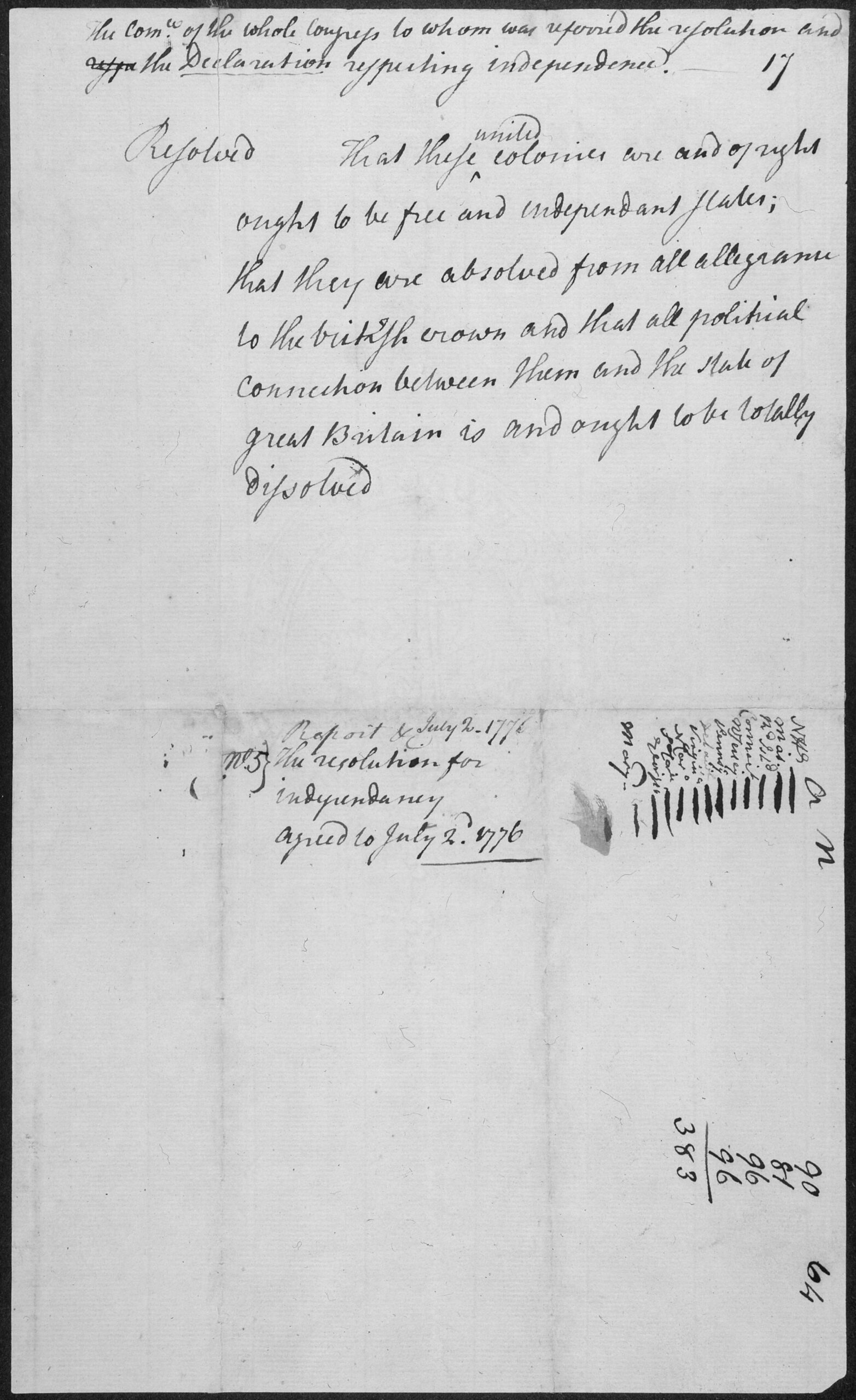
By early July, the question could no longer be avoided. Congress debated independence on July 1 and continued the matter into July 2. The politics were delicate. Pennsylvania was divided, Delaware’s delegation had been split, South Carolina needed persuasion, and New York’s delegates still lacked authority to vote yes. The final result depended not only on grand ideas, but on instructions, absences, travel, and last-minute movement among delegations.
On July 2, 1776, Congress adopted the independence part of the Lee Resolution. The National Archives notes that twelve colonies were listed as voting in favor, while New York abstained because its delegation was still waiting for approval from home. New York’s Provincial Congress later endorsed independence on July 9. The vote of July 2 therefore did not look like the neat, unanimous tableau often imagined later, but it was enough to make the break official.
The resolution’s language was direct. It said the colonies were free and independent states, absolved from allegiance to the Crown, and separated politically from Great Britain. The Declaration would later echo that wording in its closing paragraph. In other words, July 2 supplied the legal and political decision; July 4 gave that decision its famous voice.
Why July 4 became the remembered date
If July 2 was the vote, why do people celebrate July 4? The answer is that nations often remember the text that speaks for a decision more than the meeting that authorized it. On July 4, Congress approved the final wording of the Declaration of Independence after debate and revisions. That document did more than report a result. It explained why separation was justified, appealed to principles of rights and consent, listed grievances against King George III, and announced the colonies’ new status to the world.
The National Archives’ account of the Declaration’s creation gives the sequence clearly. Congress adopted the independence section of the Lee Resolution on July 2. The congressional revision process continued through July 3 and much of July 4. In the afternoon of July 4, Congress adopted the Declaration. The approved text was then printed, and copies were distributed to assemblies, conventions, committees, and military officers.
The date on the document also shaped memory. “In Congress, July 4, 1776” appears at the top of the Declaration, and the first printed copies carried that date. Public celebrations attached themselves to the dramatic printed statement that could be read aloud, copied, preserved, and quoted. A vote recorded in congressional papers mattered deeply, but a declaration written for public argument had a different kind of staying power.
Signing added another layer of confusion. The famous engrossed parchment copy was not signed by most delegates on July 4. The National Archives notes that Congress ordered the Declaration engrossed on parchment on July 19 and that signing began on August 2. Over time, the vote, approval, printing, and signing blurred together in popular memory. July 4 survived as the clean symbolic date, even though the process stretched across weeks.
What John Adams understood, and missed
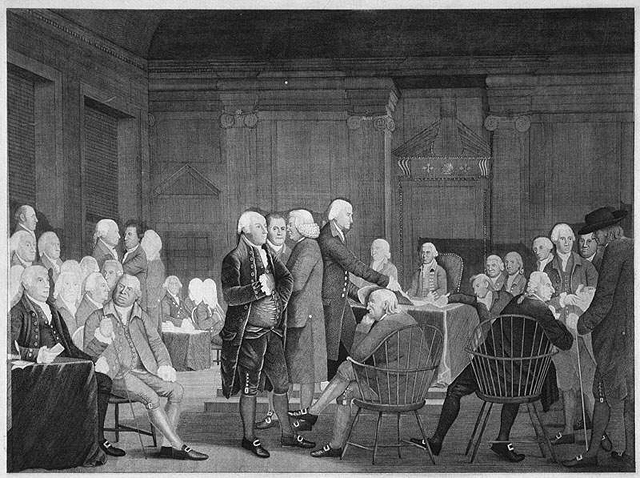
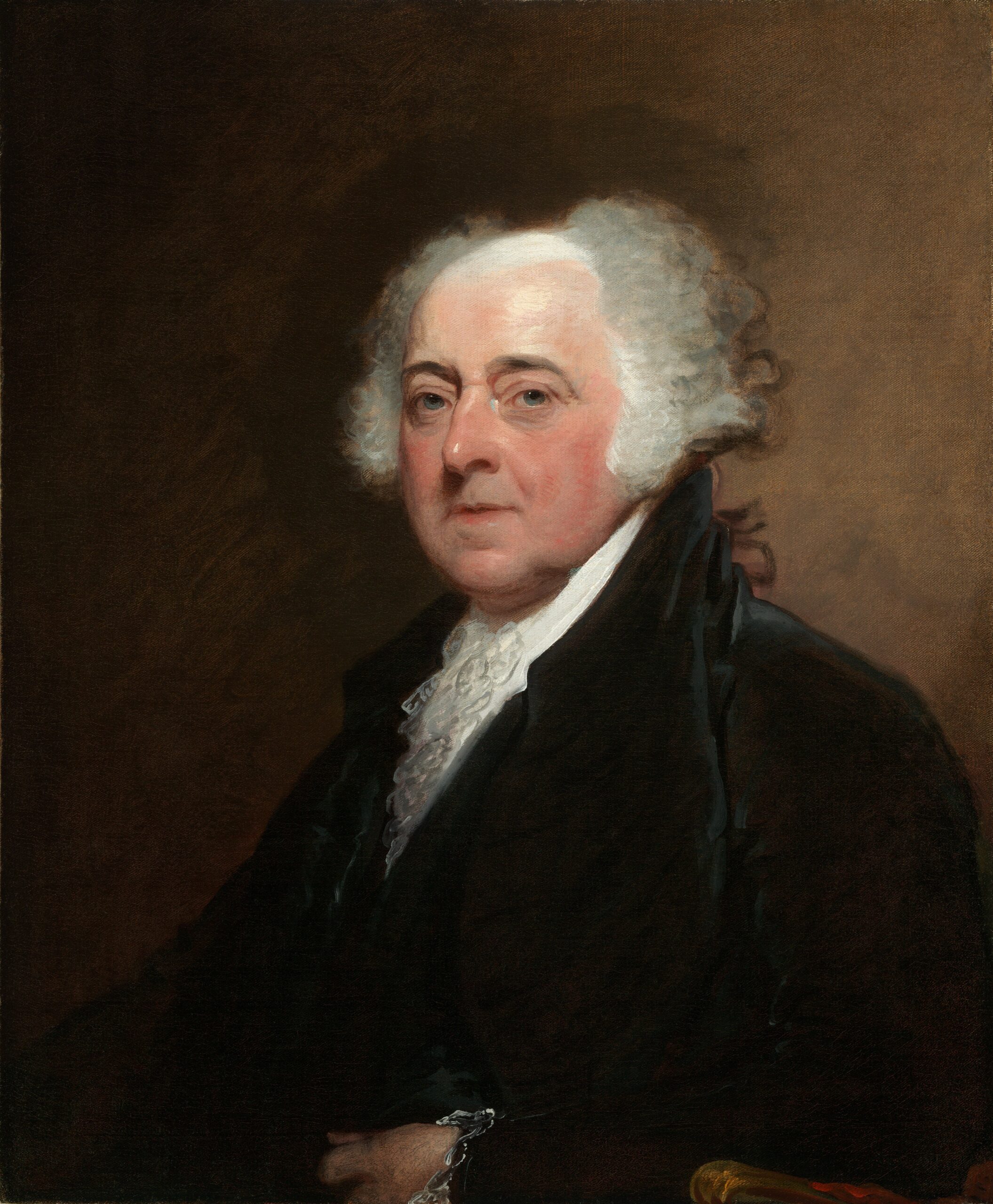
John Adams immediately recognized the importance of the July 2 vote. Writing to Abigail Adams on July 3, he predicted that the second day of July would become the great anniversary of American independence. The Massachusetts Historical Society preserves the letter in which Adams imagined future celebrations with bells, bonfires, games, and illuminations. He was remarkably accurate about the style of celebration. He simply expected it to happen two days earlier.
Adams’s mistake is useful because it shows how the moment felt to someone inside the process. To him, the vote was the breakthrough. Congress had crossed the line from resistance to independence, from petitioning within empire to claiming a separate place among nations. July 4 mattered, but July 2 was the day Congress actually made the commitment that the Declaration would explain.
That does not make July 4 a mistake. A public holiday needs a shared symbol, and the Declaration gave the new country one. Its language traveled farther than the procedural record of a congressional vote. It could be read in town squares, printed in newspapers, studied in classrooms, criticized, defended, and reinterpreted by later movements. The document became a national reference point in a way that a resolution alone probably could not.
Why the two-day difference still matters
The July 2 and July 4 distinction is more than trivia. It reminds us that independence was both an act of government and an act of explanation. Congress first had to decide that the colonies would separate. Then it had to justify that decision to colonists, Britain, foreign powers, and history. The first step created the break; the second made the break understandable.
The distinction also keeps the story from becoming too simple. Independence was not unanimous from the start, and it did not happen without hesitation. Some delegates wanted more time, some colonies had not yet instructed their representatives, and the practical consequences were enormous. Declaring independence meant inviting harsher military consequences if the war failed. It also meant trying to persuade other nations, especially France, that the colonies were a serious political body worth supporting.
There is a useful lesson in the way the Lee Resolution and the Declaration worked together. A decision without explanation can look sudden or reckless. An explanation without a decision can remain only rhetoric. In July 1776, Congress needed both: the formal vote that severed political allegiance and the written argument that told the world why the step had been taken.
Remembering July 2 does not take anything away from July 4. It makes the familiar date richer. The celebration on the Fourth rests on a decision made on the Second, and the Declaration’s most famous power comes from giving language to that decision. Independence was voted, revised, printed, and eventually signed. The calendar is messier than the holiday, but the messiness is where the history becomes most human.





Add comment